
Ukraine · Cherkasy Oblast
Where to Stay in Smila, Cherkasy Oblast
Smila stands where the Tyasmyn River crosses the Dnieper Upland, a Cherkasy Oblast city on record since 1542.
Hotel links are affiliate links: booking through them may earn us a commission, at no extra cost to you. It never affects how places are ranked. How this works


Where to stay in Smila
Where visitors usually base themselves, and why.
Smila has no hotel quarter. Beds are scattered through a working city rather than gathered into one street, and the practical question is which of the named landmarks a visitor wants to reach on foot each morning. The Smila Museum end suits most people.
A room within walking distance of the museum and the Bohdan Khmelnytsky monument puts the two civic set pieces together, and the walk between them takes minutes rather than a bus ride. Winter changes the calculation. A room close to the Church of the Nativity of St John the Baptist saves a cold walk across the city when the Dnieper Upland weather sets in.
A second option follows the water. Rooms toward the Tyasmyn River sit closer to the Church of the Holy Virgin, and the riverbank walk is the one stretch of Smila that reads as recreation rather than errand. Booking ahead is wise.
Cherkasy Raion has few large properties of any kind, and a traveller arriving late without a reservation may end up continuing into the wider Cherkasy Oblast for a bed. The Assumption Church marks a quieter third pocket, useful for anyone who wants residential streets and a short walk to the churches rather than proximity to the museum.
Find hotels in Smila
Direct booking searches for these neighbourhoods.
Around the Smila Museum
The museum and the Khmelnytsky monument stand a few minutes apart, which puts both of Smila's civic set pieces on one short walk. Beds are limited here, so book early.Find hotels in Around the Smila MuseumWarm-weather stays with the Tyasmyn River bank at the doorThe Tyasmyn riverside
Rooms on this side reach the Church of the Holy Virgin and the Tyasmyn bank without crossing the whole of Smila. Rooms are few around here — worth securing early.Find hotels in The Tyasmyn riversideQuiet residential nights within reach of the Assumption ChurchStreets by the Assumption Church
Residential blocks around the Assumption Church trade museum proximity for calm, with the Church of the Nativity of St John the Baptist a short walk further on. Few places to stay nearby — book ahead.Find hotels in Streets by the Assumption ChurchHotel links are affiliate links: booking through them may earn us a commission, at no extra cost to you. It never affects how places are ranked. How this works
About Smila
Three churches and a museum.
What is Smila known for?
The Church of the Nativity of St John the Baptist, the Assumption Church and the Church of the Holy Virgin give Smila its named religious buildings, and the Smila Museum keeps the local record alongside them. A monument completes the set. The Bohdan Khmelnytsky monument is the one commemorative marker the city lists, so a walk between these five points covers what Smila formally puts forward.
What are the main landmarks in Smila?
The Assumption Church heads the list. Smila also keeps the Church of the Holy Virgin and the Church of the Nativity of St John the Baptist, three religious buildings that account for most of what the city puts on a map. Indoors there is one address.
The Smila Museum gathers what the town has collected of its own past, and outside it the Bohdan Khmelnytsky monument is the only monument the heritage list names.
What is the history of Smila?
Smila enters the written record in 1542. The date places the settlement on the Tyasmyn River generations before Cherkasy Oblast existed as an administrative unit, and the river valley explains why people settled at this point on the Dnieper Upland. Little else carries a date.
The Tyasmyn feeds the Dnieper, which put the town on a water system reaching well past Cherkasy Raion. That link still shows on a map. The city's own account is kept in the Smila Museum, and the Ukrainian form of the name, Сміла, is the one used of it locally.
Churches mark the later centuries. The Assumption Church, the Church of the Holy Virgin and the Church of the Nativity of St John the Baptist are the three buildings Smila lists, and between them they cover most of what a visitor sees of the years since the founding. One monument joins them.
The Bohdan Khmelnytsky monument completes a heritage list that the Smila Museum and the Tyasmyn River frontage otherwise make up, and Cherkasy Raion supplies the administrative frame around all of it. Cherkasy Oblast sits above the raion in the same chain.
Where is Smila?
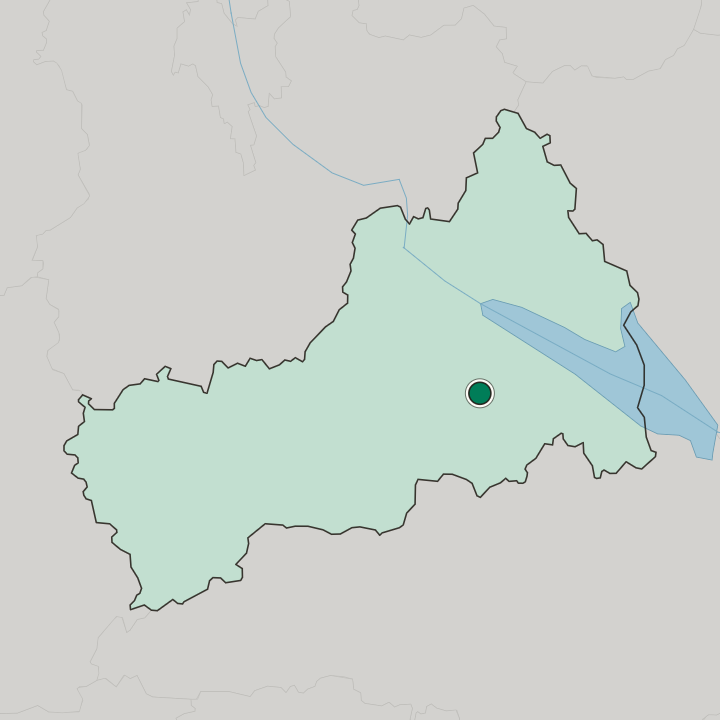
The Tyasmyn River crosses the city. Smila stands on the Dnieper Upland, and the Tyasmyn carries its water on to the Dnieper, which makes the town part of a much larger river system than its own banks suggest. Relief here is gentle.
Cherkasy Raion surrounds the city with open upland ground, and Smila itself is compact enough that the Assumption Church and the Smila Museum belong to the same afternoon.
What is the climate of Smila?
Seasons here are fully separated. Smila lies in the temperate band of the northern hemisphere, so a walk along the Tyasmyn in January is a different proposition from the same route in July. Little of the visit is indoors.
Only the Smila Museum takes a visitor out of the weather, since the Assumption Church, the Bohdan Khmelnytsky monument and the river frontage are all approached in the open.
How do you get to Smila?
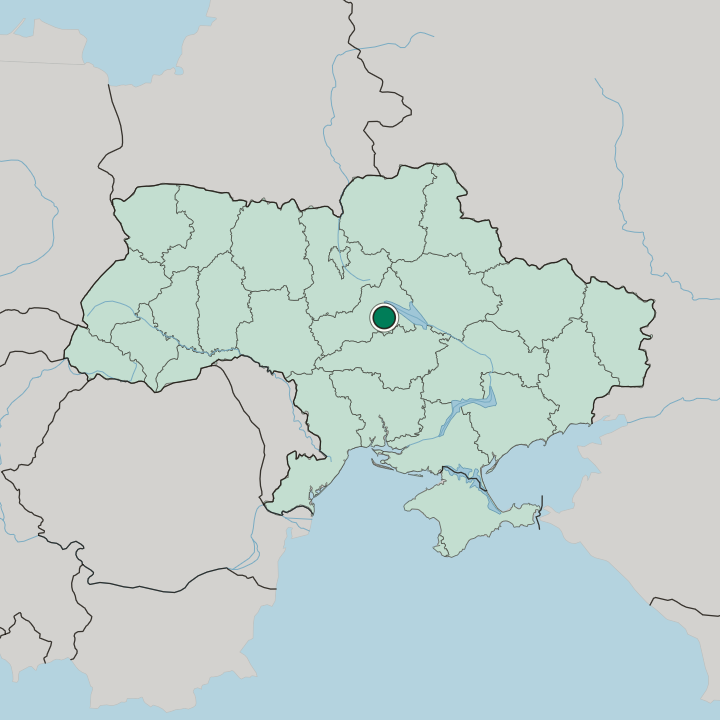
Cherkasy Oblast is the approach. Smila sits inside Cherkasy Raion within Cherkasy Oblast, so the practical route is whatever reaches that district, and once a traveller is in the city the Smila Museum and the churches are all within walking distance of one another. Nothing in Smila lies far apart.
The Tyasmyn divides the built-up area, and crossing it is the only piece of local navigation that matters between the Assumption Church, the Church of the Holy Virgin and the Bohdan Khmelnytsky monument.
Common questions
What is the best area to stay in Smila?
Around the Smila Museum: Pairing the Smila Museum with the Bohdan Khmelnytsky monument on foot. The Tyasmyn riverside: Warm-weather stays with the Tyasmyn River bank at the door. Streets by the Assumption Church: Quiet residential nights within reach of the Assumption Church.
Good for
More cities in Cherkasy Oblast
Updated October 2026