Ukraine
Cherkasy Oblast, Ukraine — Towns & Travel Guide
Cherkasy Oblast strings central Ukraine along the Dnieper, from Cossack Chyhyryn to Uman's Sofiyivka Park.
Hotel links are affiliate links: booking through them may earn us a commission, at no extra cost to you. It never affects how places are ranked. How this works


Towns & cities in Cherkasy Oblast
Pick a town or city — each links to where to stay.

 Ukraine
Cherkasy
Cathedral domes anchor Cherkasy, a city of the Middle Dnieper region in Cherkasy Oblast, known for Cherkasy Castle and St. Michael's Cathedral.Where to stay →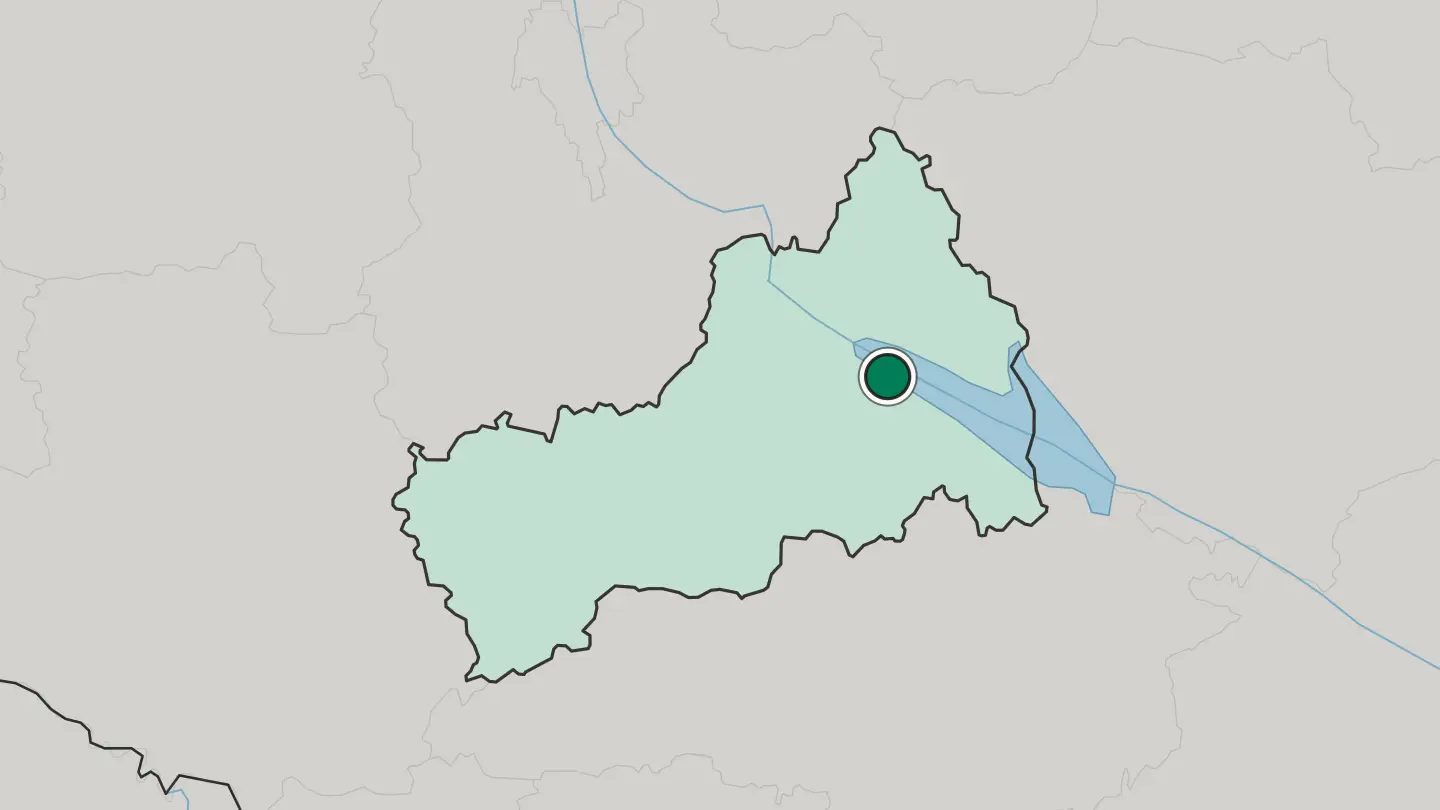
 Ukraine
Uman
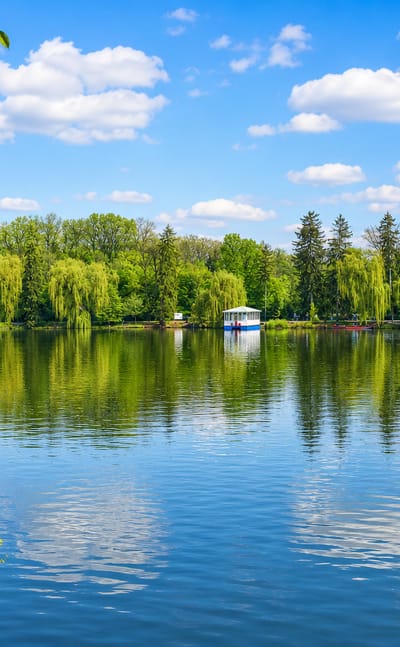
Grottoes and cascades thread Sofiyivsky Park at Uman, a park city in Cherkasy Oblast, known for its landscape garden and the Church of Assumption of Mary.Where to stay →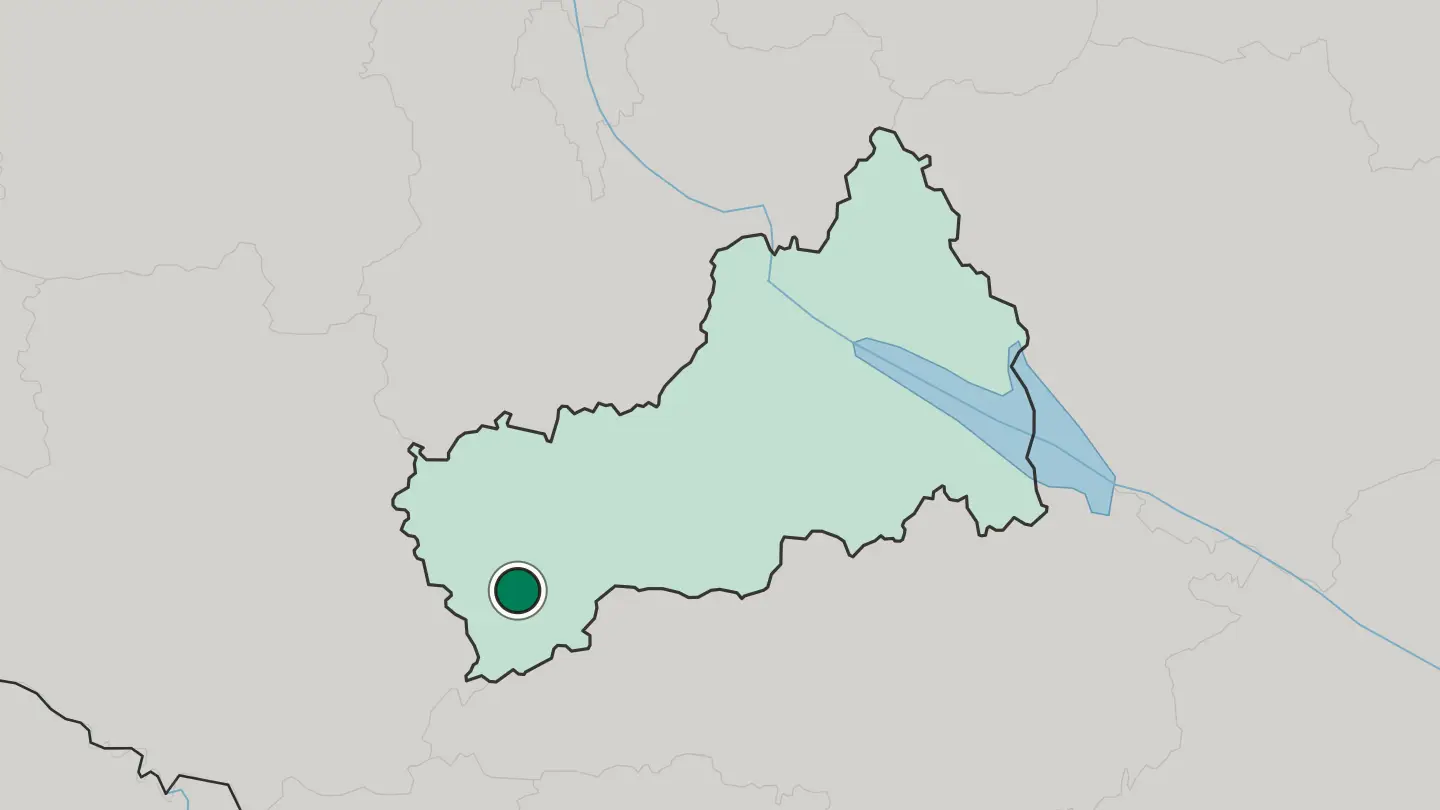
 Ukraine
Smila
Smila stands where the Tyasmyn River crosses the Dnieper Upland, a Cherkasy Oblast city on record since 1542.Where to stay →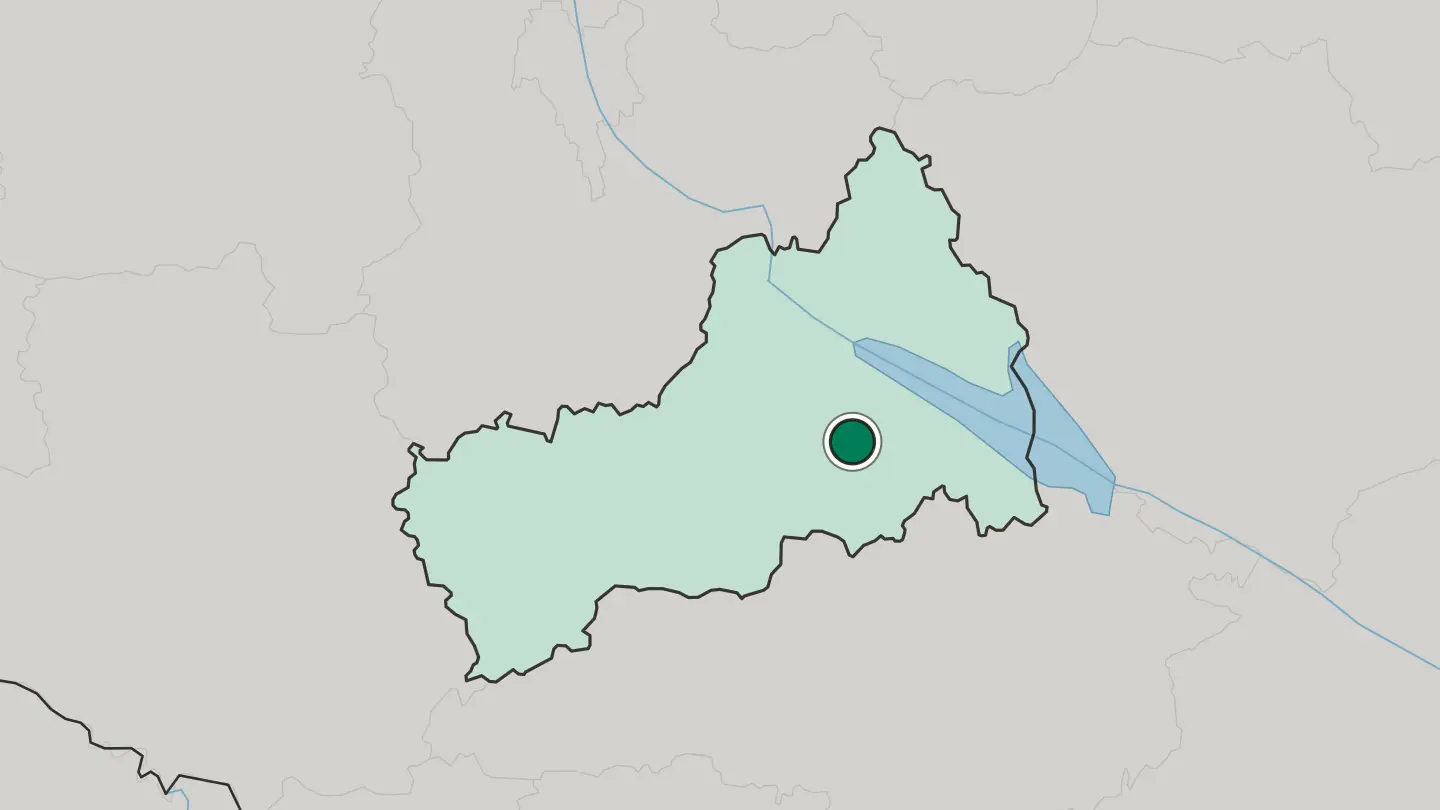
Hotel links are affiliate links: booking through them may earn us a commission, at no extra cost to you. It never affects how places are ranked. How this works
About Cherkasy Oblast
This is Cossack country.
What is Cherkasy Oblast known for?
The oblast was the heartland of Bohdan Khmelnytsky's Hetmanate, and its old capital at Chyhyryn still keeps the museums and the memory of that seventeenth-century state. On the Dnieper at Kaniv stands the grave of Taras Shevchenko, the poet Ukrainians treat as their national conscience. Uman draws a different crowd entirely, with its landscape garden at Sofiyivka Park and the tomb of Rebbe Nachman that pulls Hasidic pilgrims here each autumn.
The capital, Cherkasy, sits on the river between them.
Where is Cherkasy Oblast?
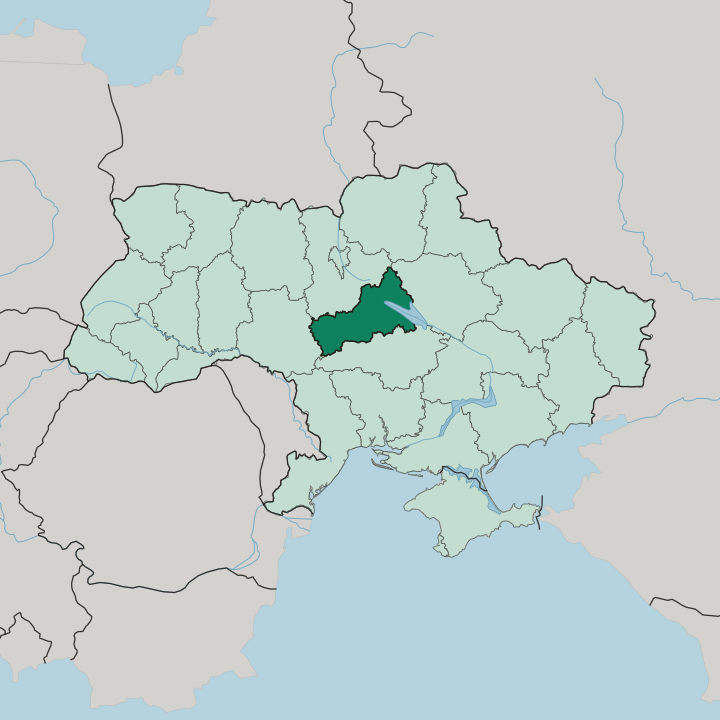
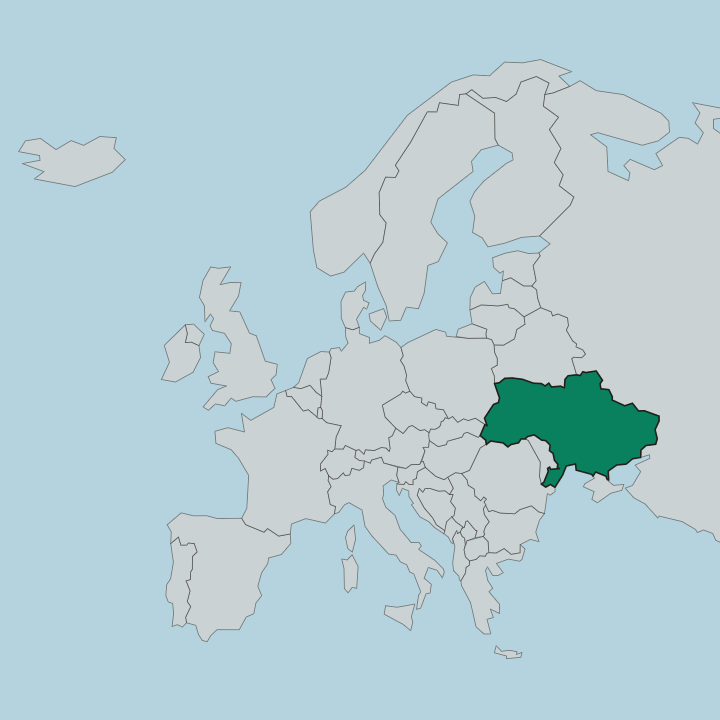
Cherkasy Oblast sits in central Ukraine, straddling the Dnieper as the river bends south through the middle of the country. The water splits the province into two unequal halves that look nothing alike. West of the river, the larger part rises into the Dnieper Upland, an undulating plateau cut by ravines, gullies and small river valleys.
East of it the land drops away flat. That low eastern bank once flooded every spring, until the twentieth-century dams turned the free river into a chain of reservoirs. Two of those reservoirs frame the province.
The Kremenchuk Reservoir, the largest on the whole Dnieper, spreads along the southern reach past the capital at Cherkasy. Upriver, the Kaniv Reservoir runs north toward Kyiv, its dam holding back a lake more than a hundred kilometres long. Between the flooded valley and the wooded uplands, this is forest-steppe country.
Oak, hornbeam, maple and birch stand in the surviving woods, and open grassland fills the gaps where the plough has not. Kyiv Oblast borders the north, Poltava the east across the water, and Kirovohrad and Vinnytsia the south and west. The main cities line up along the river or the western plateau: Cherkasy and Kaniv on the Dnieper itself, Uman out west toward Vinnytsia, Chyhyryn down in the Cossack south.
It is landlocked, riverine, and firmly in the country's centre.
What is Cherkasy Oblast like?
Few corners of Ukraine carry as much national weight. The province was the cradle of the Cossack Hetmanate, and Bohdan Khmelnytsky ran his seventeenth-century state from Chyhyryn, whose fortress hill and museums still anchor the region's sense of itself. That Cossack legend threads through the folk songs, the reenactments and the roadside monuments.
Taras Shevchenko, born a serf not far from here, deepened it: the poet chose to be buried on the Dnieper bank at Kaniv, and his grave on Taras Hill has drawn Ukrainians on secular pilgrimage ever since. A second, older thread runs through Uman. Each autumn tens of thousands of Hasidic pilgrims converge on the tomb of Rebbe Nachman, the founder of Breslov Hasidism, who died in the city in 1810 and asked to be buried there.
For a few weeks the streets fill with prayer and a language the rest of the year never hears. The same town holds Sofiyivka Park, a Romantic landscape garden of grottoes, waterfalls and arched stone bridges laid out at the end of the eighteenth century. Ukrainian is the everyday language across the oblast.
It runs from the market stalls of Cherkasy to the villages of the forest-steppe, and it is the tongue in which Shevchenko wrote the country into being.
What is the history of Cherkasy Oblast?
This land was the engine room of the Cossack revolt. When Bohdan Khmelnytsky rose against Polish rule in 1648, the towns along the Dnieper backed him almost to a man, and he made Chyhyryn the seat of the Zaporozhian Host. For two decades it served as the working capital of the Cossack Hetmanate.
Then it fractured. The state split after 1667, cleaving the right bank from the left along the line of the river, and the two halves drifted under different masters for generations. Only in 1954 did the modern oblast take its present shape, drawn around Cherkasy as administrative centre.
What is the climate of Cherkasy Oblast?
The climate is moderate continental, the ordinary weather of Ukraine's forest-steppe interior. Winters bite. January hovers a handful of degrees below freezing, with snow cover broken by frequent thaws rather than a hard, unbroken freeze.
Summers turn warm and green across the Dnieper Upland, and July settles into the low twenties Celsius with the year's rain spread evenly through the season. Spring and autumn are the gentler bookends. The reservoirs along the Dnieper soften the extremes a little near the water.
How do you get to Cherkasy Oblast?
Most travellers come down from Kyiv. The capital lies about 200 kilometres north, roughly two and a half hours by car or three to four by the direct daily trains into Cherkasy. The oblast has no passenger airport of its own, so flights land in Kyiv and the journey continues overland by rail or bus.
Smila, just west of Cherkasy, is the region's great railway junction, where the Kyiv-Dnipro line crosses the old Odesa route. Cherkasy keeps a small river port on the Dnieper for cargo and tour boats.
Common questions
What is the best area to stay in Cherkasy Oblast?
Cherkasy: a river-view base with the best transport. Uman: the Sofiyivka garden and Uman pilgrimage. Chyhyryn: the Cossack Hetmanate history trail. Kaniv: the Shevchenko grave and Dnieper bank.
Good for
More regions in Ukraine
Updated September 2026