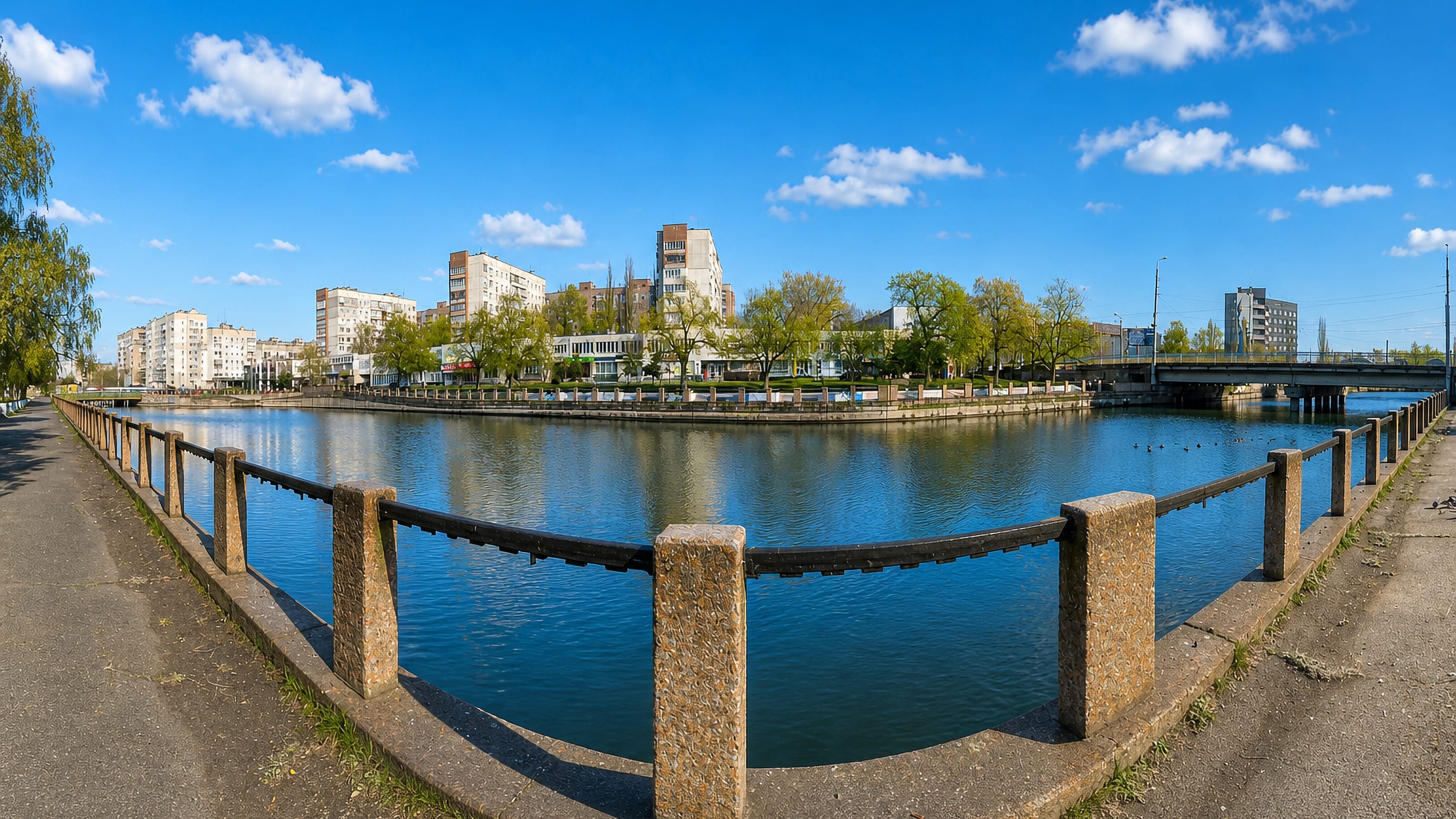
Ukraine · Kirovohrad Oblast
Where to Stay in Kropyvnytskyi, Kirovohrad Oblast
Theatre and music run through Kropyvnytskyi, an inland city in Kirovohrad Oblast, Ukraine, founded in 1754 and once known as Yelisavetgrad.
Hotel links are affiliate links: booking through them may earn us a commission, at no extra cost to you. It never affects how places are ranked. How this works


Where to stay in Kropyvnytskyi
Where visitors usually base themselves, and why.
Kropyvnytskyi centres on a compact old core where the museums, churches, and civic buildings sit close together. Around the Kropyvnytskyi City Hall the streets hold the Kirovohrad Museum of Local Studies and History and the Kirovograd Regional Art Museum, so a central base keeps most of the sights on foot. Stay in the centre first.
The Intercession of the Theotokos church and the Bohdan Khmelnytsky monument stand within the same quarter, and the walkable heart of the city ties them loosely together. The streets near Arkhitektora Pauchenka Street preserve the older houses of the Yelisavetgrad-era town, a good address for travellers drawn to its architecture. If music and theatre bring you here, base close to the Marko Kropyvnytskyi Memorial Museum and the museum of Heinrich Neuhaus, both set among the central blocks.
Quieter nights lie further out. The residential districts spreading from the core trade the busy centre for calm, while the streets around the city hall and the art museum stay the simplest choice for a first stay in Kropyvnytskyi.
Find hotels in Kropyvnytskyi
Direct booking searches for these neighbourhoods.
City Hall centre
The core around Kropyvnytskyi City Hall gathers the regional art museum and the local studies museum within a short walk.Find hotels in City Hall centreHistoric architecture staysPauchenka Street old quarter
Arkhitektora Pauchenka Street keeps the older houses of the Yelisavetgrad-era town of Kropyvnytskyi.Find hotels in Pauchenka Street old quarterHotel links are affiliate links: booking through them may earn us a commission, at no extra cost to you. It never affects how places are ranked. How this works
Things to do in Kropyvnytskyi
Ranked by global recognition; descriptions from Wikidata (CC0).
Museums & Galleries
3- Ivan Karpenko-Karyi Memorial Museum Heritage
- Kirovograd Regional Art Museum
- Kirovohrad Museum of Local Studies and History
Churches & Religious Sites
2- Intercession of the Theotokos church, Kropyvnytskyi Heritage
- Saint Volodymyr the Great church, Kropyvnytskyi Heritage
Castles & Historic Sites
8- Bohdan Khmelnytsky monument Heritage
- Monument to Soviet soldiers-internationalists in Kropyvnytskyi Heritage
- Monument to Soviet soldiers-liberators on Shevchenka Street, Kropyvnytskyi Heritage
- Monument of Lenin in Kropyvnytskyi Heritage
- Sorrowful Motherland monument in Kropyvnytskyi Heritage
Show 3 more →
- Labour Glory monument, Kropyvnytskyi Heritage
- Monument to the Jews, killed by Nazis in Kropyvnytskyi Heritage
- Monument to Soviet soldiers-liberators in Kropyvnytskyi Heritage
Landmarks & Notable Places
2- 40 Arkhitektora Pauchenka Street, Kropyvnytskyi Heritage
- Kropyvnytskyi City Hall Heritage
worth knowingacross 4 categories in Kropyvnytskyi
About Kropyvnytskyi
What is Kropyvnytskyi known for?
Kropyvnytskyi is known as a cradle of Ukrainian theatre and music, an inland city that carries the names of its stage founders. Culture defines it. The Marko Kropyvnytskyi Memorial Museum and the Ivan Karpenko-Karyi Memorial Museum honour the dramatists after whom the city and its heritage are named.
Ukrainian is the language spoken here. Music has deep roots too, kept in the Karol Szymanowski museum of musical culture and the museum of Heinrich Neuhaus, both born of the old town.
What are the main landmarks in Kropyvnytskyi?
Kropyvnytskyi gathers its landmarks around theatre, music, and faith. The Marko Kropyvnytskyi Memorial Museum and the Ivan Karpenko-Karyi Memorial Museum honour the city's stage founders. Museums fill the centre.
The Kirovograd Regional Art Museum, the Kirovohrad Museum of Local Studies and History, and the memorial museum of Oleksandr Osmerkin hold the civic collections, while the Intercession of the Theotokos church and the Saint Volodymyr the Great church mark the skyline above the Kropyvnytskyi City Hall.
What is the history of Kropyvnytskyi?
Kropyvnytskyi was founded in 1754 as a fortress town on the inland steppe, long known under the name Yelisavetgrad. A fort came first. From that garrison origin the town grew into a market and cultural centre, and in the following century it became a birthplace of professional Ukrainian theatre.
The Marko Kropyvnytskyi Memorial Museum and the Ivan Karpenko-Karyi Memorial Museum keep the memory of the dramatists whose troupe made the town famous, one of whom later gave the city its current name. A mixed population lived here through its long history, a story recorded across its museums and monuments. The Jewish community of the old town is remembered in a dedicated history museum and in the Monument to the Jews, killed by Nazis in Kropyvnytskyi, a mark of the twentieth century's hard years.
Music deepened the town's culture as well. Both the museum of Heinrich Neuhaus and the Karol Szymanowski museum of musical culture honour figures whose work rose from this ground, binding Kropyvnytskyi to the wider musical life of the region.
Where is Kropyvnytskyi?
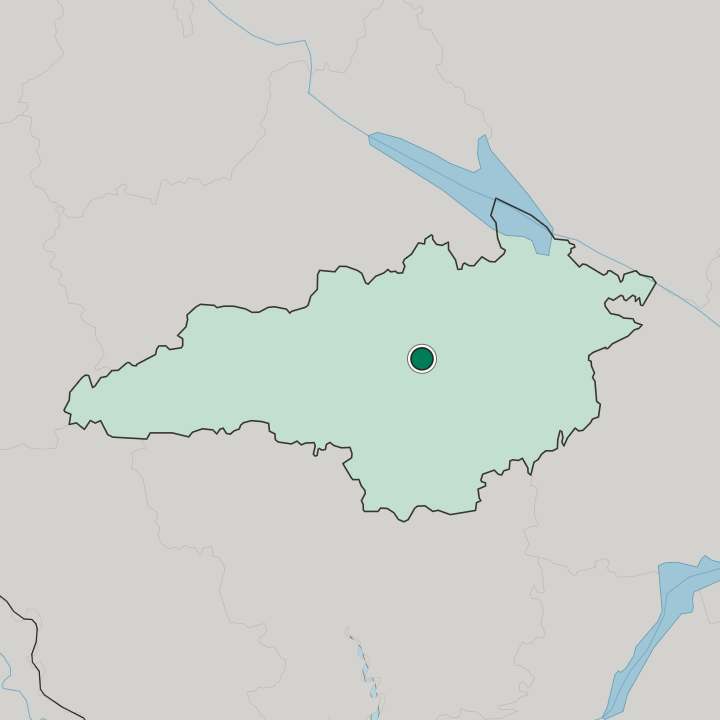
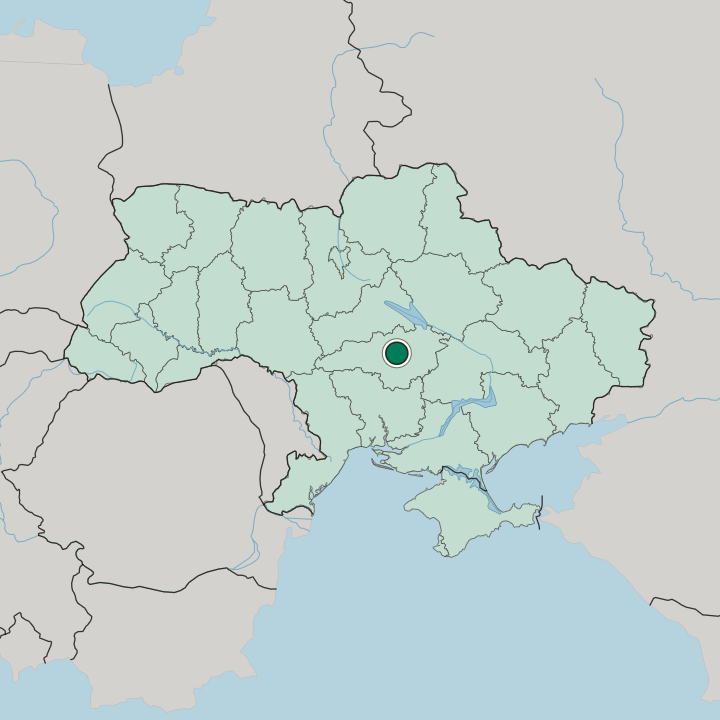
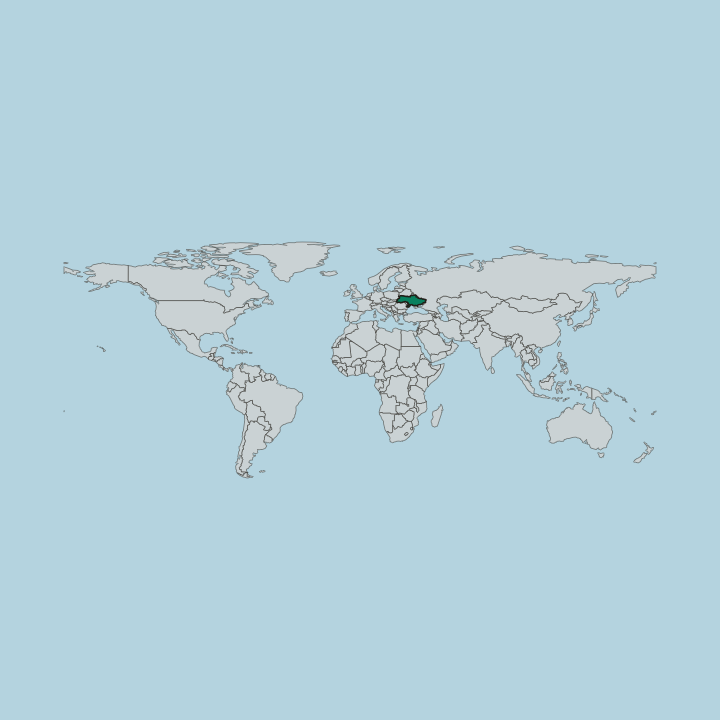
Kropyvnytskyi lies on the inland steppe in the region of Kirovohrad Oblast, which it serves as the administrative centre. Open, rolling land surrounds it. Far from any coast, the city occupies the ground between the great river systems of the interior, where flat farmland stretches out around the built-up core.
The Kropyvnytskyi City Hall and the Intercession of the Theotokos church rise from the old centre above the surrounding plain.
What is the climate of Kropyvnytskyi?
Kropyvnytskyi has a continental climate shaped by its inland place on the steppe. Winters bring cold. Snow and frost hold the open ground for long stretches, and the wind crosses the flat land with little to break it.
Summers turn hot and often dry, with long light over the fields that surround the town and the old streets around the Kropyvnytskyi City Hall. Spring and autumn move quickly between the two extremes.
How do you get to Kropyvnytskyi?
Kropyvnytskyi sits on the road and rail routes that cross the interior, as the seat of Kirovohrad Oblast. Trains reach the city. Rail lines connect it across the oblast and toward larger cities, while highways run through the steppe on the way between the regions of central Ukraine.
Long a market centre on the plain, Kropyvnytskyi has always drawn its links from the open roads that fan out across the surrounding farmland.
Common questions
What is the best area to stay in Kropyvnytskyi?
City Hall centre: Museum-and-theatre stays. Pauchenka Street old quarter: Historic architecture stays.
Good for
Another city in Kirovohrad Oblast
Updated September 2026