Ukraine
Kirovohrad Oblast, Ukraine — Towns & Travel Guide
Kirovohrad Oblast sits at the geographic centre of Ukraine, spread across the black-earth uplands between the Dnieper and the Southern Bug.
Hotel links are affiliate links: booking through them may earn us a commission, at no extra cost to you. It never affects how places are ranked. How this works


Towns & cities in Kirovohrad Oblast
Pick a town or city — each links to where to stay.
 Ukraine
Kropyvnytskyi
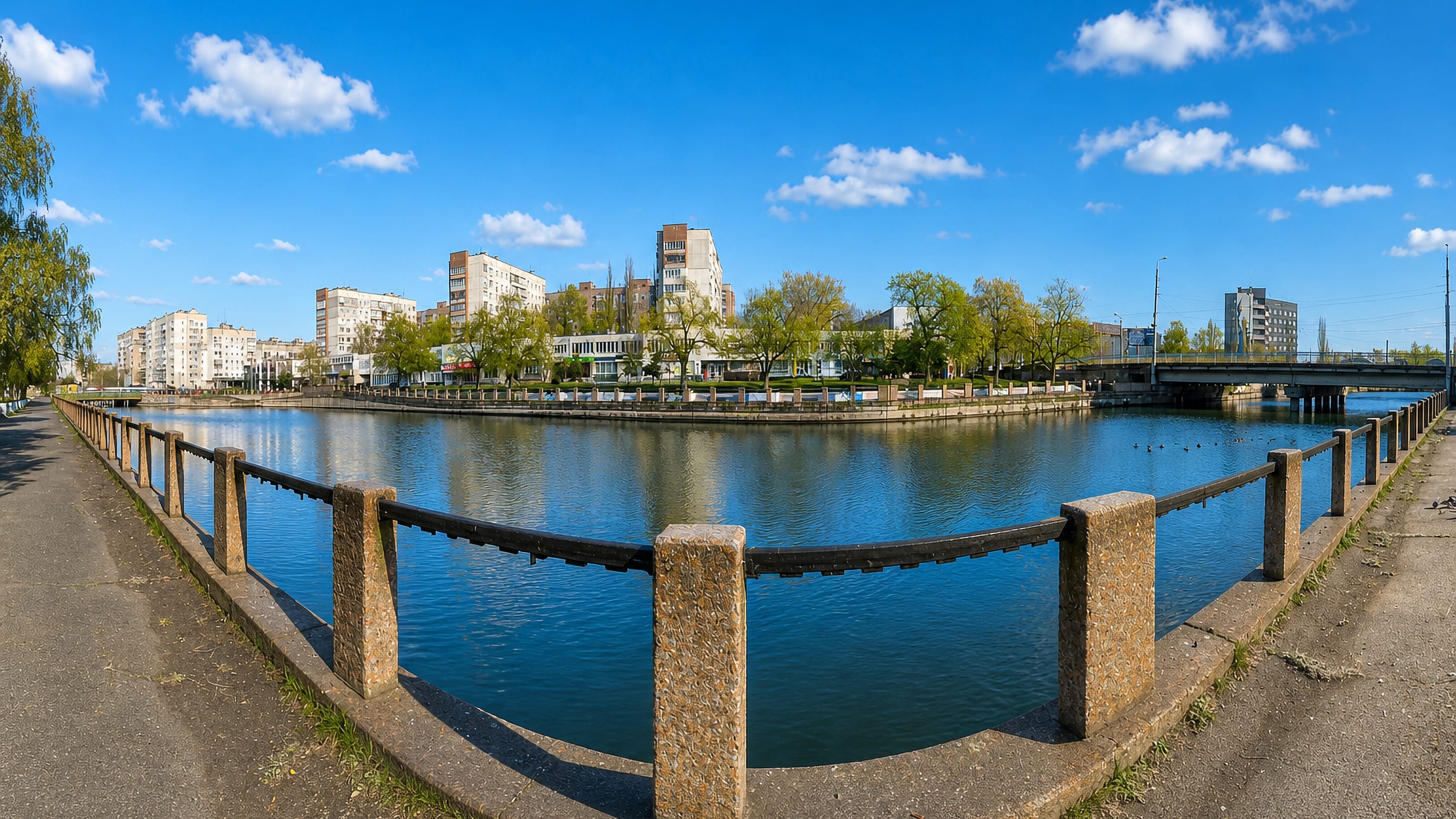
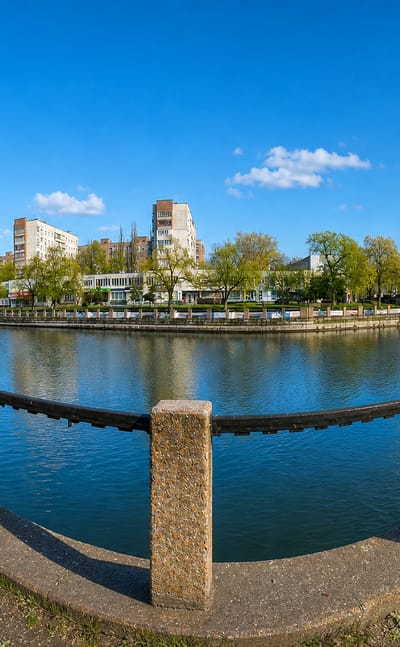
Theatre and music run through Kropyvnytskyi, an inland city in Kirovohrad Oblast, Ukraine, founded in 1754 and once known as Yelisavetgrad.Where to stay →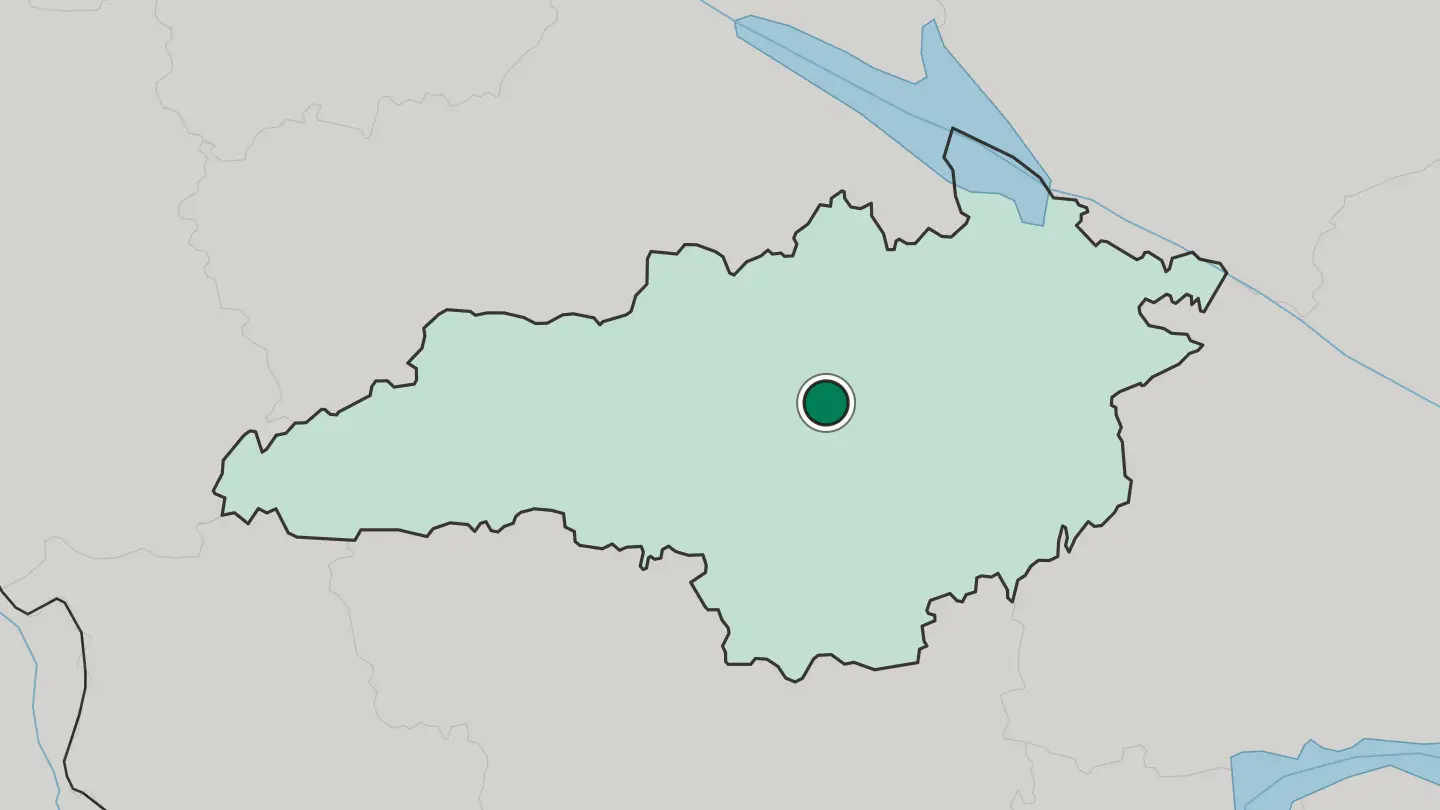 Ukraine
Oleksandriya
Oleksandriya dates from 1754 and heads Oleksandriia Raion in Kirovohrad Oblast, with thirteen listed houses along Dibrovy Street alone.Where to stay →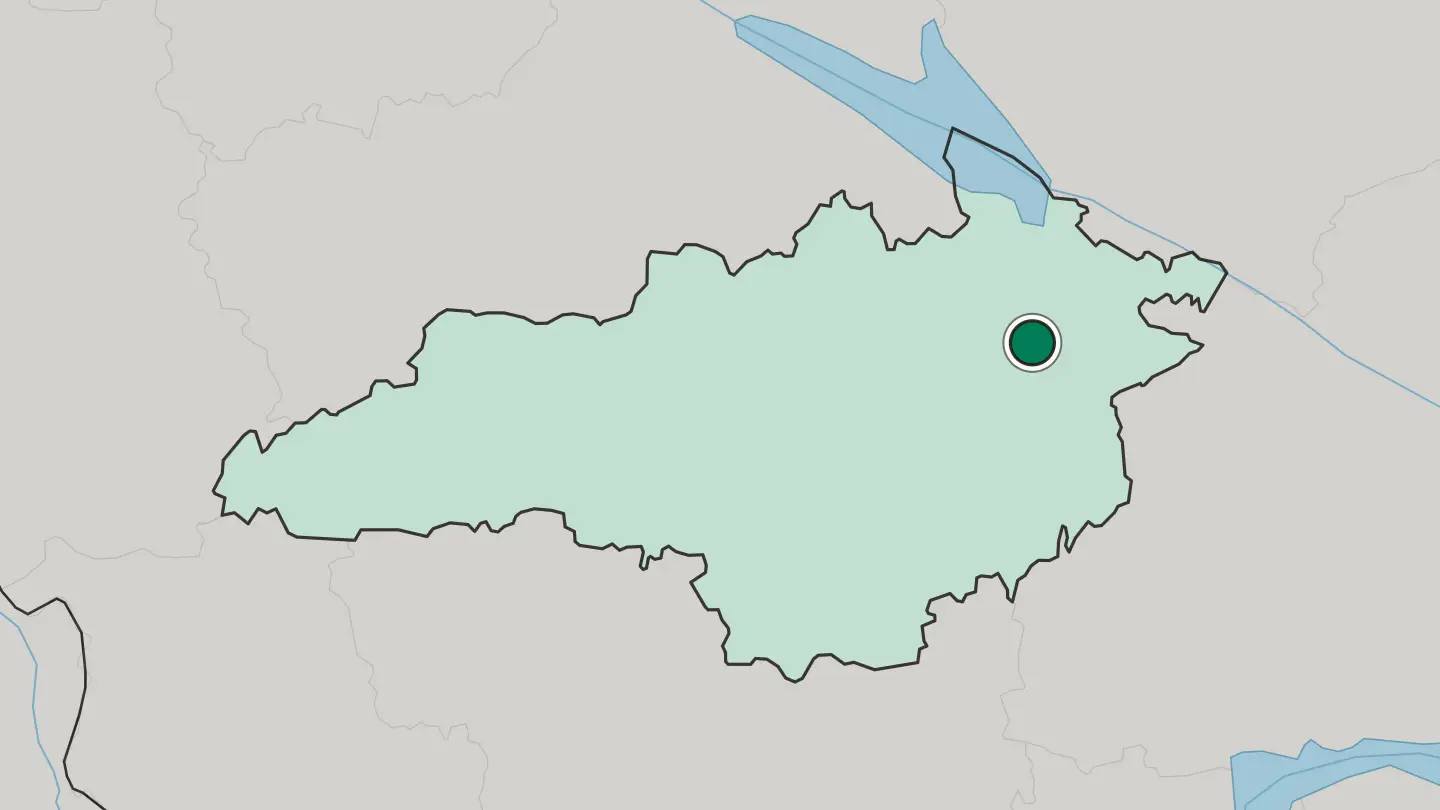
Hotel links are affiliate links: booking through them may earn us a commission, at no extra cost to you. It never affects how places are ranked. How this works
About Kirovohrad Oblast
What is Kirovohrad Oblast known for?
This is central Ukraine's farm country. Deep chernozem, the region's famous black soil, spreads across the Dnieper Upland and feeds a landscape of wheat and sunflower. Its administrative centre, Kropyvnytskyi, gave Ukrainian theatre its first professional stage, and the surrounding countryside is dotted with the farmsteads and playwrights' memory that grew from it.
The oblast is quiet, agricultural, and firmly inland, with the Inhul threading south through the middle of it.
Where is Kirovohrad Oblast?
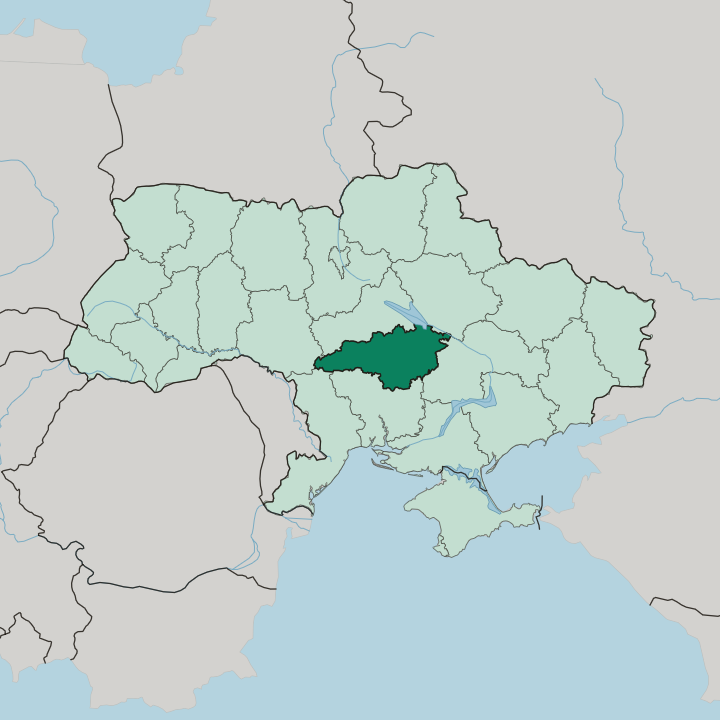
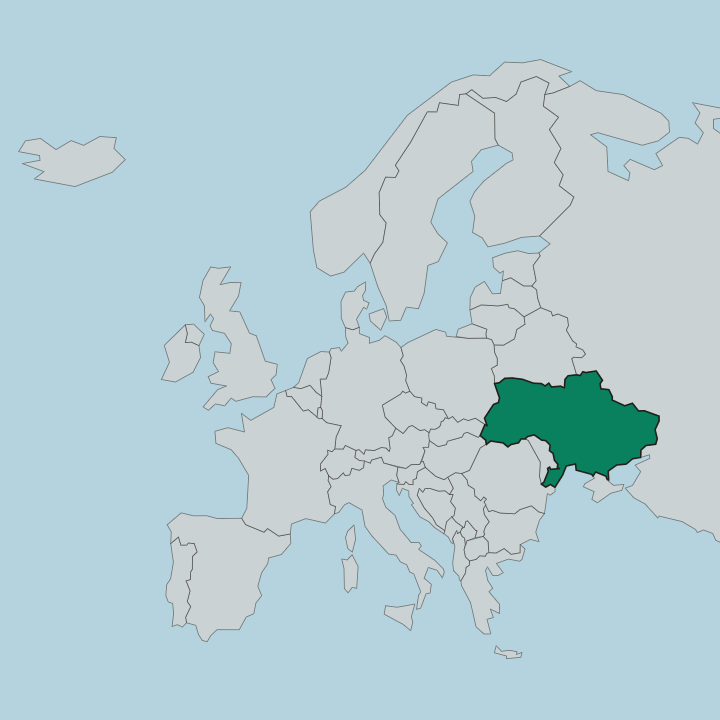
Kirovohrad Oblast lies in the middle of Ukraine, on the southern shoulder of the Dnieper Upland. It is landlocked on every side. The oblast stretches far wider than it is tall, running well over three hundred kilometres from its western edge to the Dnieper in the east while measuring under half that from north to south.
Two of Ukraine's great rivers frame it: the Dnieper closes off the eastern boundary, and the Southern Bug drains the west, so the whole region tilts between the two basins. The Inhul rises here near the oblast centre and runs south out of it toward the Black Sea coast far beyond the borders. The Inhulets flows past Oleksandriia in the east.
Between the rivers spreads the chernozem, the deep black soil that makes this some of the most productive farmland in the country. The town of Dobrovelychkivka in the south-west marks the calculated geographic centre of the whole of Ukraine. Kropyvnytskyi sits close to the middle of the oblast, on the Inhul.
Where the Dnieper meets the eastern edge, the river spreads into the Kremenchuk Reservoir, the one broad sheet of open water in a region otherwise given over to fields and low rolling upland.
What is Kirovohrad Oblast like?
This is the cradle of the Ukrainian stage. In 1882, in what was then called Yelysavethrad, Marko Kropyvnytskyi assembled the first professional Ukrainian-language theatre troupe, staging plays in a language the empire had tried hard to keep off the boards. The city carries his name now.
Around him worked a circle of writers and actors who became the founders of a national dramatic tradition, and the memory of that circle still shapes how the region sees itself. Ivan Karpenko-Karyi, the great playwright of the same generation, kept a farmstead outside the city; his Khutir Nadiia is preserved as a museum among the fields where he wrote. The countryside is Cossack ground underneath the theatre.
Long before the fortress and the playwrights, these were the lands of the Zaporozhian Sich, and the old frontier past sits close under the surface of the villages. Away from Kropyvnytskyi, life runs to the rhythm of the harvest across the black earth. The language spoken across the oblast is Ukrainian, and it is spoken here with particular pride, since this is where it first claimed a stage of its own.
What is the history of Kirovohrad Oblast?
It began with a fort. In 1754 the Russian Empire raised the Fortress of St Elizabeth on the upper Inhul, on former Zaporozhian Cossack land, and the town of Yelysavethrad grew up around its star-shaped ramparts to guard the southern frontier against Ottoman and Crimean raids. Railways reached the town in the 1860s, tying it to Odessa and the ports, and it became a lively provincial centre and the seat of Ukrainian theatre.
The oblast itself was drawn up as an administrative unit in 1939. Its centre was renamed several times before settling on Kropyvnytskyi in 2016.
What is the climate of Kirovohrad Oblast?
Kirovohrad Oblast has a temperate continental climate, well inland from any sea. Summers run warm and dry. July is the hottest stretch, and drought is a recurring worry for the farmers working the chernozem across the open uplands between the Dnieper and the Southern Bug.
Winters are relatively mild for the interior, cold enough for frost but broken by frequent thaws rather than locked under deep snow. The dry late summer is what the harvest turns on.
How do you get to Kirovohrad Oblast?
Arrival in Kirovohrad Oblast is by land. Sitting in the middle of Ukraine with no coast and no border of its own, it is knitted into the country by rail and road rather than by any port of entry. The rail lines that first arrived in the 1860s still run through Kropyvnytskyi and the junction town of Znamianka, linking the oblast toward Odessa, Kharkiv and the Dnieper cities.
Roads cross the black-earth plain between the same centres. Svitlovodsk, on the Kremenchuk Reservoir, connects to the river traffic of the Dnieper.
Common questions
What is the best area to stay in Kirovohrad Oblast?
Kropyvnytskyi: the theatre town on the Inhul. Oleksandriia: the coal-country east. The Dnieper shore at Svitlovodsk: the reservoir shore.
More regions in Ukraine
Updated September 2026