Ukraine · Odeska Oblast
Where to Stay in Odesa, Odeska Oblast
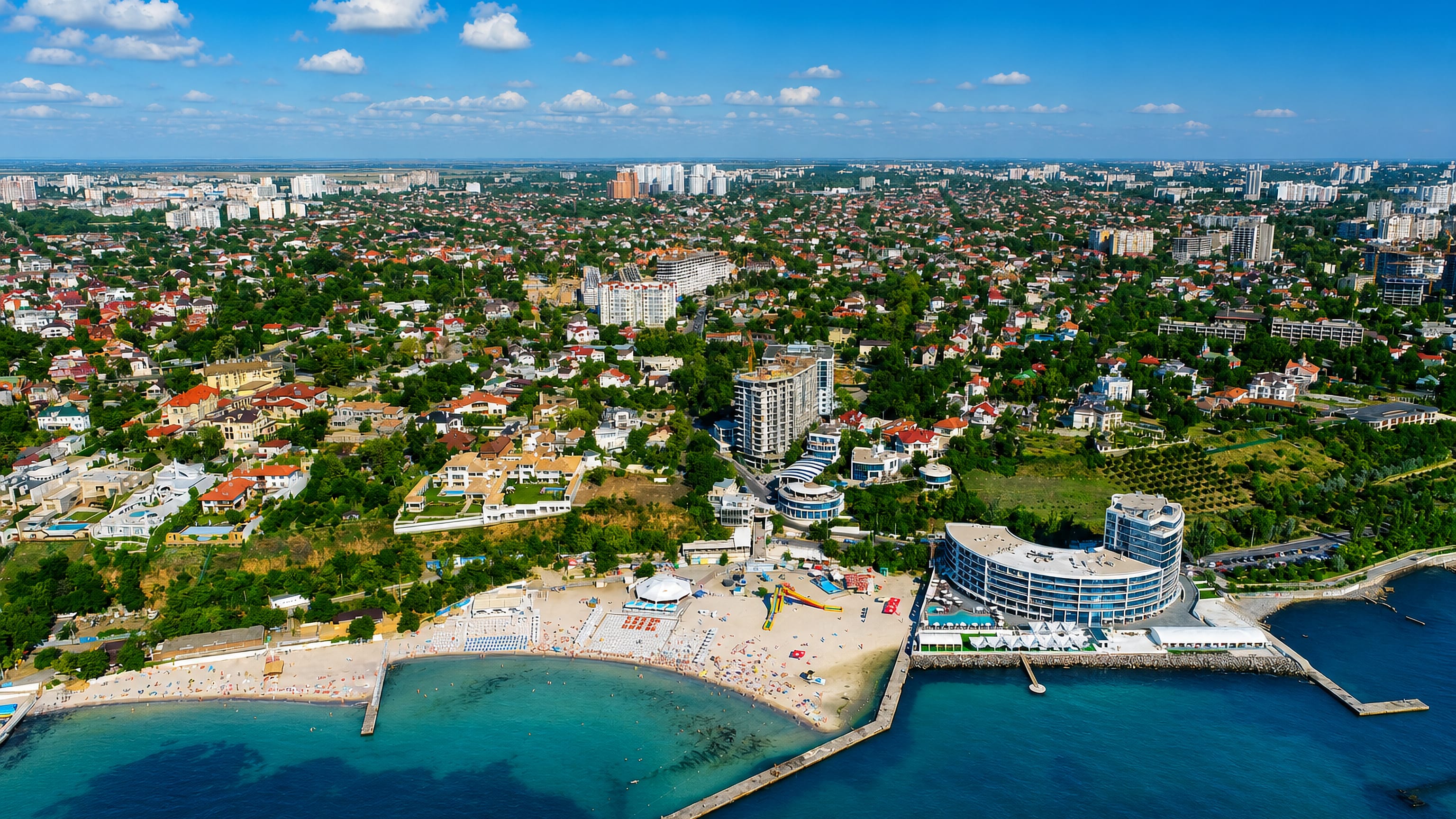
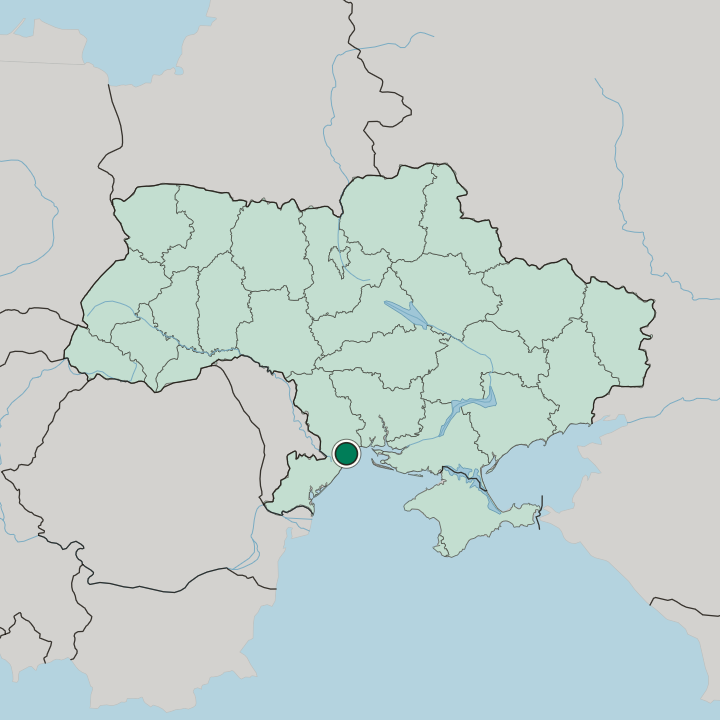
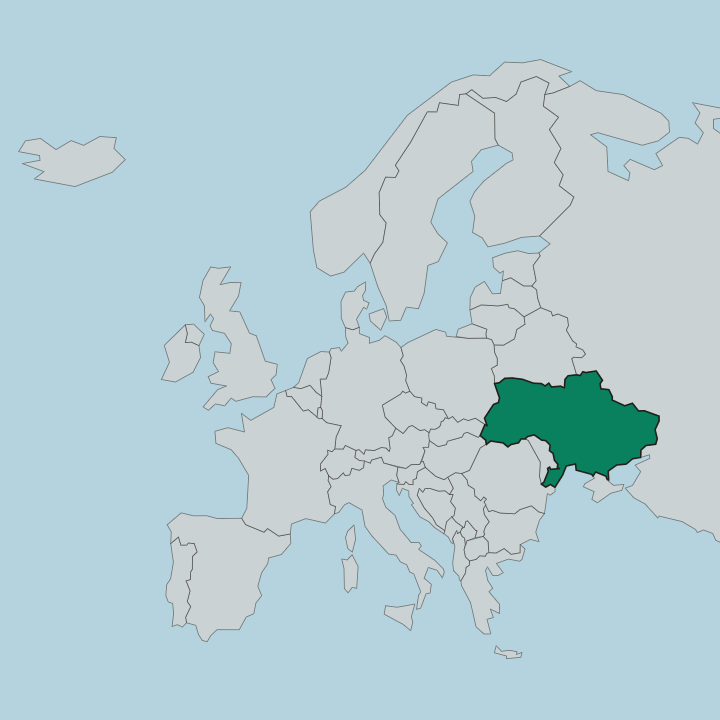
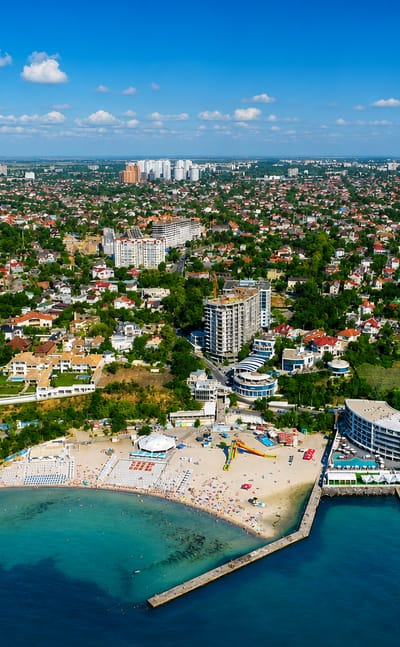
Odesa is a Black Sea port in the south-west of Ukraine, capital of Odeska Oblast, known for its grid old town and the Transfiguration Cathedral.
Hotel links are affiliate links: booking through them may earn us a commission, at no extra cost to you. It never affects how places are ranked. How this works


Where to stay in Odesa
Where you base yourself shapes the visit — here's the character of each area.
 OdesaUkraine
Peresyp
Peresyp is a district of Odesa on the sand and shell spit that separates the Khadzhibey and Kuyalnyk estuaries from the Black Sea.Where to stay →OdesaUkraineLuzanivka
Luzanivka is an old quarter on the outskirts of Odesa, Ukraine, a district of Odeska Oblast settled around 1700.Where to stay →Hotel links are affiliate links: booking through them may earn us a commission, at no extra cost to you. It never affects how places are ranked. How this works
Find hotels in Odesa
Direct booking searches for these neighbourhoods.
The old grid centre
The early-19th-century grid core of Odesa around the Transfiguration Cathedral and the Odesa Fine Arts Museum, walkable to the seafront.Find hotels in The old grid centrethe clifftop promenade over the harbourThe seafront above the port
The waterfront terrace where the Statue of the Duc de Richelieu and the Monument to the unknown sailor look out over the port of Odesa.Find hotels in The seafront above the porta quieter stay near the galleriesThe museum streets
The calmer inner blocks of Odesa around the Odesa Archeological Museum and the Odesa Museum of Western and Eastern Art.Find hotels in The museum streetsHotel links are affiliate links: booking through them may earn us a commission, at no extra cost to you. It never affects how places are ranked. How this works
Things to do in Odesa
Ranked by global recognition; descriptions from Wikidata (CC0).
Museums & Galleries
3- Odesa Fine Arts Museum
- Odesa Archeological Museum
- Odesa Museum of Western and Eastern Art
Churches & Religious Sites
7- Transfiguration Cathedral Heritage
- The Dormition Cathedral Heritage
- St. Paul Cathedral Heritage
- Assumption of the Blessed Virgin Mary Cathedral, Odesa Heritage
- Holy Trinity Cathedral Heritage
Show 2 more →
- St. Peter church in Odesa Heritage
- Saint Pantaleon Church and Monastery in Odesa Heritage
Castles & Historic Sites
5- Statue of the Duc de Richelieu in Odesa Heritage
- Bust of Pushkin in Odesa Heritage
- Monument to the unknown sailor Heritage
- Statue of Graf Vorontsov, Odesa Heritage
- Пам'ятник льотчику-космонавту Г. Т. Добровольському Heritage
worth knowingacross 3 categories in Odesa
About Odesa
What is Odesa known for?
Odesa is known as Ukraine's great port on the Black Sea. Odesa's old town is the heart of it. The historic centre, laid out on a grid in the early 19th century, is a UNESCO World Heritage Site, its streets lined with churches, galleries, and museums above the harbour.
The Transfiguration Cathedral rises at its core. Beaches, opera, and sea air have long drawn visitors to the city.
What are the main landmarks in Odesa?
Odesa keeps a dense set of monuments in its old town. Chief among them is the Transfiguration Cathedral. Along the seafront, the Statue of the Duc de Richelieu and the Monument to the unknown sailor stand above the harbour, while the Bust of Pushkin marks the poet's time in the city.
Galleries fill the centre. The Odesa Fine Arts Museum, the Odesa Archeological Museum, and the Holocaust Museum in Odesa hold the city's major collections.
What is the history of Odesa?
Odesa grew as a Black Sea port on the northwestern shore of the sea. Its rise came late. The modern city was laid out on a grid in the early 19th century, and it quickly became a great harbour and a multiethnic centre where many peoples settled and traded together on the coast.
The port made the city. Trade poured through it, and grand cathedrals, boulevards, and theatres rose along the streets above the water. The young city honoured its builders in bronze.
Monuments still mark them. The Statue of the Duc de Richelieu looks out from the seafront, the Statue of Graf Vorontsov stands in the centre, and the Bust of Pushkin recalls the years the poet spent here by the Black Sea. Faith and learning left their marks too.
The Transfiguration Cathedral and the Holy Trinity Cathedral rose among the churches, while the Odesa Archeological Museum and the Holocaust Museum in Odesa keep the deeper history of the coast. In time the historic centre of Odesa was inscribed as a UNESCO World Heritage Site.
Where is Odesa?
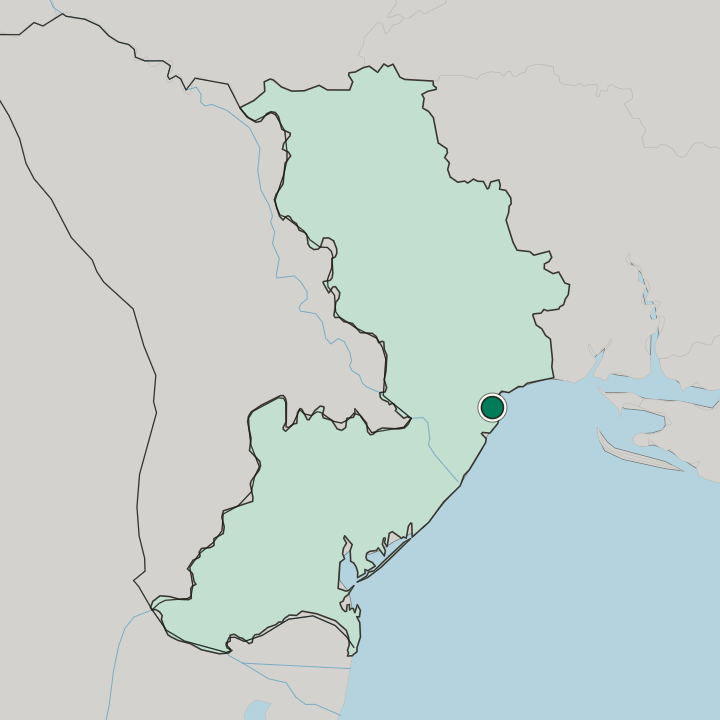
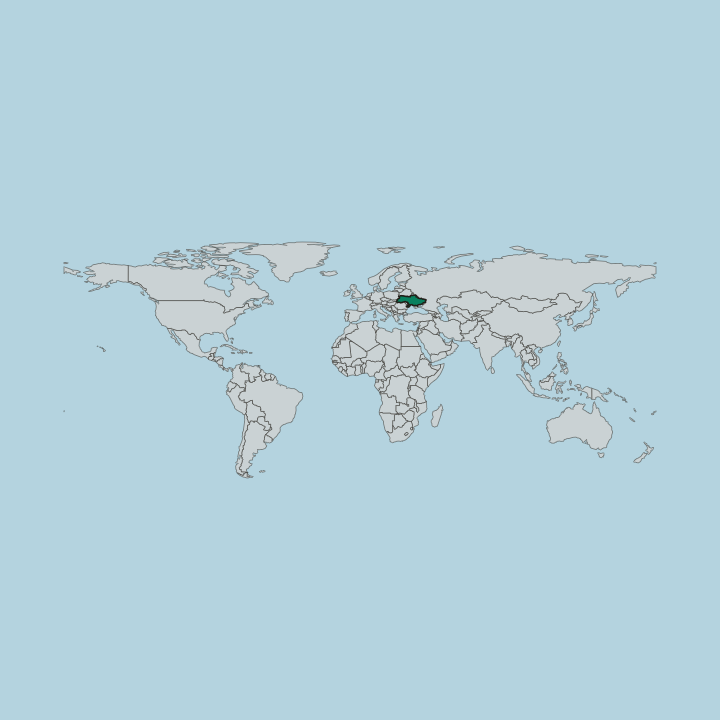
Odesa lies on the northwestern shore of the Black Sea, in the south-west of Ukraine. The city sits above the water. Its old town spreads along a low plateau that drops to the port in bluffs and stairways, so the grid streets end at the edge of the sea, looking out over the harbour and the open Black Sea.
The coast runs flat beyond it. Odesa is the capital of Odeska Oblast, the largest city on this stretch of the Ukrainian coast.
What is the climate of Odesa?
Odesa has a mild, temperate climate shaped by the Black Sea. Summers are long, warm, and dry. The sea holds the winters gentler than the steppe inland, and sea breezes cool the grid streets and the seafront through the hottest months of the year.
Snow is light and brief. The Black Sea keeps the air soft.
How do you get to Odesa?
Odesa is a major seaport and transport hub on the Black Sea coast of Ukraine. Ships, trains, and roads meet here. The harbour handles sea traffic, rail lines run inland across Odeska Oblast, and the city's airport links the coast to the rest of Ukraine and abroad.
It is the main point of arrival on the coast. Travel toward Moldova or Romania often passes through Odesa.
Common questions
What is the best area to stay in Odesa?
The old grid centre: a first stay in the historic old town. The seafront above the port: the clifftop promenade over the harbour. The museum streets: a quieter stay near the galleries.
Good for
More cities in Odeska Oblast
Updated October 2026