Ukraine · Poltava Oblast
Where to Stay in Poltava, Poltava Oblast
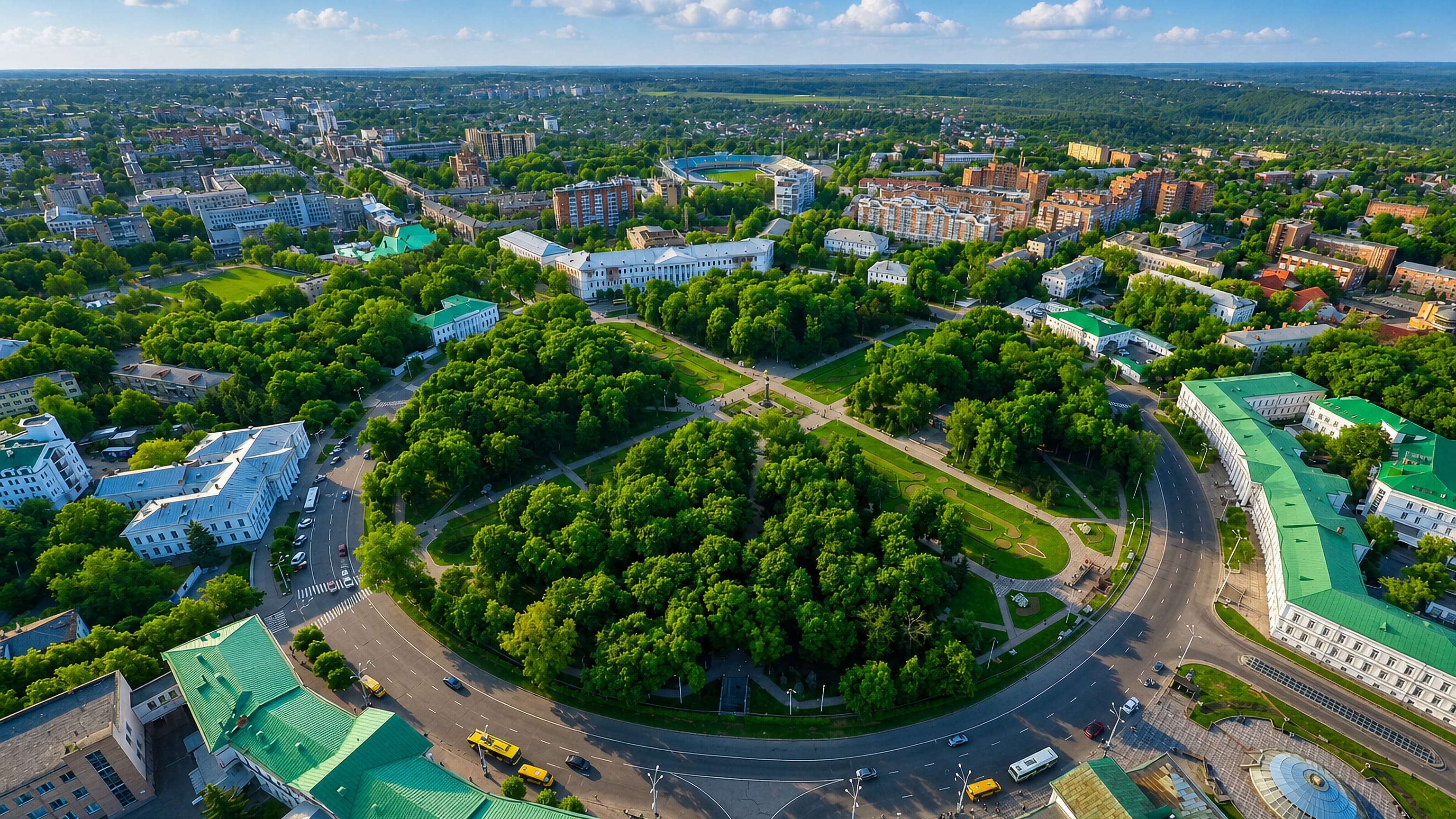
White churches climb the hills of Poltava, a historic city in Poltava Oblast, Ukraine, known for the Poltava Battle Field and the Dormition Cathedral.
Hotel links are affiliate links: booking through them may earn us a commission, at no extra cost to you. It never affects how places are ranked. How this works


Where to stay in Poltava
How the choice of base plays out on the ground.
Poltava rises across a set of hills, and its centre gathers the museums, churches, and monuments that draw most visitors. The core around Sobornosti Street lines up the city's grandest addresses, from the Poltava Zemstvo building to the ornate former Russian Peasant Bank, and staying here puts the Poltava Art Museum and the Local History Museum within an easy walk. Choose the centre first.
The Dormition Cathedral and the Bust of Ivan Kotlyarevsky mark the historic squares nearby, and the whole quarter holds its heritage tight. Away from the centre, the ground toward the Monastery of the Holy Cross offers a quieter, greener perch above the town. If literary Poltava is your reason to visit, base near the Korolenko literary museum and the Literature museum of Ivan Kotliarevskyi, both set among the older streets.
Peace comes easily on the slopes. The Poltava Battle Field lies out beyond the built-up city, so travellers set on that heritage often keep a car, while the walkable core around Sobornosti Street stays the practical choice for a first stay.
Find hotels in Poltava
Direct booking searches for these neighbourhoods.
Sobornosti Street centre
Sobornosti Street lines up the Poltava Zemstvo building, the Art Museum, and the former Russian Peasant Bank in a walkable core.Find hotels in Sobornosti Street centreQuieter hilltop staysMonastery slopes
The ground rising toward the Monastery of the Holy Cross gives a greener perch above the museum streets of Poltava.Find hotels in Monastery slopesHotel links are affiliate links: booking through them may earn us a commission, at no extra cost to you. It never affects how places are ranked. How this works
Things to do in Poltava
Ranked by global recognition; descriptions from Wikidata (CC0).
Museums & Galleries
2- Memorial Complex of I.P.Kotlyarevsky
- Poltava Art Museum
Churches & Religious Sites
3- Monastery of the Holy Cross Heritage
- Church of the Transfiguration, Poltava Heritage
- Dormition Cathedral, Poltava
Castles & Historic Sites
6- Poltava Dumplings Monument Heritage
- Bust of Ivan Kotlyarevsky in Poltava Heritage
- Statue of Ivan Mazepa, Poltava Heritage
- Marusia Churai Memorial Heritage
- Rest Place of Peter I in Poltava Heritage
Show 1 more →
- Monument to defenders of Poltava and the commandant of the fortress A.S. Kelin Heritage
Landmarks & Notable Places
6- Poltava Zemstvo building Heritage
- Poltava Russian Peasant Bank Heritage
- 36 Sobornosti Street, Poltava Heritage
- 35 Sobornosti Street, Poltava Heritage
- 37 Sobornosti Street, Poltava Heritage
Show 1 more →
- 40 Sobornosti Street, Poltava Heritage
worth knowingacross 4 categories in Poltava
About Poltava
What is Poltava known for?
Poltava is known for its place in Ukrainian history and letters, a city of monuments, museums, and old churches. The Poltava Battle Field records the great fight fought outside the city. Literature runs deep here, marked by the Bust of Ivan Kotlyarevsky and the Panas Myrny Museum.
Ukrainian is the language of its streets. The Dormition Cathedral and the Monastery of the Holy Cross crown its hills, and the Poltava Dumplings Monument gives the city a lighter emblem.
What are the main landmarks in Poltava?
Poltava carries a dense set of landmarks across its hills. The Dormition Cathedral, the Monastery of the Holy Cross, and the Church of the Transfiguration hold the religious heritage. The Poltava Art Museum and the Local History Museum keep the civic collections.
Monuments abound. The Bust of Ivan Kotlyarevsky, the Statue of Ivan Mazepa, and the Marusia Churai Memorial honour figures of Ukrainian culture, while the Poltava Battle Field and the Glory monument in Poltava mark the city's military past.
What is the history of Poltava?
Poltava carries one of the heavier historical weights in Ukraine. A fortress once guarded its hills. The Poltava fortress and the Monument to defenders of Poltava and the commandant of the fortress A.S.
Kelin remember the fortified town that stood on this ground, and the Poltava Battle Field beyond the city commemorates the great battle fought at its walls. That fight left the Rest Place of Peter I in Poltava among the sites tied to the campaign. Beyond war, Poltava grew into a centre of Ukrainian letters and civic life.
The Bust of Ivan Kotlyarevsky and the Literature museum of Ivan Kotliarevskyi honour the writer whose work helped shape modern Ukrainian literature, and the Panas Myrny Museum and the Korolenko literary museum keep the memory of later authors who lived in the city. Imperial-era architecture followed. The Poltava Zemstvo building and the former Russian Peasant Bank record the town's rise as an administrative seat, and the Statue of Ivan Mazepa marks a name long bound to this land.
Where is Poltava?
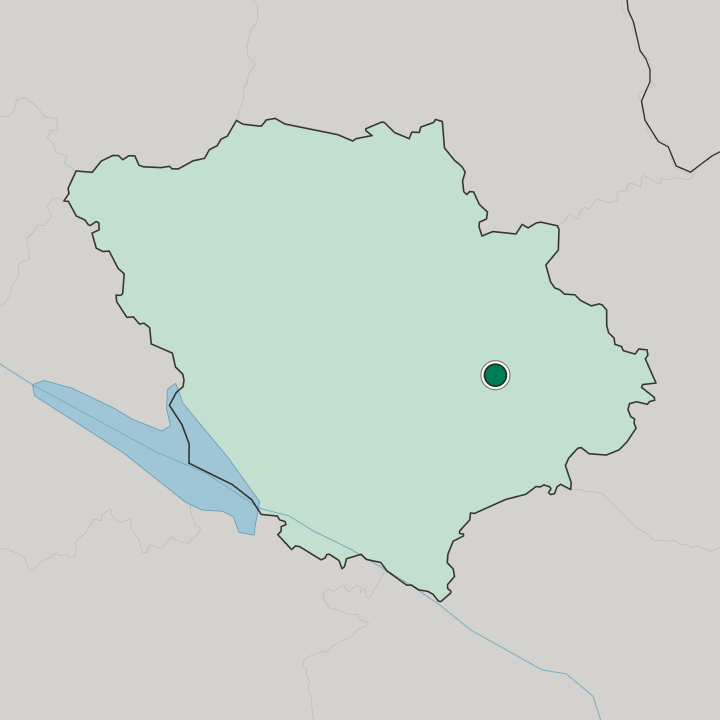
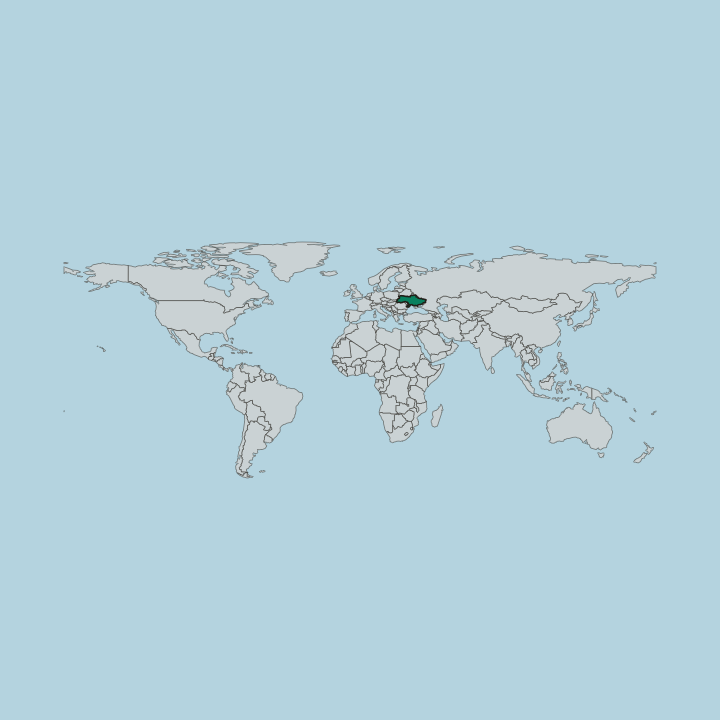
Poltava stands on a set of hills in the region of Poltava Oblast, which it serves as the administrative centre. The land rolls in low ridges here. The old town crowns the higher ground, where the Dormition Cathedral and the Monastery of the Holy Cross look out over the surrounding country, and the streets step down the slopes toward the plain below.
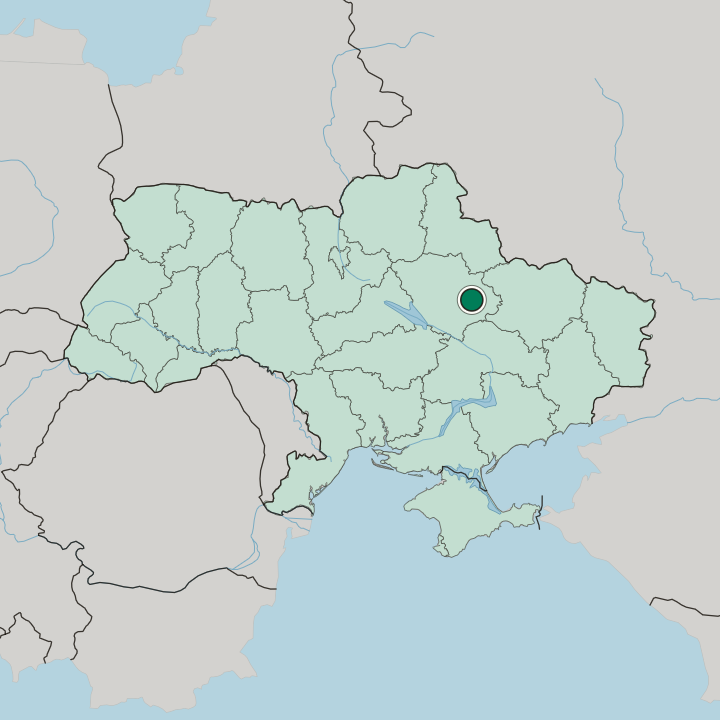
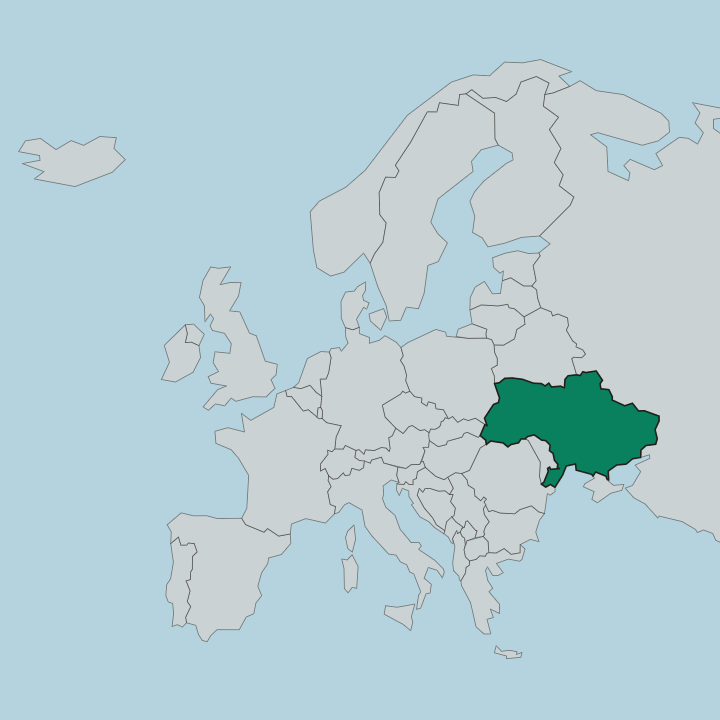
Poltava sits inland in central Ukraine, well away from any coast.
What is the climate of Poltava?
Poltava has a continental climate set by its inland place on the hills of central Ukraine. Winters bring cold. Snow and frost settle over the town for long stretches, and the higher streets around the Monastery of the Holy Cross feel the wind first.
Summers turn warm and often dry, with long light over the ridges and the plain that spreads below the old town. The between-seasons pass in short bursts of rain and thaw.
How do you get to Poltava?
Poltava sits on the rail and road corridors that cross central Ukraine, as the seat of Poltava Oblast. Trains reach the city. Rail lines tie it into the wider network of the oblast and the country, and major roads run through on their way between larger cities.
The old town and the Poltava Battle Field beyond it draw travellers into a city long set at a crossing of routes across the plain.
Common questions
What is the best area to stay in Poltava?
Sobornosti Street centre: First-time culture stays. Monastery slopes: Quieter hilltop stays.
Good for
Another city in Poltava Oblast
Updated September 2026