Ukraine
Poltava Oblast, Ukraine — Towns & Travel Guide
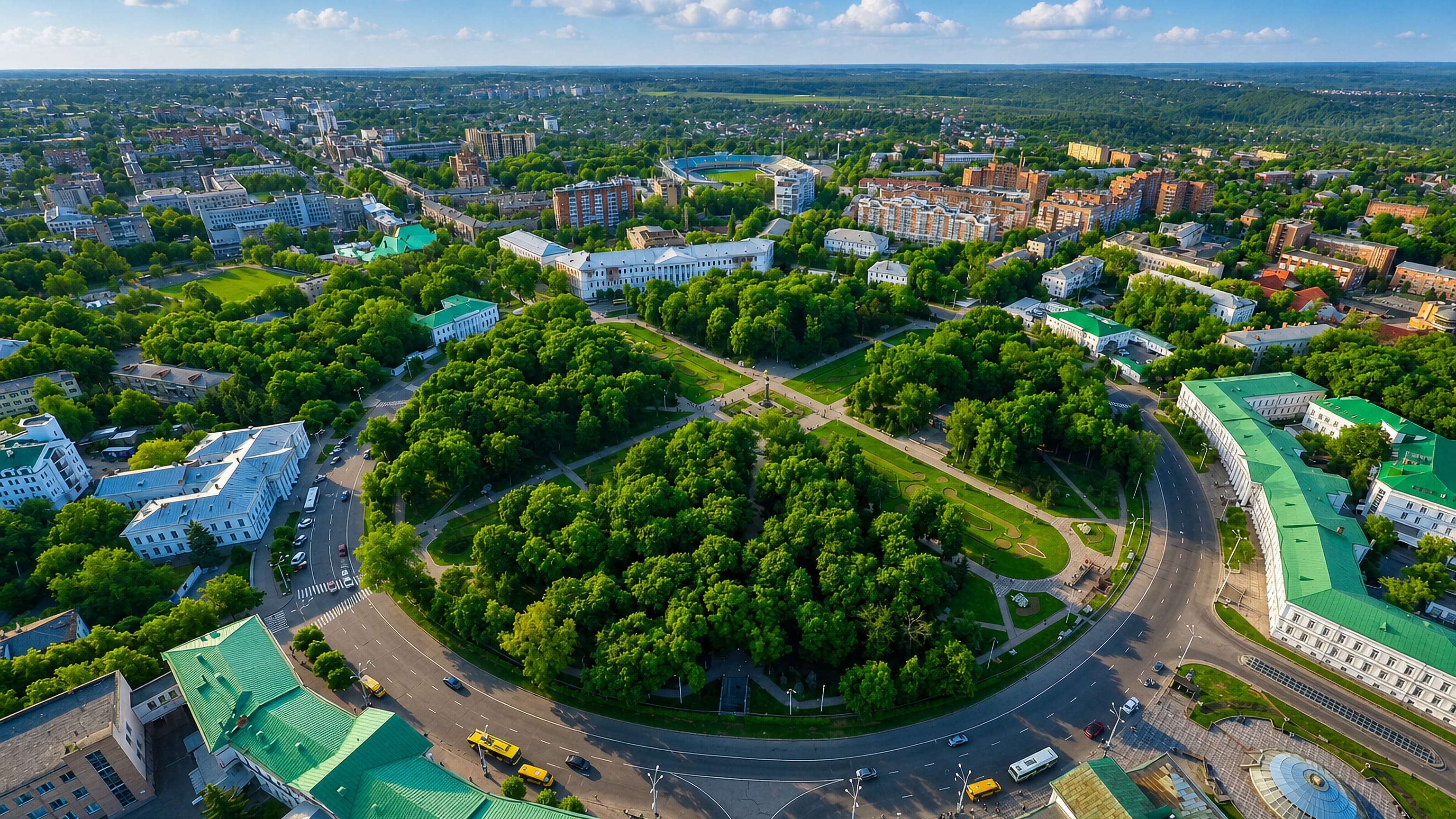
Poltava Oblast spreads across the black-earth plains of central Ukraine, on the left bank of the Dnieper.
Hotel links are affiliate links: booking through them may earn us a commission, at no extra cost to you. It never affects how places are ranked. How this works


Towns & cities in Poltava Oblast
Pick a town or city — each links to where to stay.
 Ukraine
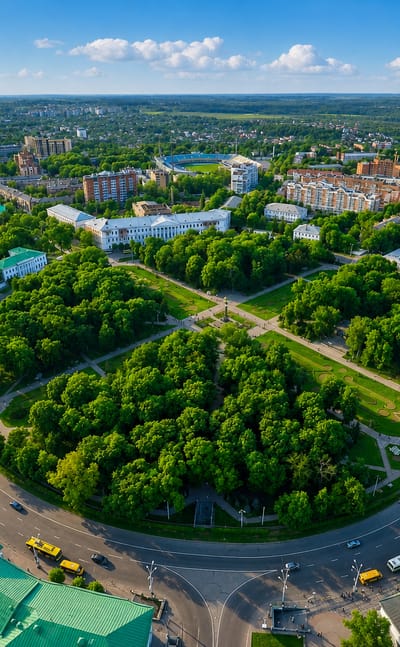
Poltava
White churches climb the hills of Poltava, a historic city in Poltava Oblast, Ukraine, known for the Poltava Battle Field and the Dormition Cathedral.Where to stay →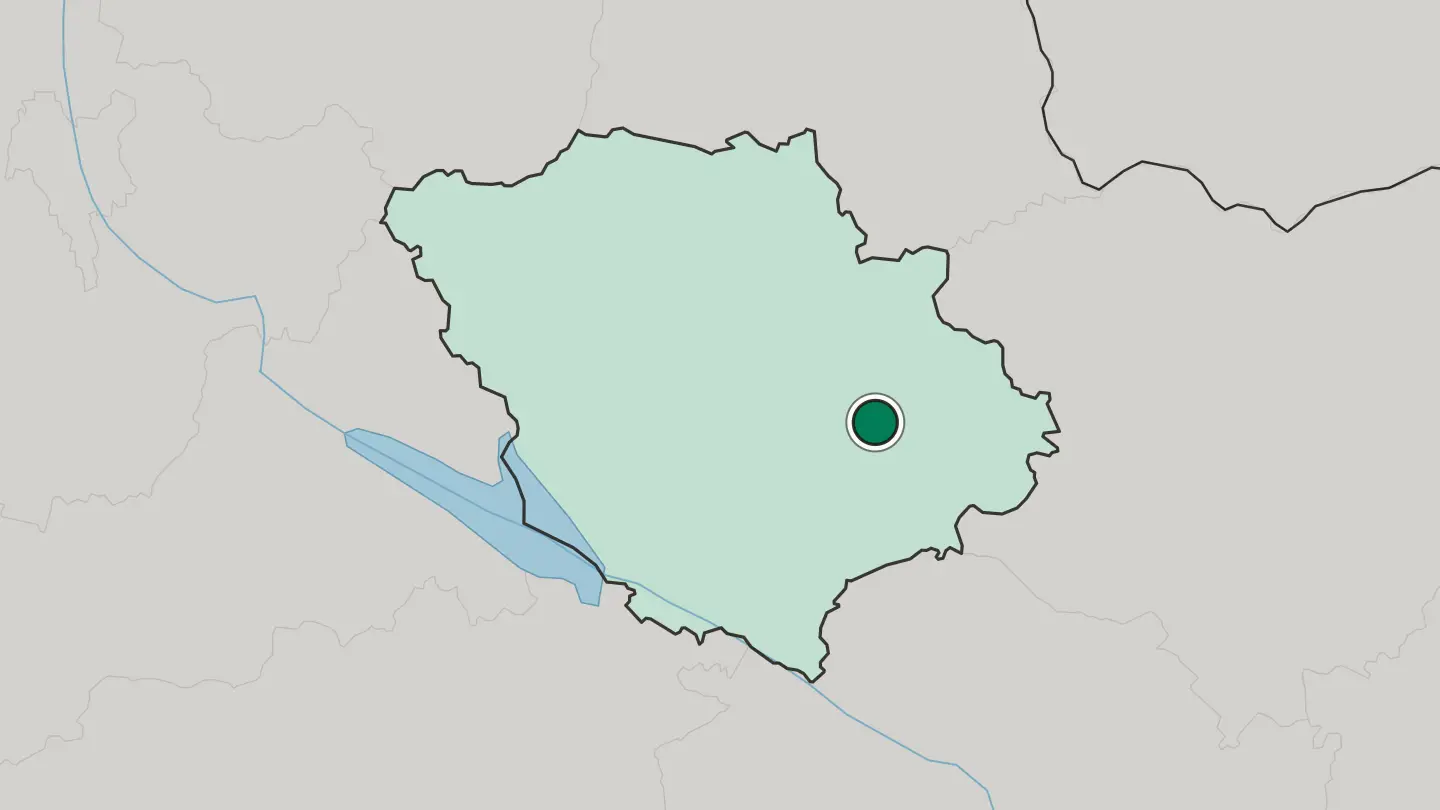
 Ukraine
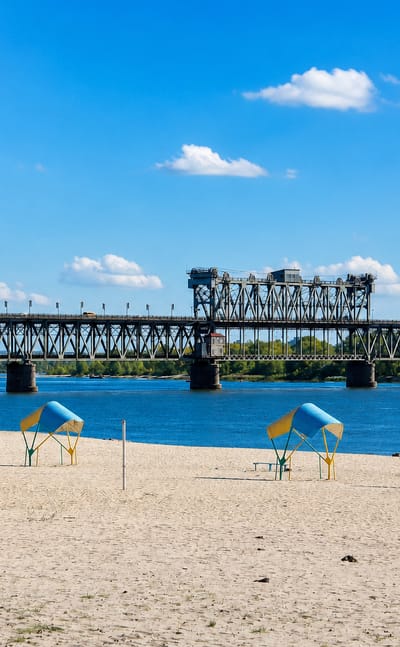
Kremenchuk
The Dnieper River carries barges past the quays of Kremenchuk, an industrial city in central Ukraine and the seat of Kremenchuk Raion in Poltava Oblast.Where to stay →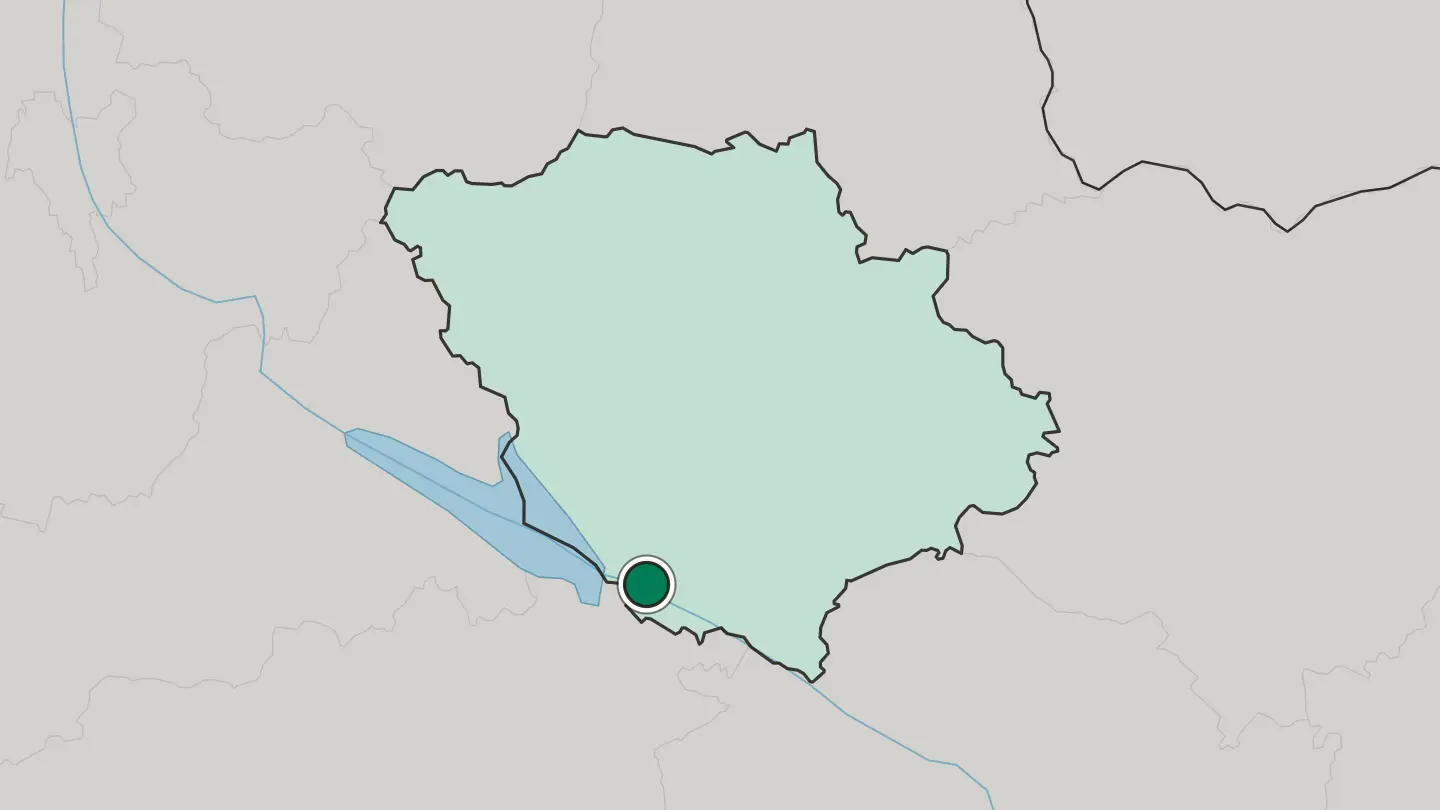
Hotel links are affiliate links: booking through them may earn us a commission, at no extra cost to you. It never affects how places are ranked. How this works
About Poltava Oblast
One battle made the name.
What is Poltava Oblast known for?
In 1709 the fields outside Poltava saw Peter the Great crush Charles XII of Sweden, ending Swedish power and turning the war. The region is also Cossack country, its capital the seat of a Hetmanate regiment, and the birthplace landscape of the writer Nikolai Gogol, whose Dykanka stories are set here. Kremenchuk anchors its industry on the Dnieper.
Farms of deep chernozem soil cover the rest.
Where is Poltava Oblast?
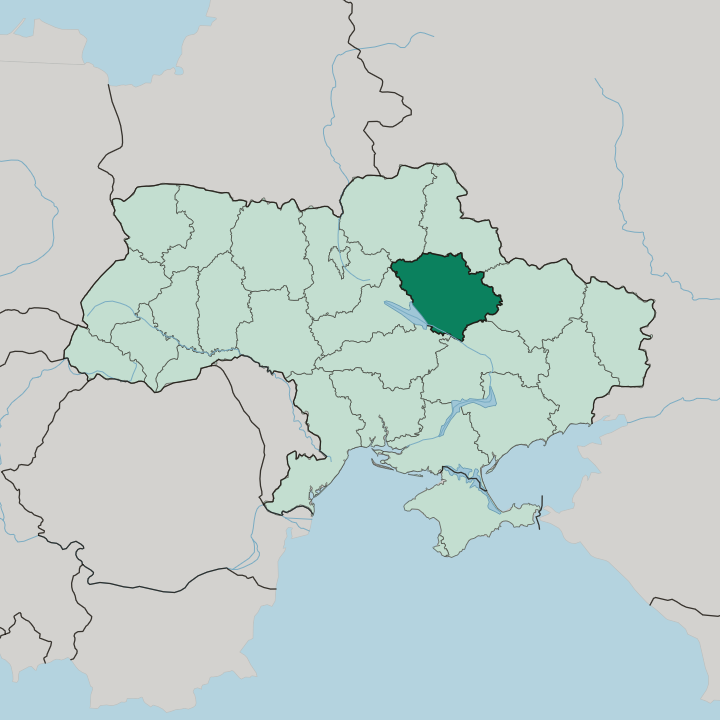
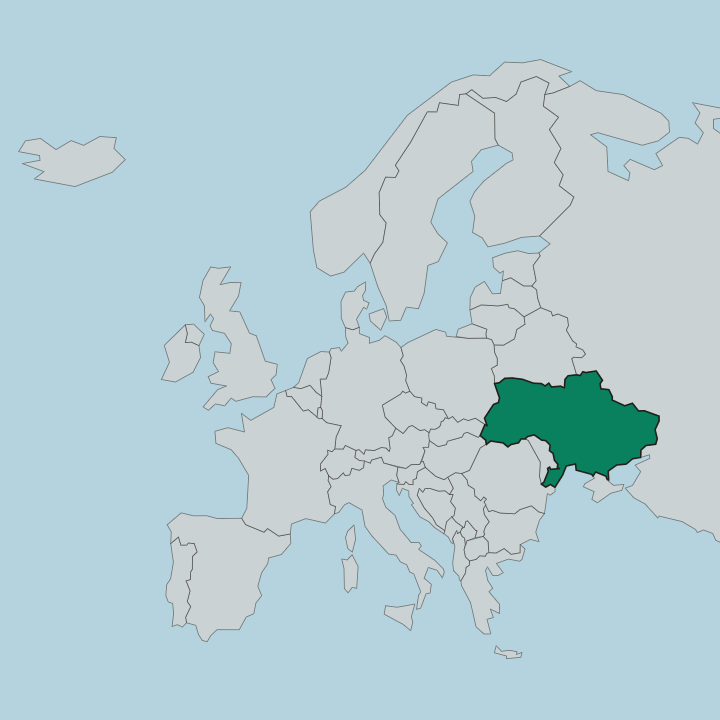
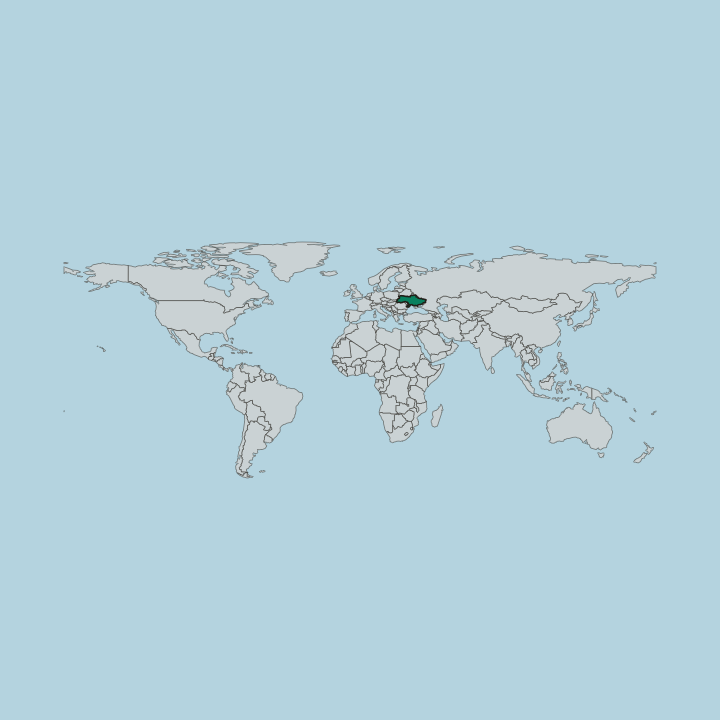
Poltava Oblast lies in central Ukraine, filling a stretch of the Dnieper Lowland between Kyiv and Kharkiv. There is little relief across Poltava Oblast. It is a gently rolling plateau of open cropland, cut by wide river valleys and cloaked in the deep chernozem black earth that makes this some of the most fertile ground in the country.
Three great left-bank tributaries of the Dnieper cross it from north to south. The Sula runs down the western side, the Psel through the middle, and the Vorskla past the capital before all three reach the main river. The Dnieper itself forms the oblast's south-western boundary, dammed there into the Kremenchuk Reservoir, the largest of the reservoirs on the river, a sheet of water so broad it reads as a lake rather than a stream.
Poltava, the capital, stands in the east on the Vorskla. Kremenchuk holds the south-west on the Dnieper. Between the rivers lie villages, wheat, and sunflower fields to the horizon.
Sumy Oblast borders it to the north and Dnipropetrovsk Oblast to the south. This is deep-interior Ukraine, far from any sea.
What is Poltava Oblast like?
This is one of the heartlands of Ukrainian language and folk culture, and the region wears that identity plainly. Poltava speech is often held up as a model of literary Ukrainian. The writer Nikolai Gogol grew up in these villages, and the countryside around Dykanka he made famous still carries his name in its churches and its stories.
Ivan Kotliarevsky, the founder of modern Ukrainian literature, was born in the capital. Food matters here too. The oblast is known across the country for galushky, the plump dumplings that are practically a local emblem, and for varenyky filled with potato, cheese, or cherries.
Each August the village of Velyki Sorochyntsi revives the old Sorochyntsi Fair, a market and folk festival that Gogol himself wrote into being. Embroidery, pottery, and painted decoration run through the crafts. The rhythm is rural and unhurried.
Beyond the two cities, life turns on the seasons of the black-earth fields, and the culture stays close to the village that shaped it.
What is the history of Poltava Oblast?
The name carries a battle. In 1648 Poltava became the seat of a Cossack regiment of the Hetmanate, one of the self-governing military districts of left-bank Ukraine. Then came 1709, when Peter the Great of Russia defeated Charles XII of Sweden on the fields outside the town, a rout in the Great Northern War that broke Sweden as a power and pulled these lands into the Russian Empire for two centuries.
The oblast in its modern borders was drawn up in 1937. Cossack past, imperial battlefield, Soviet province, and now Ukrainian region: the layers sit one on the next.
What is the climate of Poltava Oblast?
The climate is humid continental, the weather of a place far inland with no sea to soften it. Winters bite. Snow settles across the black-earth plains from December, with January hovering well below freezing and the Vorskla and Psel icing at their edges.
Summers swing the other way into long warm days that ripen the wheat and sunflowers, July climbing into the mid-twenties. Rain falls mostly in the warmer half of the year. Between Poltava's frozen winters and warm summers, spring and autumn are brief.
How do you get to Poltava Oblast?
Rail is how the oblast connects. Poltava sits on the main line between Kyiv and Kharkiv, and fast services from the capital reach it in a few hours, making rail the standard way in. The region's one airport, on the edge of Poltava, handles only charter and special flights, so scheduled air travel means arriving elsewhere first.
Roads tie Poltava to Kremenchuk and the smaller towns. Once you are in the oblast, bus and rail link the two cities across the black-earth country between them.
Common questions
What is the best area to stay in Poltava Oblast?
Poltava: the battlefield and Gogol museums. Kremenchuk: the Dnieper reservoir shore.
More regions in Ukraine
Updated September 2026