Ukraine · Sumska Oblast
Where to Stay in Sumy, Sumska Oblast
The Psel River winds through Sumy, the seat of Sumy Oblast in northeastern Ukraine, a city founded in 1652 and known for its churches and museums.
Hotel links are affiliate links: booking through them may earn us a commission, at no extra cost to you. It never affects how places are ranked. How this works


Where to stay in Sumy
The practical side of choosing where to sleep.
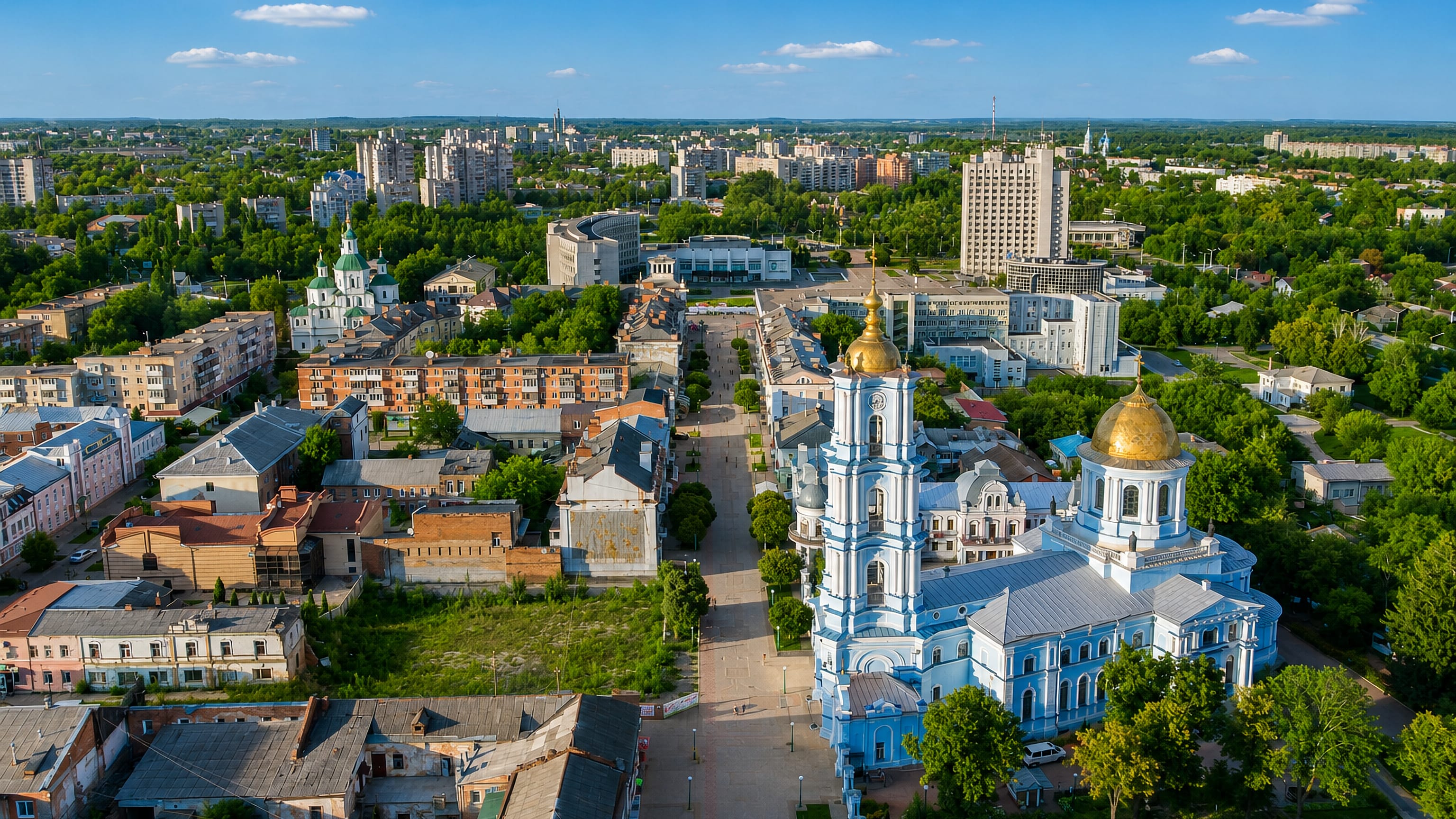
Where you stay in Sumy works along the Psel River, which curves through the middle of the city and separates the historic core from the greener quarters beyond. Start in the center. The old streets there gather the Voskresenska church, the Saints Peter and Paul church, and the Nikanor Onatsky Regional Art Museum within a short walk, and travelers who want the churches and galleries close settle here first.
Across the river and along its parks, Sumy opens into calmer residential districts that suit longer or quieter stays. The riverside embankments and green spaces give families room away from the busy center. Beyond the river, the rooms run larger and quieter.
The Anton Chekhov museum and the Local Museum sit within reach of both zones, so visitors drawn to the heritage of Sumy Oblast can base themselves on either bank of the Psel River and still cross to the old core on foot. The river keeps the city legible.
Find hotels in Sumy
Direct booking searches for these neighbourhoods.
Church-lined old core
The Voskresenska church, the Saints Peter and Paul church, and the Nikanor Onatsky Regional Art Museum sit within one walk of the Psel River in Sumy's center.Find hotels in Church-lined old coreQuieter, greener stays along the Psel embankmentsRiverside park districts
The green quarters across the Psel River reach the parks and the Anton Chekhov museum, calmer than Sumy's busy old core.Find hotels in Riverside park districtsHotel links are affiliate links: booking through them may earn us a commission, at no extra cost to you. It never affects how places are ranked. How this works
Things to do in Sumy
Ranked by global recognition; descriptions from Wikidata (CC0).
Museums & Galleries
3- Anton Chekhov museum in Sumy Heritage
- Nikanor Onatsky Regional Art Museum in Sumy
- Local Museum, Sumy
Churches & Religious Sites
6- Voskresenska church in Sumy Heritage
- Elijah the Prophet church in Sumy Heritage
- Saint Pantaleon church, Sumy Heritage
- Blessed Virgin Mary temple in Sumy Heritage
- Saints Peter and Paul church, Sumy Heritage
Show 1 more →
- The church of the Nativity of John the Baptist in Sumy Heritage
Castles & Historic Sites
8- Ivan Kharitonenko monument Heritage
- Taras Shevchenko monument Heritage
- Holodomor memorial in Sumy Heritage
- Grave of Zinaida Kharytonenko Heritage
- Ivan Kozhedub monument Heritage
Show 3 more →
- Monument to Mikhail Shchepkin, Sumy Heritage
- Bust of Stepan Suprun in Sumy Heritage
- Monument to glory of heroes of Sumy Heritage
Landmarks & Notable Places
1- 1 Sanatorna Street, Sumy Heritage
worth knowingacross 4 categories in Sumy
About Sumy
What is Sumy known for?
Sumy is known as the administrative center of Sumy Oblast, a river city with a well-kept church-lined core. The Psel River threads its heart. Along the streets, the Voskresenska church and the Saints Peter and Paul church mark the city's older skyline, while the Nikanor Onatsky Regional Art Museum holds its collections.
The Anton Chekhov museum recalls the writer's stays nearby. Monuments to Ukrainian figures fill the squares.
What are the main landmarks in Sumy?
The main landmarks in Sumy are its churches and museums, set close along the river. The Voskresenska church stands out. Near it rise the Saints Peter and Paul church and the Elijah the Prophet church, part of the city's older skyline.
The Nikanor Onatsky Regional Art Museum and the Anton Chekhov museum hold its art and literary memory. A monument to Ivan Kharitonenko honors the industrialist family whose patronage shaped the town.
What is the history of Sumy?
Sumy was founded in 1652 as a fortified settlement on the Psel River, part of the line of Cossack strongholds that guarded the frontier. The early fort held the river crossing. Commerce grew up along the Psel.
Over the following centuries the town grew from a garrison into a merchant and industrial center, and the sugar-refining wealth of the Kharitonenko family in particular funded the churches, schools, and civic buildings that still define its core. That patronage is why the Voskresenska church, the Saints Peter and Paul church, and grand public buildings stand so densely in the old center. A monument to Ivan Kharitonenko records the family's mark on the city.
Culture arrived with the wealth: the Nikanor Onatsky Regional Art Museum grew from the collections of the era, and the Anton Chekhov museum preserves the writer's ties to the surrounding countryside. Monuments across Sumy remember its harder twentieth-century chapters too. The river and the churches remain its constant thread.
Where is Sumy?
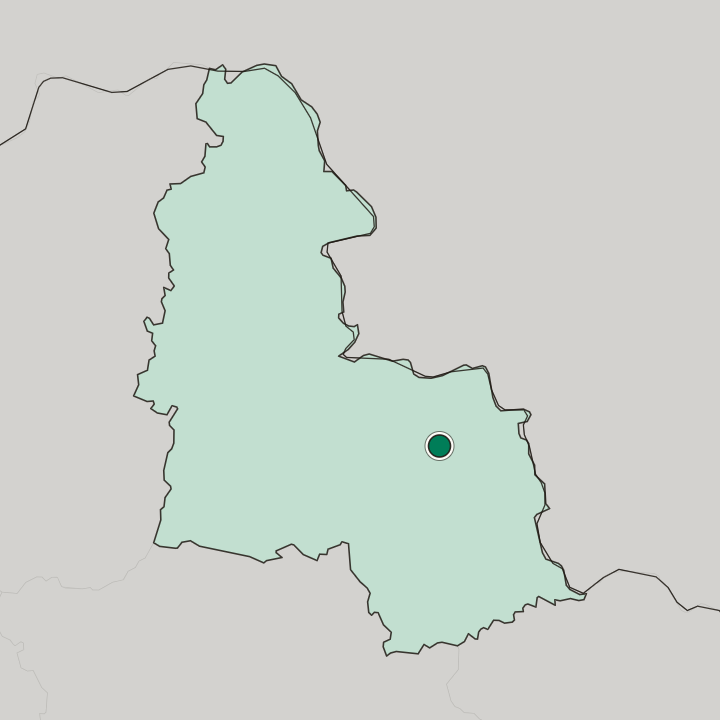
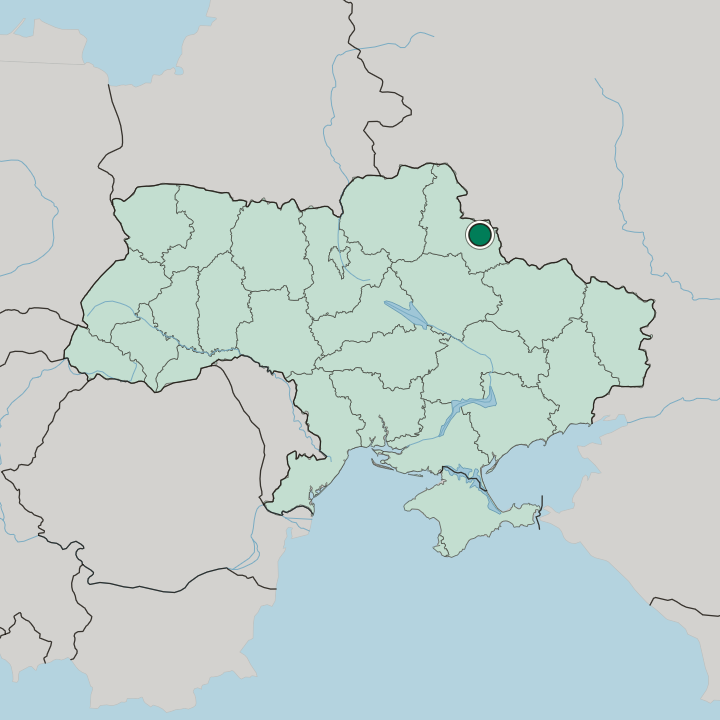
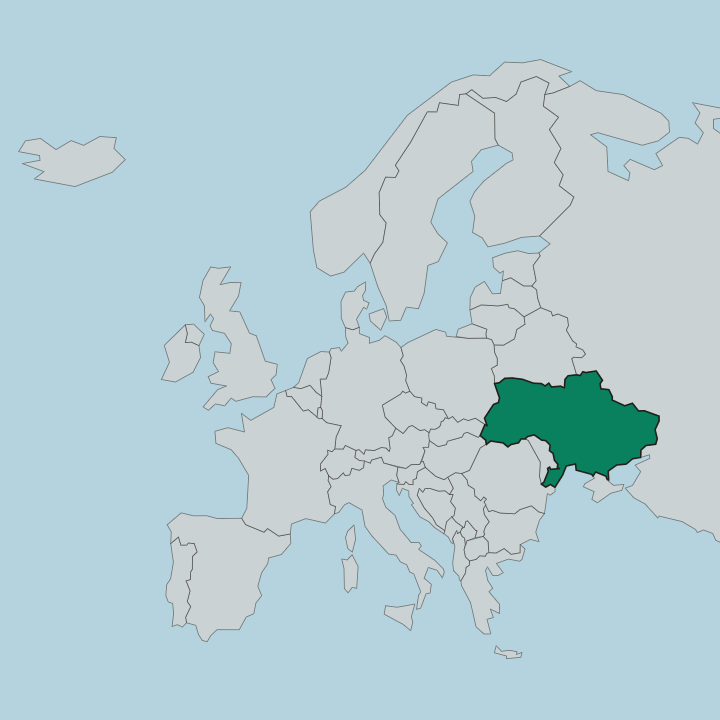
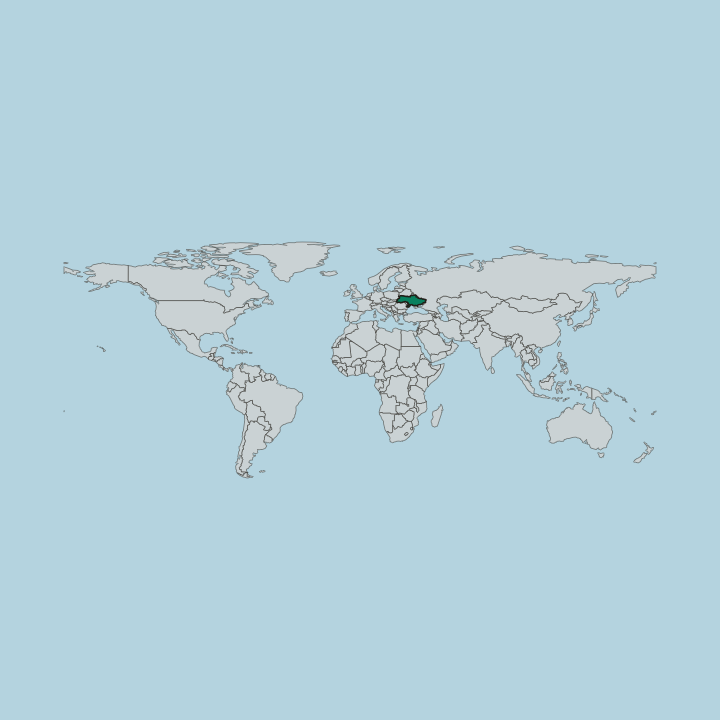
Sumy sits in northeastern Ukraine on the banks of the Psel River, the administrative center of Sumy Oblast. The river winds through the city in wide loops, and around it the land rolls in the low, wooded hills and river valleys of the country's northeast, well-watered farm and forest country rather than open steppe. Forest edges the town.
That river-valley setting shaped the city's growth along the water since its founding.
What is the climate of Sumy?
Sumy has a temperate continental climate shaped by its inland position in northeastern Ukraine. Summers along the Psel come warm and green. Winters bring real cold and lasting snow along the Psel River, since this northeastern corner of the country lies open to the continental air that sweeps in from the interior, and the seasonal swing here runs wider than in the milder west.
Spring thaws the riverbanks slowly. Autumn is crisp and short.
How do you get to Sumy?
Getting to Sumy brings travelers to the northeastern edge of Ukraine, into the heart of Sumy Oblast. Rail and road routes link the city to the rest of the region and to the larger cities of the interior, running across the rolling farm and forest country that surrounds it. The Psel River guides the approach into town.
From the stations, local buses reach the church-lined old core within a short ride.
Common questions
What is the best area to stay in Sumy?
Church-lined old core: First stays near the Voskresenska church and Peter and Paul. Riverside park districts: Quieter, greener stays along the Psel embankments.
Good for
More cities in Sumska Oblast
Updated September 2026