Uganda · Eastern Region
Where to Stay in Jinja, Eastern Region
Jinja is a city of eastern Uganda on Lake Victoria, where the great Nile begins its journey north, and the adventure capital of the East African lakes.
Hotel links are affiliate links: booking through them may earn us a commission, at no extra cost to you. It never affects how places are ranked. How this works


Where to stay in Jinja
Where the beds are, and what that means for the visit.
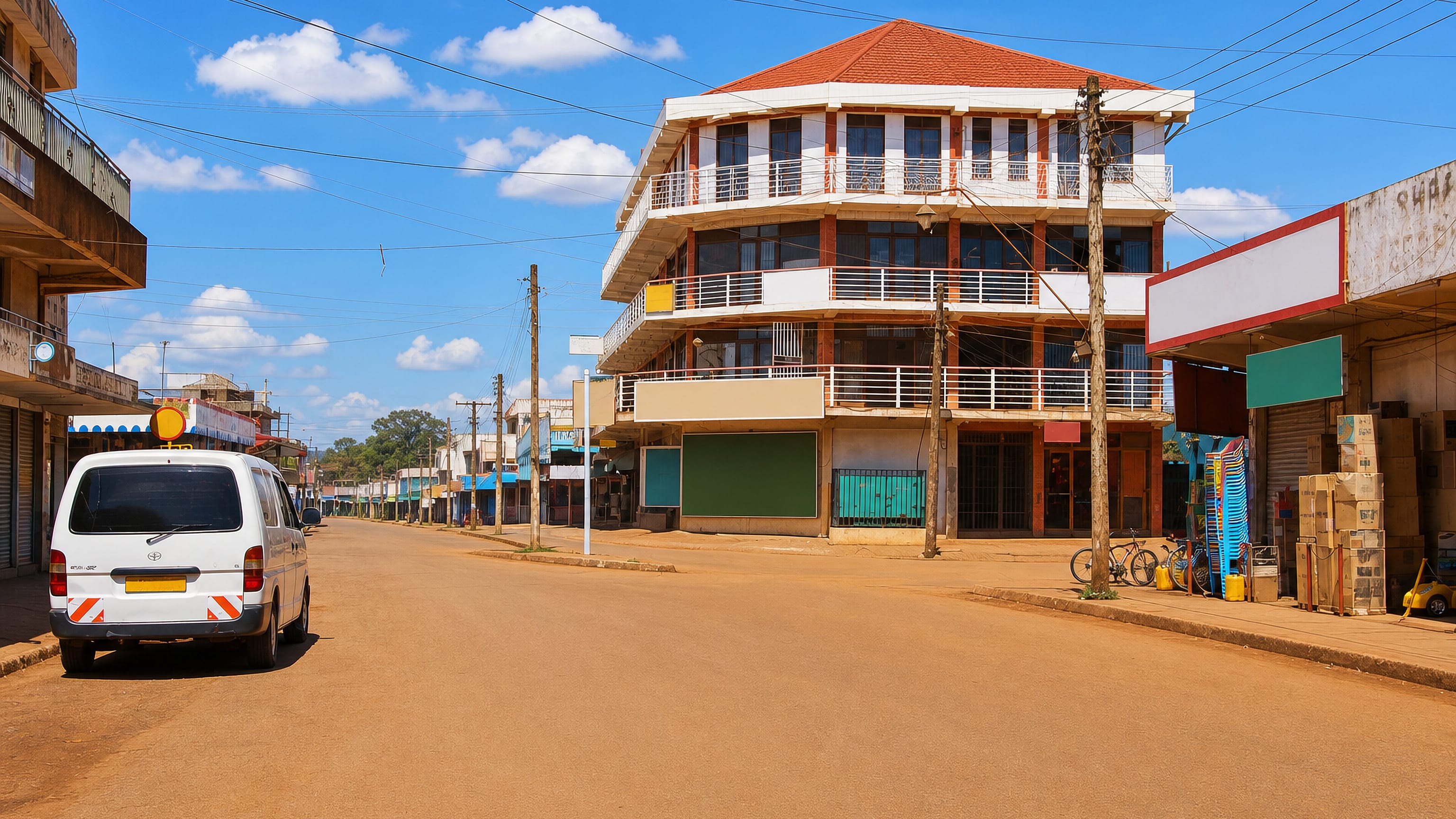
In Jinja the choice is the old town streets or a bed out by the Nile. The old streets around the centre keep the shops, the temples, and the market within a walk, and staying downtown suits anyone here for the town. The lake lies at the town's edge.
Old shopfronts line the streets. Out toward the source and the rapids, the town gives way to the riverside lodges, the rafting camps, and the shore of the Nile. A room by the water trades the streets for the green riverbanks, the white rapids, and the wide lake beyond.
The great river runs north from the lake. Stay downtown for the old town, or by the river for the rafting. The Nile begins just below the town.
Find hotels in Jinja
Direct booking searches for these neighbourhoods.
The old town
In the colonial centreFind hotels in The old townStays wanting the rafting and the sourceThe riverside
By the Nile and rapidsFind hotels in The riversideHotel links are affiliate links: booking through them may earn us a commission, at no extra cost to you. It never affects how places are ranked. How this works
Things to do in Jinja
Ranked by global recognition; descriptions from Wikidata (CC0).
Museums & Galleries
2- Uganda Railway Museum
- Cultural Research Centre Museum Jinja
Castles & Historic Sites
4- Source of the Nile Heritage
- Speke Monument (Uganda) Heritage
- Statue of Mahtma Ghandi, Jinja Eastern Uganda Heritage
- Speke Monument Heritage
worth knowingacross 2 categories in Jinja
About Jinja
Jinja is the town at the source of the Nile.
What is Jinja known for?
On the shore of Lake Victoria in eastern Uganda, it grew as a colonial trade town by the water, and it keeps the very spot where the White Nile flows out of the lake, the great dam that harnesses the river's power, the white-water rapids that draw rafters from afar, and the old Indian-built streets and temples of the town. The great lake stretches to the sky. Below it the Nile begins.
What are the main landmarks in Jinja?
The source of the Nile is the wonder of Jinja. The point where the great river flows out of Lake Victoria to begin its journey to the sea, marked by a monument on the shore, is the pride of the town, out of downtown. A dam spans the river.
The great Owen Falls dam holds back the Nile just downstream, while the Speke monument, the rafting rapids, and the old Indian streets mark the country around Jinja.
What is the history of Jinja?
Jinja rose where the Nile begins. For ages the great lake poured out over falls into the Nile here, and when a British explorer came seeking the river's source, he found it at these falls by Jinja. The railway made the town.
When the line from the coast reached the lake, Jinja grew as a trade town and port, and Indian merchants came to build its shops and streets. A great dam tamed the falls. In the last century a dam was built across the Nile at Jinja, drowning the old falls but lighting the whole land with power.
The town saw hard years too. When the Indian traders were driven out in the nineteen-seventies, the town fell quiet for a time, but it rose again as travelers came for the rapids and the source of the Nile, and Jinja grew into a lively town by the water, keeping its lake, its river, and its rafts. The Nile still races over the rocks.
Jinja keeps its place at the source of the Nile.
Where is Jinja?
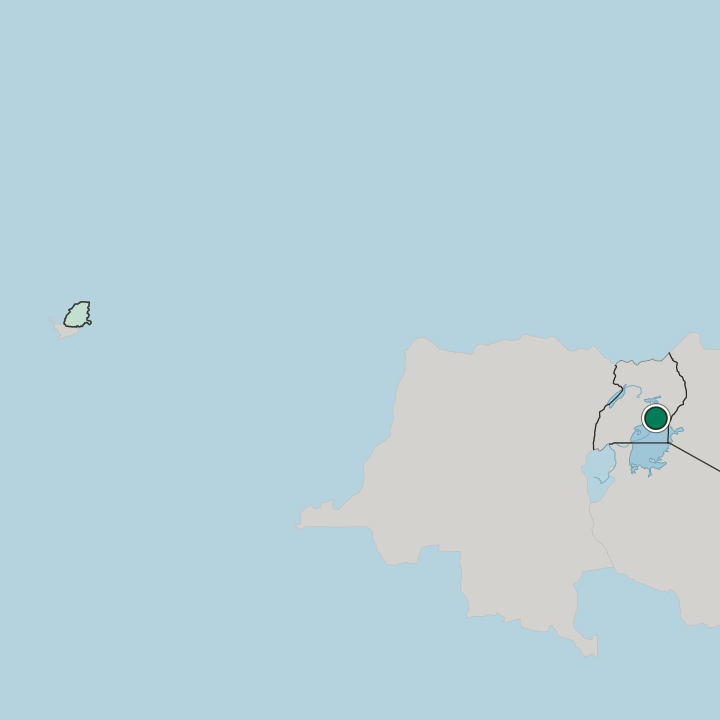
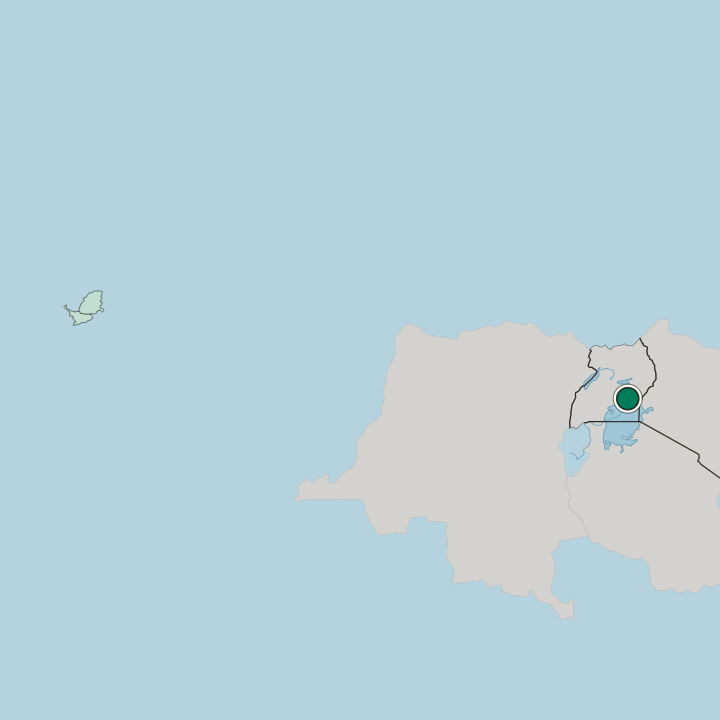
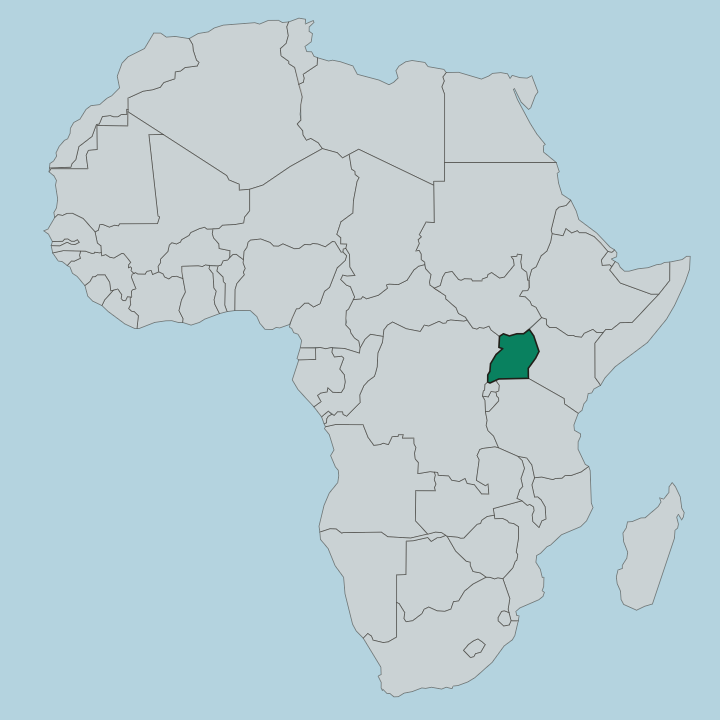
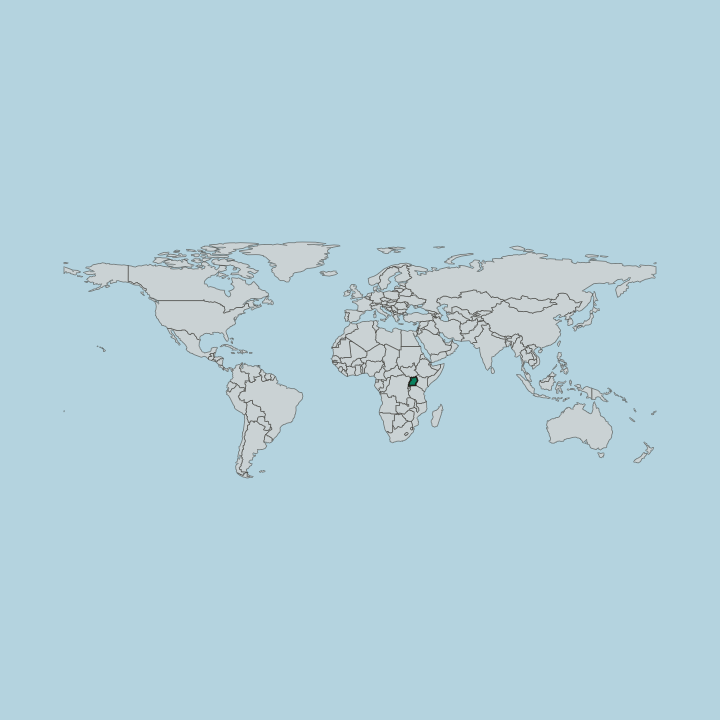
Jinja lies in the east of Uganda, on the northern shore of Lake Victoria where the Nile leaves the lake. The city sits on green hills above the water, at the point where the great river begins its long flow to Egypt, in a warm land of sugar cane and forest, with the lake spreading south and the river running north through rapids and pools. The wide lake shines below.
Rapids churn where the river starts.
What is the climate of Jinja?
Jinja has a warm, wet equatorial climate. Hot humid days and mild nights cross the lake shore, with rain in two long seasons and lush green the year round. The lake softens the heat.
Storms roll off the water.
How do you get to Jinja?
Jinja lies in eastern Uganda, on the highway east of Kampala. The main road runs to it along the lake from Kampala, crossing the Nile on the dam, and roads lead on east to Kenya. Boats work the lake.
Kampala lies west up the road.
Common questions
What is the best area to stay in Jinja?
The old town: Visitors here for the shops and temples. The riverside: Stays wanting the rafting and the source.
Good for
Updated September 2026