United States · Delaware
Where to Stay in Wilmington, Delaware
Brick rowhouses climb the slopes of Wilmington, the largest city in Delaware, United States, known for the Delaware Art Museum and its DuPont legacy.
Hotel links are affiliate links: booking through them may earn us a commission, at no extra cost to you. It never affects how places are ranked. How this works


Where to stay in Wilmington
Where the beds are, and what that means for the visit.
Wilmington gathers its draws across a compact hillside, so the district you choose sets the pace of a stay. The riverfront and downtown core hold the Daniel S. Frawley Stadium, the Delaware Center for the Contemporary Arts, and the walk to the old business blocks. Stay here for the centre.
It suits you if you want the ballpark, the arts centre, and the quick reach into downtown Delaware rather than a leafy suburban base. Up toward the Brandywine valley, the ground near the Delaware Art Museum and the Nemours Mansion and Gardens leans toward parks and grand estates. This side runs green and residential.
The Brandywine Zoo and the wooded riverside trails sit within easy reach. Choose the Brandywine side if you want the Delaware Art Museum, the gardens at Nemours, and the valley greenery over the busier downtown quarter.
Find hotels in Wilmington
Direct booking searches for these neighbourhoods.
Riverfront and downtown
The Daniel S. Frawley Stadium and the Delaware Center for the Contemporary Arts anchor the riverfront within a walk of the old business blocks.Find hotels in Riverfront and downtownThe Delaware Art Museum and Nemours Mansion and GardensBrandywine side
Parks and grand estates near the Delaware Art Museum and the Nemours Mansion and Gardens run green above the Brandywine Zoo.Find hotels in Brandywine sideHotel links are affiliate links: booking through them may earn us a commission, at no extra cost to you. It never affects how places are ranked. How this works
Things to do in Wilmington
Ranked by global recognition; descriptions from Wikidata (CC0).
Museums & Galleries
3- Nemours Mansion and Gardens
- Delaware Art Museum
- DuPont Historic Corridor
Churches & Religious Sites
6- Holy Trinity Church Heritage
- St. Mary of the Immaculate Conception Church Heritage
- Trinity Episcopal Church Heritage
- Old First Presbyterian Church of Wilmington Heritage
- St. Nicholas Ukrainian Catholic Church Heritage
Show 1 more →
- Kingswood Methodist Episcopal Church Heritage
Stadiums & Sports
1- Daniel S. Frawley Stadium
Landmarks & Notable Places
8- Lombardy Hall Heritage
- Dr. John A. Brown House Heritage
- Zachariah Ferris House Heritage
- Louis McLane House Heritage
- Obidiah Dingee House Heritage
Show 3 more →
- Starr House (Wilmington, Delaware) Heritage
- Jacob Dingee House Heritage
- Postles House Heritage
worth knowingacross 4 categories in Wilmington
About Wilmington
What is Wilmington known for?
Wilmington is known as the largest city in Delaware and a centre of the chemical industry. The DuPont Historic Corridor traces the family and firm that shaped it. Business runs deep here.
Old mills and mansions such as the Nemours Mansion and Gardens mark the fortunes made along the water, and the Delaware Art Museum holds the state's leading collection. The Brandywine Zoo draws families to the valley.
What are the main landmarks in Wilmington?
Wilmington spreads its landmarks between the riverfront and the Brandywine valley. The Delaware Art Museum and the Delaware Center for the Contemporary Arts hold the city's collections, while the Nemours Mansion and Gardens shows the wealth of the chemical age. Ballgames fill the riverfront.
The Daniel S. Frawley Stadium and the Brandywine Zoo draw the crowds, and old churches such as the Holy Trinity Church and Trinity Episcopal Church mark the early parishes of Delaware.
What is the history of Wilmington?
Wilmington was founded in 1638 as one of the earliest colonial settlements in what became Delaware. The Holy Trinity Church survives from the first parish years, and the port grew where the tidal river met the fall line, drawing traders and shipbuilders to its wharves. Powder made it rich.
Mills along the Brandywine turned out gunpowder and then chemicals, and the DuPont Historic Corridor still traces the works and the family that ran them. Mansions rose from the fortune. The Nemours Mansion and Gardens and estates like Lombardy Hall record the wealth that industry brought, while congregations raised the Old First Presbyterian Church of Wilmington and Trinity Episcopal Church as the city filled.
Preserved homes remain. The Louis McLane House and the Zachariah Ferris House still record the founders who turned a small colonial port into an industrial city in the United States.
Where is Wilmington?
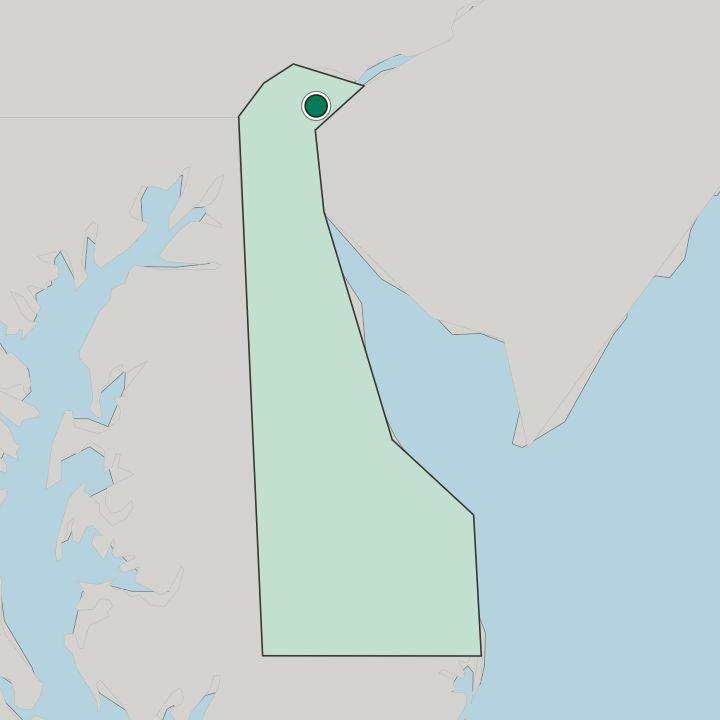
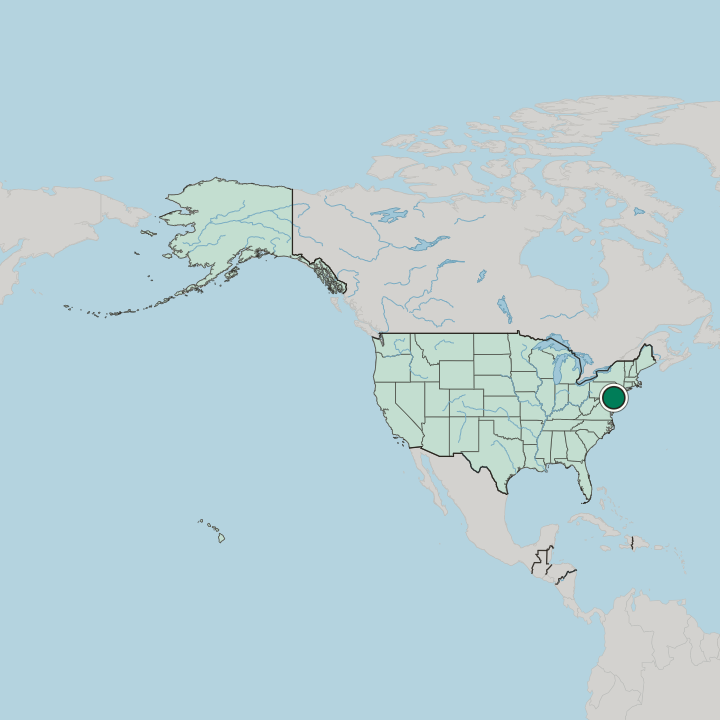
Wilmington sits in Delaware, on the low hills where the tidal river meets the fall line. The city holds a compact spread of ground between the water and the wooded valley in the United States. Slopes shape its streets.
Rowhouses climb the rises above the wharves, and the green corridor of the Brandywine Zoo and its valley cuts north from the built centre. Flat marsh and river edge the land below.
What is the climate of Wilmington?
Wilmington has a four-season mid-Atlantic climate in Delaware. Summers turn warm and humid. Long muggy days settle over the valley while afternoon storms roll across the river, and the Brandywine Zoo and the parks fill on the milder mornings.
Winters stay cold rather than harsh, with some snow. Spring and autumn run mild and short across this part of the United States.
How do you get to Wilmington?
Wilmington sits on the main rail and road corridor through Delaware. Fast trains and the interstate run straight past the city, linking it to the wider United States. Trains stop often.
The station on the Northeast line ties Wilmington to the region's largest cities, and regional roads reach out to the suburbs and the Brandywine valley. The compact centre keeps the Delaware Art Museum and the Daniel S. Frawley Stadium within easy reach.
Common questions
What is the best area to stay in Wilmington?
Riverfront and downtown: Daniel S. Frawley Stadium and the arts centre. Brandywine side: The Delaware Art Museum and Nemours Mansion and Gardens.
Good for
Updated September 2026