United States · Maryland
Where to Stay in Bethesda, Maryland
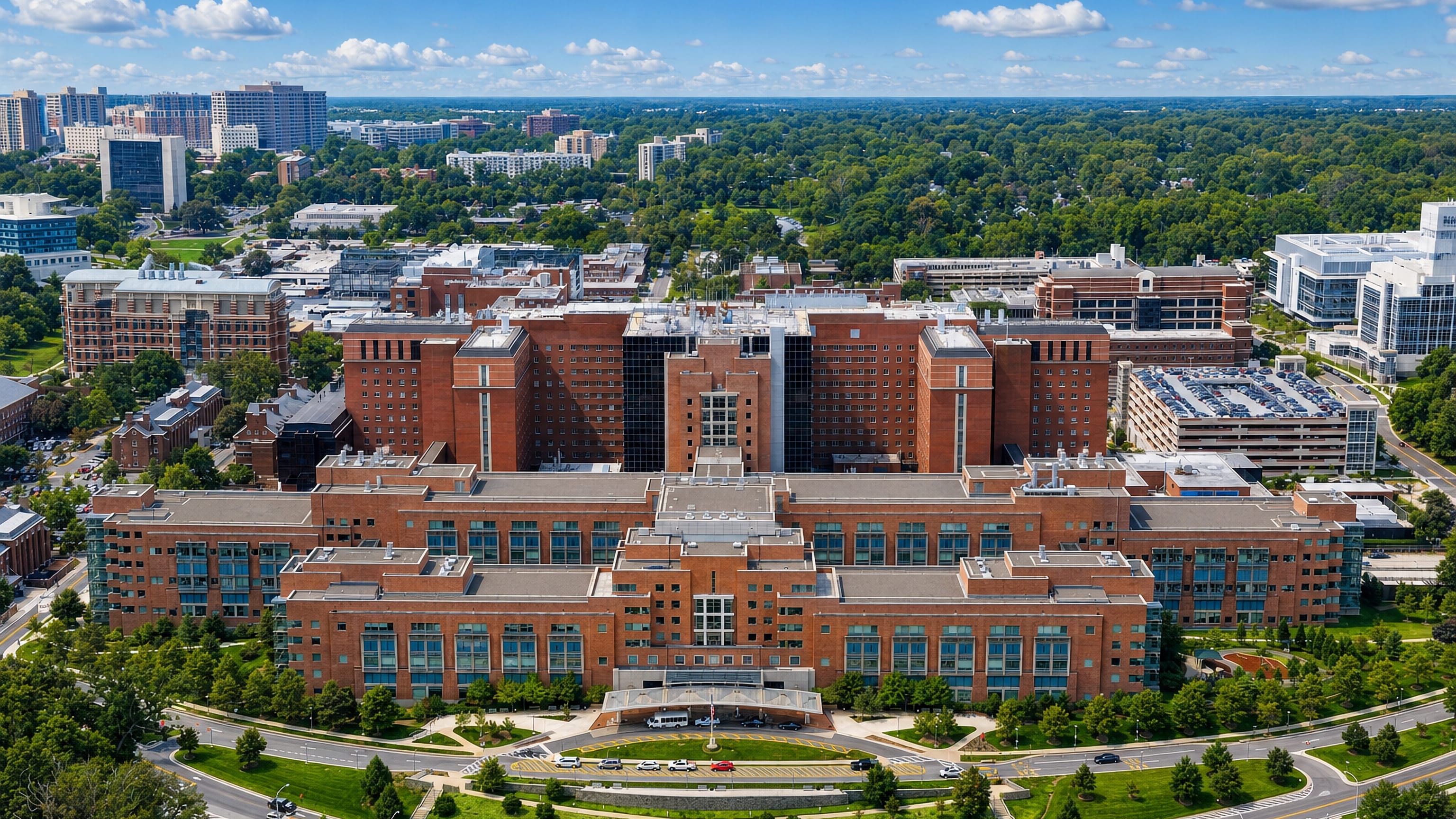
Old meeting-house brick meets modern streets in Bethesda, a community in Maryland, known for the Bethesda Meeting House and Fort Reno.
Hotel links are affiliate links: booking through them may earn us a commission, at no extra cost to you. It never affects how places are ranked. How this works


Where to stay in Bethesda
Where visitors usually base themselves, and why.
Bethesda spreads its lodging through a walkable centre and the leafy streets that ring it, so your base depends on how close you want to be to the shops and the historic core. The heart of the community keeps you near the KID Museum and the busy retail blocks, within easy reach of restaurants and transit. Stay central for the shops.
The streets around the Bethesda Meeting House suit visitors drawn to the community's founding landmark, where preserved brick and quiet churchyards sit close to the main streets. Quieter ground lies near historic homes such as the Salmon-Stohlman House and the Wiley-Ringland House, where the pace slows into settled residential blocks. Families often prefer the green edges near Fort Reno, handy for open space and a calmer setting.
The centre rules the map. Because so much of Bethesda gathers around its compact core, a base near the middle keeps you within walking reach of the shops, the museum, and the historic houses that give this Maryland community its layered character.
Find hotels in Bethesda
Direct booking searches for these neighbourhoods.
Bethesda core
Near the KID Museum and the busy retail blocks of the community centreFind hotels in Bethesda coreHistory-minded travellersMeeting House quarter
Around the Bethesda Meeting House and its quiet brick churchyardFind hotels in Meeting House quarterFamilies wanting open spaceFort Reno green edge
Beside the earthworks and parkland at Fort RenoFind hotels in Fort Reno green edgeHotel links are affiliate links: booking through them may earn us a commission, at no extra cost to you. It never affects how places are ranked. How this works
Things to do in Bethesda
Ranked by global recognition; descriptions from Wikidata (CC0).
Museums & Galleries
1- KID Museum
Churches & Religious Sites
3- Bethesda Meeting House Heritage
- Cedar Lane Unitarian Universalist Church
- Bradley Hills Presbyterian Church
Landmarks & Notable Places
4- Salmon-Stohlman House Heritage
- Mihran Mesrobian House Heritage
- Wiley-Ringland House Heritage
- Bethesda Naval Hospital Tower Heritage
worth knowingacross 3 categories in Bethesda
About Bethesda
What is Bethesda known for?
Bethesda is a Maryland community known for its historic homes and its ties to the region's older heritage. The Bethesda Meeting House gave the place its name and remains its founding landmark. Bethesda's history reaches far back through Maryland's older heritage.
Preserved houses such as the Salmon-Stohlman House and the Mihran Mesrobian House line its streets, while the earthworks at Fort Reno recall an older chapter of the surrounding land. The KID Museum adds a modern draw, giving families a reason to visit alongside the built history. Historic homes define Bethesda.
What are the main landmarks in Bethesda?
Bethesda's landmarks lean toward historic houses and places of worship. The Bethesda Meeting House stands at the head of the list, the namesake landmark of the community. Old homes fill the rest.
The Salmon-Stohlman House, the Mihran Mesrobian House, and the Wiley-Ringland House preserve its domestic past, while the Bradley Hills Presbyterian Church, the Cedar Lane Unitarian Universalist Church, and the earthworks of Fort Reno round out the roster. The Bethesda Naval Hospital Tower rises above them all as the community's tallest built marker in Maryland.
What is the history of Bethesda?
Bethesda grew from a rural crossroads in Maryland, taking its name from the Bethesda Meeting House at its heart. The name came from the church. For much of its early life it was a scattered community of farms and country roads, its landmarks the meeting house and the homesteads that clustered around it, among them the dwelling that became the Salmon-Stohlman House.
The old houses record that quiet century. The Mihran Mesrobian House and the Wiley-Ringland House survive from the era when the place was still a country settlement outside the growing capital region. Later the community filled in and drew closer to the wider metropolitan area, its churches multiplying with congregations such as the Bradley Hills Presbyterian Church and the Cedar Lane Unitarian Universalist Church.
The earthworks at Fort Reno recall the military past of the surrounding land. From a crossroads named for a meeting house, Bethesda became a Maryland community whose history reads through its preserved brick and its churches.
Where is Bethesda?
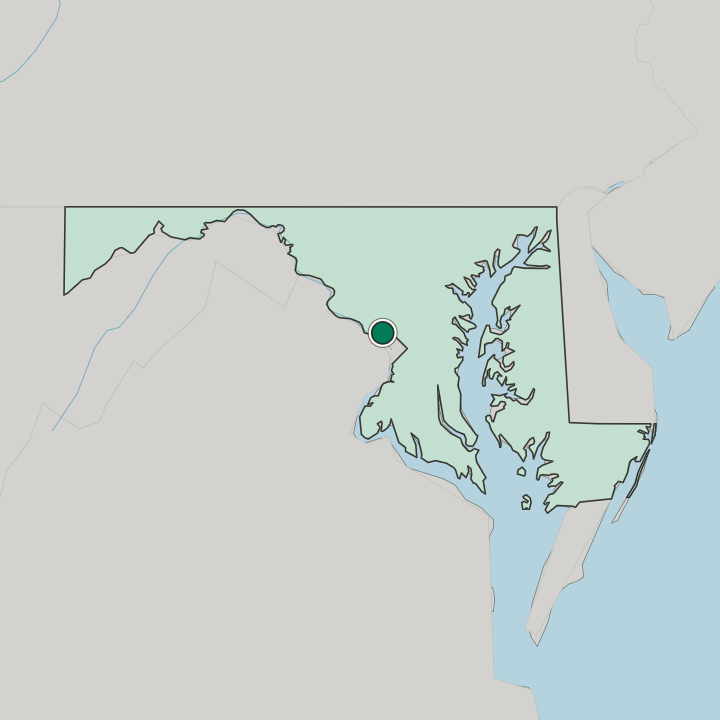
Bethesda sits on gently rolling ground in Maryland, part of the wooded upland north of the capital region. The terrain undulates softly. Low hills and shallow valleys carry its tree-lined streets, giving the community its green, suburban feel rather than any sharp relief.
The compact centre gathers near the KID Museum, while historic homes such as the Salmon-Stohlman House hold the quieter residential slopes around it. This rolling setting shapes the leafy character that runs through Bethesda and the wider Maryland countryside.
What is the climate of Bethesda?
Bethesda has the humid, four-season climate of the Maryland uplands. Its seasons swing widely. Summers grow hot and muggy under the mid-Atlantic sun, while winters bring cold spells and the occasional snowfall across the wooded hills around the community.
Spring and autumn are long and mild. The rolling, tree-covered ground softens the extremes only a little, giving Bethesda the warm, humid summers and crisp autumns typical of this part of Maryland.
How do you get to Bethesda?
Bethesda is reached by road and rail from across the Maryland capital region. Major highways skirt the community, linking it with the metros nearby. A rail line runs through it, carrying commuters into and out of the wider area on frequent services.
Regional airports lie a short drive away. Once here, the walkable centre around the KID Museum and the Bethesda Meeting House rewards those on foot, though the leafy outer streets are easier by car.
Common questions
What is the best area to stay in Bethesda?
Bethesda core: Visitors wanting shops and transit on foot. Meeting House quarter: History-minded travellers. Fort Reno green edge: Families wanting open space.
Good for
More cities in Maryland
Updated October 2026