United States · Maryland
Where to Stay in Ellicott City, Maryland
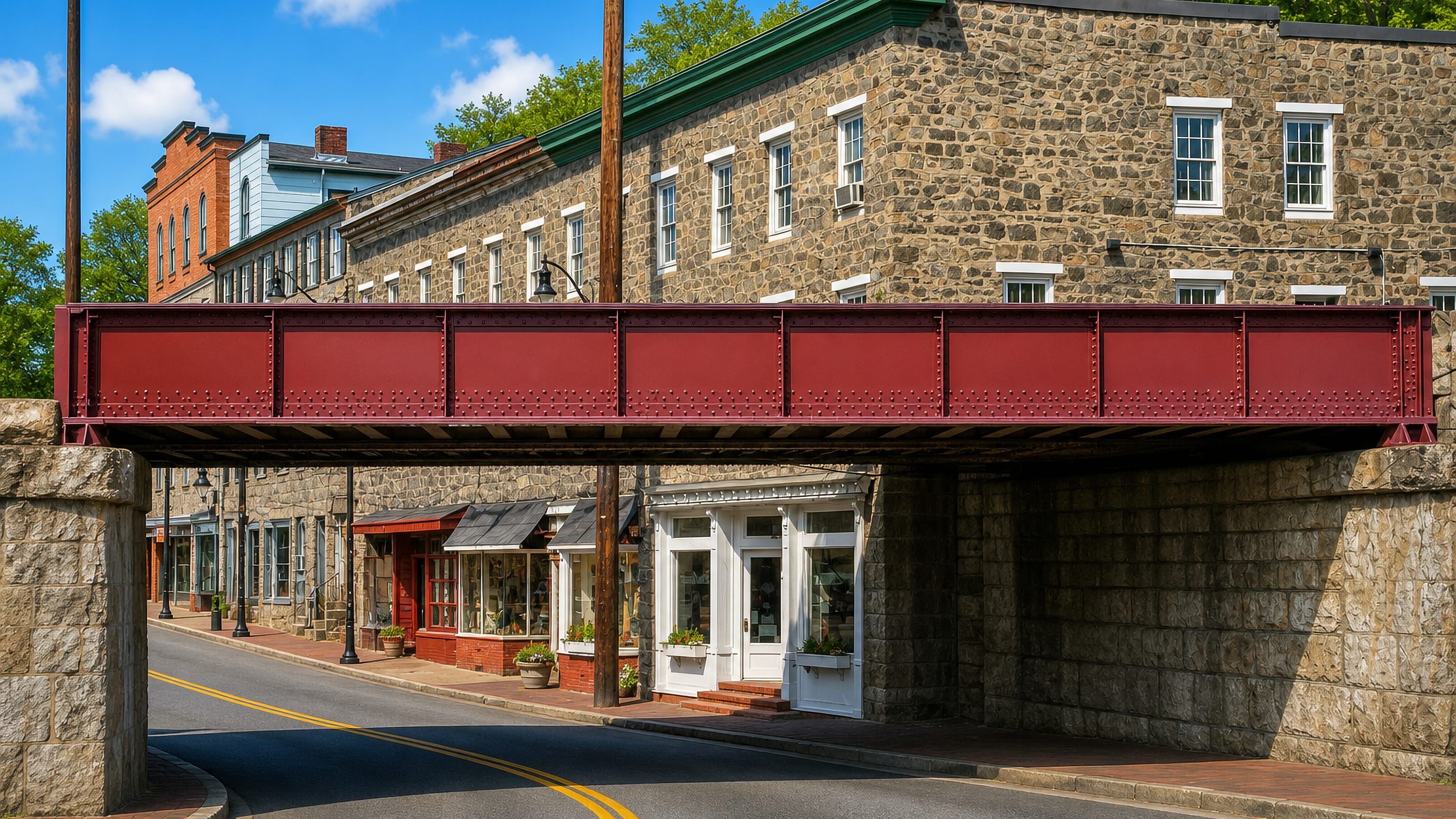
Ellicott City is the seat of Howard County in Maryland, a milling settlement of 1772 kept intact inside the Baltimore metropolitan area.
Hotel links are affiliate links: booking through them may earn us a commission, at no extra cost to you. It never affects how places are ranked. How this works


Where to stay in Ellicott City
Where visitors usually base themselves, and why.
Rooms near Saint Paul Catholic Church put a visitor inside the old mill town, on the street where the shopfronts, the churchyards and the 1772 core all sit within a few minutes. The trade is elbow room. Howard County spreads wide around that core, and the newer ground toward Baltimore carries most of the larger, plainer beds along with the parking that the old street cannot offer.
Ellicott City is unincorporated, and it remains the largest such county seat in the United States, which is why beds here scatter across a broad suburban area instead of clustering in one quarter. History travellers do better close in, since Saint John's Episcopal Church, the older houses and the preserved street are all walkable from a room in the middle of town. MacAlpine and White Hall lie apart from it.
If you are here for the Benjamin Banneker Historical Park and Museum, a bed on the outer side of Ellicott City saves the drive back in each evening. Beds run thin in the core. Most of what Howard County offers a visitor sits nearer the Baltimore road, which is also the easiest place to leave a car overnight.
Find hotels in Ellicott City
Direct booking searches for these neighbourhoods.
The 1772 mill street
The original core of Ellicott City, where the 1772 milling town and its churchyards are all on foot. Beds are limited here, so book early.Find hotels in The 1772 mill streetQuiet nights beside Saint John's Episcopal Church and the older housesAround Saint John's Episcopal Church
The residential streets of the Howard County seat, a short walk from the preserved mill town. Rooms are few around here — worth securing early.Find hotels in Around Saint John's Episcopal ChurchDrivers running out to the Benjamin Banneker Historical Park and MuseumThe Baltimore side
The outer suburban edge of Ellicott City toward Baltimore, where parking and larger rooms come easiestFind hotels in The Baltimore sideHotel links are affiliate links: booking through them may earn us a commission, at no extra cost to you. It never affects how places are ranked. How this works
About Ellicott City
What is Ellicott City known for?
Howard County runs its business from here, and the reason to stay is the mill town of 1772 that survives along the old street rather than anything newer. Churches carry much of it. Saint John's Episcopal Church and Saint Paul Catholic Church stand among the older buildings, and the Benjamin Banneker Historical Park and Museum keeps a separate record outside the town.
MacAlpine and White Hall sit further out.
What are the main landmarks in Ellicott City?
Saint Paul Catholic Church and Saint John's Episcopal Church are the two that most visitors notice, both standing among the older buildings of the mill town rather than off on their own. MacAlpine is a house. White Hall is another, and the Benjamin Banneker Historical Park and Museum is the only entry here that pairs a museum with parkland instead of standing as a single house or church.
Five entries make the whole list.
What is the history of Ellicott City?
Milling began in 1772. The settlement that grew from those mills became the seat of Howard County, and its old street was kept well enough to become the reason people visit at all. Churches came with it.
Saint Paul Catholic Church and Saint John's Episcopal Church both belong to that older town, and MacAlpine and White Hall are among the houses that outlasted the working period. Howard County kept the old fabric while the ground around it filled in, which is why a walk here still reads as a mill town instead of a modern suburb. Baltimore changed the rest.
Ellicott City ended up inside the Baltimore metropolitan area, close enough that its later growth arrived as suburb rather than as anything the mills themselves would have produced. It never incorporated. The place governs itself through Howard County instead, and it stands as the largest unincorporated county seat in the United States, a position that says a good deal about how the suburb outgrew the town.
Maryland measures it as a census place, and the surrounding suburb dwarfs the 1772 town in every direction except the one the visitor cares about. The Benjamin Banneker Historical Park and Museum holds a separate strand of Howard County history, set apart from the mill street and its churches.
Where is Ellicott City?
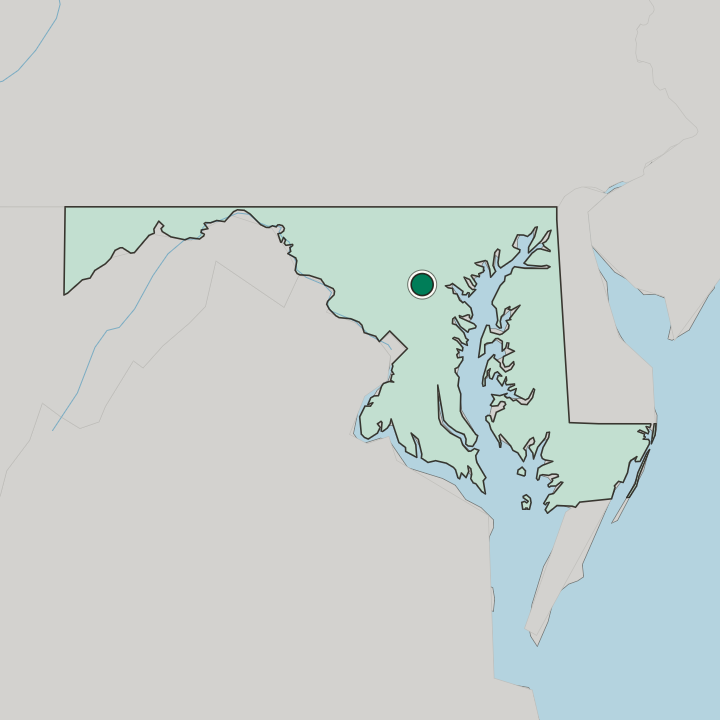
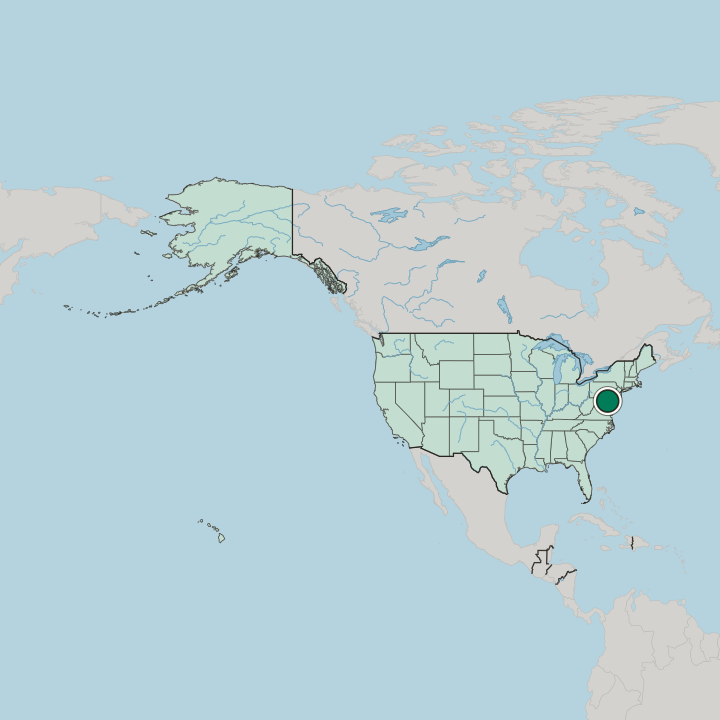
Ellicott City covers roughly thirty square miles of Howard County, a spread of suburban ground with the old mill town sitting as one small part of it. Baltimore lies beyond it. Nothing here reads as a boundary on the ground, since Ellicott City is unincorporated and the built-up area continues past it into the rest of the Baltimore metropolitan area without a break.
Howard County frames the whole of it, and Maryland counts the place as a census designation rather than a town with its own limits.
What is the climate of Ellicott City?
Four seasons work through Howard County, and the temperate band Ellicott City shares with Baltimore gives it a full swing between summer and winter rather than a flat year. The swing is real. Visitors walking the mill town and the churchyards of Saint Paul Catholic Church feel it most in the open, where the old street gives little shelter from either end of the year.
How do you get to Ellicott City?
Plan on a car. Ellicott City sits inside the Baltimore metropolitan area, and most visitors reach the old mill town by car, which is also how they move between the scattered parts of Howard County around it. The old street itself is walkable, with Saint Paul Catholic Church, Saint John's Episcopal Church and the shopfronts close enough together to make a car unnecessary once a visitor has parked.
MacAlpine, White Hall and the Benjamin Banneker Historical Park and Museum need the car again.
Common questions
What is the best area to stay in Ellicott City?
The 1772 mill street: Walking between Saint Paul Catholic Church and the old shopfronts. Around Saint John's Episcopal Church: Quiet nights beside Saint John's Episcopal Church and the older houses. The Baltimore side: Drivers running out to the Benjamin Banneker Historical Park and Museum.
Good for
More cities in Maryland
Updated October 2026