United States · New Hampshire
Where to Stay in Manchester, New Hampshire
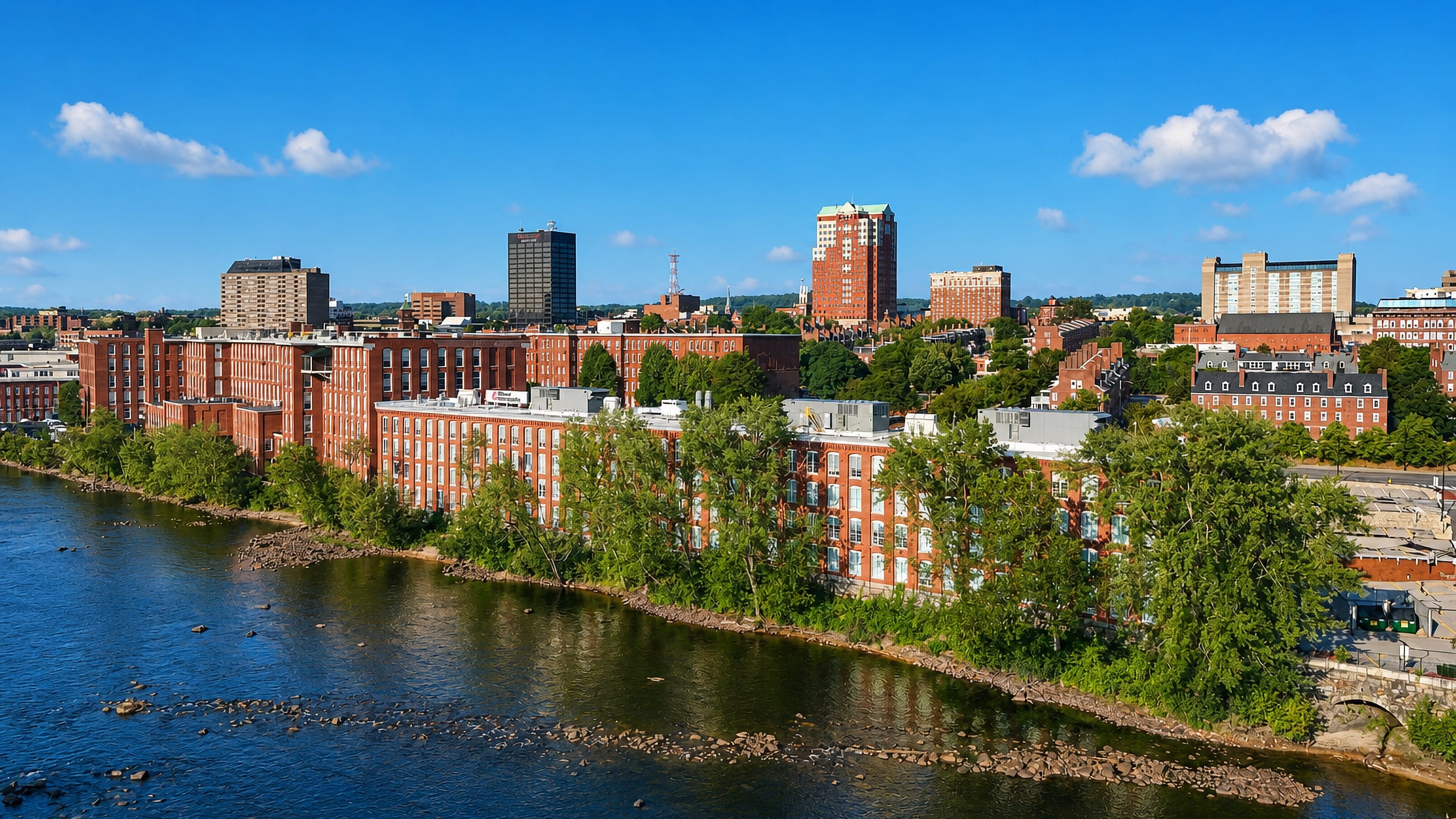
Brick mill blocks line the old canals at Manchester, a city in New Hampshire known for the Currier Museum of Art.
Hotel links are affiliate links: booking through them may earn us a commission, at no extra cost to you. It never affects how places are ranked. How this works


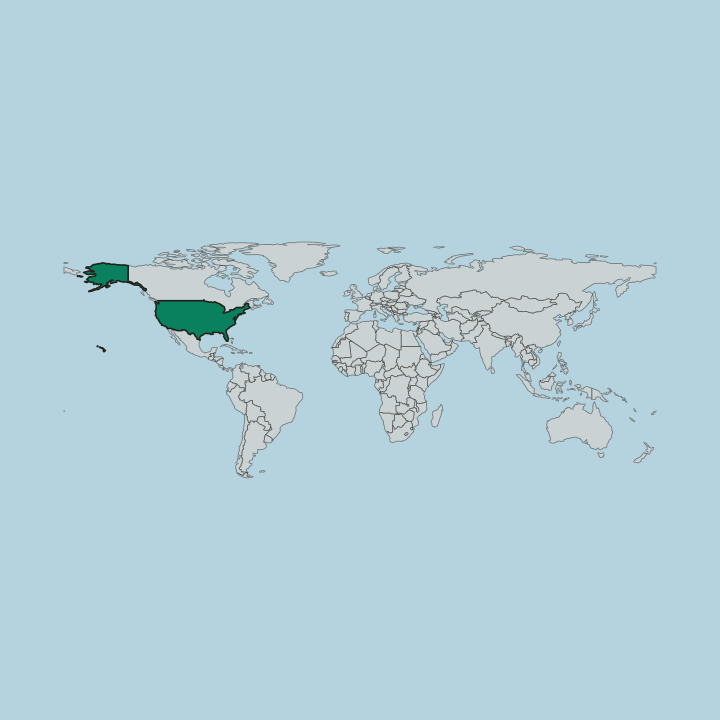
Where to stay in Manchester
The practical side of choosing where to sleep.
Manchester keeps most of its rooms close to the old mill blocks and the ballparks, so where you stay in the city turns on how near you want the water and the museums. The centre sits within a short walk of the Currier Museum of Art and the two stadiums, and it suits a first visit best. Stay near Delta Dental Stadium if you come for a summer game or a downtown weekend.
The blocks around it hold the bulk of the city's beds, and the walk back after a night match is short and flat. You trade quiet for that convenience. Rooms fill fastest on match evenings, so book ahead when the schedule brings a crowd to Manchester.
Stay closer to the Currier Museum of Art and Ste. Marie Church for a calmer base on the residential streets. This edge of the city puts you among older houses and away from the game-day traffic, though you will drive or ride a little further to reach the stadium blocks.
It works well for a longer, slower stay across New Hampshire's largest city.
Find hotels in Manchester
Direct booking searches for these neighbourhoods.
Downtown mill district
The old Amoskeag brick blocks put the Currier Museum of Art, Delta Dental Stadium and Gill Stadium within one flat walk.Find hotels in Downtown mill districtSummer baseball crowds and downtown weekendsDelta Dental Stadium blocks
Beds cluster tight around Delta Dental Stadium, so a night game leaves only a short flat walk back.Find hotels in Delta Dental Stadium blocksA quieter, longer base among the older housesSte. Marie residential edge
The streets by Ste. Marie Church trade game-day traffic for calm among Manchester's older residential blocks.Find hotels in Ste. Marie residential edgeHotel links are affiliate links: booking through them may earn us a commission, at no extra cost to you. It never affects how places are ranked. How this works
Things to do in Manchester
Ranked by global recognition; descriptions from Wikidata (CC0).
Museums & Galleries
1- Currier Museum of Art Heritage
Churches & Religious Sites
1- Ste. Marie Church
Castles & Historic Sites
1- Neville archaeological site
Stadiums & Sports
3- Delta Dental Stadium
- Gill Stadium
- Varick Park
Landmarks & Notable Places
6- Gen. John Stark House Heritage
- Roger Sullivan House Heritage
- Thomas Russell Hubbard House Heritage
- Alpheus Gay House Heritage
- William Parker Straw House Heritage
Show 1 more →
- Hill-Lassonde House Heritage
worth knowingacross 5 categories in Manchester
About Manchester
What is Manchester known for?
Manchester is best known for its old textile-mill quarter and the Currier Museum of Art. The former Amoskeag works, a long spread of brick, still frames the city centre. Two ballparks anchor its sporting life.
Delta Dental Stadium hosts the minor-league summer game, while Gill Stadium keeps a much older field in daily use, and both draw crowds from across New Hampshire through the warm months.
What are the main landmarks in Manchester?
Manchester's main landmarks run from art galleries to old ballfields. The Currier Museum of Art holds the city's best-known collection, and Ste. Marie Church rises over the streets to its west.
For sport there are two grounds. Gill Stadium is the older field, in use for generations, while Delta Dental Stadium carries the modern summer game, and the Gen. John Stark House and Varick Park round out the built heritage across the city.
What is the history of Manchester?
Manchester was established in 1722, and its long story runs through the textile mills that built the modern city. The Neville archaeological site records much older use of the ground, from people who fished and camped here long before the mill town. Growth came slowly at first.
Everything changed with the Amoskeag textile works, whose brick blocks rose along the water into one of the largest mill complexes of its kind in New Hampshire. Around them the city filled with workers' housing, churches such as Ste. Marie Church, and the merchant homes that still stand, among them the Gen.
John Stark House and the William Parker Straw House. Manchester took its street plan and much of its character from that industrial century. When the mills declined, the brick blocks found new life as galleries, offices and the halls that now sit near the Currier Museum of Art.
The Roger Sullivan House and the Hill-Lassonde House survive from the older residential city. That layered past of mill, merchant and much older ground still shapes the modern street grid of Manchester.
Where is Manchester?
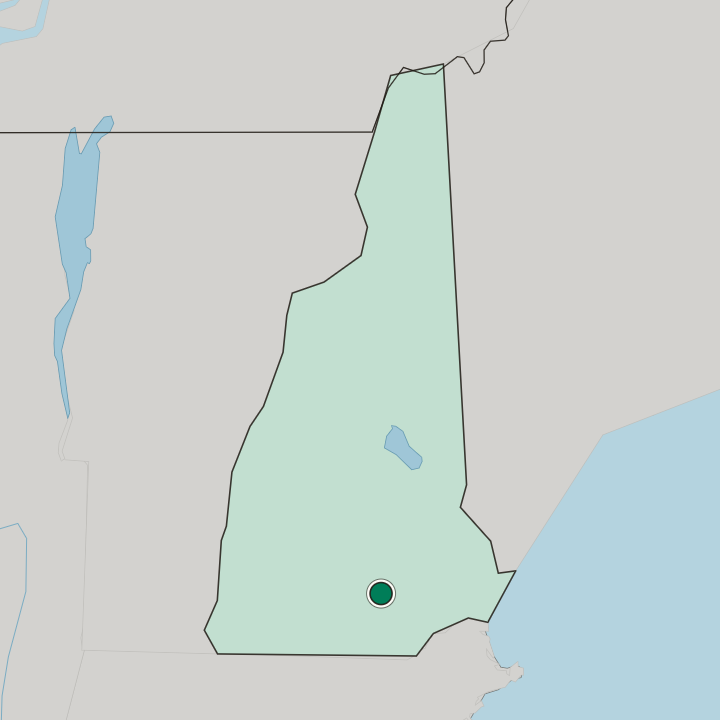
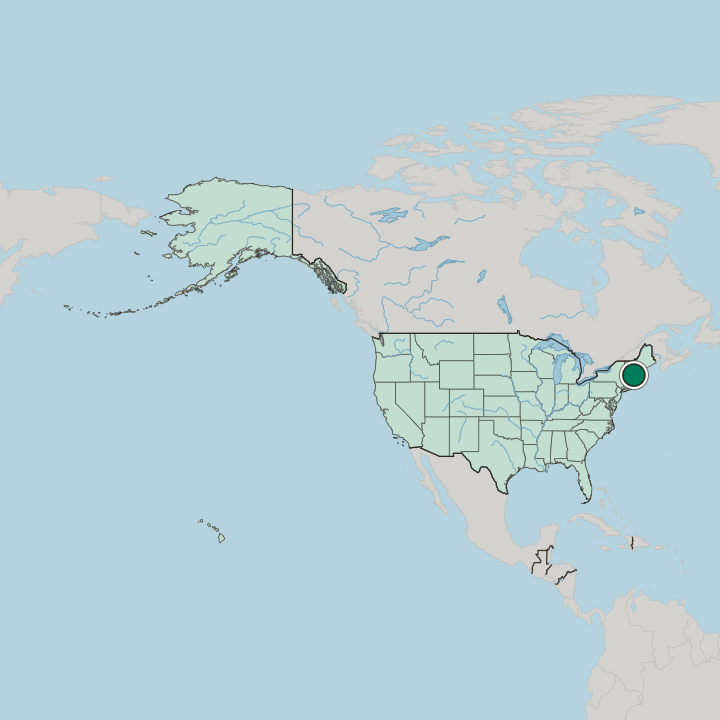
Manchester sits inland in southern New Hampshire, on the river terraces where the old Amoskeag mills line the water. The land rises east and west from the valley floor into low wooded hills. Its centre is compact.
The Neville archaeological site marks the older ground along the river, and Varick Park anchors the built city that spread outward from the mill blocks across New Hampshire's largest urban footprint.
What is the climate of Manchester?
Manchester keeps a temperate climate, set well back from the coast. Winters run cold and snowy, the kind that whitens the mill roofs and the streets around Gill Stadium for weeks at a stretch. Come summer the city turns warm and leafy.
That milder season fills the ballparks and the shaded paths through Varick Park, while spring and autumn stay short and changeable across this inland corner of New Hampshire, with crisp bright days between the colder spells.
How do you get to Manchester?
Manchester is the main transport hub of southern New Hampshire and easy to reach by road. Its own airport carries the region's scheduled flights, a short drive from the mill-district centre. Interstate highways link it north and south through the valley.
From the city core you can walk between the Currier Museum of Art, Delta Dental Stadium and Gill Stadium, so once you arrive in Manchester most of the centre is manageable on foot.
Common questions
What is the best area to stay in Manchester?
Downtown mill district: First-time visitors near the Currier Museum of Art and the stadiums. Delta Dental Stadium blocks: Summer baseball crowds and downtown weekends. Ste. Marie residential edge: A quieter, longer base among the older houses.
Good for
Another city in New Hampshire
Updated October 2026