United States · South Dakota
Where to Stay in Sioux Falls, South Dakota
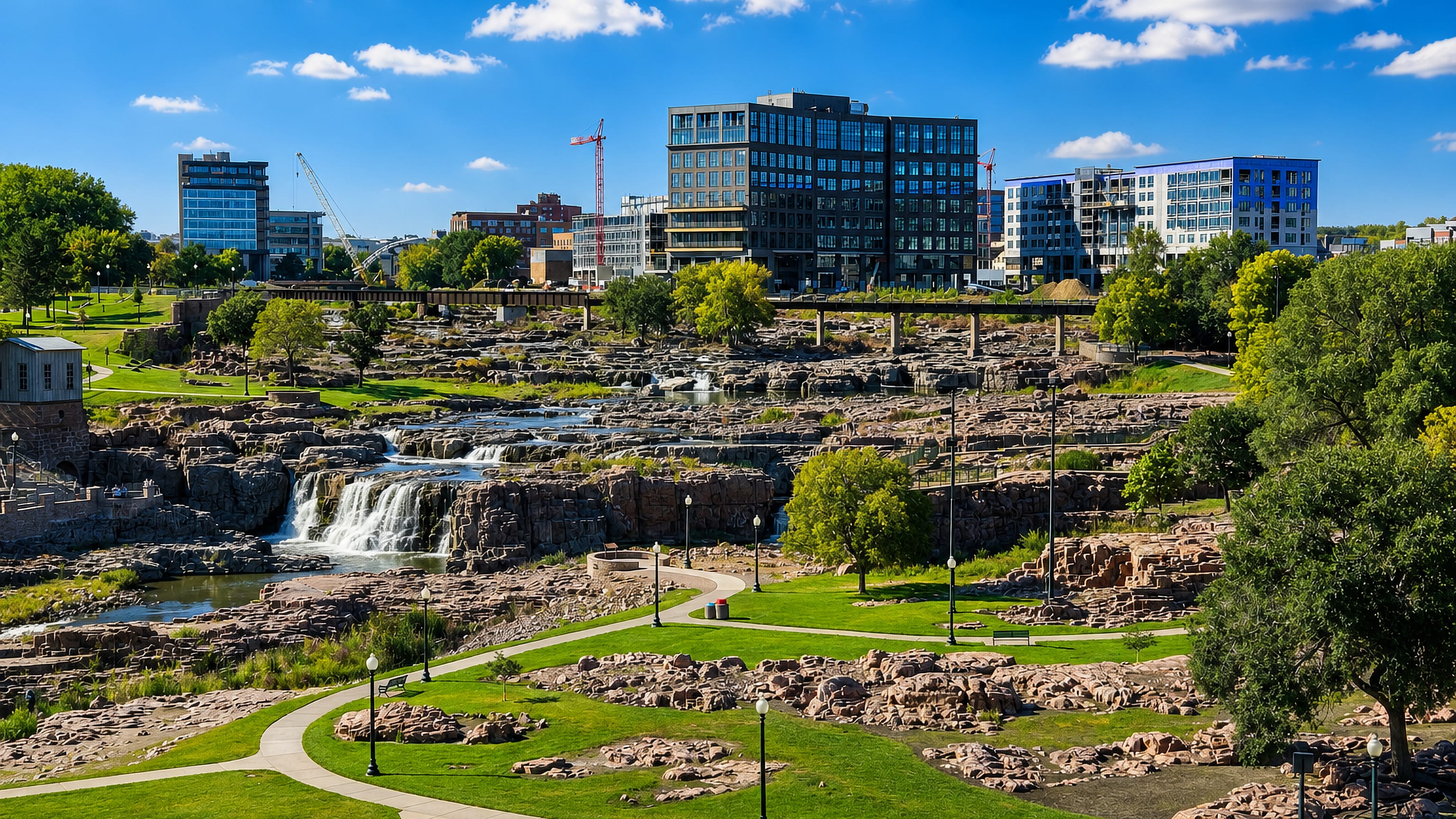
The Big Sioux River drops over quartzite ledges at Sioux Falls, a city in South Dakota chartered in 1856 and known for its falls and St. Joseph Cathedral.
Hotel links are affiliate links: booking through them may earn us a commission, at no extra cost to you. It never affects how places are ranked. How this works


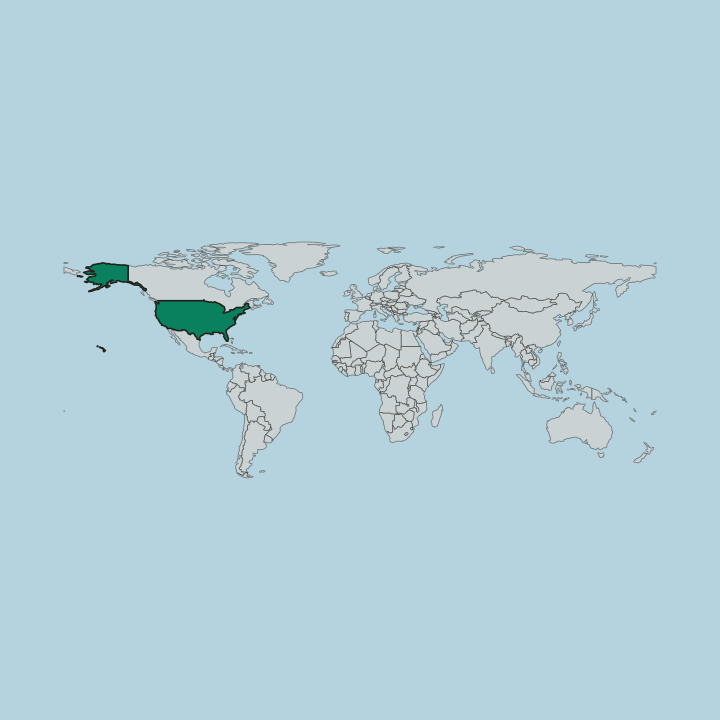
Where to stay in Sioux Falls
Where the beds are, and what that means for the visit.
Sioux Falls sorts into stay areas set around the falls, the cathedral hill, and the interstate ring in South Dakota. The riverfront core near the Big Sioux River and the Washington Pavilion of Arts and Science suits travelers who want the waterfall, the museum halls, and the older downtown streets within a short walk of the door. Base here for the falls.
A short way uphill, the streets below St. Joseph Cathedral and the First Congregational Church give a quieter, walkable base among the heritage homes of the old residential lanes. Visitors drawn to events and sport do better nearer the Denny Sanford Premier Center and Howard Wood Field, where the arena grounds and the stadium sit close to the freeway junction. If you want the zoo and the western parks, stay by the Great Plains Zoo instead.
Each pocket trades a different asset for its quiet. Choose the bed by the itinerary, and the flat grid keeps the city easy to cross between the river and the interstates.
Find hotels in Sioux Falls
Direct booking searches for these neighbourhoods.
Riverfront core by the falls
The Big Sioux River falls and the Washington Pavilion of Arts and Science sit within a short walk, keeping the cascade and the museum halls at the door.Find hotels in Riverfront core by the fallsQuiet heritage stays below the cathedralCathedral hill heritage lanes
The residential lanes below St. Joseph Cathedral and the First Congregational Church hold the older homes on the quieter rise above downtown.Find hotels in Cathedral hill heritage lanesEvent and sport stays near the freeway junctionArena grounds by the interstate ring
The Denny Sanford Premier Center and Howard Wood Field sit close to the interstate junction, pairing the arena and stadium with quick highway access.Find hotels in Arena grounds by the interstate ringHotel links are affiliate links: booking through them may earn us a commission, at no extra cost to you. It never affects how places are ranked. How this works
Things to do in Sioux Falls
Ranked by global recognition; descriptions from Wikidata (CC0).
Museums & Galleries
1- Washington Pavilion of Arts and Science Heritage
Churches & Religious Sites
2- St. Joseph Cathedral Heritage
- First Congregational Church Heritage
Castles & Historic Sites
1- Pioneers of Minnehaha County Monument
Stadiums & Sports
3- Denny Sanford Premier Center
- Sioux Falls Stadium
- Howard Wood Field
Landmarks & Notable Places
8- Andrew O. Huseboe House Heritage
- Brooks Brothers Home Heritage
- Charles A. Thomas House Heritage
- Daniel Lund House Heritage
- Edward Coughran House Heritage
Show 3 more →
- Harrison DeLong House Heritage
- Marion E. Bowen House Heritage
- Parmley-Pankow House Heritage
worth knowingacross 5 categories in Sioux Falls
About Sioux Falls
What is Sioux Falls known for?
Sioux Falls is known for the waterfall that names it and for the civic landmarks gathered nearby in South Dakota. The Big Sioux River carves the falls. St. Joseph Cathedral rises above the city's older streets, while the Washington Pavilion of Arts and Science holds the performing-arts and museum halls and the Great Plains Zoo keeps the animal collection on the western side of town, and the Denny Sanford Premier Center anchors the events grounds out toward the interstate ring.
What are the main landmarks in Sioux Falls?
Sioux Falls centers its landmarks on the river falls and the civic core in South Dakota. St. Joseph Cathedral is the signature site, its twin spires standing over the older streets near the Big Sioux River. Culture gathers close by.
The Washington Pavilion of Arts and Science holds the concert and museum halls, while the Great Plains Zoo keeps the animal collection and the Denny Sanford Premier Center hosts the arena events. Howard Wood Field and the Pioneers of Minnehaha County Monument mark the older sporting and civic ground nearby.
What is the history of Sioux Falls?
Sioux Falls was chartered in 1856 on the banks of the Big Sioux River, where the water dropped over quartzite ledges in what became South Dakota. The falls drew the first settlers. The river's power and the crossing point set the earliest streets, and Minnehaha County grew up around the young town as farming families spread across the surrounding rolling hills of the northern plains.
Churches, schools, and civic halls then shaped the growing city. The congregations that raised St. Joseph Cathedral and the First Congregational Church left the landmark buildings that still stand above the old core, while pioneer families built the fine homes the Daniel Lund House and the Harrison DeLong House preserve along the heritage lanes. Learning and sport followed.
The Washington Pavilion of Arts and Science later gathered the museum and concert halls, Howard Wood Field kept the city's athletic tradition, and the Pioneers of Minnehaha County Monument marked the settlers who founded the town on the river. Each era left a building still standing near the falls.
Where is Sioux Falls?
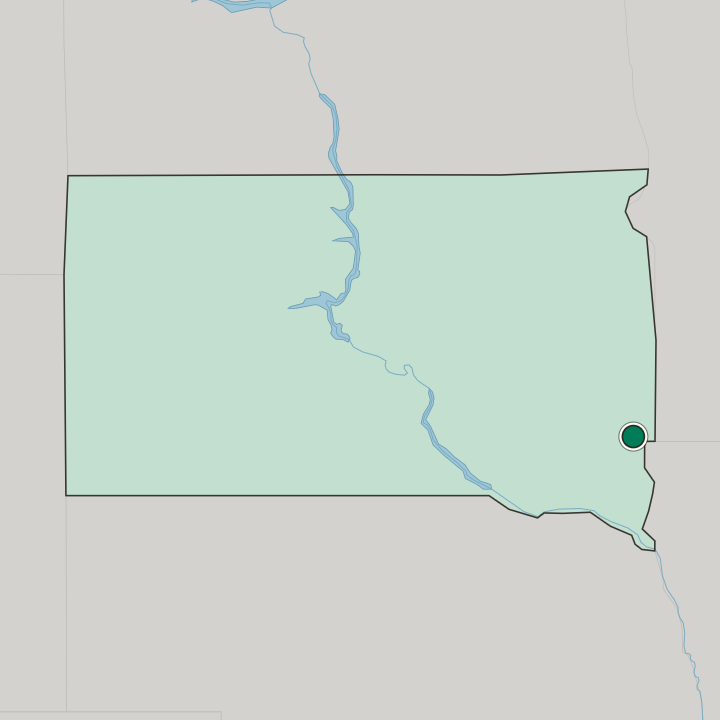
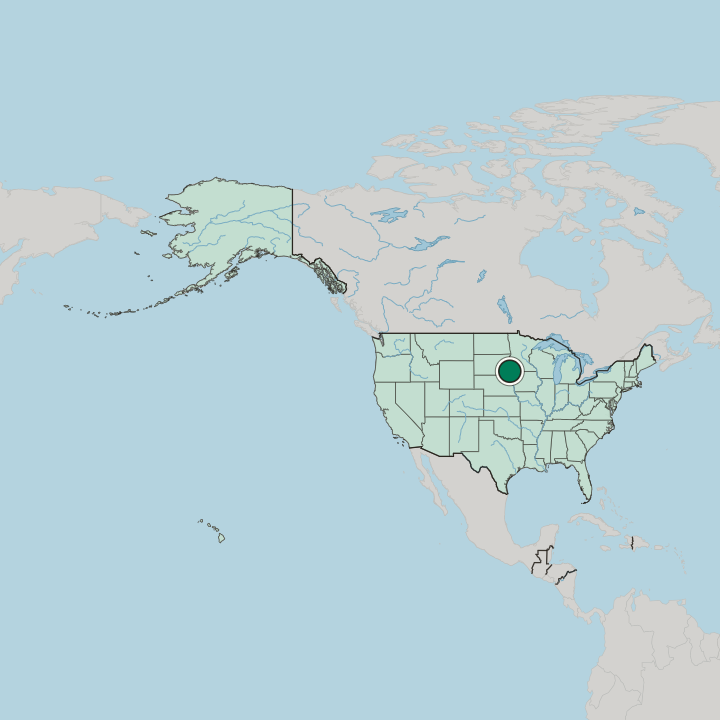
Sioux Falls sits in the rolling hills of southeastern South Dakota, where the Big Sioux River bends through the town and drops over its quartzite falls. The setting is open and gently rolling. Its historic core gathers along the river, so the falls, St. Joseph Cathedral, and the Washington Pavilion of Arts and Science all fall within a walkable band.
The flat street grid then runs out across the plain toward the interstate ring and the western parks by the Great Plains Zoo.
What is the climate of Sioux Falls?
Sioux Falls has a continental climate typical of the northern Great Plains in South Dakota. Winters run long and cold. Snow and hard freezes settle across the open country from late autumn into spring, so the indoor halls of the Washington Pavilion of Arts and Science carry much of the cold-season visiting.
Summers turn warm and green, with thunderstorms rolling over the rolling hills, and the Big Sioux River and its falls draw the warm-weather crowds to the riverfront parks.
How do you get to Sioux Falls?
Sioux Falls sits at the junction of two interstate highways in South Dakota, so most visitors arrive by car. Two freeways cross here. The highways meet on the eastern edge and ring the town, putting the Denny Sanford Premier Center and the arena grounds close to the interchanges.
From the riverfront core the falls, St. Joseph Cathedral, and the Washington Pavilion of Arts and Science stay walkable, while drivers use the ring roads to reach the Great Plains Zoo and the western parks.
Common questions
What is the best area to stay in Sioux Falls?
Riverfront core by the falls: Waterfall and museum stays within a short walk. Cathedral hill heritage lanes: Quiet heritage stays below the cathedral. Arena grounds by the interstate ring: Event and sport stays near the freeway junction.
Good for
Another city in South Dakota
Updated October 2026