Uruguay · Departamento de Cerro Largo
Where to Stay in Melo, Departamento de Cerro Largo
Melo is the capital of Cerro Largo, a department of north-eastern Uruguay, laid out in 1795 around the cathedral at its centre.
Hotel links are affiliate links: booking through them may earn us a commission, at no extra cost to you. It never affects how places are ranked. How this works


Where to stay in Melo
How the choice of base plays out on the ground.
The cathedral fixes the centre. Melo was laid out in 1795 and the ground around the Cathedral of Melo is still the part of the city where the civic business of Cerro Largo is transacted, which makes it the default choice for a first stay. Walking handles the whole town.
The built-up area covers something close to 19 square kilometres, so a room near the Regional History Museum of Melo and a room near the cathedral are not far apart, and the walk between them takes in most of what the city puts on show. Cerro Largo has no second city of comparable weight. Beds in the department concentrate in Melo, so travellers moving through north-eastern Uruguay tend to use the departmental capital as the fixed point and make day trips from it rather than the other way round.
The Central Interior is the frame. Uruguay's inland belt is thinly served by comparison with the coast, and a night in Melo buys the services of a capital in a part of the country where those are not evenly spread. You will want the cathedral side if the museum and the old grid are the reason for the trip.
Find hotels in Melo
Direct booking searches for these neighbourhoods.
Around the Cathedral of Melo
The cathedral square is the fixed point of the plan Melo was laid out on in 1795, and the departmental offices of Cerro Largo sit in the same few blocksFind hotels in Around the Cathedral of MeloVisitors whose day is built around the Regional History Museum of MeloThe Regional History Museum quarter
The museum keeps the record of Cerro Largo in the city that administers the department, a short walk off the cathedral blocksFind hotels in The Regional History Museum quarterTravellers using Melo as the one served base in north-eastern UruguayThe Central Interior approach
Melo is the departmental capital that routes across the Central Interior fall back on, since Cerro Largo concentrates its beds in the one townFind hotels in The Central Interior approachHotel links are affiliate links: booking through them may earn us a commission, at no extra cost to you. It never affects how places are ranked. How this works
About Melo
Cerro Largo is run from here.
What is Melo known for?
Melo holds the department's seat in north-eastern Uruguay, and the two buildings visitors are most often pointed toward are the Cathedral of Melo and the Regional History Museum of Melo, both within the compact grid the town was laid out on. The founding date is 1795. Guidebooks file Melo under the Central Interior, the inland belt of Uruguay away from the coastal departments, and the city administers Cerro Largo from the middle of that belt.
What are the main landmarks in Melo?
Two buildings carry the list. The Cathedral of Melo stands at the centre of the grid the city was set out on in 1795, and the Regional History Museum of Melo holds the documentary record of Cerro Largo a short distance from it. Neither is large.
What they cover between them is the founding of a departmental capital in the interior of Uruguay and the two centuries of departmental business that followed it.
What is the history of Melo?
Melo was founded in 1795. The date puts Melo among the older foundations of Uruguay, and the grid set down then still governs the middle of the town that grew to administer the department of Cerro Largo. The museum is the explicit archive.
Its subject is Cerro Largo rather than the country as a whole, so the history it presents is regional, and the city that administers the department is the natural place for it to sit. Melo stands away from any coast. Uruguay's Central Interior takes in the ground Melo occupies, well back from the coastal cities, and a departmental capital there has always drawn its importance from the countryside it serves rather than from a port.
Cerro Largo is that countryside. The department is administered from the city, and the two named institutions the city keeps, the Cathedral of Melo and the Regional History Museum of Melo, are the visible part of that arrangement. Little else survives in public form.
What Melo carries from 1795 is its position rather than its fabric, and the department around it has kept the city in the same role, as the seat from which Cerro Largo is run and the point on the Central Interior routes that travellers actually reach.
Where is Melo?
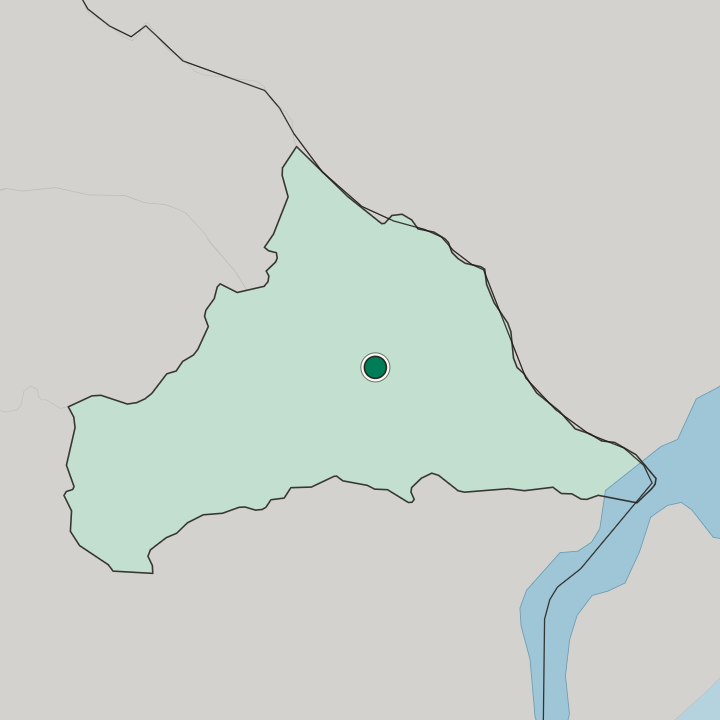
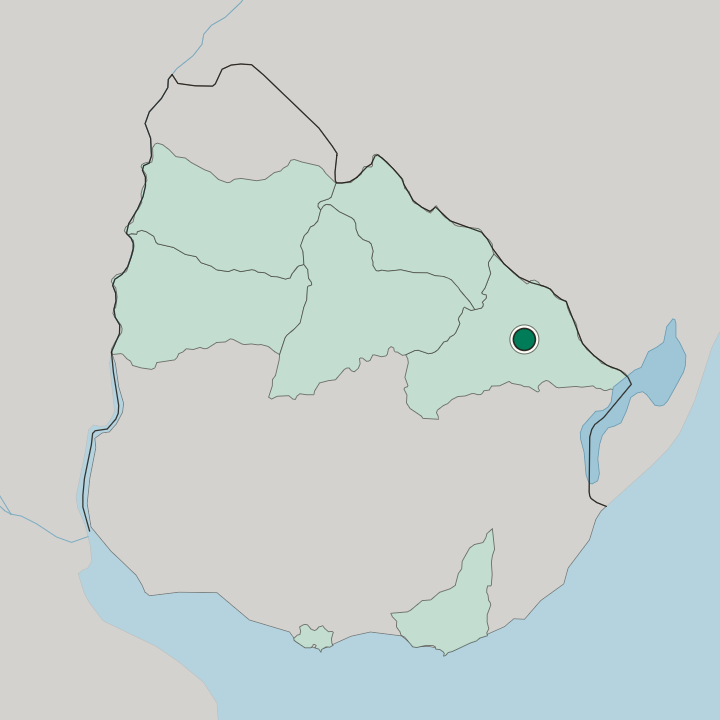
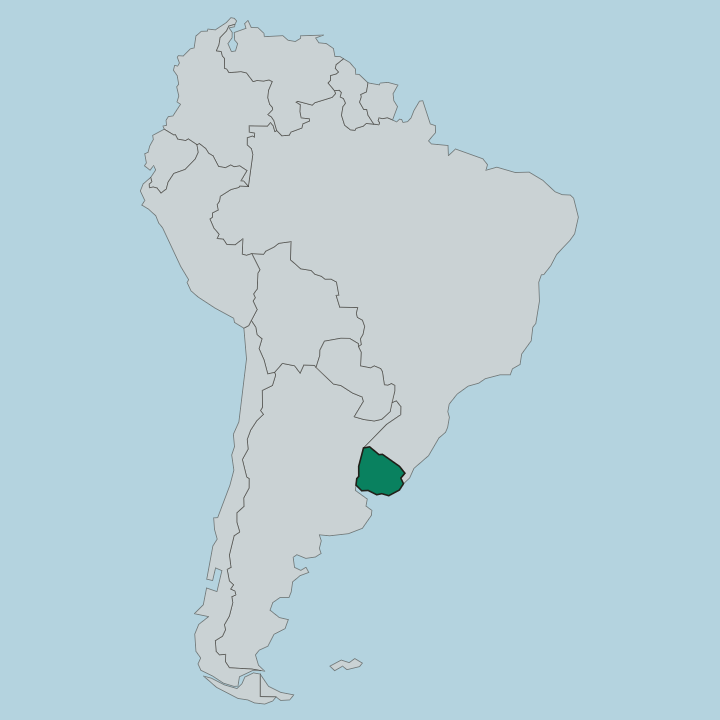
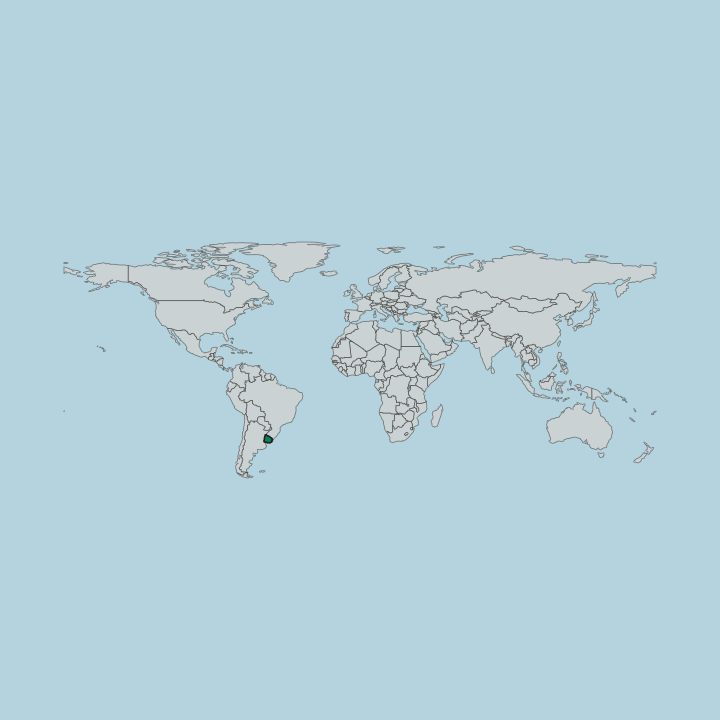
The ground is interior country. Melo covers roughly 19 square kilometres of north-eastern Uruguay, in the belt guidebooks call the Central Interior, far enough from the coast that the city's frame of reference is the department around it. Cerro Largo supplies that frame.
The city lies in the southern hemisphere, in the subtropical band, which puts its seasons opposite to the northern calendar.
What is the climate of Melo?
Distance from the coast does the work here. Melo lies well inland in the Central Interior, and Cerro Largo gets little of the sea air that reaches Uruguay's coastal departments, which leaves the subtropical band the city sits in to set the pattern on its own. The calendar runs inverted.
Summer falls around the turn of the year in this southern hemisphere city, and the coolest stretch arrives in the middle months.
How do you get to Melo?
Every approach to Melo is by road. No coast and no navigable approach serve Melo, so every route into the city crosses the interior of Uruguay, and the departmental capital of Cerro Largo is reached from the roads that thread the Central Interior rather than from a port. The city is the regional terminus.
Traffic bound for the north-eastern part of the country converges on it, because Cerro Largo concentrates its services in the one place.
Common questions
What is the best area to stay in Melo?
Around the Cathedral of Melo: First stays that put the Cathedral of Melo and the 1795 grid on the doorstep. The Regional History Museum quarter: Visitors whose day is built around the Regional History Museum of Melo. The Central Interior approach: Travellers using Melo as the one served base in north-eastern Uruguay.
Updated September 2026