Uruguay · Departamento de Tacuarembó
Where to Stay in Tacuarembó, Departamento de Tacuarembó
Tacuarembó is the capital of Uruguay's Tacuarembó Department, a gaucho town named among the birthplaces claimed for Carlos Gardel.
Hotel links are affiliate links: booking through them may earn us a commission, at no extra cost to you. It never affects how places are ranked. How this works


Where to stay in Tacuarembó
The practical side of choosing where to sleep.
Rooms cluster near the cathedral. The blocks around the Cathedral of Tacuarembó hold the town's centre of gravity, and a bed there puts the museums and the everyday business of the departmental capital within an easy walk. Everything sits within a few blocks.
Anyone here for the gaucho collections or for the Gardel connection will spend most of their time inside a few streets, so the walkable core is worth choosing for the time it saves. Outside that core the town gives way to the department's countryside. Roads run out into open grazing land, and a stay that way suits travellers with a car and a reason to be beyond the streets, whether that reason is the ranch country the museums describe or simply a quieter night.
Traffic through Tacuarembó is departmental rather than international. Beds are not plentiful, so a visitor turning up in a busy week without a reservation will find the choice inside the town narrow. Book ahead.
The place is the seat of the Tacuarembó Department, which brings people in from the surrounding country on ordinary business as well as for any visit.
Find hotels in Tacuarembó
Direct booking searches for these neighbourhoods.
Around the Cathedral of Tacuarembó
the blocks by the Cathedral of Tacuarembó, a short walk from the gaucho museumFind hotels in Around the Cathedral of Tacuarembódrivers heading into the grazing country of the Tacuarembó DepartmentThe roads out into the ranch country
open land beyond the streets, out toward the ranching the Museo del Indio y del Gaucho Washington Escobar records. Few places to stay nearby — book ahead.Find hotels in The roads out into the ranch countryHotel links are affiliate links: booking through them may earn us a commission, at no extra cost to you. It never affects how places are ranked. How this works
About Tacuarembó
Gaucho country claims this town.
What is Tacuarembó known for?
Tacuarembó serves as a centre of gaucho culture in the Uruguayan interior, and the Museo del Indio y del Gaucho Washington Escobar sets out that inheritance for anyone who wants to see how the tradition is kept. Carlos Gardel is the other claim. The town is named among the presumed birthplaces of the tango singer, a question that has never been settled and that gives Tacuarembó a place in the history of the music.
What are the main landmarks in Tacuarembó?
The Cathedral of Tacuarembó is the town's landmark. Its bulk marks the centre, and it is the building most visitors end up using to orient themselves. Two museums carry the rest.
The Museo del Indio y del Gaucho Washington Escobar sets out the indigenous and gaucho heritage of the interior, while a sports museum keeps a separate collection in the town, and between them they account for most of what a visitor comes indoors to see.
What is the history of Tacuarembó?
Tacuarembó dates from 1832. The town was laid out in the Uruguayan interior and grew as a centre for the grazing country around it, which is why the gaucho tradition sits so close to the surface of what the place remembers about itself. Cattle country came first.
Administration followed, and the town became the seat of the Tacuarembó Department, the role that still fixes its position in the country. The Gardel question belongs to the town's modern history. Carlos Gardel, the central figure of tango, has more than one place claiming his birth, and Tacuarembó is among them, which has made the singer part of the town's identity whatever the eventual verdict on the argument turns out to be.
The claim is old and unresolved. Alongside it the town has kept its older inheritance in the Museo del Indio y del Gaucho Washington Escobar, where the indigenous and gaucho past of the interior is recorded. The cathedral anchors the centre.
Between the church, the museums and the ranch country outside, the town's history reads as a long relationship with the land around it rather than as a sequence of events imported from elsewhere.
Where is Tacuarembó?
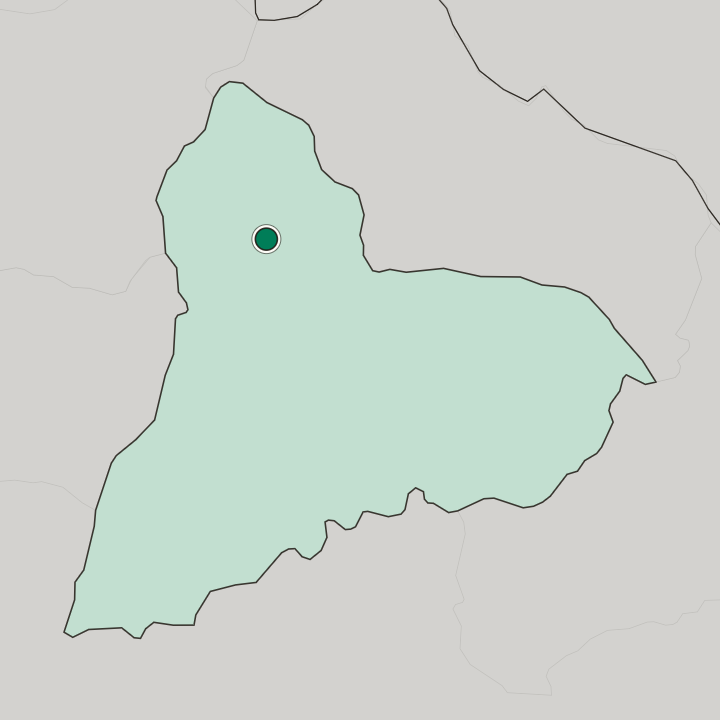
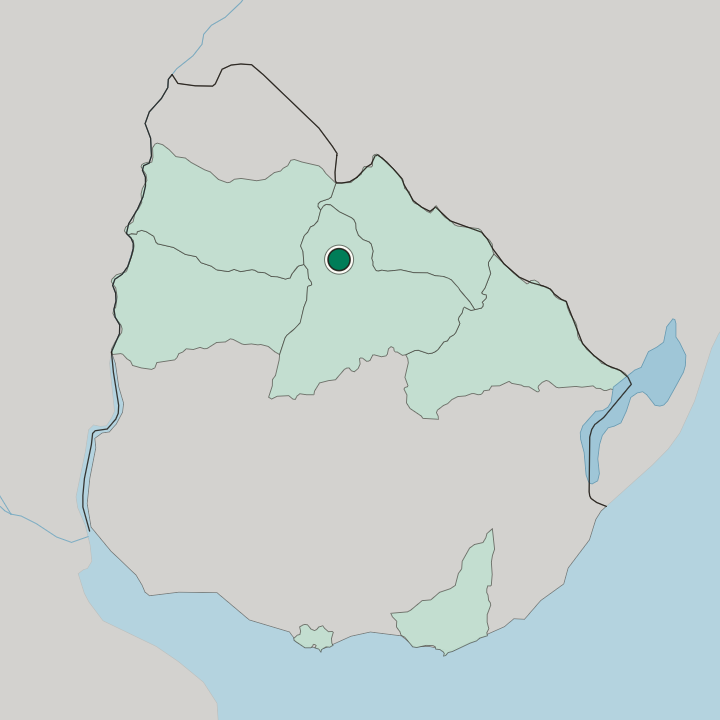
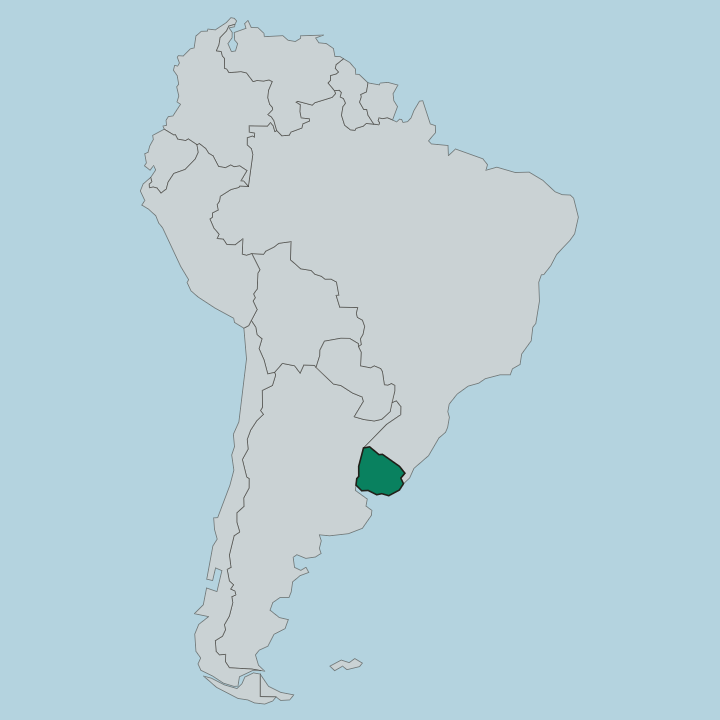
The town sits well inland, in the interior of the country. No coast comes near it, and the ground around Tacuarembó is the open grazing land of the Tacuarembó Department, which the town serves as administrative seat. The built-up area is small.
Streets give out into countryside quickly, so the change from town to ranch land takes only a few minutes on any road leading away from the centre.
What is the climate of Tacuarembó?
January is high summer here. The town lies in the subtropical band below the equator, so the year runs against the northern calendar and the coldest stretch arrives around the middle of it. Nothing tempers the interior air.
Days in the hot months build heat over the surrounding grazing country with no sea anywhere in reach to soften them, and the cool season stays mild while turning noticeably sharper after dark.
How do you get to Tacuarembó?
Roads bring nearly everyone. Tacuarembó is reached overland from the rest of the Tacuarembó Department and from the neighbouring departments beyond it, and the town's position in the interior means the journey is measured in hours across open country. There is no coast to arrive from.
Buses and cars account for the traffic that reaches the departmental capital.
Common questions
What is the best area to stay in Tacuarembó?
Around the Cathedral of Tacuarembó: visitors who want the museums and the centre on foot. The roads out into the ranch country: drivers heading into the grazing country of the Tacuarembó Department.
Updated September 2026