Venezuela · Estado Falcón
Where to Stay in Coro, Estado Falcón
Coro is an old colonial city of northwestern Venezuela, the first Spanish town on the mainland, set between great sand dunes and the Caribbean.
Hotel links are affiliate links: booking through them may earn us a commission, at no extra cost to you. It never affects how places are ranked. How this works


Where to stay in Coro
Where visitors usually base themselves, and why.
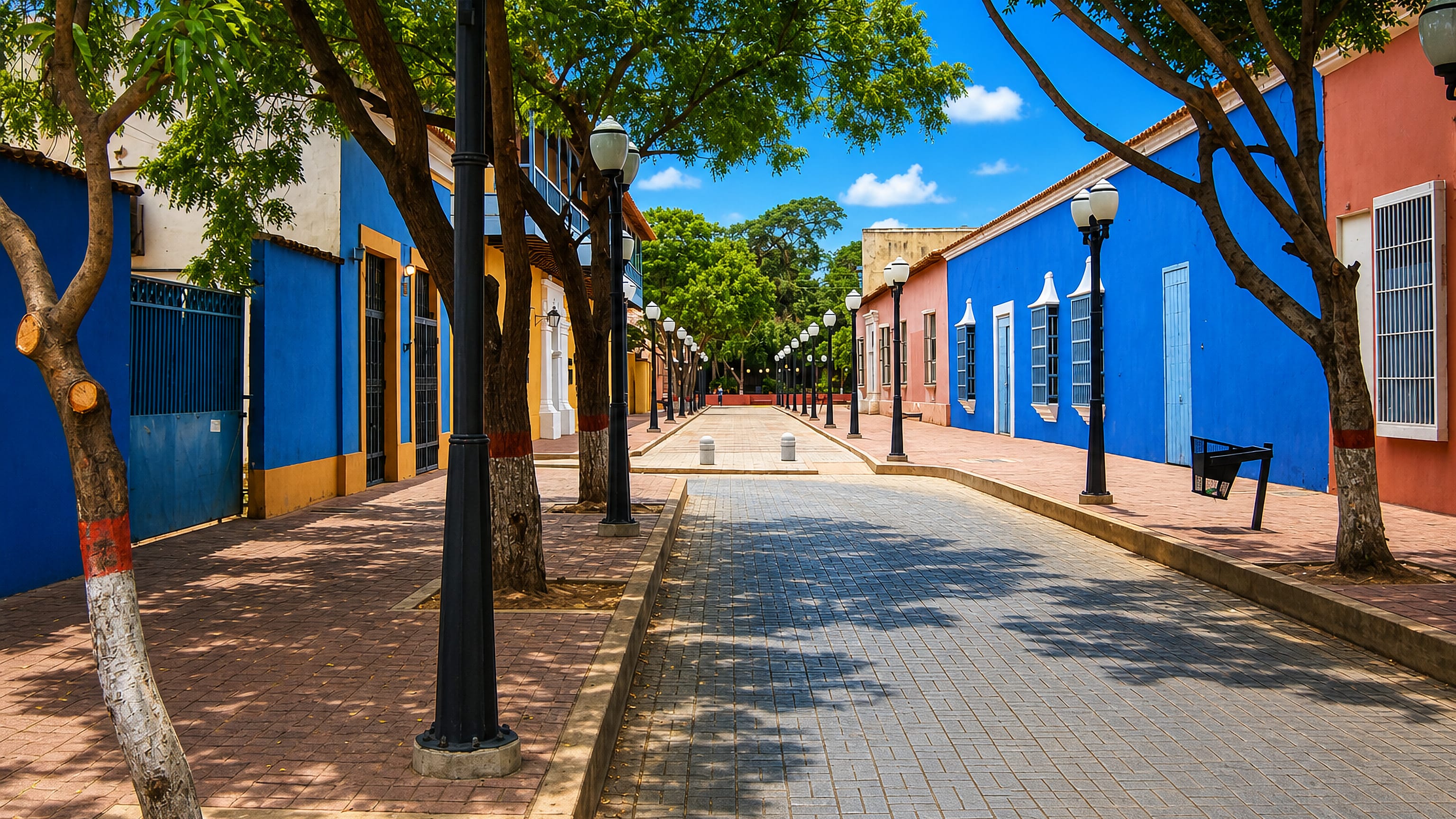
Where you stay in Coro turns on the old town or the dunes. The streets of the earthen quarter keep the churches, the synagogue, and the plazas within a walk, and staying downtown suits anyone here for the old city. The low houses line the lanes.
Palms shade the plazas. Out toward the Médanos and the sea, the town gives way to the sand dunes, the scrub, and the coast. A room by the dunes trades the streets for the rolling sands, the desert light, and the road to the peninsula.
The dunes shift in the wind. Stay downtown for the old quarter, or by the dunes for the sands. Coro's earthen streets sit only a short way inland from the sands.
Find hotels in Coro
Direct booking searches for these neighbourhoods.
The old town
Around the earthen quarterFind hotels in The old townStays wanting the sands and desertThe Médanos dunes
Out toward the Médanos dunesFind hotels in The Médanos dunesHotel links are affiliate links: booking through them may earn us a commission, at no extra cost to you. It never affects how places are ranked. How this works
About Coro
Coro is the first colonial city of the mainland.
What is Coro known for?
On a dry coastal plain of northwestern Venezuela near the Caribbean, it was the first Spanish town founded on the American mainland, and it keeps a beautiful old quarter of earthen colonial houses, one of the oldest synagogues in the Americas, the great shifting sand dunes just north of the town, and the road to the Paraguaná peninsula. The old town runs low and white. The dunes roll to the sea.
What are the main landmarks in Coro?
The old earthen quarter is the treasure of Coro. The streets of low colonial houses built of mud and earthen brick, painted in soft colours under carved wooden eaves, hold the heart of the town, the emblem of the city, in the old centre. Great dunes rise to the north.
The shifting sand dunes of the Médanos roll between the town and the sea, while the old churches, the Sephardic synagogue, and the dry plain mark the country around Coro.
What is the history of Coro?
Coro was the first city of the Spanish mainland. A town rose on this coast in the early sixteenth century, the first the Spanish built on the American mainland, and it became the seat of a bishop and a base for the conquest of the interior. Germans held it briefly.
For a time the Spanish crown pledged the province to German bankers, who ruled it from Coro and hunted the interior for a golden land. The city built in earth. Far from stone, the townsfolk raised their churches and houses of mud and earthen brick, and Coro kept a whole old quarter of these low colonial buildings through the centuries.
Jews came from the islands. Sephardic traders from the Dutch islands settled here and built an early synagogue and cemetery, among the first in the Americas, and Coro grew as a quiet colonial town between the dunes and the sea. The old earthen quarter still stands.
Coro keeps its colonial streets and its dunes on the Caribbean plain.
Where is Coro?
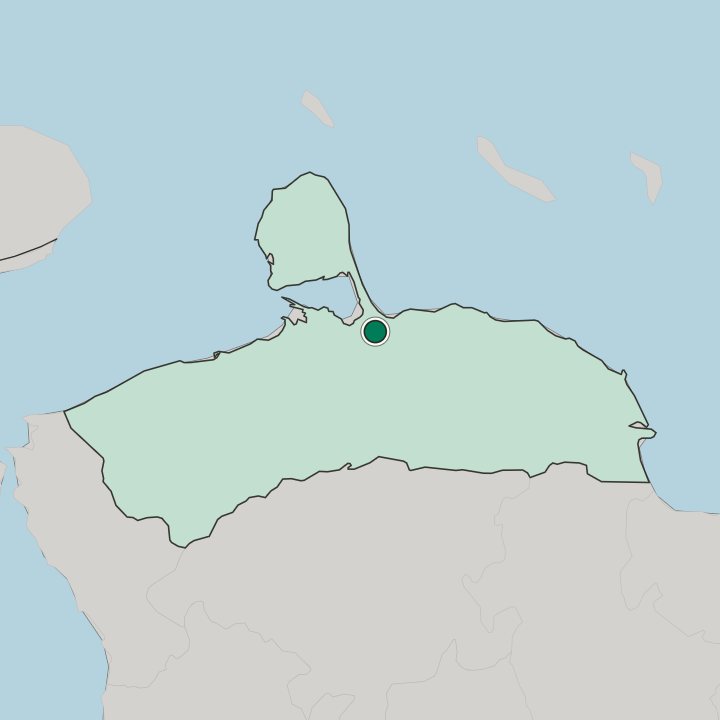
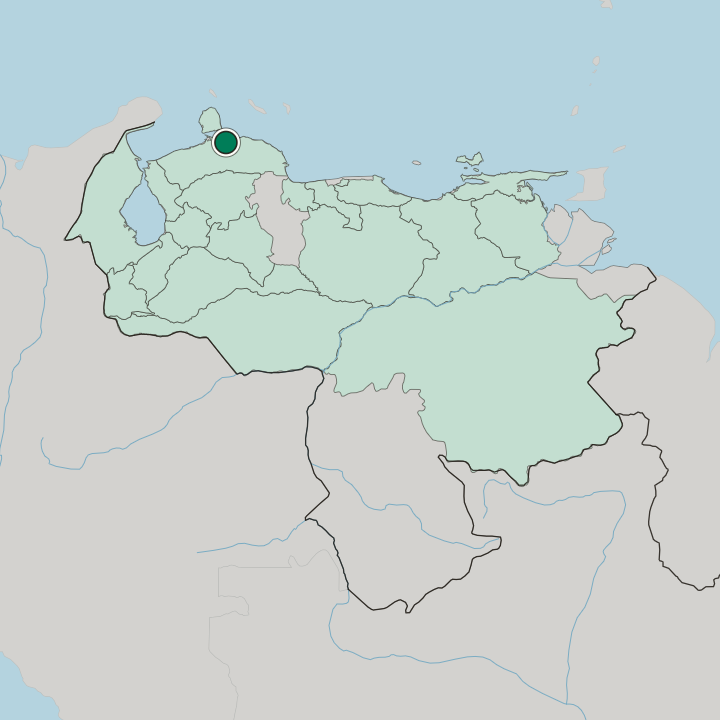
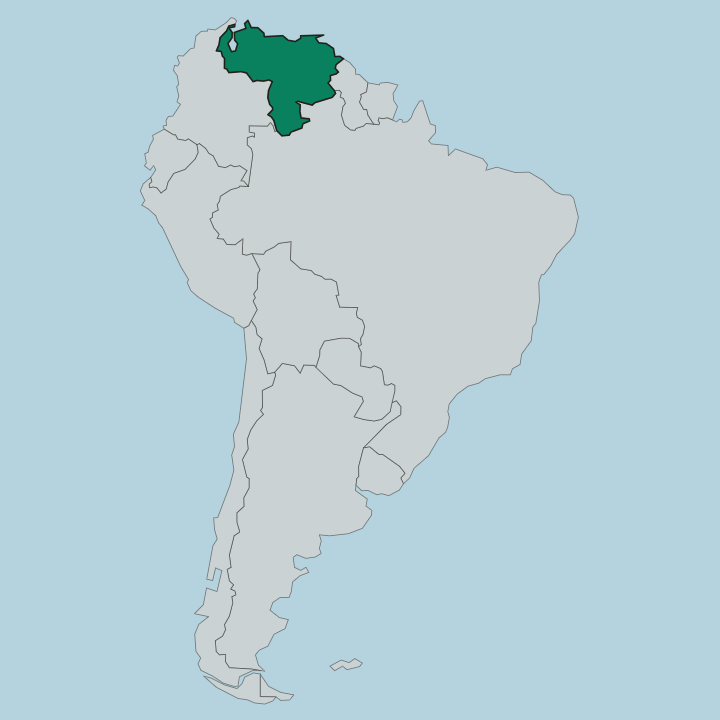
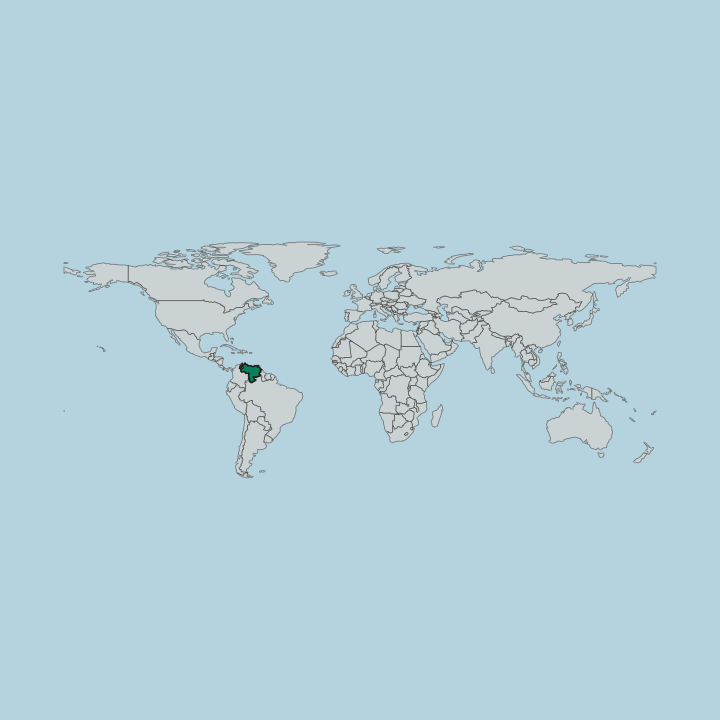
Coro lies in the northwest of Venezuela, on a dry plain near the Caribbean coast. The city stands at the neck of the Paraguaná peninsula, on a low flat plain of scrub and cactus, with great sand dunes rolling between the town and the sea and dry hills rising to the south. The dunes shift in the wind.
Dry scrub spreads around.
What is the climate of Coro?
Coro has a hot, dry semi-desert climate. Hot weather holds all year on the plain, dried by the coastal winds, with little rain and constant sun through most of the year. The wind drives the dunes.
The sun beats on the scrub.
How do you get to Coro?
Coro lies on the northwest coast, at the neck of the Paraguaná peninsula. Roads and buses run to it along the coast from Maracaibo and Barquisimeto, and a road runs north onto the peninsula. Lanes wind through the old quarter.
Maracaibo lies west along the coast.
Common questions
What is the best area to stay in Coro?
The old town: Visitors here for the churches and synagogue. The Médanos dunes: Stays wanting the sands and desert.
Good for
Updated September 2026