Venezuela · Estado Monagas
Where to Stay in Maturín, Estado Monagas
Maturín is the capital of Monagas in Venezuela, a petroleum city on the routes from the coast to the Orinoco Delta and the Gran Sabana.
Hotel links are affiliate links: booking through them may earn us a commission, at no extra cost to you. It never affects how places are ranked. How this works


Where to stay in Maturín
Where the beds are, and what that means for the visit.
Business travel sets the tone for beds in Maturín, since the petroleum industry keeps a steady flow of people arriving on company schedules rather than holiday ones. Two parts of the city matter. Rooms near the iglesia de San Simón sit in the older heart of the city, where the Monumento conmemorativo a Juana La Avanzadora stands a short walk off and the streets carry a density the outskirts lack.
Match nights change the calculation, because the Estadio Alexander Botinni draws crowds from across Monagas and the blocks around it fill. Rooms go quickly then. The airport side works differently.
Along the approach to José Tadeo Monagas International Airport, hotels are built for early departures and for people working in the petroleum industry, and the highways toward the Orinoco Delta and the Gran Sabana leave from the same edge of town. Distance from the centre is the trade. A room out there means driving in for the iglesia de San Simón and the monument, but it means a short run to the terminal when the flight is at dawn, which many visitors to Maturín weigh in its favour.
Find hotels in Maturín
Direct booking searches for these neighbourhoods.
Around the iglesia de San Simón
The iglesia de San Simón and the Monumento conmemorativo a Juana La Avanzadora stand within the same few blocksFind hotels in Around the iglesia de San SimónPetroleum-industry travel and dawn departures from José Tadeo Monagas International AirportThe José Tadeo Monagas airport approach
Beds on the airport approach put the terminal and the highways toward the Orinoco Delta minutes from the doorFind hotels in The José Tadeo Monagas airport approachMatch nights at the Estadio Alexander Botinni with Monagas crowds in townNear the Estadio Alexander Botinni
The stadium sets the mood of every street around it whenever Monagas plays at homeFind hotels in Near the Estadio Alexander BotinniHotel links are affiliate links: booking through them may earn us a commission, at no extra cost to you. It never affects how places are ranked. How this works
About Maturín
What is Maturín known for?
Exploration and development of the petroleum industry drew engineers and money to Maturín, the capital of Monagas, and that work still shapes its streets, its hotels, and the traffic on the highways out of town. Freight moves through constantly. The José Tadeo Monagas International Airport carries what the road routes toward the Orinoco Delta and the Gran Sabana cannot.
Crowds fill the Estadio Alexander Botinni for baseball, and the iglesia de San Simón draws a different sort of visitor on Sunday mornings. Both sit inside the city.
What are the main landmarks in Maturín?
Four names cover most of it. The iglesia de San Simón anchors the older core, the Monumento conmemorativo a Juana La Avanzadora marks the city's chosen memory, and the Estadio Alexander Botinni fills on match days with a crowd drawn from across Monagas. José Tadeo Monagas International Airport belongs on the list too, since for many arrivals it is the first thing in Maturín they see.
What is the history of Maturín?
Maturín was founded in 1760, and for most of the time since, it was a provincial town of Monagas rather than a city of national weight. The iglesia de San Simón survives from the older town. Two and a half centuries separate that founding from the city standing here now, and nearly all of the difference belongs to the most recent stretch of them.
The Monumento conmemorativo a Juana La Avanzadora keeps her name in public view, a commemoration the city has chosen to hold onto. That changed with oil. Exploration and development of the petroleum industry reoriented everything, turning Maturín into a working centre for that industry in Venezuela and giving the state capital a weight it had never held before.
Transport followed the money. Routes from the coast to the Orinoco Delta and the Gran Sabana came to run through the city, and the José Tadeo Monagas International Airport gave it a link that did not depend on the highways at all. Sport arrived with the growth, and the Estadio Alexander Botinni became the place where the city gathers for reasons that have nothing to do with work.
Where is Maturín?
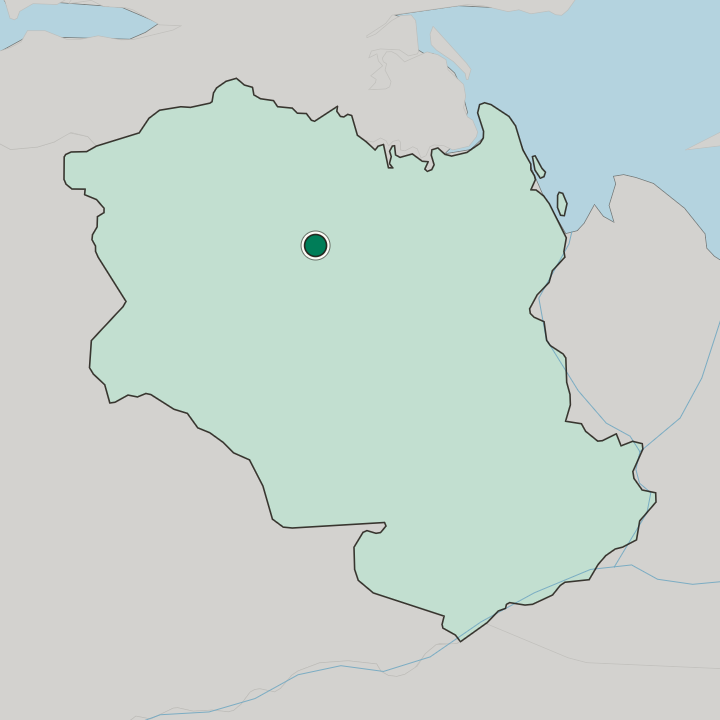
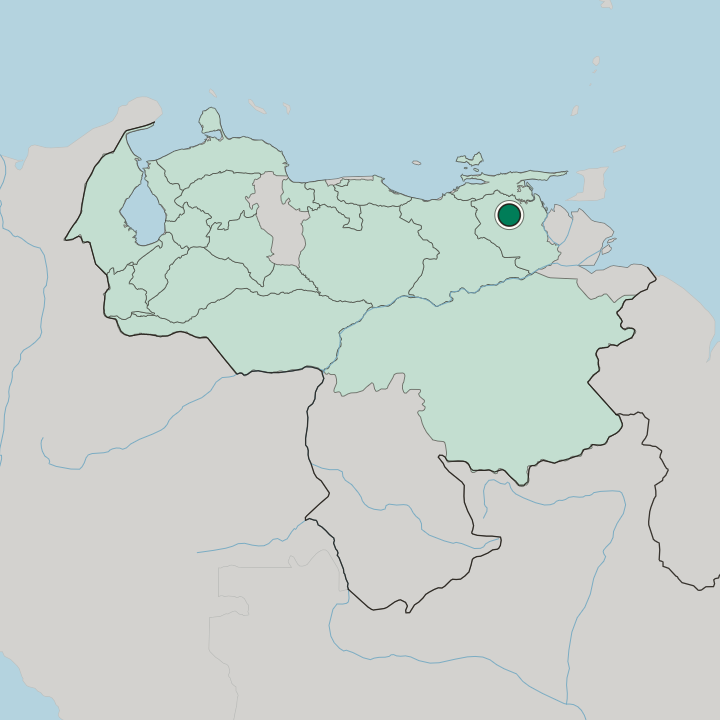
Warm, flat country surrounds the city. Maturín sits in the tropical lowland of Monagas, on the roads that carry traffic from the coast down toward the Orinoco Delta and onward to the Gran Sabana, which makes it a hub for the whole region. The state capital covers a wide municipal territory, so its built-up core gives way quickly to open ground where the highways run clear of buildings.
What is the climate of Maturín?
Maturín lies in the tropical band, so its year turns on wet and dry rather than on warm and cold, and the heat stays close to constant through every month. Rain decides the calendar. Wet months bring heavy rain, and the drier stretch leaves the light hard and the highways out toward the Orinoco Delta dry.
Shade matters more than warm clothing.
How do you get to Maturín?
José Tadeo Monagas International Airport handles the flights, and it is the quickest way in for anyone unwilling to spend a day on the road. Everything else arrives overland. Maturín sits on the regional routes that run from the coast to the Orinoco Delta and on toward the Gran Sabana, so long-distance coaches pass through in both directions and Monagas traffic converges here.
Common questions
What is the best area to stay in Maturín?
Around the iglesia de San Simón: Arrivals who want the old parish core and the Juana La Avanzadora monument on foot. The José Tadeo Monagas airport approach: Petroleum-industry travel and dawn departures from José Tadeo Monagas International Airport. Near the Estadio Alexander Botinni: Match nights at the Estadio Alexander Botinni with Monagas crowds in town.
Good for
Updated September 2026