Venezuela · Estado Sucre
Where to Stay in Cumaná, Estado Sucre
Cumaná, capital of Sucre State in Venezuela, is the oldest continuously settled Hispanic-founded city in South America.
Hotel links are affiliate links: booking through them may earn us a commission, at no extra cost to you. It never affects how places are ranked. How this works


Where to stay in Cumaná
Where visitors usually base themselves, and why.
Most visitors base near the old core. Cumaná's older streets carry the Basílica de Santa Inés, the Castillo Santa María de la Cabeza, and the Museo Gran Mariscal de Ayacucho within a short radius of one another, so a room in that quarter reaches all three on foot. Sucre State runs its business from here.
Being the state capital means the city keeps the administrative traffic that a smaller town would not, and lodging follows that pattern more than it follows the tourist calendar. Distance from Caracas matters. Cumaná lies well east of Caracas, far enough that arriving travellers usually plan a night on arrival rather than treating the city as a day trip from the capital.
If you are here for the history rather than for business, the old quarter answers it, since the Basílica de Santa Inés, the Castillo Santa María de la Cabeza, and the Museo Gran Mariscal de Ayacucho sit within the same few blocks. Estado Sucre spreads out beyond it. The wider municipality covers a great deal of ground, so a base outside the old streets can mean a longer journey in than the map of the city suggests.
Find hotels in Cumaná
Direct booking searches for these neighbourhoods.
Santa Inés
The oldest streets of Cumaná, with the Basílica de Santa Inés and the Castillo Santa María de la Cabeza a few blocks apart.Find hotels in Santa Inésstate business in Sucre StateCumaná centre
Where Estado Sucre keeps its administration, a short walk from the Museo Gran Mariscal de Ayacucho.Find hotels in Cumaná centreHotel links are affiliate links: booking through them may earn us a commission, at no extra cost to you. It never affects how places are ranked. How this works
About Cumaná
What is Cumaná known for?
Cumaná was among the first cities Spain established on the mainland of the Americas, and it holds the record as the oldest continuously settled Hispanic-founded city in South America. That founding did not go unchallenged. Indigenous people of the area mounted several successful counters against Spanish incursion, and the settlement had to be refounded more than once before it held.
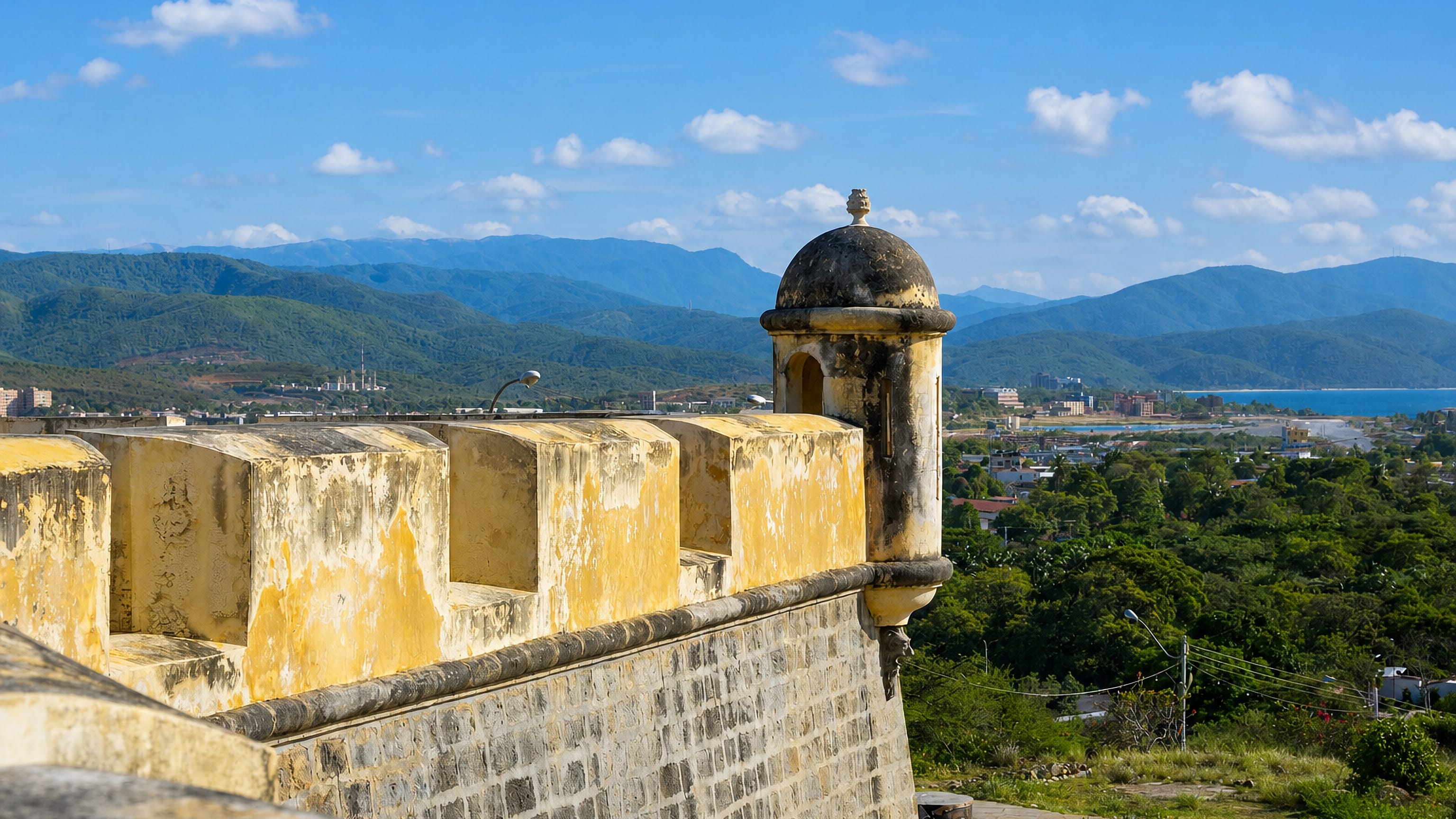
The Castillo Santa María de la Cabeza and the Basílica de Santa Inés stand among what that history left.
What are the main landmarks in Cumaná?
Three names carry the record. The Castillo Santa María de la Cabeza is the fortification the old city kept, the Basílica de Santa Inés holds its religious ground, and the Museo Gran Mariscal de Ayacucho gathers what Cumaná keeps of its past. Cumaná's standing as the oldest continuously settled Hispanic-founded city in South America is what the museum and the fortification are there to hold.
What is the history of Cumaná?
Spain planted a settlement here in 1502. That makes Cumaná one of the earliest cities Spain founded anywhere on the mainland of the Americas, and it is counted as the oldest continuously settled Hispanic-founded city in South America. Holding it proved difficult from the start.
Indigenous people of the area mounted several successful counters against Spanish incursion into their land, and the result was that the city had to be refounded several times before the settlement stuck. Administration came a good deal later. Cumaná became the capital of Sucre State, and the municipality of Sucre grew up around the old city so that the two names now describe the same place at different scales.
Caracas lies well to the west of it. Distance from the national capital left Cumaná to develop as the centre of its own region rather than as a suburb of anywhere, and Estado Sucre still runs from it. The Castillo Santa María de la Cabeza, the Basílica de Santa Inés, and the Museo Gran Mariscal de Ayacucho are what that long record left standing in the old streets.
Where is Cumaná?
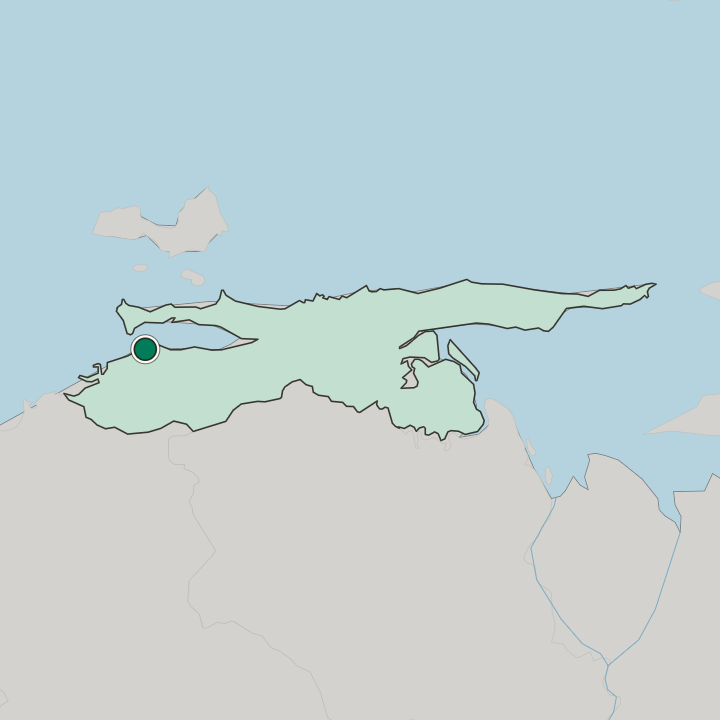
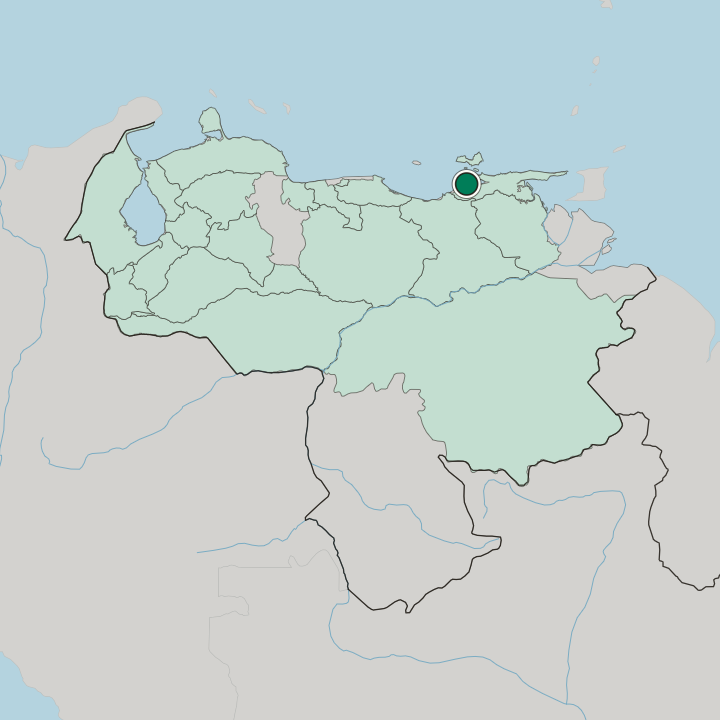
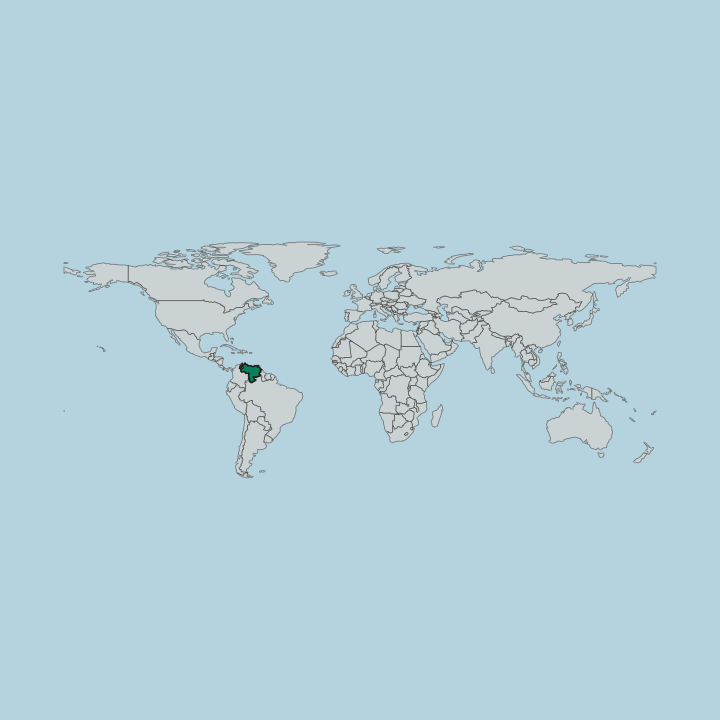
Cumaná sits east of Caracas. The city stands within Estado Sucre, whose administration it houses, and the municipality attached to it takes in a considerable spread of ground beyond the old streets themselves. Tropical latitudes take in the whole municipality.
Ground at this remove from Caracas belongs to a different part of Venezuela than the capital region, and Sucre State reads as its own territory rather than an extension of anywhere else.
What is the climate of Cumaná?
Rain marks the calendar more than temperature. Cumaná lies in the tropical belt north of the equator, where the year divides by wet and dry spells rather than by wide swings of temperature, and the difference between one month and the next is small compared with what a traveller from a temperate country expects. Shade matters more than a jacket.
How do you get to Cumaná?
Caracas is the usual starting point. Cumaná lies a long way east of it, which makes the journey a proper undertaking rather than a hop, and travellers usually treat the city as a destination in its own right instead of a day trip. Getting around is simpler.
Once here, the old streets around the Basílica de Santa Inés and the Castillo Santa María de la Cabeza are close enough together that most of the visiting is done on foot.
Common questions
What is the best area to stay in Cumaná?
Santa Inés: walking between the basilica and the fort. Cumaná centre: state business in Sucre State.
Good for
Another city in Estado Sucre
Updated September 2026