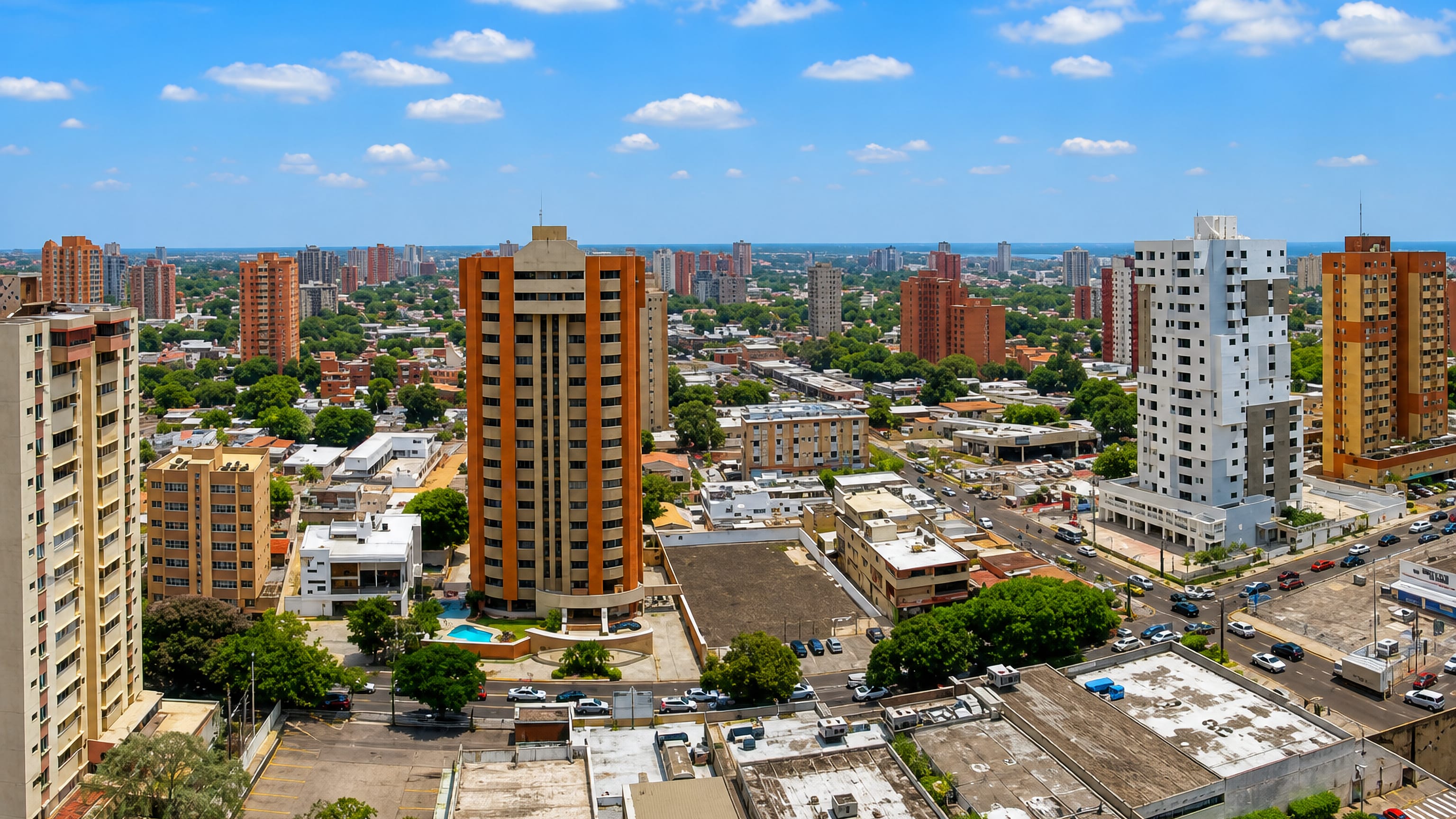
Venezuela · Estado Zulia
Where to Stay in Maracaibo, Estado Zulia
Maracaibo is a city of western Venezuela on its great lake, capital of Zulia, an oil city of fierce heat, folk music, and the lightning of the Catatumbo.
Hotel links are affiliate links: booking through them may earn us a commission, at no extra cost to you. It never affects how places are ranked. How this works


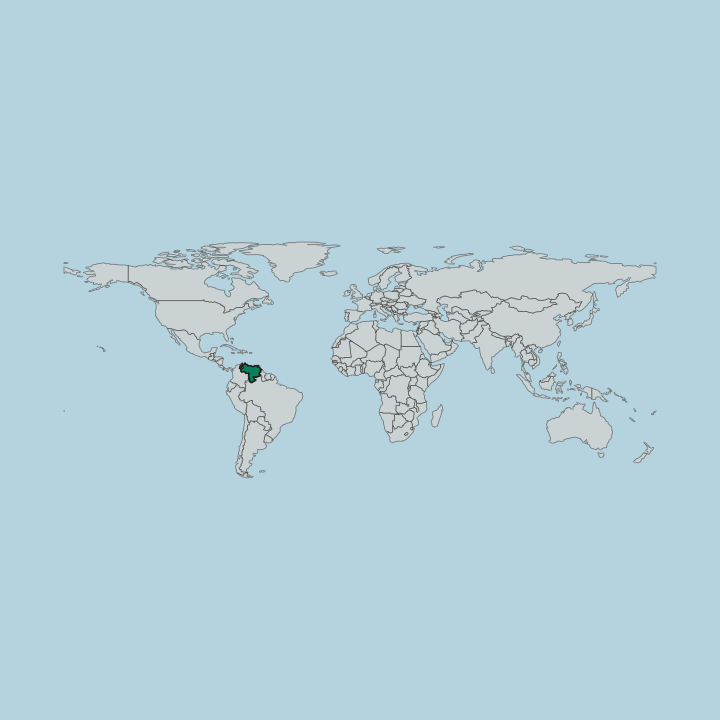
Where to stay in Maracaibo
Where visitors usually base themselves, and why.
Where you stay in Maracaibo turns on the centre or the lake. The old streets around the cathedral keep the theatre, the shrine, and the painted houses within a walk, and staying downtown suits anyone here for the city. The lake lies just east.
Heat hangs over the streets. Out toward the shore and the bridge, the town gives way to the lakeside malls, the waterfront, and the road across the water. A room by the lake trades the old streets for the wide views, the cooling breeze, and the lights of the bridge at night.
The lake runs south for miles. Stay downtown for the old city, or out for the lake. The oil lake and the great bridge hold the maracucho city.
Find hotels in Maracaibo
Direct booking searches for these neighbourhoods.
The old centre
Around the cathedralFind hotels in The old centreStays wanting the waterfront and bridgeBy the lake
Toward the shoreFind hotels in By the lakeHotel links are affiliate links: booking through them may earn us a commission, at no extra cost to you. It never affects how places are ranked. How this works
Things to do in Maracaibo
Ranked by global recognition; descriptions from Wikidata (CC0).
Churches & Religious Sites
3- St. Peter and St. Paul Cathedral, Maracaibo
- Saint Barbara Church (Maracaibo)
- Church of St. Lucia
Castles & Historic Sites
1- Ángel de Amparo
Stadiums & Sports
1- Estadio Luis Aparicio El Grande
worth knowingacross 3 categories in Maracaibo
About Maracaibo
Maracaibo is the oil city of the great lake.
What is Maracaibo known for?
On the shore of Lake Maracaibo in the west of Venezuela, it rose on the wealth of the derricks, and it keeps the long bridge across the lake's mouth, the old theatre and painted houses of the centre, the shrine of the Chinita venerated across Zulia, and the eternal lightning that flares each night over the Catatumbo. The wide lake burns in the heat. Oil towers stand out in the water.
What are the main landmarks in Maracaibo?
Lake Maracaibo is the pride of the city. The vast inland sea, its waters dotted with oil rigs and spanned by the great bridge, is the emblem of Maracaibo, out of downtown. Lightning haunts the far shore.
The eternal storm of the Catatumbo flares over the southern marshes nightly, while the old Baralt theatre, the Chinita shrine, and the painted street of Carabobo mark the country around Maracaibo.
What is the history of Maracaibo?
Maracaibo grew slowly by its lake. The Spanish laid it out on the western shore, and it lived for centuries as a small port trading hides and cacao down the lake to the sea. Then oil changed everything.
In the early nineteen-hundreds a great gusher blew in across the water, and the derricks marched out into Lake Maracaibo, and the city swelled on the black wealth. The lake shaped the town. A long bridge was flung across its narrow mouth to bind the city to the east, and the maracuchos kept their own warm speech and their gaita songs at Christmas.
The sky put on a show. Over the far marshes, where the Catatumbo river runs into the lake, lightning flared almost nightly for hours on end, and Maracaibo grew as the second city of Venezuela, keeping its oil, its lake, and its bridge. The storms still light the south.
Maracaibo keeps its lake city under the lightning.
Where is Maracaibo?
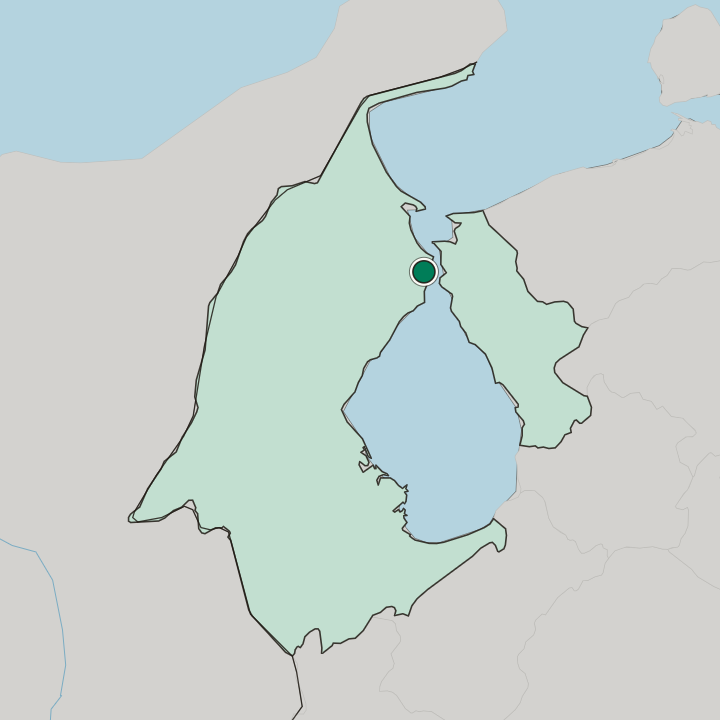
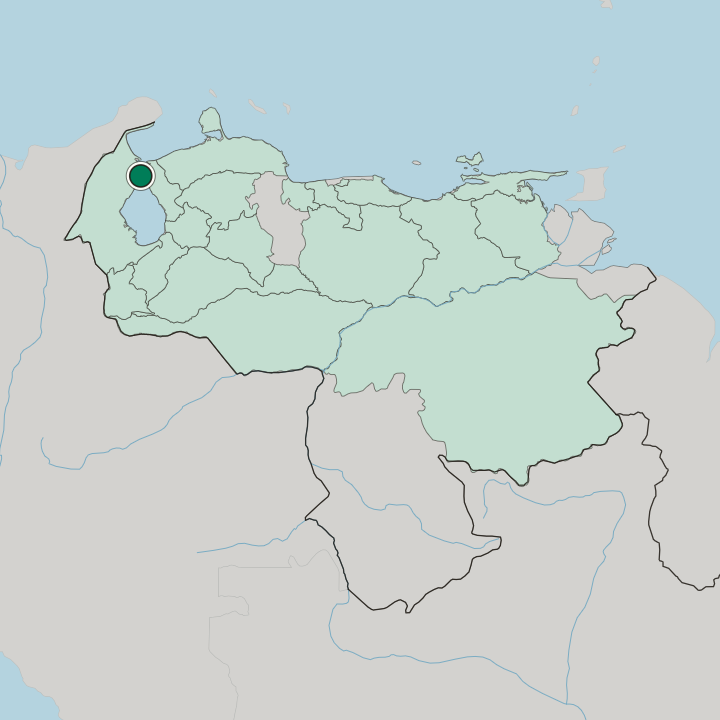
Maracaibo lies in the far west of Venezuela, on the narrows of its inland lake. The city sits on the western shore where Lake Maracaibo drains to the Caribbean, in a flat hot lowland ringed by oil fields, with the lake and its bridge to the east and the Sierra de Perijá rising far to the west. The lake shimmers in the sun.
Flat plains run to the hills.
What is the climate of Maracaibo?
Maracaibo's tropical climate runs dry and relentlessly hot. Blazing heat holds all year by the lake, with strong sun and short heavy rains in the wet months. The heat presses down hard.
Brief storms break the dry spells.
How do you get to Maracaibo?
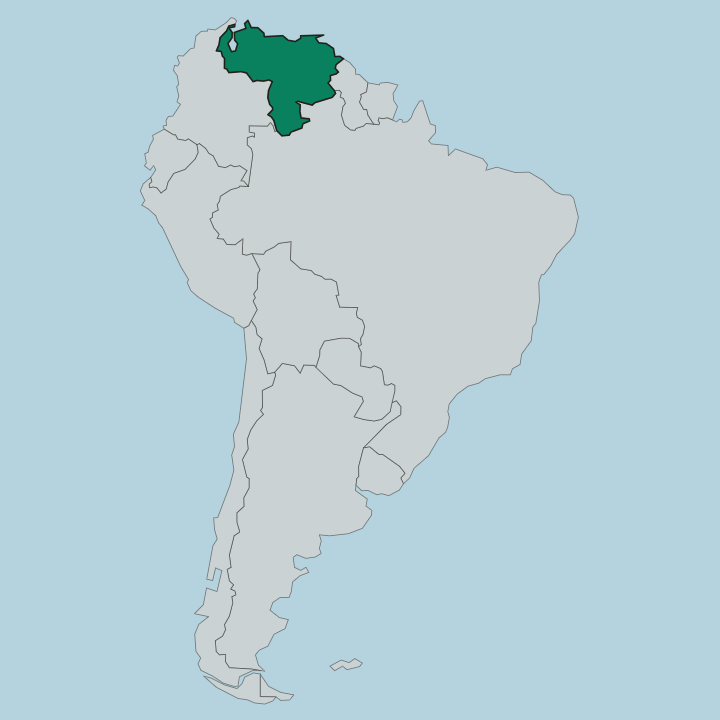
Maracaibo lies in the far west of Venezuela, near the Colombian border. The great bridge and the highways cross the lake from Caracas, and flights land at its airport. Ferries once worked the lake.
Caracas lies east across the country.
Common questions
What is the best area to stay in Maracaibo?
The old centre: Visitors here for the theatre and shrine. By the lake: Stays wanting the waterfront and bridge.
Good for
Updated September 2026