Venezuela · Miranda
Where to Stay in Petare, Miranda
Petare is a dense quarter of the Sucre Municipality in Miranda, founded in 1621 and long since absorbed into the Greater Caracas around it.
Hotel links are affiliate links: booking through them may earn us a commission, at no extra cost to you. It never affects how places are ranked. How this works


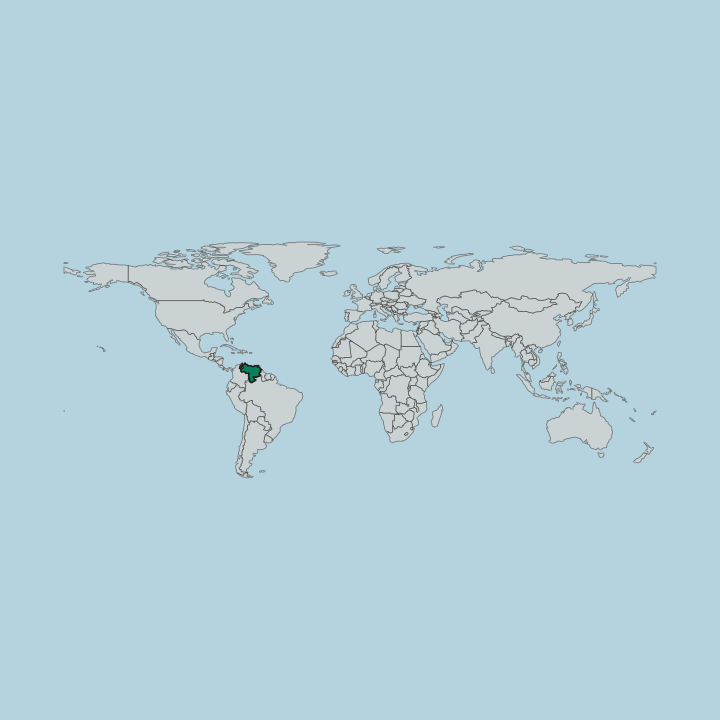
Where to stay in Petare
The practical side of choosing where to sleep.
Very few rooms exist in Petare. Petare is a residential district of the Sucre Municipality rather than a visitor quarter, and most people who come to see its colonial centre book somewhere else in Greater Caracas and travel out for the day. The old centre is the exception worth naming, since the streets around the Cathedral of the Sweet Name of Jesus hold what little short-stay accommodation the district has.
Rooms in the surrounding barrios are homes, not lodging, so the practical search narrows to the historic streets and to the routes back toward Caracas. Supply there runs out fast. The pull of central Caracas is hard to argue with.
Hotels in the wider Metropolitan District of Caracas put the Centro de Arte La Estancia and the Gimnasio José Joaquín Papá Carrillo within a manageable ride, and they carry the range of rooms that Petare itself does not. When you cross counts for more than where you sleep. Anyone whose reason for the trip is Mansión Borges or the Iglesia Parroquial San Antonio María Claret gains from staying close, because the crossing from the rest of Miranda is the least predictable part of any visit.
Find hotels in Petare
Direct booking searches for these neighbourhoods.
The Petare colonial centre
The cathedral square and Mansión Borges are the one part of Petare where short-stay rooms exist at all. Beds are limited here, so book early.Find hotels in The Petare colonial centreExhibition trips to the Centro de Arte La Estancia with an easy ride back into CaracasToward the Centro de Arte La Estancia
The Centro de Arte La Estancia and the metropolitan roads into Caracas frame this side of the Sucre MunicipalityFind hotels in Toward the Centro de Arte La EstanciaFixtures at the Gimnasio José Joaquín Papá Carrillo and an early return across MirandaAround the Gimnasio José Joaquín Papá Carrillo
Streets by the Gimnasio José Joaquín Papá Carrillo fill on fixture days and empty again once the crowd disperses. Rooms are few around here — worth securing early.Find hotels in Around the Gimnasio José Joaquín Papá CarrilloHotel links are affiliate links: booking through them may earn us a commission, at no extra cost to you. It never affects how places are ranked. How this works
About Petare
Scale is the first fact about Petare.
What is Petare known for?
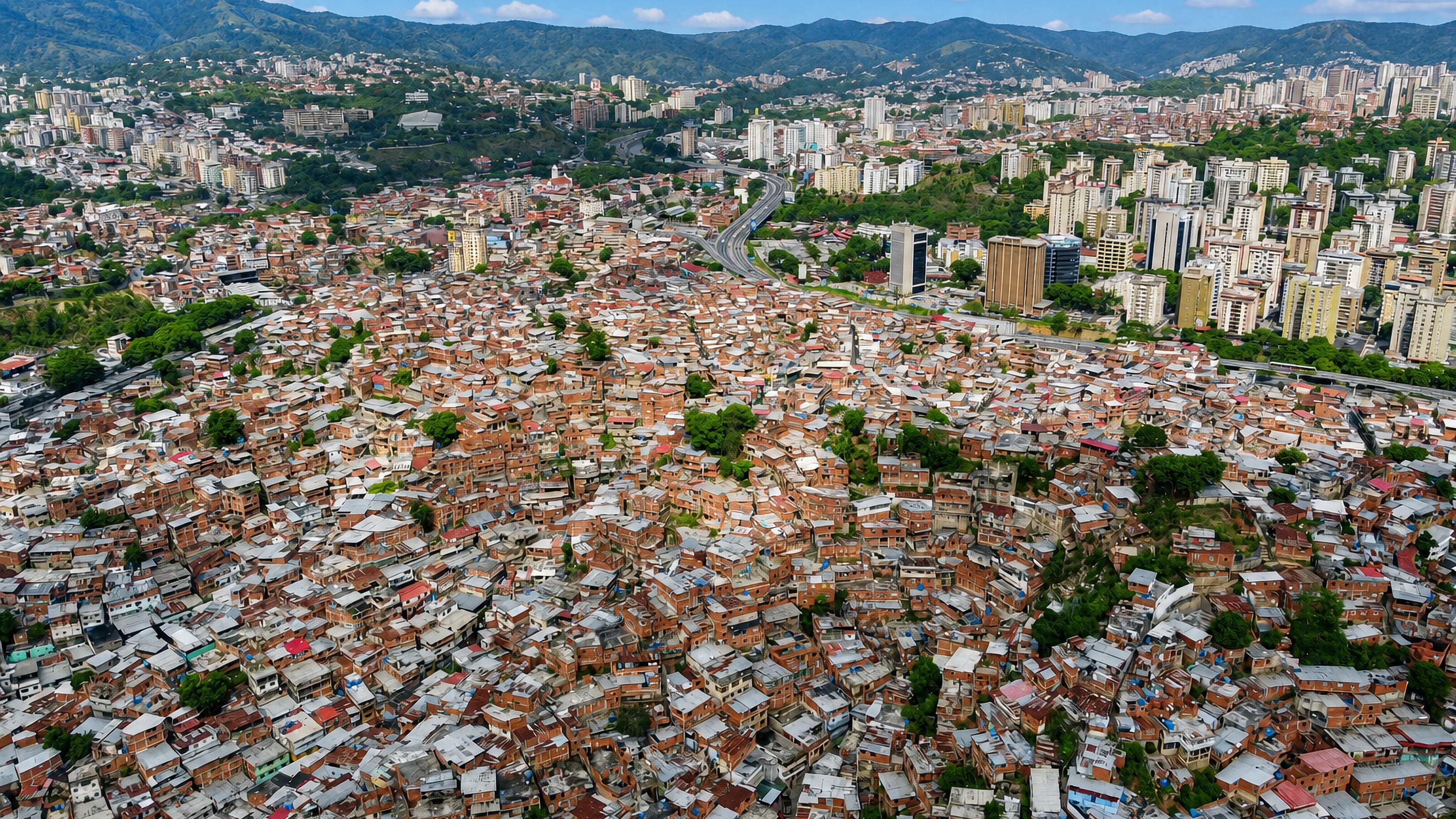
The largest informal settlement in Venezuela and in South America spreads across the Sucre Municipality, and its self-built housing has become one of the defining images of Greater Caracas. Underneath it lies something older. The Cathedral of the Sweet Name of Jesus stands in a colonial core founded three centuries before the metropolis reached it, and the Centro de Arte La Estancia keeps exhibitions running a short way off.
What are the main landmarks in Petare?
The Cathedral of the Sweet Name of Jesus gives the old centre its focus, and the Iglesia Parroquial San Antonio María Claret serves a parish grown far past what the colonial town needed. Mansión Borges is the other survivor. Two more draw crowds rather than worshippers: the Gimnasio José Joaquín Papá Carrillo for sport, and the Centro de Arte La Estancia for exhibitions that pull visitors from across the Metropolitan District of Caracas.
What is the history of Petare?
The town began in 1621 as San José de Guanarito, a separate settlement with its own parish and its own name, and only later did the fuller title Dulce Nombre de Jesús de Petare attach itself to the place. Caracas was a separate town then. For most of three centuries the two stayed apart, and the Cathedral of the Sweet Name of Jesus grew into the anchor of a colonial centre that had no reason to think of itself as a suburb.
Mansión Borges stands among the buildings the old centre kept. Expansion did the rest. As Caracas spread outward, Petare was drawn into the Greater Caracas area and reorganised as part of the Sucre Municipality inside Miranda, one of the five divisions the metropolis is split between.
Housing followed, most of it built by the people who needed it, until Petare had become the largest informal settlement in Venezuela and in South America. Civic building continued alongside it. The Iglesia Parroquial San Antonio María Claret, the Gimnasio José Joaquín Papá Carrillo, and the Centro de Arte La Estancia serve the wider district, while the colonial core sits intact underneath the modern one.
Where is Petare?
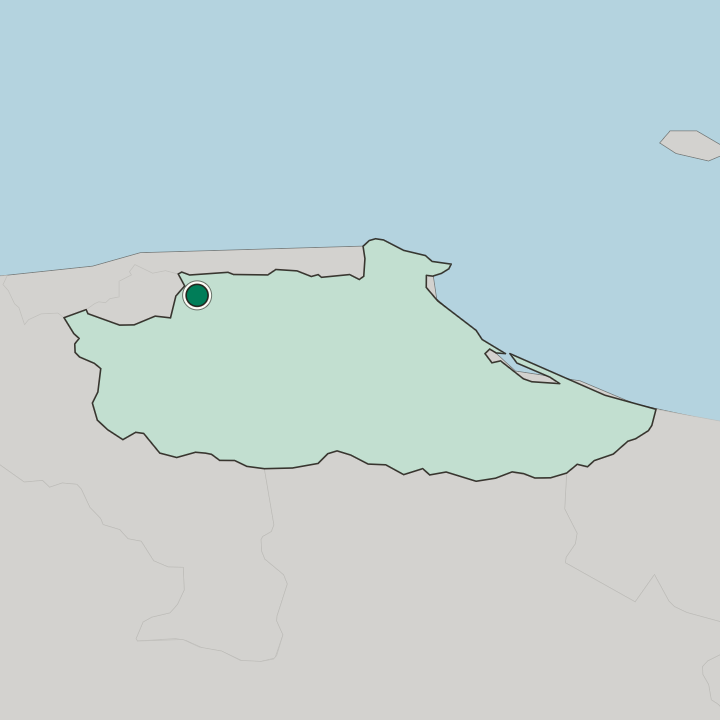
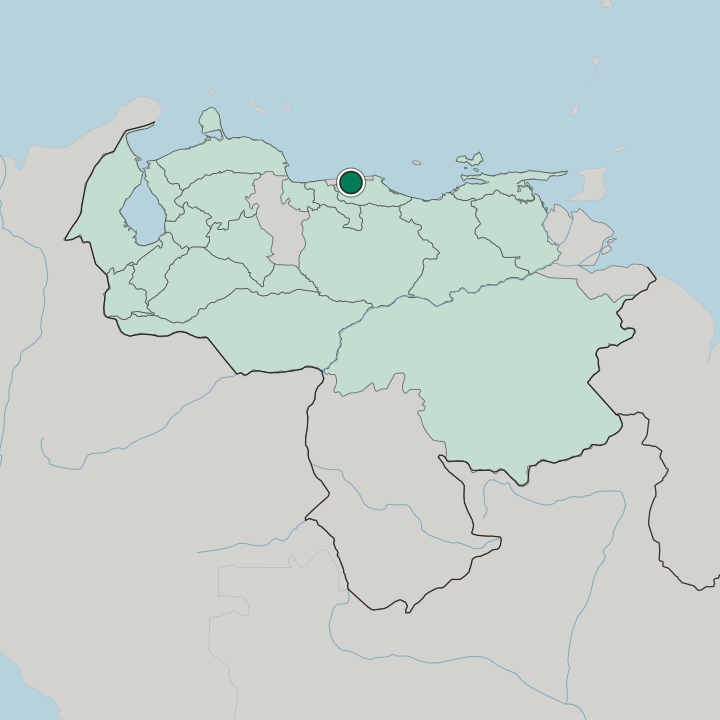
Petare occupies the Sucre Municipality, one of the five divisions of Caracas, and lies within Miranda, though the Metropolitan District of Caracas takes it in. Building runs edge to edge. Caracas grew outward until the gap between the two closed, so the boundary between Petare and the rest of the metropolitan area is administrative rather than anything a visitor would notice on the street.
What is the climate of Petare?
Rain and dry season, not summer and winter, mark the Petare year, and the tropical band the Metropolitan District of Caracas sits in keeps temperatures within a narrow range from month to month. Downpours arrive hard. Wet-season rain runs fast over paved and self-built ground alike, which matters more here than the thermometer ever does, and the drier months leave the streets of the Sucre Municipality dusty instead.
How do you get to Petare?
Arrival is by way of Caracas. Petare sits inside the Metropolitan District of Caracas, so the metropolitan transport network that serves the Sucre Municipality is what carries people in and out rather than any long-distance terminal of its own. Traffic between Petare and central Caracas is the constant of the journey, and the trip is measured in how the roads are running rather than in distance across Miranda.
Common questions
What is the best area to stay in Petare?
The Petare colonial centre: Visits built around the Cathedral of the Sweet Name of Jesus and Mansión Borges. Toward the Centro de Arte La Estancia: Exhibition trips to the Centro de Arte La Estancia with an easy ride back into Caracas. Around the Gimnasio José Joaquín Papá Carrillo: Fixtures at the Gimnasio José Joaquín Papá Carrillo and an early return across Miranda.
Good for
Another city in Miranda
Updated October 2026