United States Virgin Islands: Regions, Cities & Travel Guide
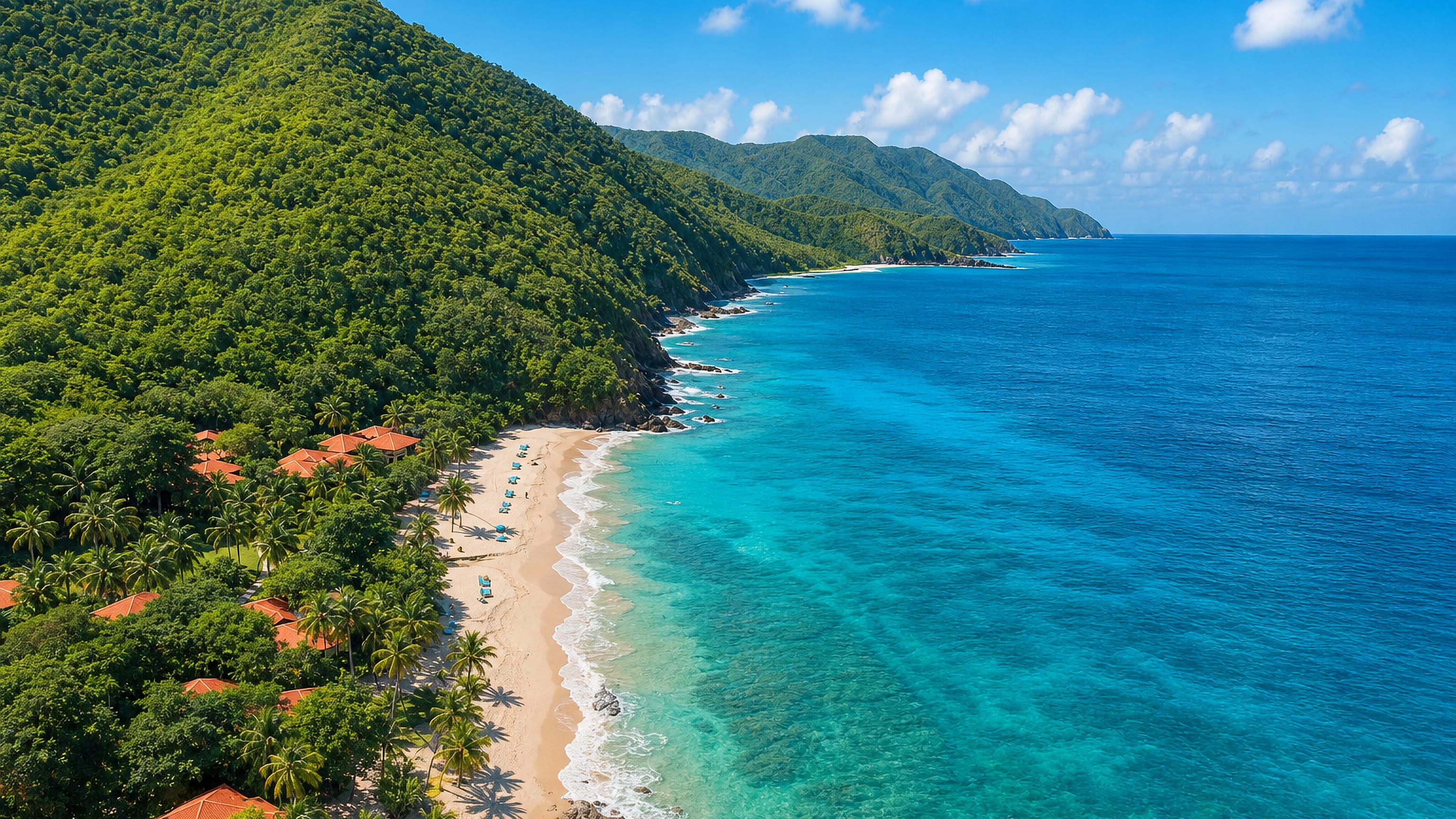
The U.S. Virgin Islands are a Caribbean territory east of Puerto Rico, capital Charlotte Amalie on Saint Thomas.
Hotel links are affiliate links: booking through them may earn us a commission, at no extra cost to you. It never affects how places are ranked. How this works


Top destinations in United States Virgin Islands
One city to start from, then drill into its areas and hotels.

 United States Virgin Islands
Saint Croix
Saint Croix is the largest island of the U.S. Virgin Islands, a Caribbean territory of the United States, with rolling hills and rainforest inland.Where to stay →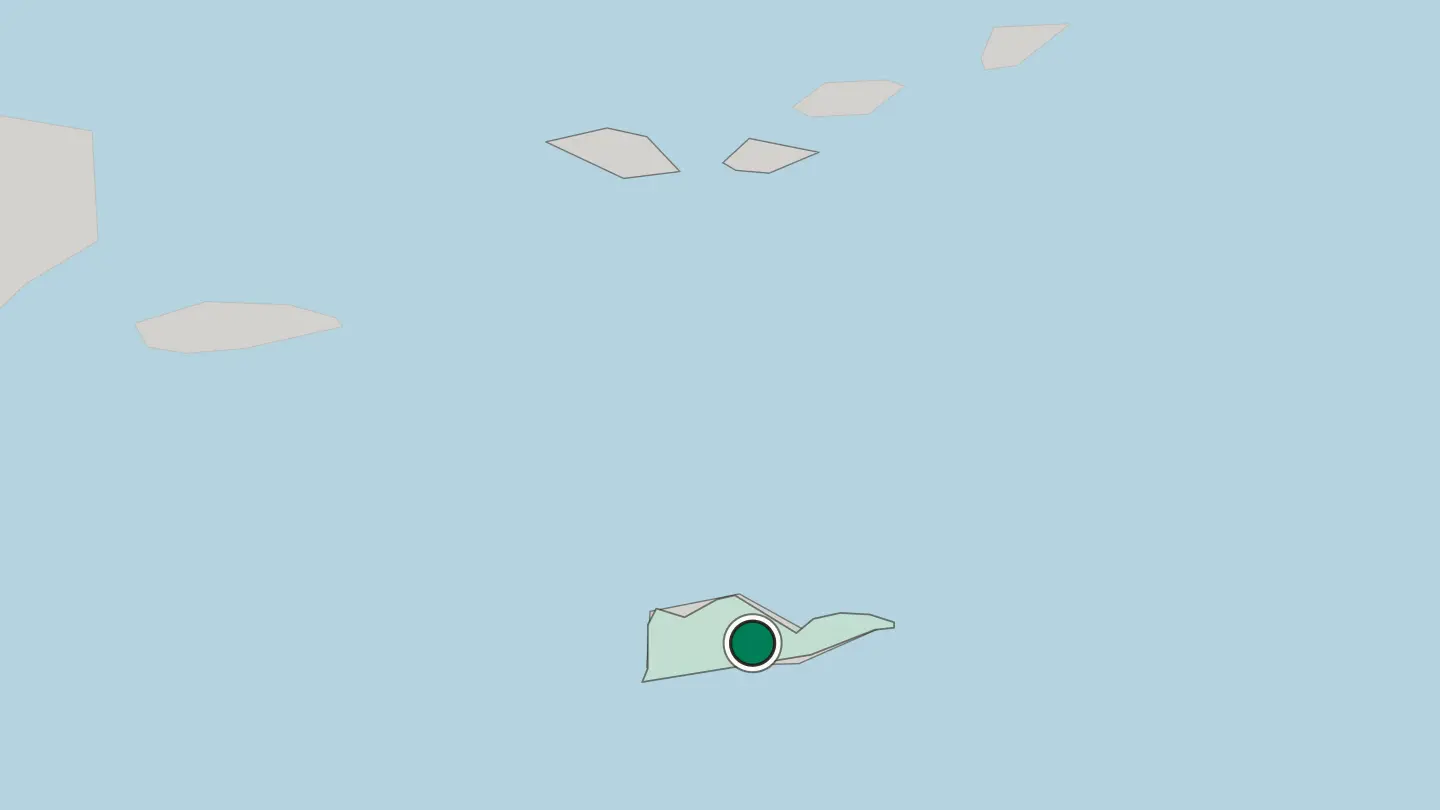
Hotel links are affiliate links: booking through them may earn us a commission, at no extra cost to you. It never affects how places are ranked. How this works
Browse by region
One region so far — open it to see its cities and towns.
About United States Virgin Islands
Three islands carry the territory.
What is United States Virgin Islands known for?
Saint Thomas holds the deep harbour and the capital, Charlotte Amalie, where cruise ships crowd the roadstead and Danish street names still climb the hillsides above the town. On Saint John, most of the land sits inside Virgin Islands National Park, its bays edged by reef and the pale sand of Trunk Bay. Largest and flattest of the three, Saint Croix keeps the two Danish port towns of Christiansted and Frederiksted.
Rum, reef, and old sugar country define it.
Where is United States Virgin Islands?
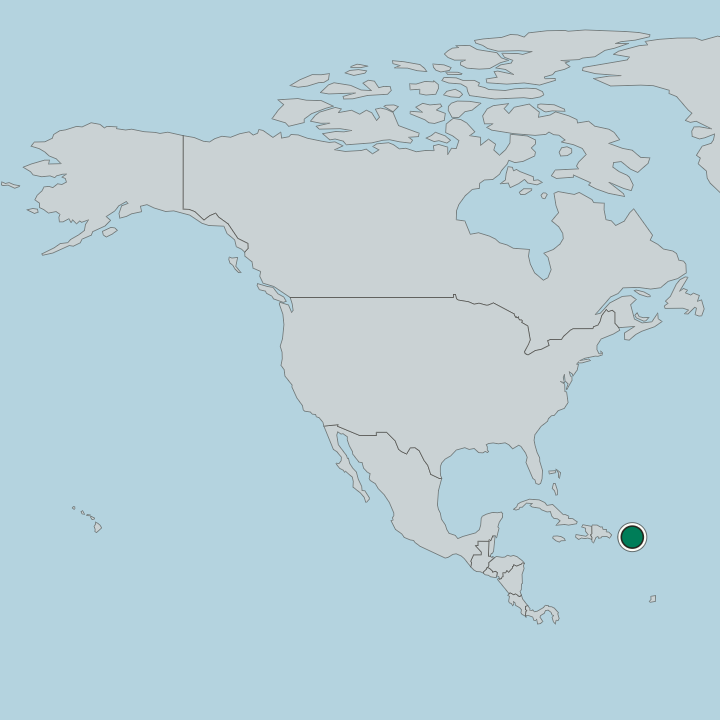
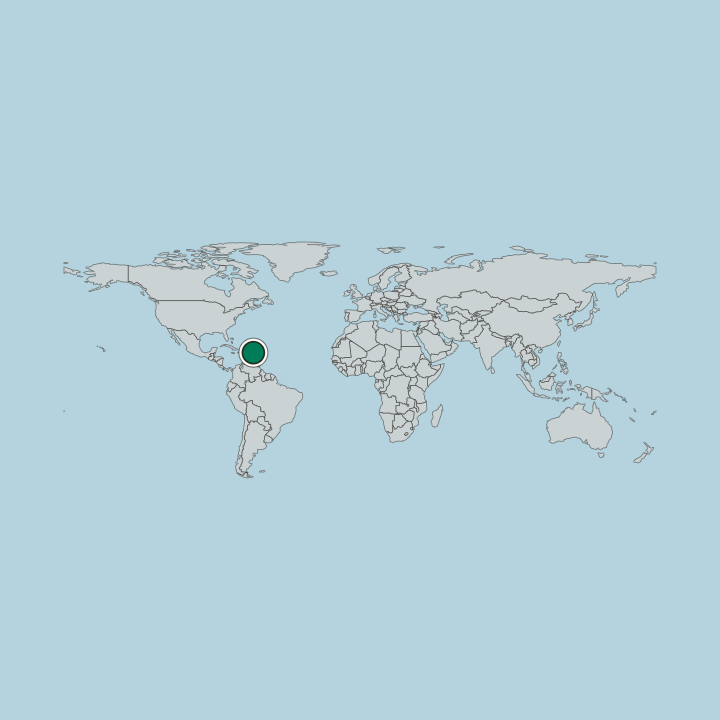
The U.S. Virgin Islands lie in the Leeward Islands of the Lesser Antilles, strung along the eastern rim of the Caribbean just past Puerto Rico. Three main islands and some fifty smaller cays make up the whole.
Saint Thomas and Saint John rise steeply, green volcanic ridges that drop straight into sheltered bays, and the deep natural harbour beneath Charlotte Amalie is one of the best anchorages in the region. Saint John lies a short hop east across Pillsbury Sound. The land is small but the relief is not.
Saint Croix breaks the pattern. It sits well to the south of the other two, larger and far flatter, its rolling east end dry and cactus-scrubbed while the west stays greener and wetter. Reefs ring almost every coast, and off the north shore of Saint Croix the seabed plunges away at Buck Island.
Trunk Bay and the bays of Virgin Islands National Park cut into the Saint John shoreline. From ridge to reef the territory packs a great deal into little ground.
What is the history of United States Virgin Islands?
Taíno and Kalinago people worked these islands long before European sails appeared. Denmark took the lead among the colonial powers, planting Saint Thomas from 1672, adding Saint John in 1718, and buying Saint Croix from France in 1733 to form the Danish West Indies. Sugar and enslaved African labour built the wealth of that colony, and its plantation economy left the stone windmills, great houses, and grid-planned towns that still stand across Saint Croix.
The Danish street names in Charlotte Amalie date from the same order. Slavery ran the islands for generations. Emancipation came in 1848, forced in part by a mass uprising led by Moses "General Buddhoe" Gottlieb at Frederiksted.
Denmark ran the colony at a loss thereafter, and after decades of on-and-off talks it sold the three islands to the United States, which wanted them to guard the sea approaches to the Panama Canal. The transfer took effect in 1917, and the territory still marks Transfer Day each March. That single sale set the islands on their American course.
What is United States Virgin Islands like?
Island life here draws on West African, Danish, and wider Caribbean roots at once. English is the everyday tongue, but people slip into Virgin Islands Creole among themselves, and the Crucian form spoken on Saint Croix differs from what you hear on Saint Thomas and Saint John. Music carries the mix.
Quelbe, the territory's official folk sound, is played by scratch bands on banjo, guitar, flute, and washboard, and it turns satirical local news into song at every gathering. The kitchen tells the same story. Kallaloo, a thick stew of dasheen leaves, okra, and salted meat or fish, counts as the signature dish, served alongside fungi, saltfish, and johnnycake.
Carnival is the loudest expression of all this. Saint Thomas holds its Carnival after Easter, Saint John celebrates around the Fourth of July, and Saint Croix runs the Crucian Christmas Festival through the turn of the year. Each brings mocko jumbie stilt dancers, steel pan, and troupes in feathered costume through the streets.
The old forts and Danish warehouses of Christiansted host the calmer side. Faith runs strong across the islands.
What is the climate of United States Virgin Islands?
The climate is tropical and steady. Northeast trade winds blow almost year-round, holding temperatures close through every month and cutting the humidity that would otherwise settle over Charlotte Amalie and the harbour towns. The drier, breezier stretch runs from December into April, when the sea off Trunk Bay stays clear and calm.
Rain and higher humidity build through the wetter half of the year, and the hurricane months from June to November carry real storm risk across the Lesser Antilles. Warm water surrounds the islands always.
How do you get to United States Virgin Islands?
Most travellers arrive by air into Saint Thomas. Cyril E. King Airport, west of Charlotte Amalie, takes direct flights from the U.S. mainland and connections through Puerto Rico, and Saint Croix has its own airport near the middle of the island. No passport is needed for U.S. citizens.
From Saint Thomas, frequent ferries run from Red Hook and Charlotte Amalie across to Cruz Bay on Saint John, and a longer seaplane or ferry link reaches Saint Croix to the south. Short hops tie the whole territory together.
Good for
Updated September 2026