
Puerto Rico: Regions, Cities & Travel Guide
Puerto Rico is a Caribbean archipelago in the Greater Antilles, its capital San Juan set on the north coast.
Hotel links are affiliate links: booking through them may earn us a commission, at no extra cost to you. It never affects how places are ranked. How this works


Top destinations in Puerto Rico
Cities to start from, then drill into areas and hotels.

 Puerto Rico
San Juan
San Juan stands on the north-east coast of Puerto Rico, a walled colonial capital known for El Morro and the old Spanish forts above the harbour.Where to stay →
 Puerto Rico
Bayamón
Bayamón, founded in 1772, is the second largest city in Puerto Rico, a San Juan metropolitan municipality whose small historic downtown holds its museums.Where to stay →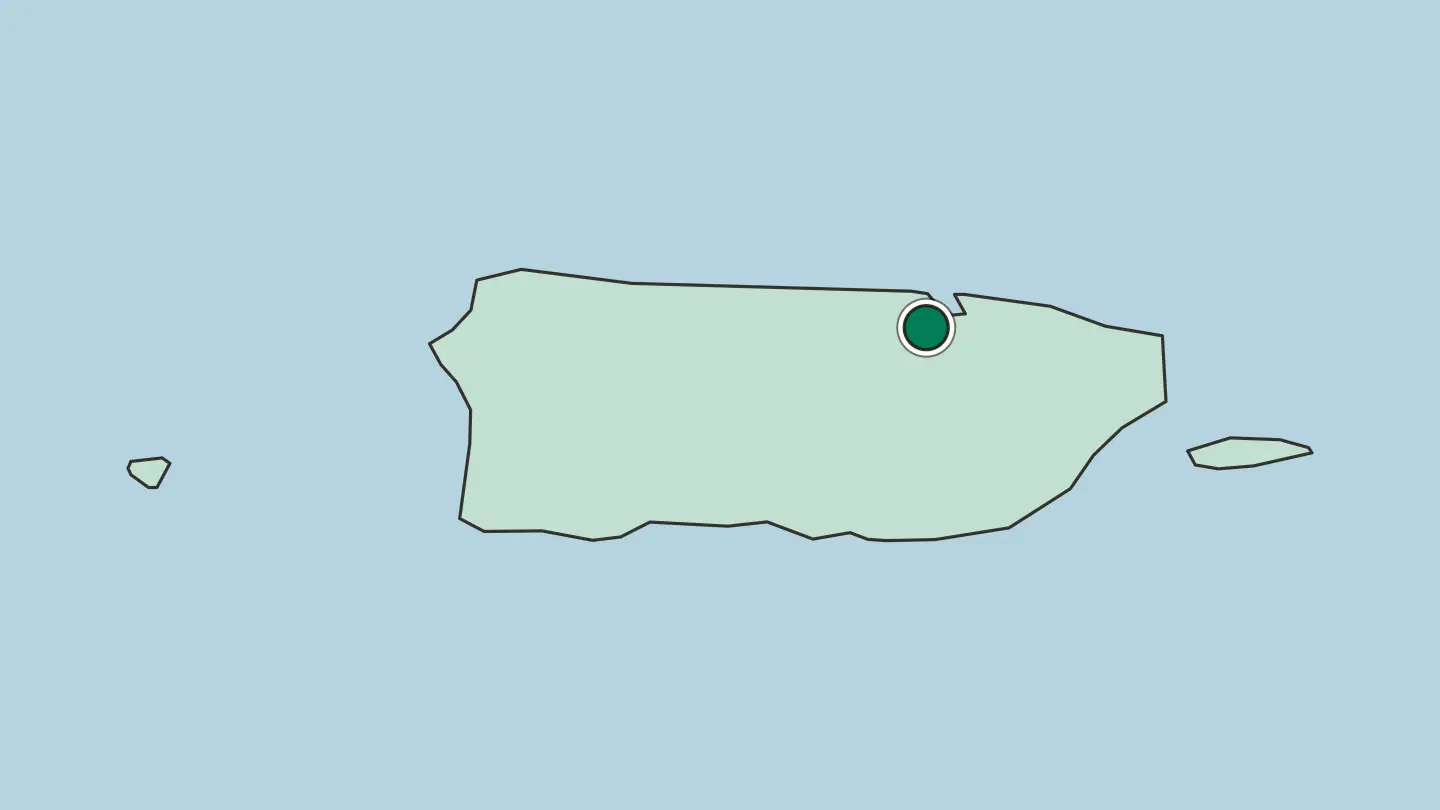 Puerto Rico
Carolina
Carolina, founded in 1857, reaches from the Isla Verde shore to Carolina Pueblo and holds the main international airport of Puerto Rico inside it.Where to stay →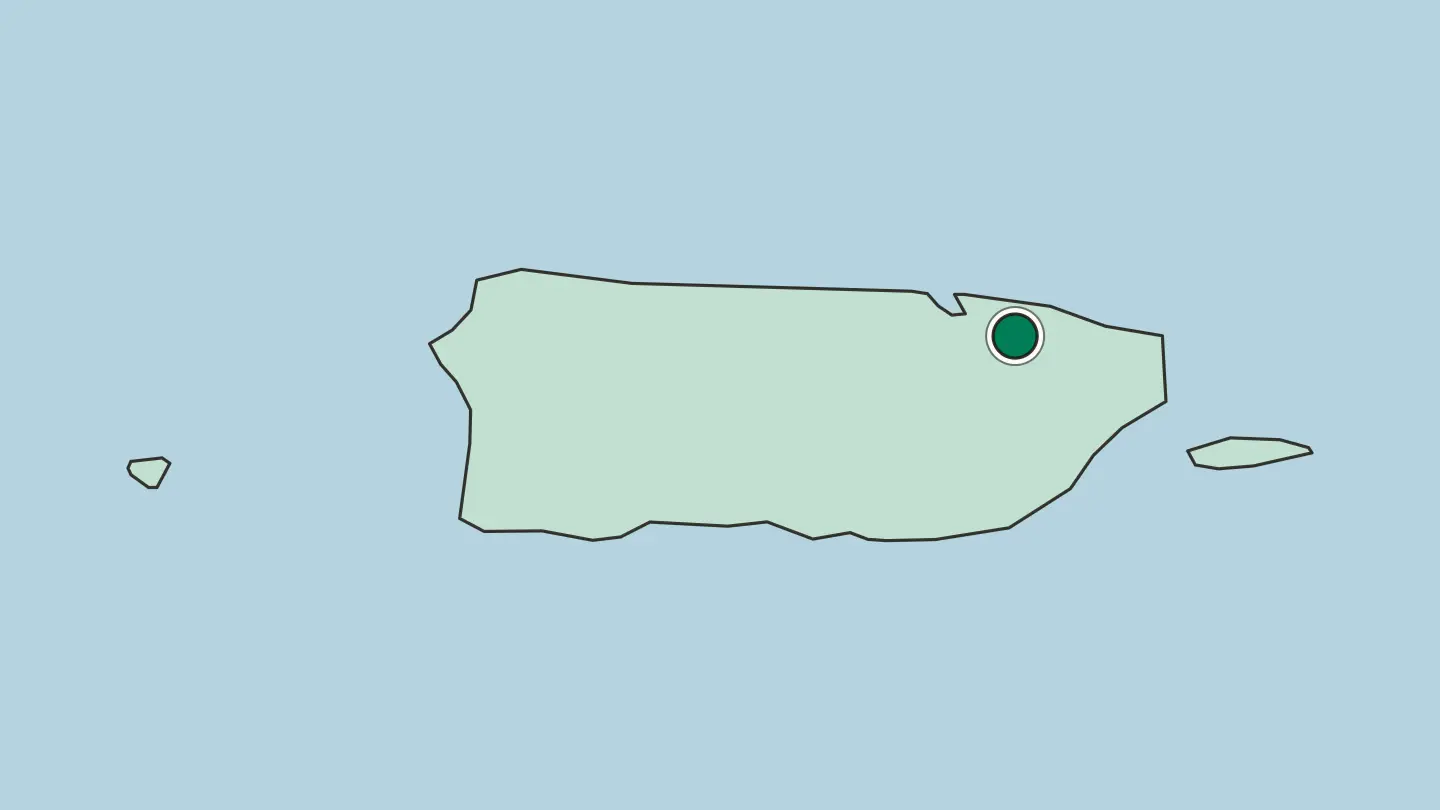
 Puerto Rico
Mayagüez
Mayagüez, chartered in 1760, gathers around Plaza Colón and Teatro Yagüez, and its municipality reaches offshore to Isla de Mona.Where to stay →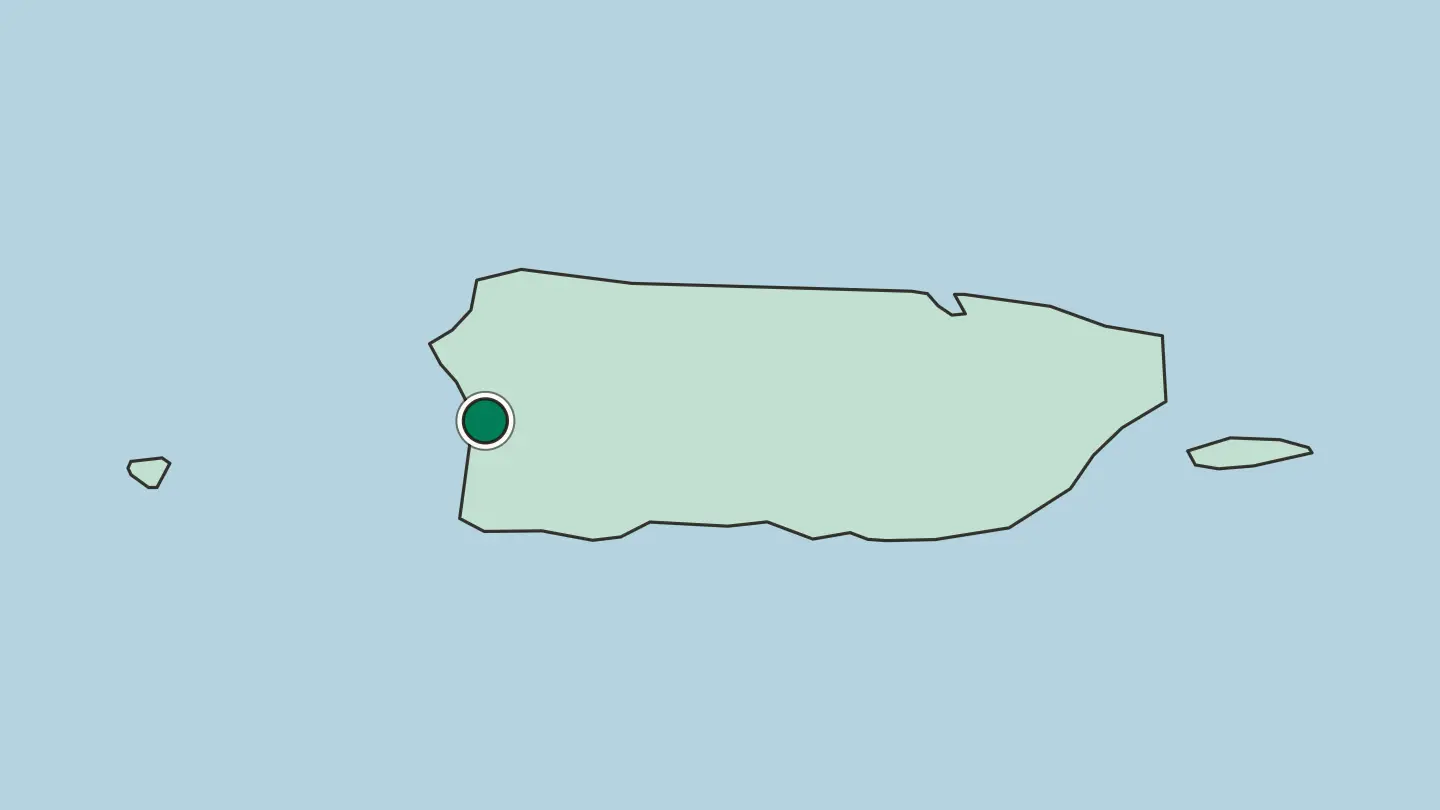
 Puerto Rico
Arecibo
Arecibo dates from 1616 and holds the Atlantic shore of Puerto Rico, with the Arecibo Light on the point and an observatory that carried its name.Where to stay →
 Puerto Rico
Ponce
Ponce, in Puerto Rico, holds a protected core of Neoclásico Isabelino and Ponce Creole buildings, plus Museo de Arte de Ponce.Where to stay →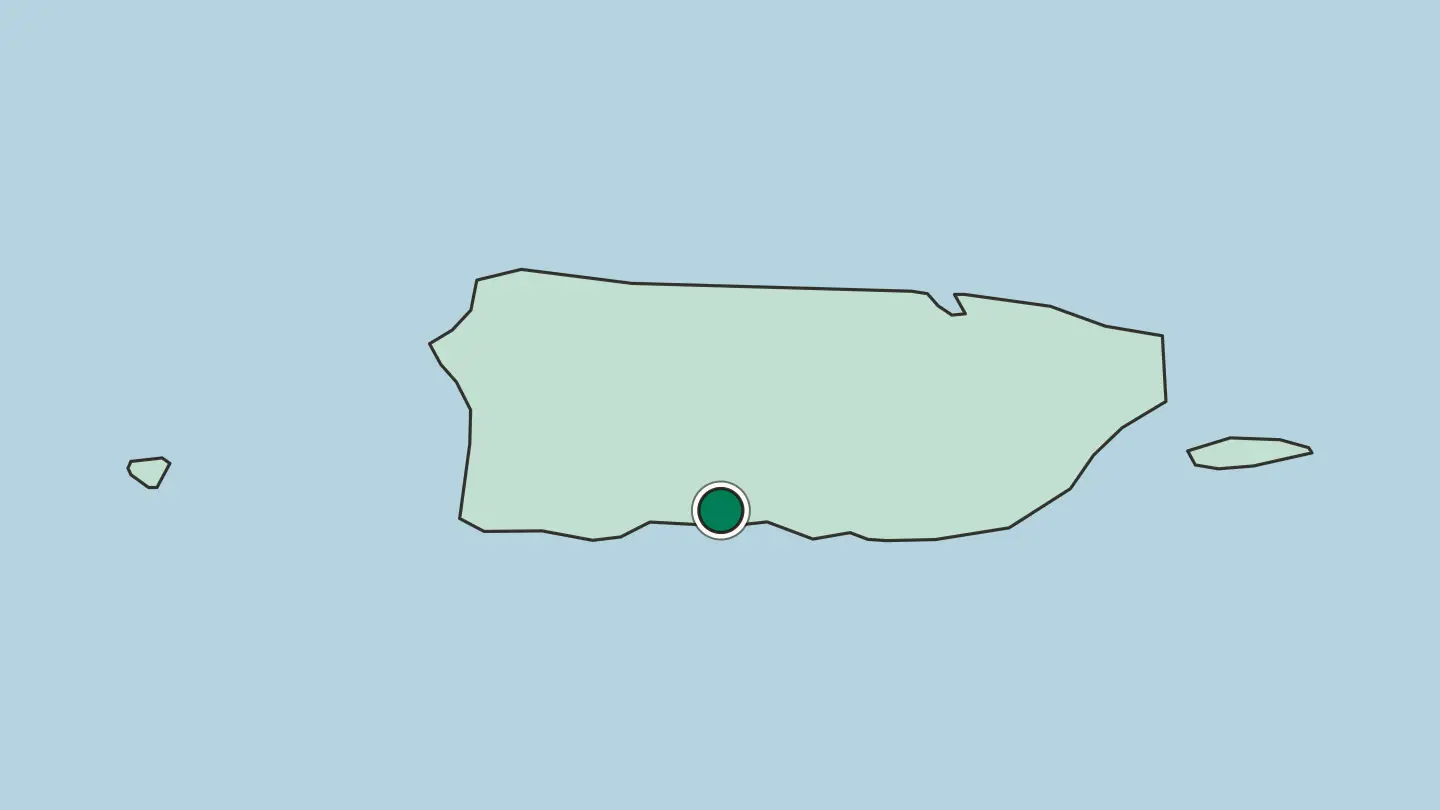
Hotel links are affiliate links: booking through them may earn us a commission, at no extra cost to you. It never affects how places are ranked. How this works
Browse by region
Every region — pick one to see its cities and towns.
About Puerto Rico
What is Puerto Rico known for?
The island packs a continent's worth of variety into a short drive. San Juan guards the north coast behind the stone walls of Old San Juan, while the Cordillera Central rises green and steep through the interior. Beaches define the rest.
Rincón draws surfers to the west, the bioluminescent bays of Vieques glow after dark, and El Yunque spreads the only tropical rainforest in the United States forest system across the north-east. Salsa, bomba, and plena were born here, and a plate of mofongo carries the same Spanish, African, and Taíno threads.
Where is Puerto Rico?
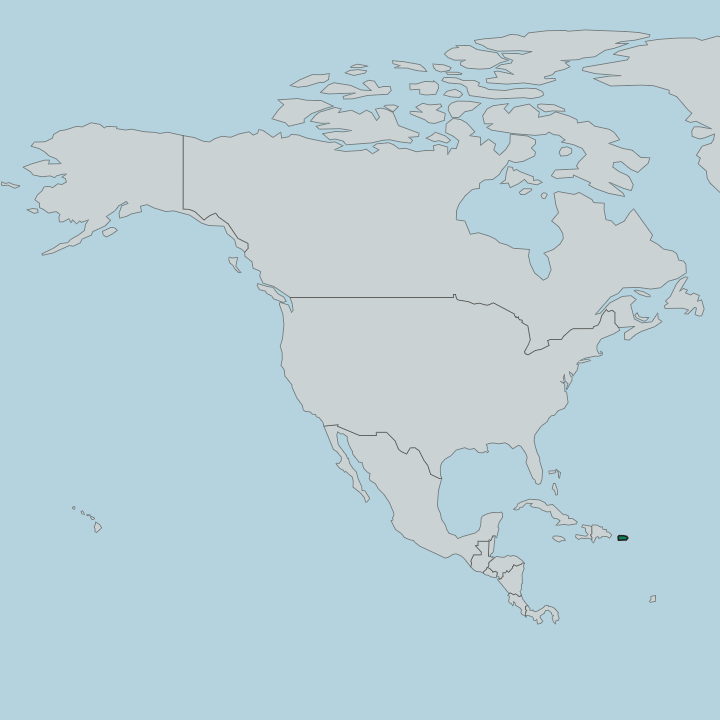
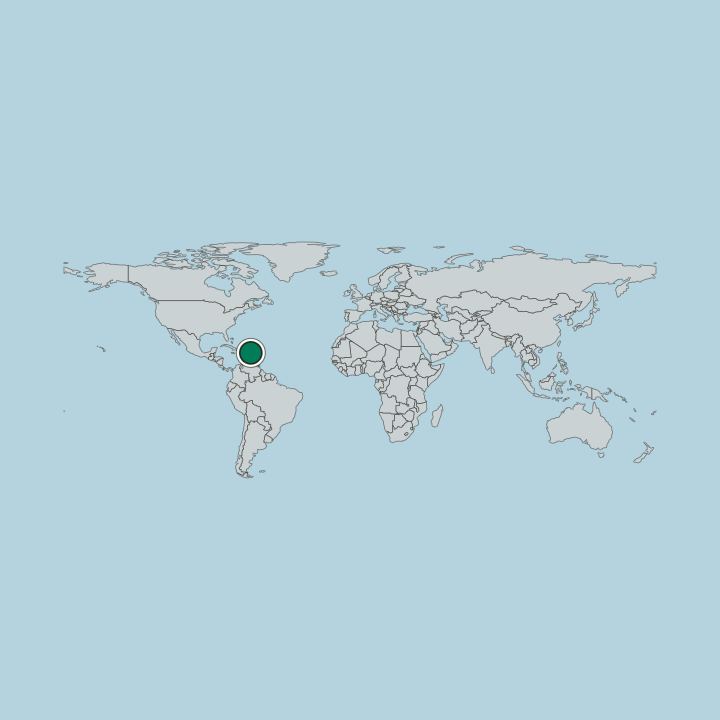
Puerto Rico is the smallest of the Greater Antilles, a main island edged by the smaller isles of Vieques, Culebra, and Mona out in the Caribbean. The Cordillera Central runs the length of the interior like a spine, splitting the island into a wetter north and a drier south, and it climbs to Cerro de Punta, the highest ground on the whole island. Rain follows that ridge.
The trade winds drop their moisture on the north-facing slopes and the Sierra de Luquillo in the north-east, where El Yunque holds its rainforest, while the far south sits in a rain shadow and turns nearly semi-arid near Ponce. Water has shaped the rest. The island counts some 47 major rivers, the Río de la Plata longest among them as it winds from the central mountains down to the north coast.
Along that northern belt lies a band of karst, honeycombed limestone whose sinkholes and caves hide one of the hemisphere's larger underground river systems. Beyond the shore the seabed falls away hard. Just to the north the Puerto Rico Trench plunges to the deepest point anywhere in the Atlantic.
Coral reefs, mangroves, and pale sand fill in the coastline between.
What is the history of Puerto Rico?
Long before Spanish sails appeared, the Taíno lived across the island and called it Boriquén. Columbus reached its west coast in 1493 and claimed it for Spain, and Juan Ponce de León founded the first colony at Caparra in 1508 before the settlement shifted to the islet that became San Juan. What followed was four centuries of Spanish rule.
Disease, forced labour, and warfare gutted the Taíno within decades, and enslaved Africans were brought to work sugar and coffee, three peoples fusing into the culture the island carries. Massive fortifications went up around San Juan's harbour to hold the colony against rival empires. The long Spanish era ended abruptly.
In 1898 the Spanish-American War brought United States troops ashore, and under the Treaty of Paris that same year Spain ceded the island to Washington. Puerto Ricans were granted U.S. citizenship in 1917. A constitution ratified in 1952 established the commonwealth government that still frames the island's odd standing, self-governing yet bound to the mainland, a Caribbean nation shaped by Madrid and then Washington in turn.
That double inheritance runs through everything from the plazas to the plate.
What is Puerto Rico like?
Puerto Rican identity holds three roots at once, Taíno, African, and Spanish, and calls itself Boricua with pride. Music makes that mix audible. Bomba and plena grew out of the African communities of the coast and the sugar towns, drum-driven and call-and-response, and both worked for generations as a kind of sung newspaper carrying the day's news.
The island later gave the world more. Salsa took shape among Puerto Rican and Cuban musicians, and reggaeton was forged here before it swept across Latin music, so a night out can move from a hillside bomba circle to a San Juan reggaeton club. The kitchen tells the same story.
Mofongo mounds fried green plantains with garlic and crackling, lechón turns whole roast pork crisp over open coals along the mountain road to Guavate, and adobo and sofrito season nearly everything. Spanish carries the day as the working language, though English shares official status. Catholic feast days, town patron festivals, and the artisan crafts of carved santos and vejigante masks fill the calendar.
Old San Juan's blue cobbles and pastel façades are the picture-book side of it. The living culture sits in the music, the food, and the fierce sense of being Boricua.
What is the climate of Puerto Rico?
The island runs warm and tropical the year round, with easterly trade winds off the Atlantic taking the edge off the heat. Lowlands and coasts hover near the mid-80s Fahrenheit, while the peaks of the Cordillera Central stay markedly cooler and greener. Rain is uneven.
The mountains wring out the trade winds, soaking El Yunque in the north-east while the south around Ponce stays dry. Atlantic hurricane season runs from June into November and sharpens toward September.
How do you get to Puerto Rico?
Nearly everyone arrives through San Juan. Luis Muñoz Marín International Airport, just east of the capital in Carolina, is the busiest hub in the Caribbean and takes nonstop flights from Miami, New York, and other mainland cities. No passport is needed for travellers from the United States.
Ferries and short hops link the main island to Vieques and Culebra offshore, and a car is the usual way to reach the south coast or the mountains, since the interior has no rail. Once here, the whole island is a day's drive across.
Good for
Updated September 2026