Kosovo · Gjilan District
Where to Stay in Gjilan, Gjilan District
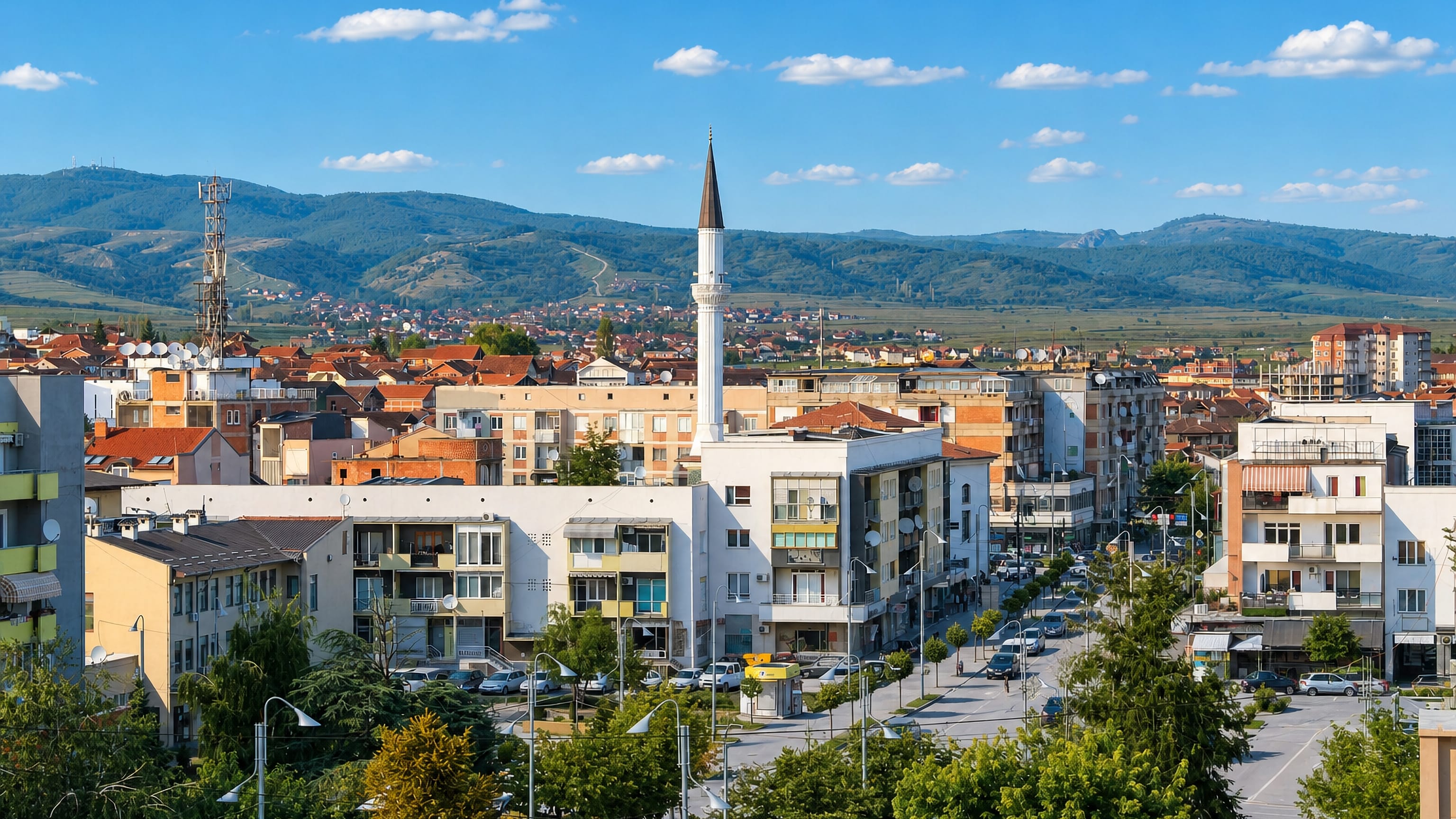
Gjilan, or Gnjilane, is the administrative centre of the Gjilan District in Kosovo, a municipality holding hill forts and Roman-period sites.
Hotel links are affiliate links: booking through them may earn us a commission, at no extra cost to you. It never affects how places are ranked. How this works


Where to stay in Gjilan
Where the beds are, and what that means for the visit.
Beds concentrate in the town, and the rest of the Gjilan municipality is village ground where the listed sites outnumber the places to sleep. So the arithmetic points to town. The town core holds Saint Nicholas Church, the Regional Museum in Gjilan and the Kulla e Xhelë Hajdinit, which is enough to fill a day before anyone drives out to the archaeology.
Gradište and Prilepac belong to the same protected list, as do the sites at Gërnçarica and Koka e Ilisë. Nothing sits far from Gjilan. Two other kinds of base exist.
Llashticë carries the Llashtica necropolis and the traces of an old church, while Kmetovce Monastery and Saint George Church, Stanišor sit in their own villages some way from the town's streets. Those villages offer almost no lodging. If ruined fortresses are the reason for your trip, the hill sites of Kalaja e Resulës në Pidiç and the watch-fort at Zhegoc argue for staying central and driving out each morning.
The Roman-period settlement at Cërnicë and the prehistoric fortification recorded in the same village lie further off again, which is another argument for a room in the centre. Gjilan itself keeps the museum and the churches.
Find hotels in Gjilan
Direct booking searches for these neighbourhoods.
Gjilan town core
The core carries Gjilan's standing monuments, Saint Nicholas Church, the Regional Museum in Gjilan and the Kulla e Xhelë Hajdinit.Find hotels in Gjilan town coretime given over to the Llashtica necropolisLlashticë
Llashticë holds both the Llashtica necropolis and the traces of an old church, two of the sites listed across the Gjilan municipality. Beds are limited here, so book early.Find hotels in Llashticëguests heading for Kmetovce Monastery and Saint George ChurchKmetovce and Stanishor
Kmetovce Monastery and Saint George Church, Stanišor stand in villages of the Gjilan municipality rather than on the town's own streets. Lodging is scarce in this area; reserve in advance.Find hotels in Kmetovce and StanishorHotel links are affiliate links: booking through them may earn us a commission, at no extra cost to you. It never affects how places are ranked. How this works
Things to do in Gjilan
Ranked by global recognition; descriptions from Wikidata (CC0).
Churches & Religious Sites
3- Kmetovce Monastery Heritage
- Saint Nicholas Church
- Saint George Church, Stanišor
Castles & Historic Sites
8- Prilepac Heritage
- Gradište Heritage
- Llashtica necropolis Heritage
- Fortifikata parahistorike në Cërnicë Heritage
- Gjurmët e kishës së vjetër në Verbicë të Kmetocit Heritage
Show 3 more →
- Kalaja e Pidiqit - Shurdhanit Heritage
- Lokaliteti arkeologjik në Stanishor Heritage
- Gjurmët e kishës në Kishnapolë Heritage
worth knowingacross 2 categories in Gjilan
About Gjilan
What is Gjilan known for?
The archaeological record around Gjilan is unusually thick, running from the prehistoric fortification at Cërnicë through Roman-period settlement at Koretishë to the fortress ruins of Kalaja e Pidiqit - Shurdhanit. Churches carry the later part. Saint Nicholas Church, Kmetovce Monastery and Saint George Church, Stanišor are among the standing buildings, with the Regional Museum in Gjilan holding what the ground gives up.
The town is the fourth-largest in Kosovo.
What are the main landmarks in Gjilan?
Saint Nicholas Church is the town's main standing monument. Kmetovce Monastery, Saint Anne's Church, Dunav and Saint George Church, Stanišor complete the church group, while the Regional Museum in Gjilan and the listed Music school cover the civic side. Fortresses take over beyond the streets.
Kalaja e Pidiqit - Shurdhanit, Kalaja e Resulës në Pidiç and the watch-fort at Zhegoc are the fortified points, with Gradište, Prilepac and the Llashtica necropolis on the same protected list. The Kulla e Xhelë Hajdinit stands among them.
What is the history of Gjilan?
Gjilan's oldest evidence is in the ground. A prehistoric fortification at Cërnicë and a Roman-period settlement in the same village mark the first two layers of that evidence, with a further Roman-period site listed at Koretishë. Then came the fortresses.
Kalaja e Pidiqit - Shurdhanit, Kalaja e Resulës në Pidiç and the watch-fort at Zhegoc are the fortifications recorded across the Gjilan municipality, and Gradište and Prilepac belong to the same register of protected places. Archaeological sites at Gërnçarica and Koka e Ilisë sit on that list too, as does the site recorded at Stanishor. Churches follow the fortresses in the record.
Saint Nicholas Church, Saint Anne's Church, Dunav and Saint George Church, Stanišor still stand, while at Bresalc, Kishnapolë, Zhegoc and Verbicë të Kmetocit only the traces of older churches remain, and the foundations of the Çartme church survive at Pogragjë. Kmetovce Monastery is the fuller survival. The Llashtica necropolis at Llashticë records burial ground rather than building, and the Kulla e Xhelë Hajdinit is the tower house the town keeps.
Two names attach to it, Gjilan and Gnjilane, and the place works as both a municipality and the administrative centre of the Gjilan District. The Regional Museum in Gjilan holds the finds.
Where is Gjilan?
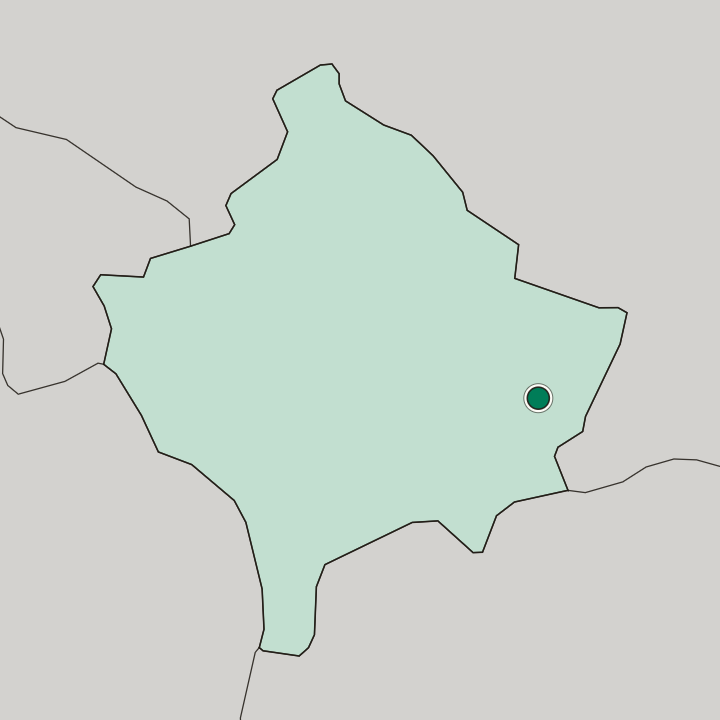
Gjilan holds a municipality of roughly 515 square kilometres. Roads out of the town run toward Pristina, and on to the Serbian border and the North Macedonian border, which puts the place on a corridor rather than at a dead end. Villages spread across the rest.
Cërnicë, Llashticë, Stanishor, Zhegoc and Pogragjë all carry listed sites, so the municipality reads as a scatter of small settlements around one centre.
What is the climate of Gjilan?
Four seasons, not two. Gjilan lies in the temperate band of the northern hemisphere, which sets a genuine winter against a genuine summer instead of the wet and dry alternation of the tropics. The municipality spreads over roughly 515 square kilometres, so conditions at Pogragjë or Zhegoc need not match what the town's own streets get on the same morning.
How do you get to Gjilan?
The highway is the link. Gjilan connects by road toward Pristina, and the same corridor carries on to the Serbian border and the North Macedonian border, which is what puts the town on through traffic rather than at the end of a spur. No airport is recorded here.
Inside the municipality the listed sites at Llashticë, Stanishor and Pogragjë lie off that main line, so reaching them means local roads.
Common questions
What is the best area to stay in Gjilan?
Gjilan town core: a base within reach of the Regional Museum in Gjilan. Llashticë: time given over to the Llashtica necropolis. Kmetovce and Stanishor: guests heading for Kmetovce Monastery and Saint George Church.
Good for
Updated September 2026