Kosovo: Regions, Cities & Travel Guide
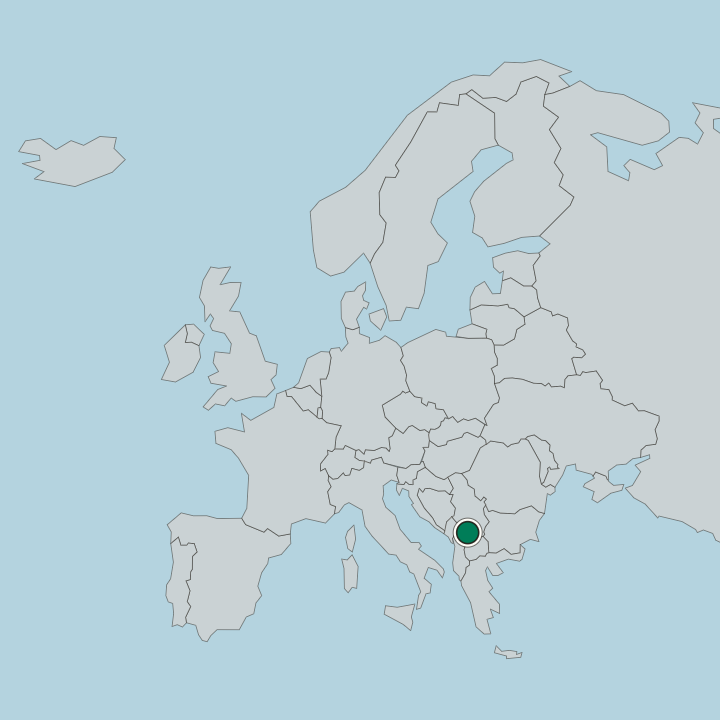
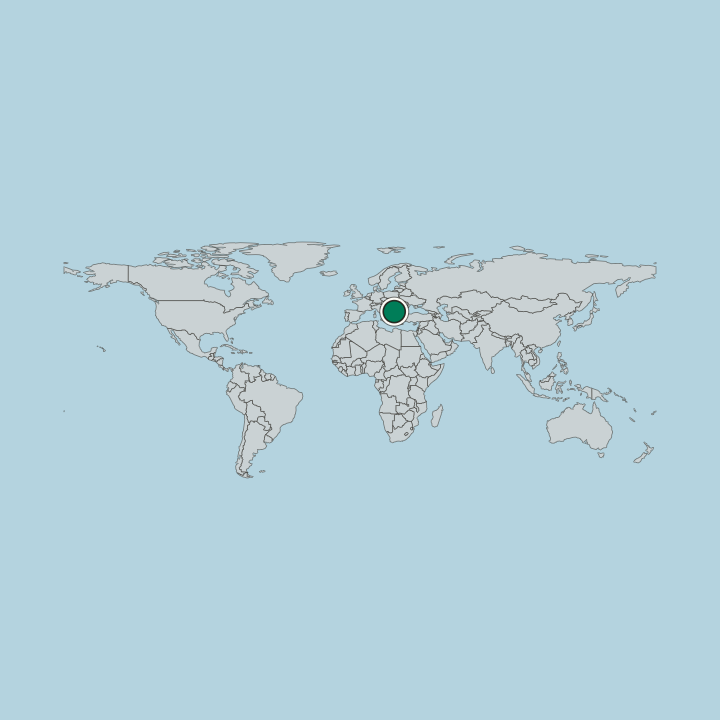
Kosovo is a landlocked country in the Balkans, ringed by the Accursed and Šar mountains, with Pristina as its capital.
Hotel links are affiliate links: booking through them may earn us a commission, at no extra cost to you. It never affects how places are ranked. How this works


Top destinations in Kosovo
Cities to start from, then drill into areas and hotels.
 Kosovo
Pristina
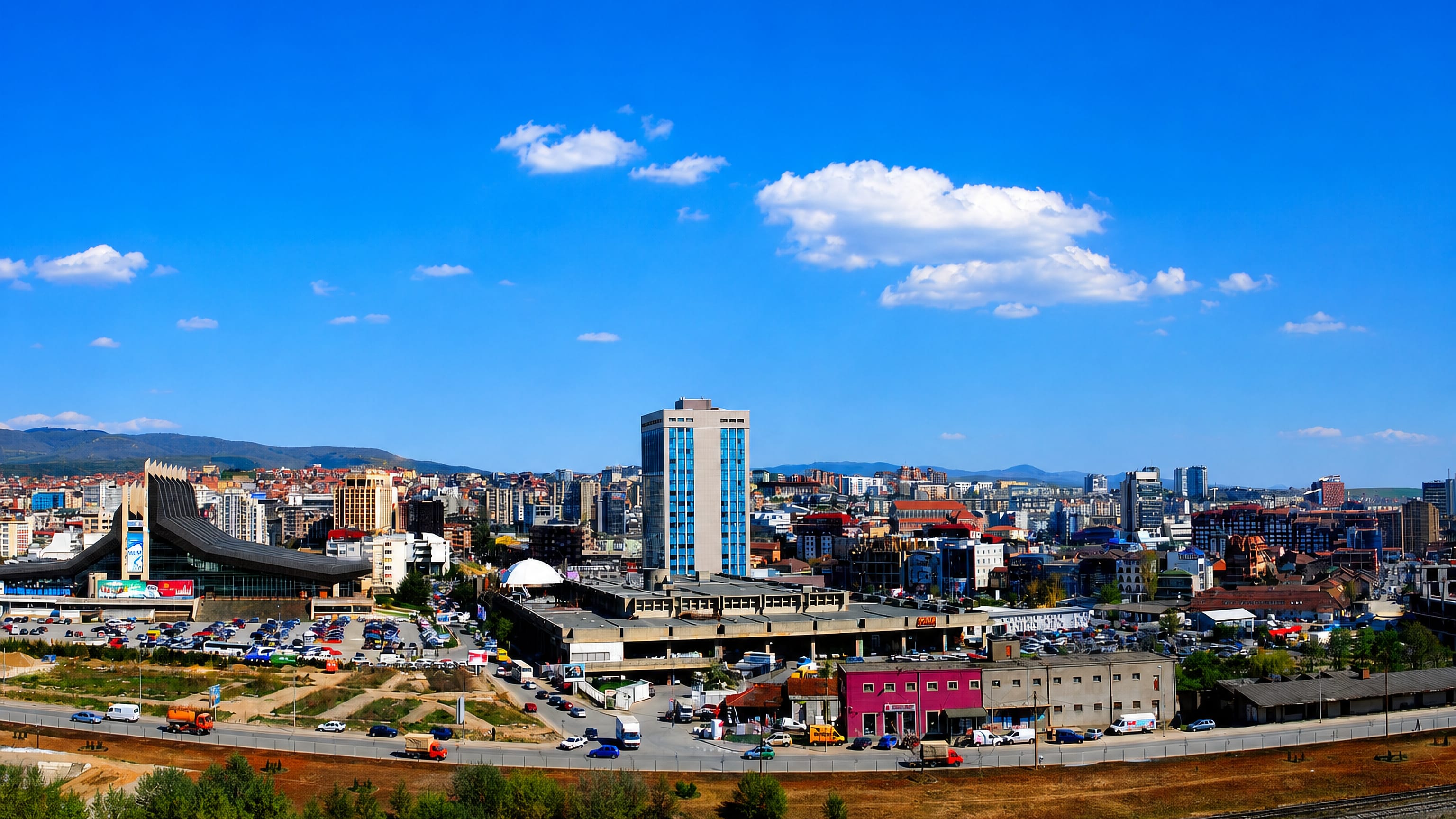
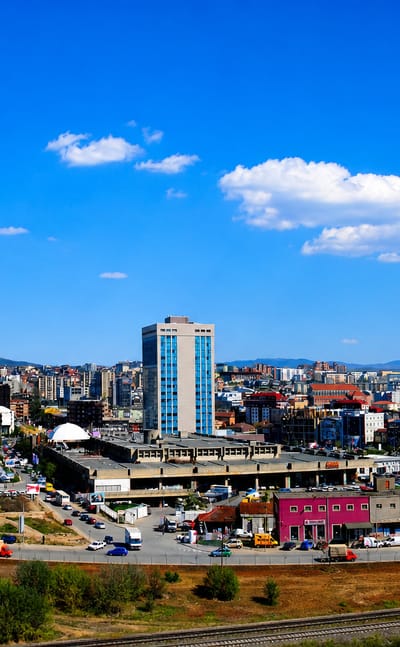
Minarets and concrete towers share the skyline of Pristina, the capital of Kosovo, known for the National Library of Kosovo and its old bazaar quarter.Where to stay →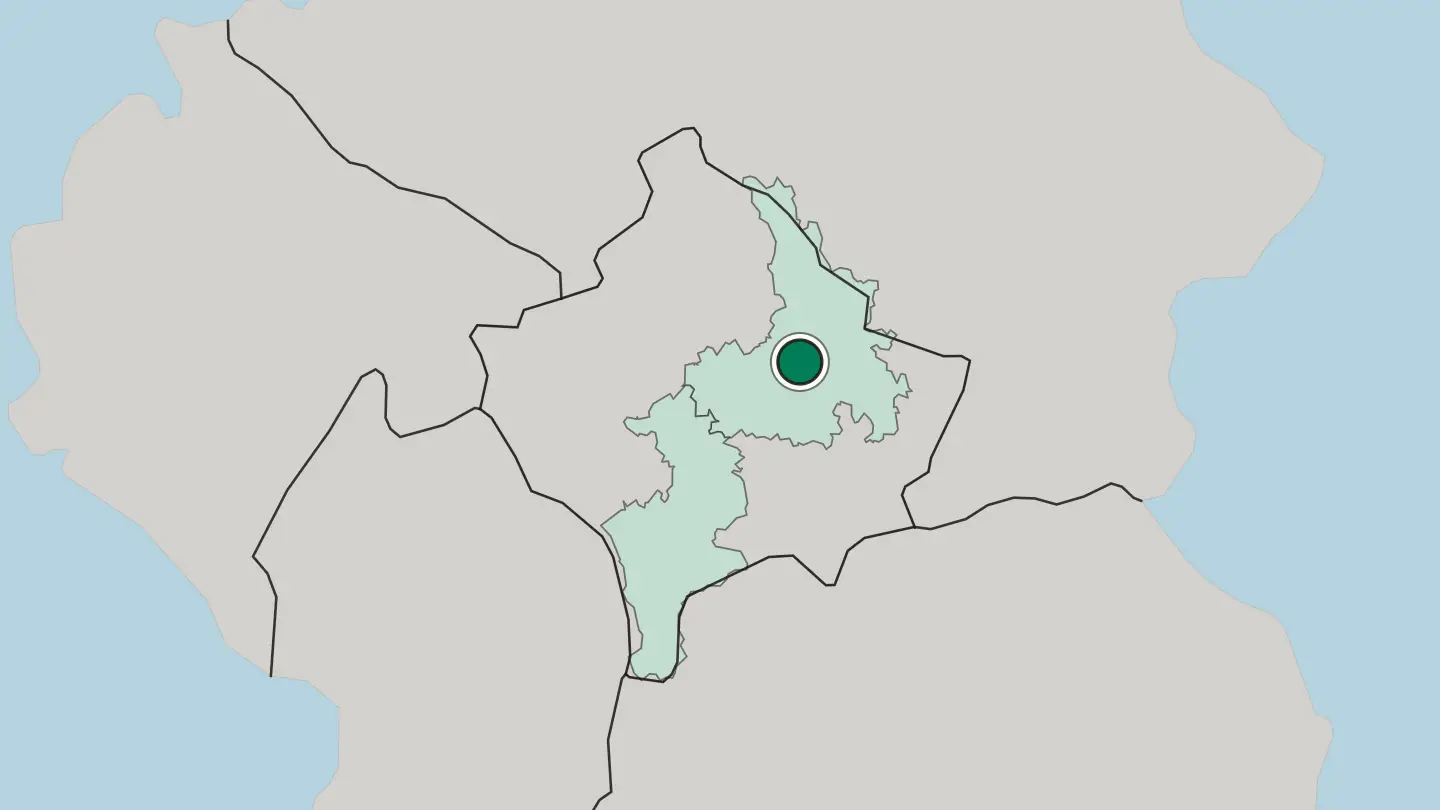
 Kosovo
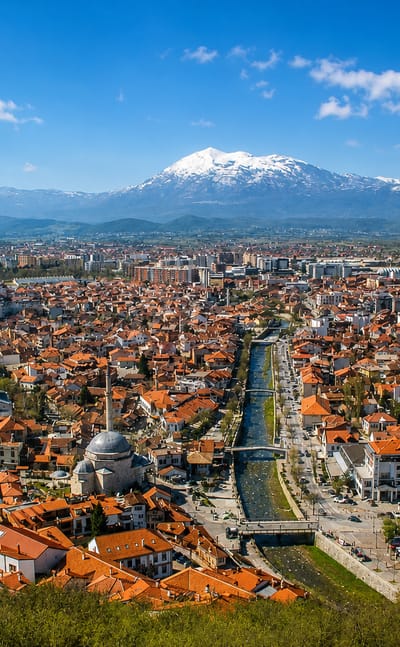
Prizren
Mosques and church towers crowd the old town of Prizren, the second-largest city of Kosovo, set on the Prizren River below the Sharr Mountains.Where to stay →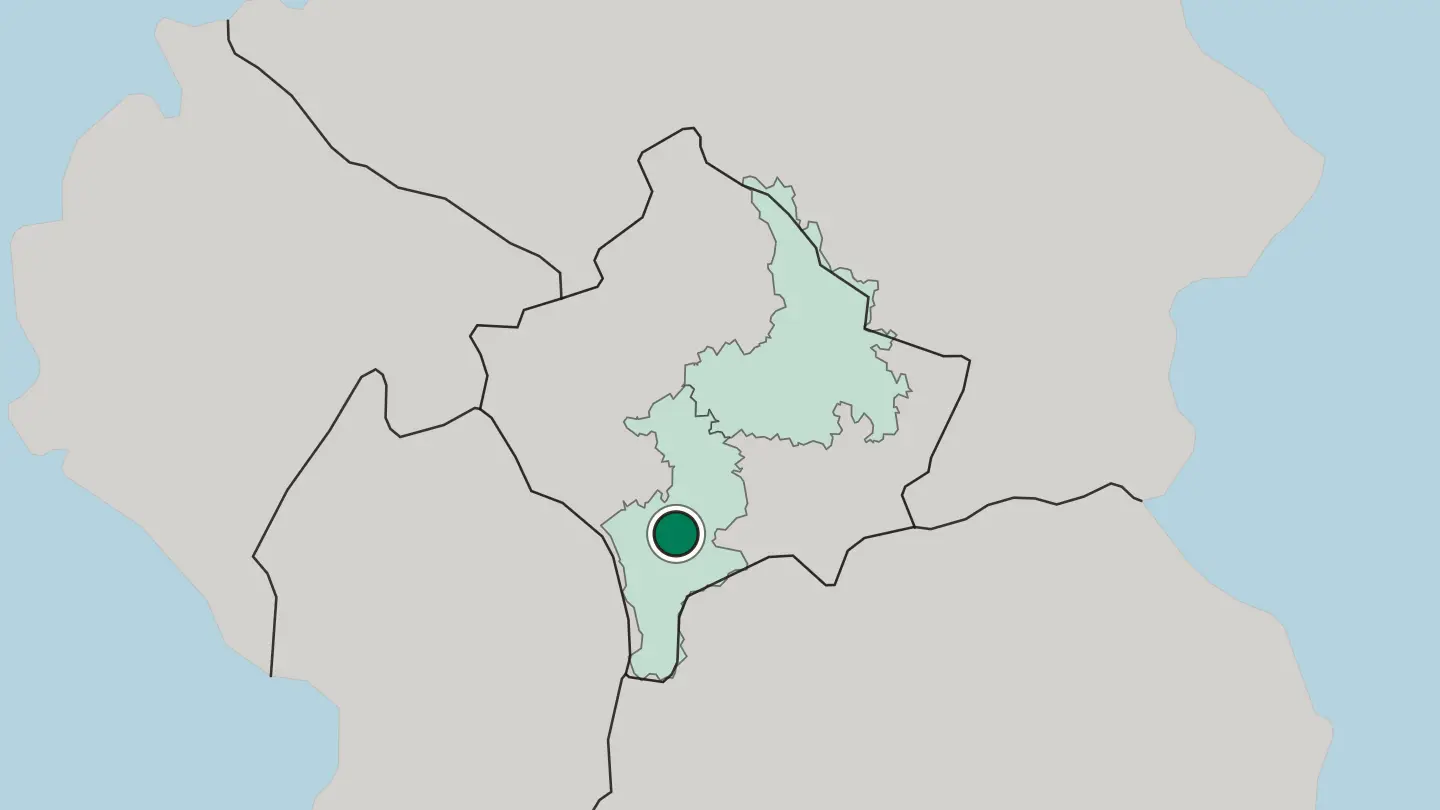
 Kosovo
Mitrovicë
Mitrovicë stands where the Sitnica, Lushta and Trepça meet the Ibër, ringed by the Kopaonik and Rogozna mountains.Where to stay →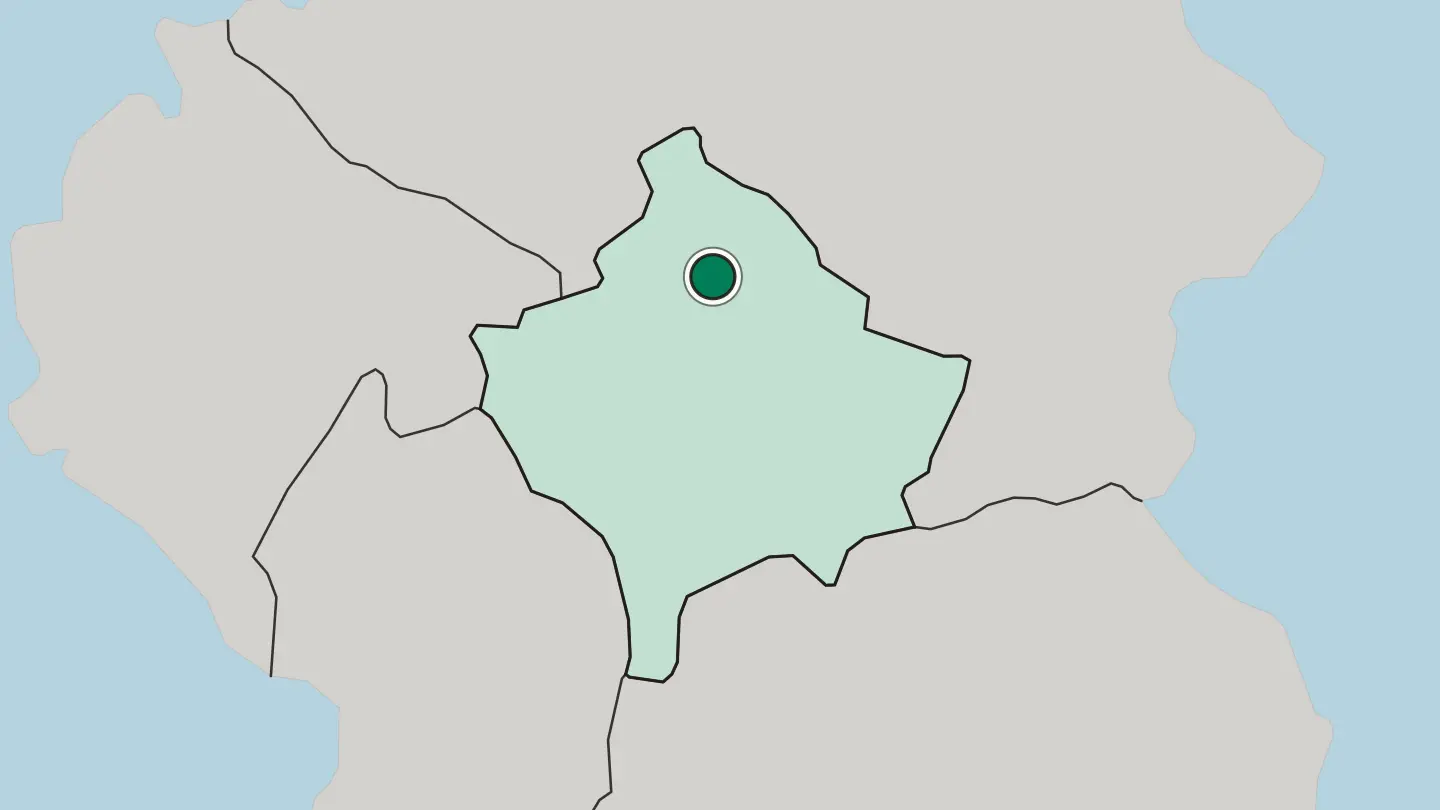
 Kosovo
Gjakovë
Gjakovë, also called Đakovica, is a Kosovo city whose Çarshija e Madhe bazaar and Hadum Mosque anchor its protected core.Where to stay →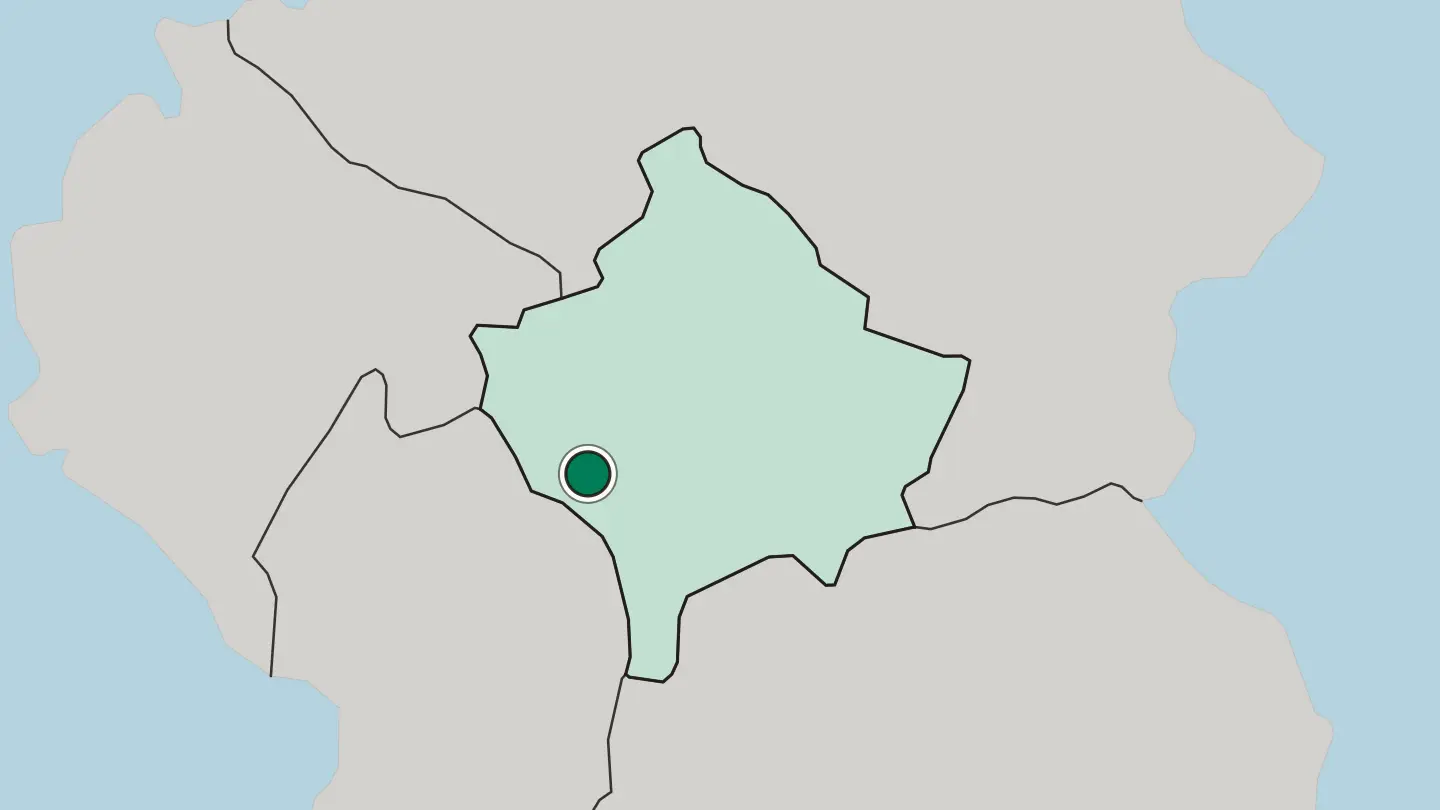
 Kosovo
Gjilan
Gjilan, or Gnjilane, is the administrative centre of the Gjilan District in Kosovo, a municipality holding hill forts and Roman-period sites.Where to stay →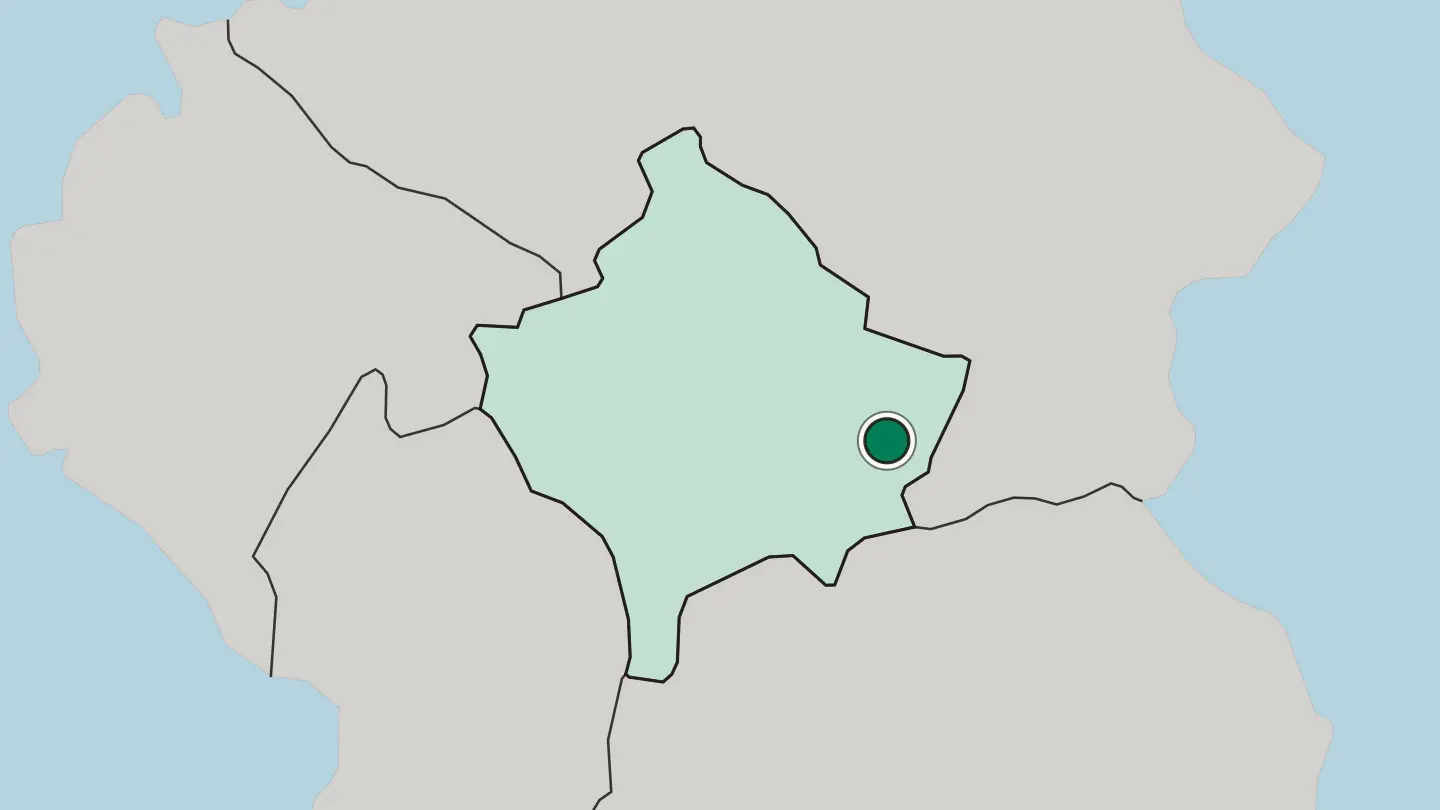
 Kosovo
Ferizaj
Ferizaj, or Uroševac, seat of the Ferizaj District, stands beside the main road running from Pristina to the Macedonian border.Where to stay →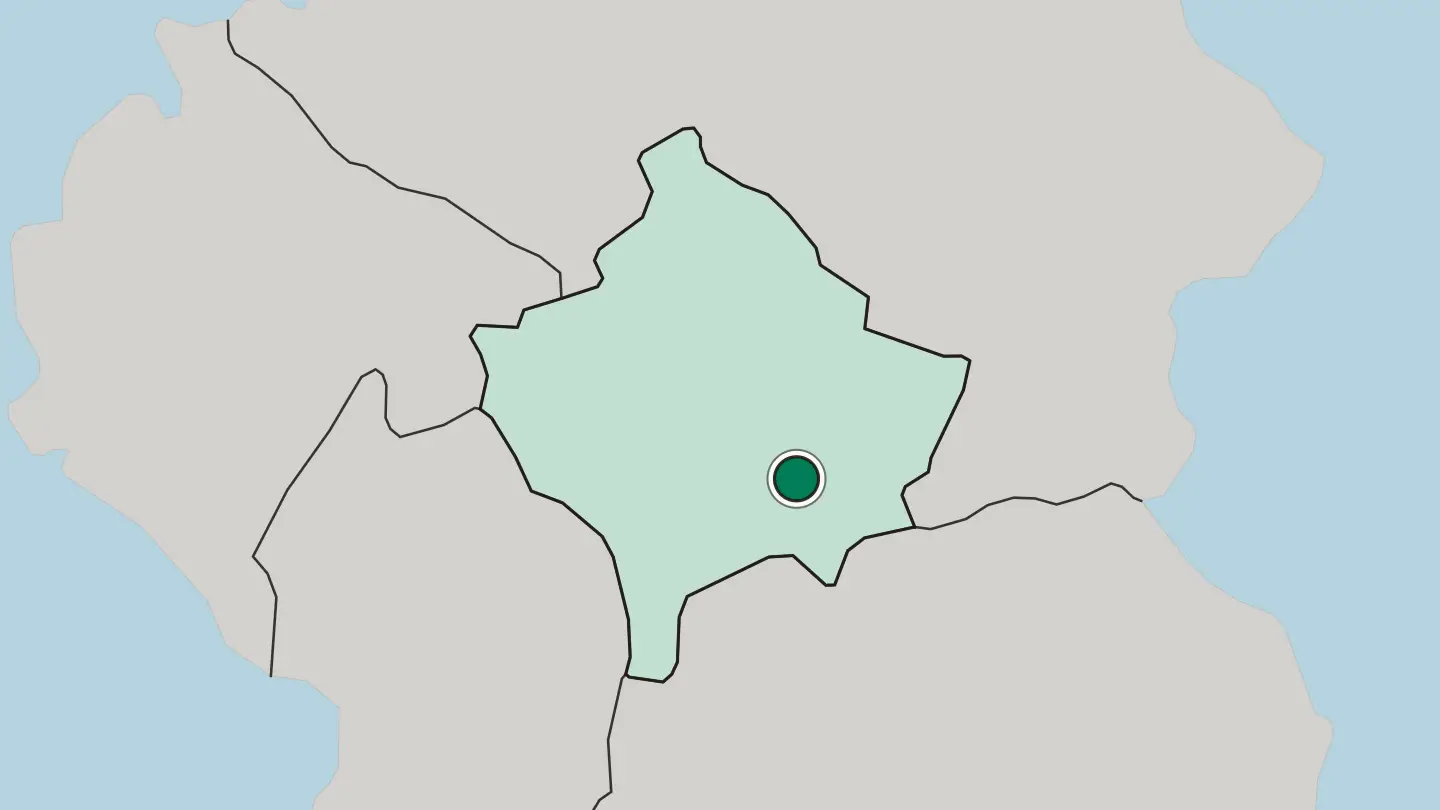 Kosovo
Suva Reka
Suva Reka, also written Suharekë or Therandë, is a town of the Prizren district on the road between Prizren and Pristina.Where to stay →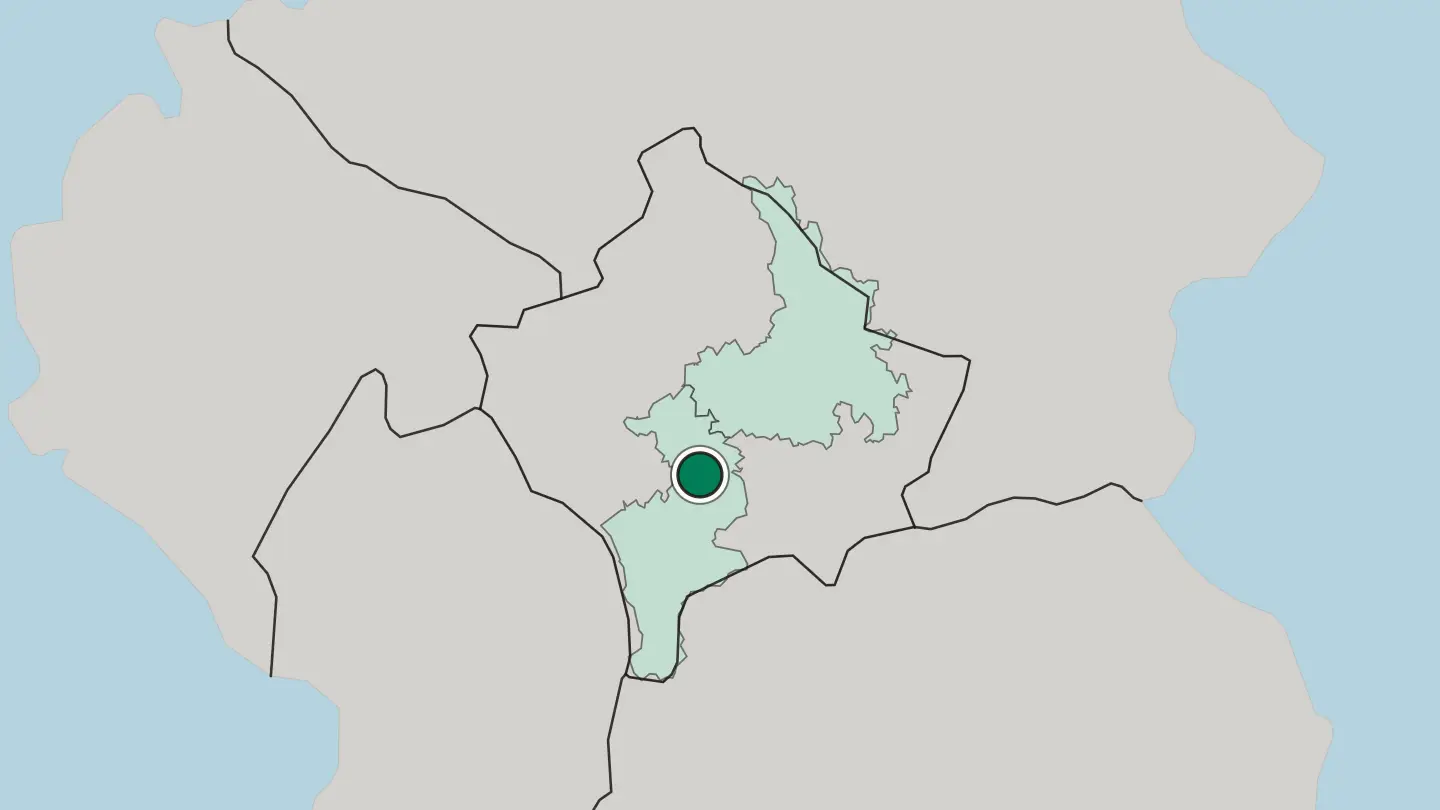
 Kosovo
Deçan
Deçan, also written Dečani, is a town and municipality in Gjakova District, Kosovo, gathering the town itself and 37 smaller settlements.Where to stay →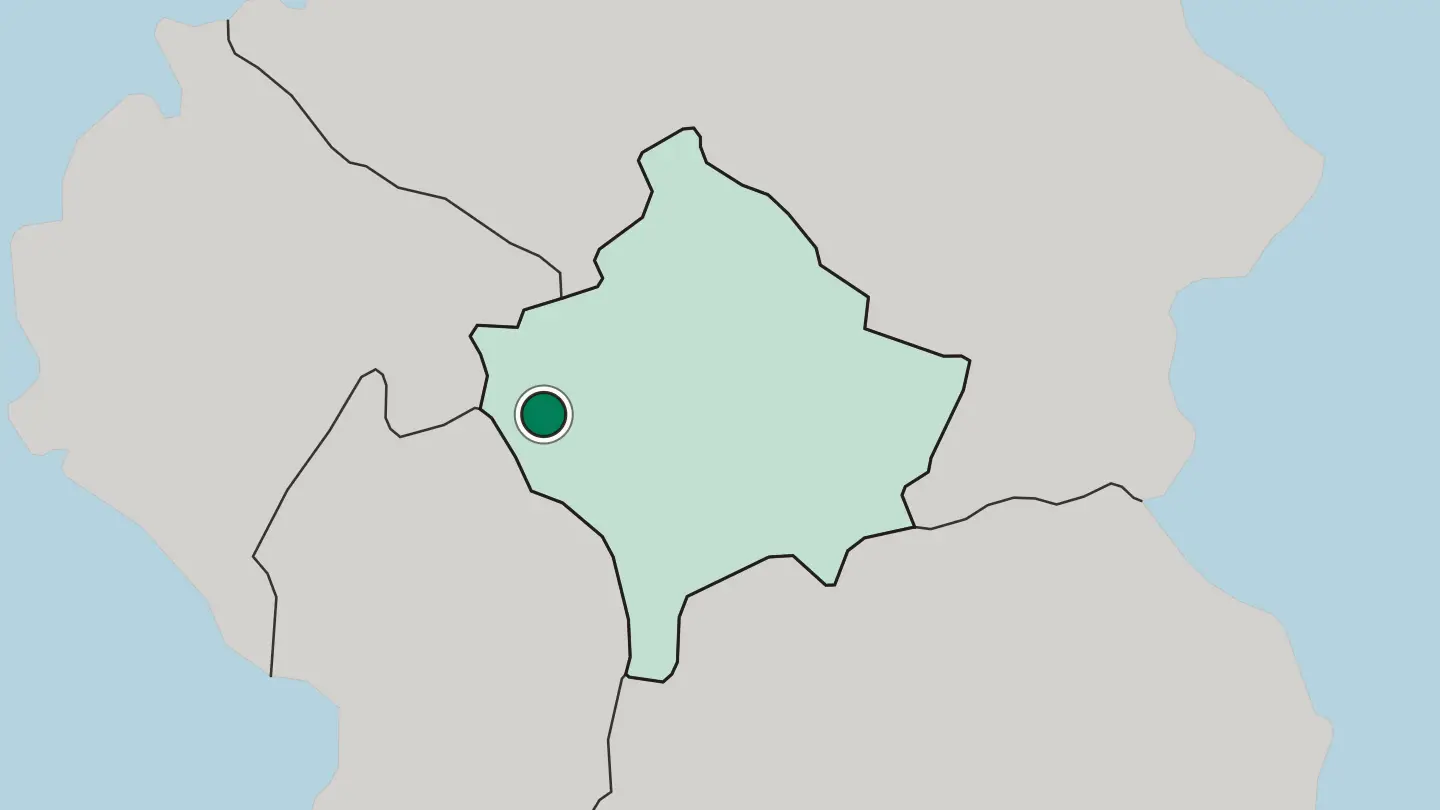
Hotel links are affiliate links: booking through them may earn us a commission, at no extra cost to you. It never affects how places are ranked. How this works
Regions of Kosovo
Kosovo
Pristina District
Pristina District spreads across the inland plateau of Kosovo, an administrative district built around its seat and hub city of Pristina.Towns & cities →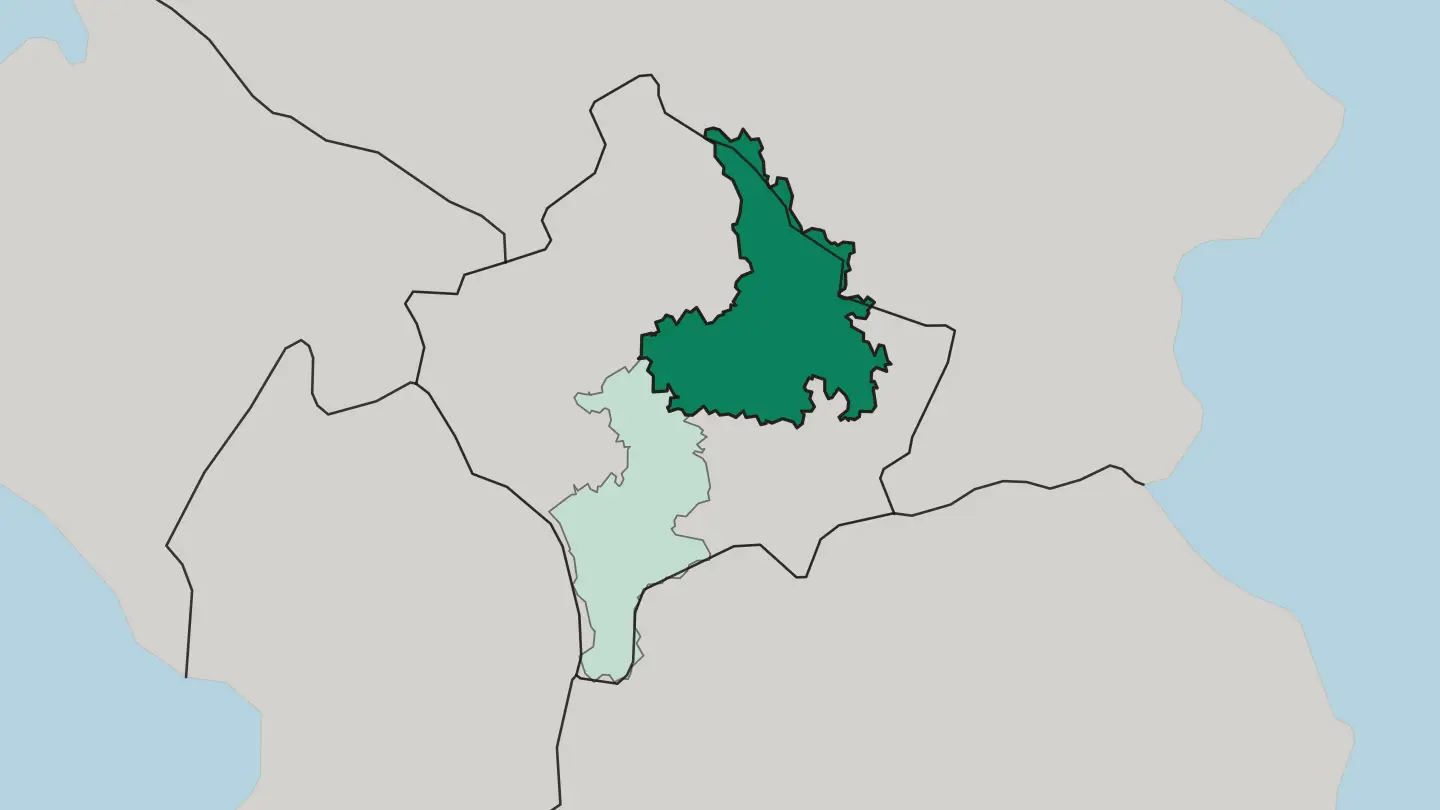 Kosovo
Prizren District
Below the Sharr Mountains, Prizren District spreads around the historic city of Prizren in Kosovo, its hub on the Prizren River.Towns & cities →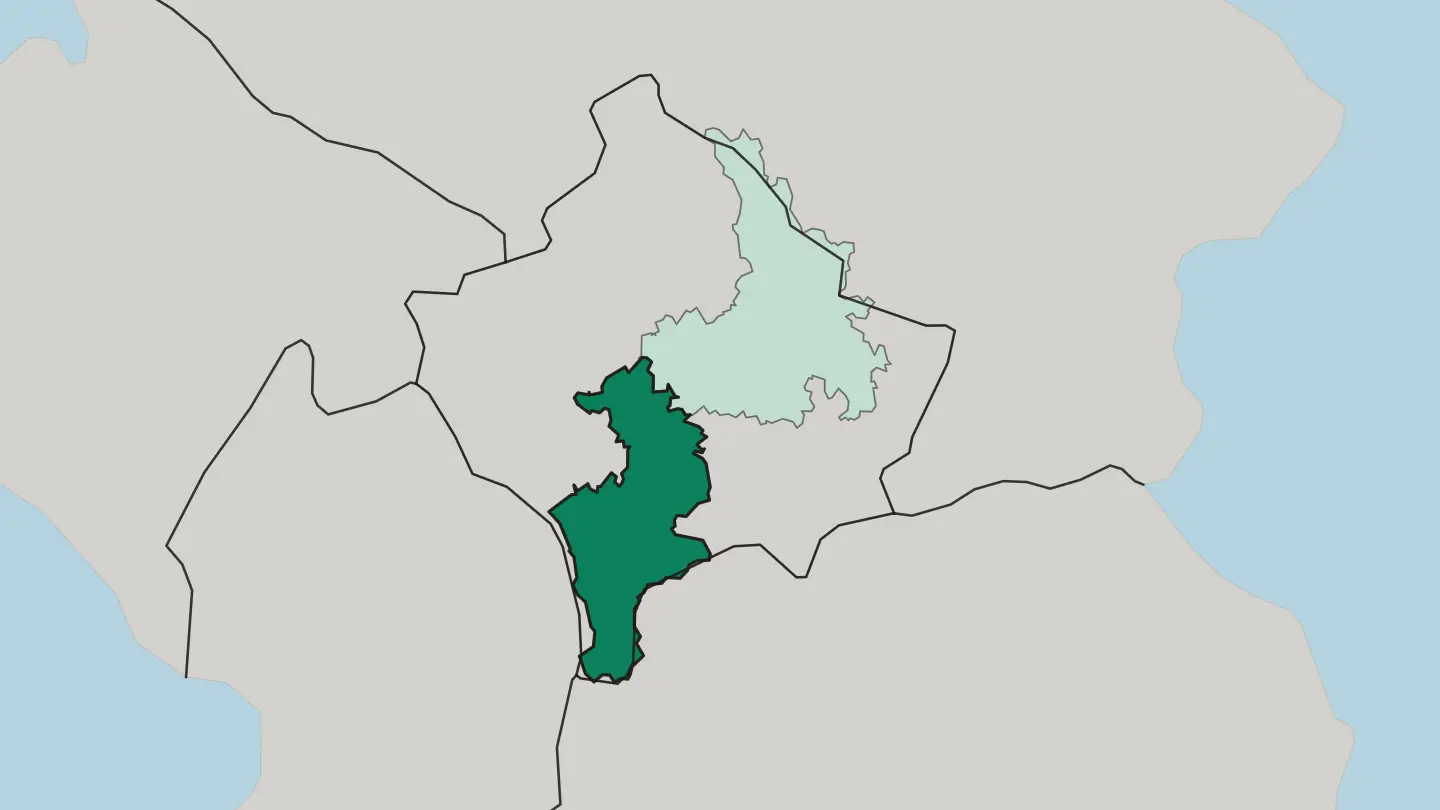 Kosovo1 city
Mitrovica District
Mitrovica District covers over two thousand square kilometres of Kosovo, is administered from Mitrovica, and meets Serbia along its northern edge.Towns & cities →Kosovo2 citiesGjakova District
The seat city of Gjakova gives its name to Gjakova District, one of seven such units that have divided Kosovo since 2000.Towns & cities →Kosovo1 cityFerizaj District
Ferizaj District is one of the seven districts of Kosovo, with the city of Ferizaj as its seat, an arrangement in place since 2000.Towns & cities →Kosovo1 cityGjilan District
Gjilan District covers some twelve hundred square kilometres of Kosovo and takes both its name and its administration from the city of Gjilan.Towns & cities →Explore by experience
Not sure which place? Start from how you want to travel.
About Kosovo
What is Kosovo known for?
Kosovo is Europe's newest state, and it wears its youth lightly. Pristina, the capital, runs on strong espresso and a street energy that surprises first-time arrivals, while Prizren keeps the Ottoman look with its stone bridge and hillside fortress. The mountains do much of the pulling.
Peja opens onto the Rugova Canyon and the Accursed Mountains, Brezovica draws skiers to the Šar range, and the Serbian Orthodox monasteries at Gračanica and Visoki Dečani carry a medieval heritage recognised by UNESCO.
Where is Kosovo?
Kosovo is a landlocked country in the central Balkans, hemmed by high ground on almost every side. Two mountain systems frame it. The Accursed Mountains, or Bjeshkët e Nemuna, rise along the western border with Albania and Montenegro, cut by the Rugova Canyon above Peja, one of the longest and deepest gorges in Europe.
The Šar Mountains guard the southern and south-eastern edge toward North Macedonia, where Velika Rudoka pushes past 2,600 metres. Between these walls the land settles. The interior is a pair of broad basins, the Dukagjini plain in the west around Peja and Gjakova and the Kosovo plain in the centre and east around Pristina and Gjilan.
Rivers order them. The White Drin gathers the western waters and drains south toward the Adriatic through Albania, while the Sitnica threads the central plain past Mitrovica before joining the Ibar and running north to the Black Sea. Few countries this small split so cleanly between two seas.
The result is a compact land where a morning on the central plain and an afternoon in an alpine canyon sit within one drive.
What is the history of Kosovo?
Kosovo's past is layered and often contested. The Dardani, an ancient people, built the kingdom of Dardania across this ground before Rome absorbed it, leaving a name still worn with pride. Centuries later the region became the spiritual heartland of medieval Serbia, and its rulers raised the monasteries that survive at Visoki Dečani, Gračanica, and the Patriarchate of Peć.
Those churches still stand. Then Ottoman rule arrived. The Battle of Kosovo, fought on the Kosovo plain near Pristina in 1389, broke Serbian power and pulled the region into an empire that held it for close to five centuries, reshaping its towns, mosques, and bazaars.
Prizren gave the national awakening its spark when the League of Prizren formed there in 1878 to defend Albanian rights. Yugoslav rule and then war filled the twentieth century. Kosovo declared independence from Serbia in 2008, becoming one of the world's youngest states, a status Serbia still rejects.
History here is not settled scenery. It is argued over daily, and the monuments carry the weight of that argument.
What is Kosovo like?
Kosovo's culture is overwhelmingly Albanian, laid over an Ottoman inheritance and a coffee habit that borders on devotion. Cafés are the social engine. In Pristina people meet over macchiatos for hours, and the ritual matters more than the caffeine.
The kitchen leans Balkan and hearty. Flia, a slow dish of thin batter layers brushed and baked in rings, counts as the national plate, served with cream and eaten together rather than alone. Craft and faith mark the older towns.
Prizren keeps a filigree tradition of fine twisted silver and a Sufi tekke in its Marash quarter, both remnants of centuries under Ottoman rule. The same city cradled the political awakening at the League of Prizren, and that memory of self-assertion runs through Kosovar identity. Music, weddings, and mountain hospitality bind it together.
Guests are treated as an obligation, not an intrusion. Across a country this new to travellers, that welcome is the first thing most people notice, and it tends to be the thing they remember.
What is the climate of Kosovo?
Kosovo has a mainly continental climate, softened at the edges. Summers on the central plain around Pristina turn hot and dry, while winters bring cold, snow, and grey. The mountains change the rules.
Up in the Accursed Mountains and the Šar range the snow lies deep and long, which is why Brezovica works as a ski base well into spring. Mediterranean warmth leaks in from the south-west along the White Drin. Pack for two countries at once.
How do you get to Kosovo?
Most travellers arrive by air into Pristina. The country's single passenger gateway, Pristina International Airport Adem Jashari, sits a short drive from the capital and links to hubs across Europe. Overland routes matter too.
Buses run in from Skopje, Tirana, and other neighbours, and Kosovo shares no railway worth planning around. From Pristina, cheap regional buses reach Prizren and Peja in about two hours. Nowhere in Kosovo is far.
A hire car opens the mountain roads the buses skip.
Good for
Updated September 2026