Yemen · Amanat alasimah
Where to Stay in Sanaa, Amanat alasimah
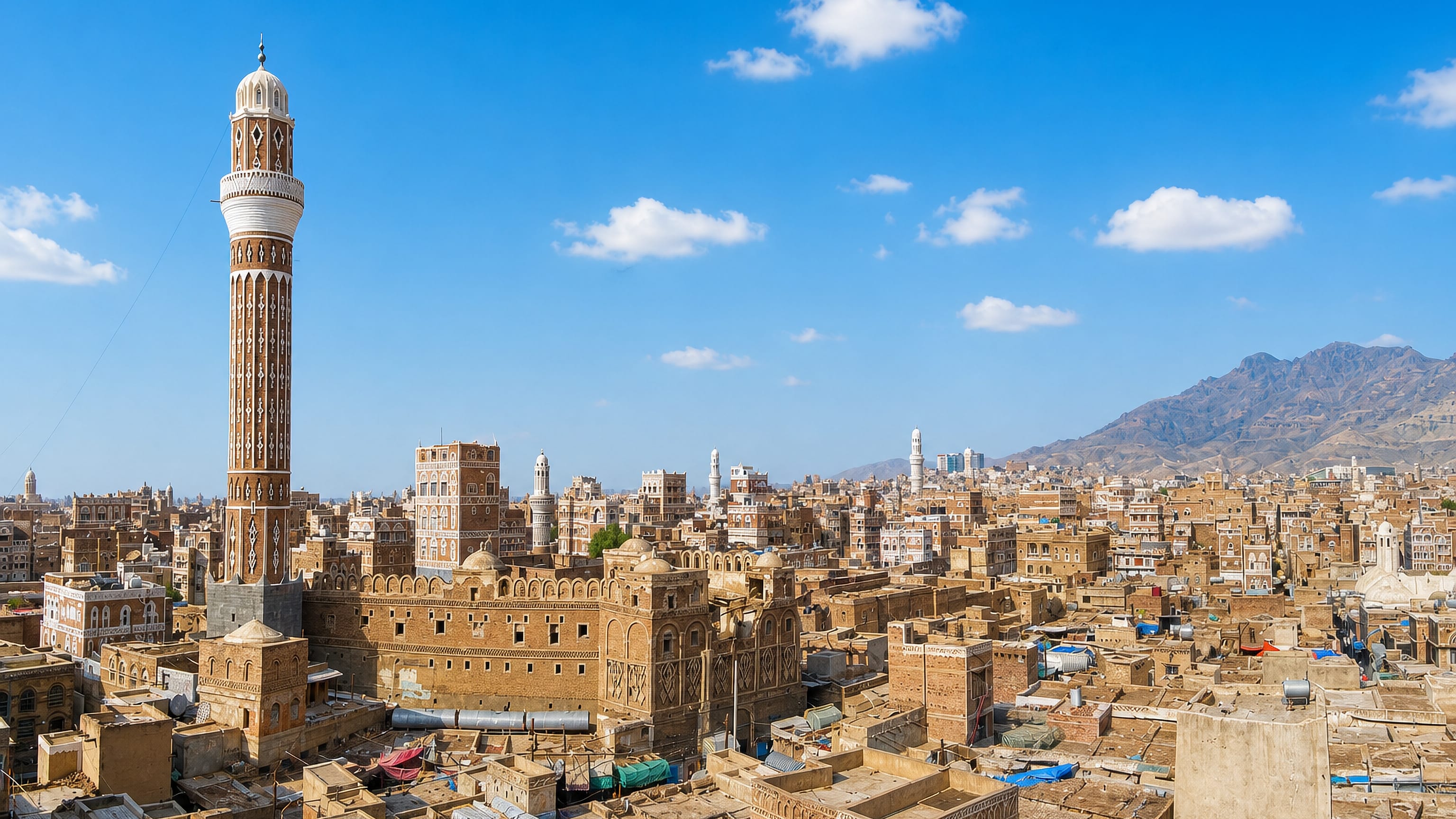
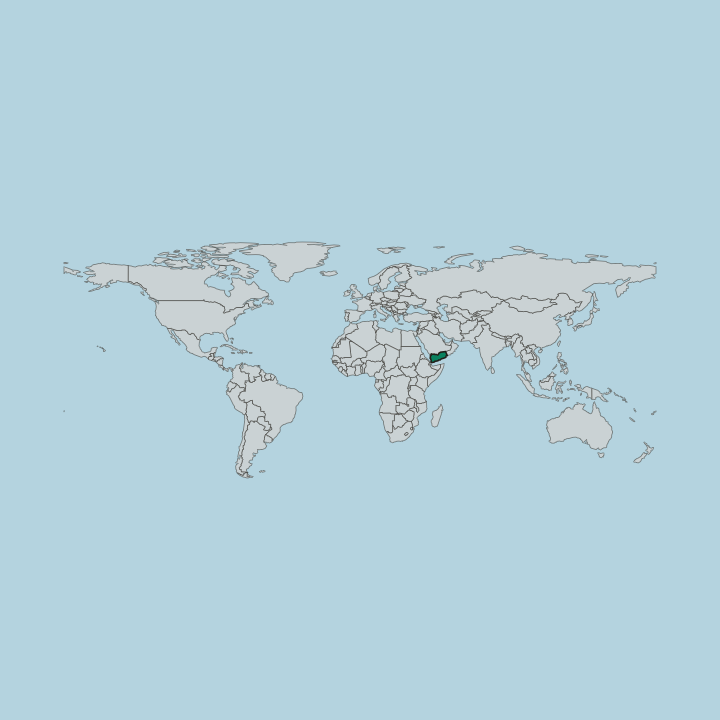
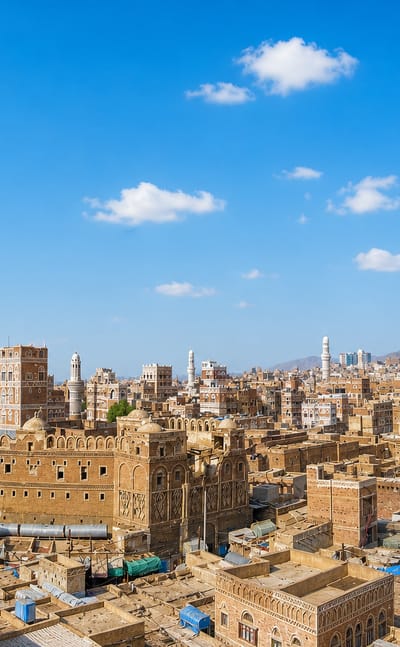
High on its mountain plateau, Sanaa is the capital and largest city of Yemen, an old walled city beneath the Sarawat Mountains.
Hotel links are affiliate links: booking through them may earn us a commission, at no extra cost to you. It never affects how places are ranked. How this works


Where to stay in Sanaa
The right area depends on your trip — here's what each neighbourhood is best for.
 SanaaYemen
Al Waḩdah
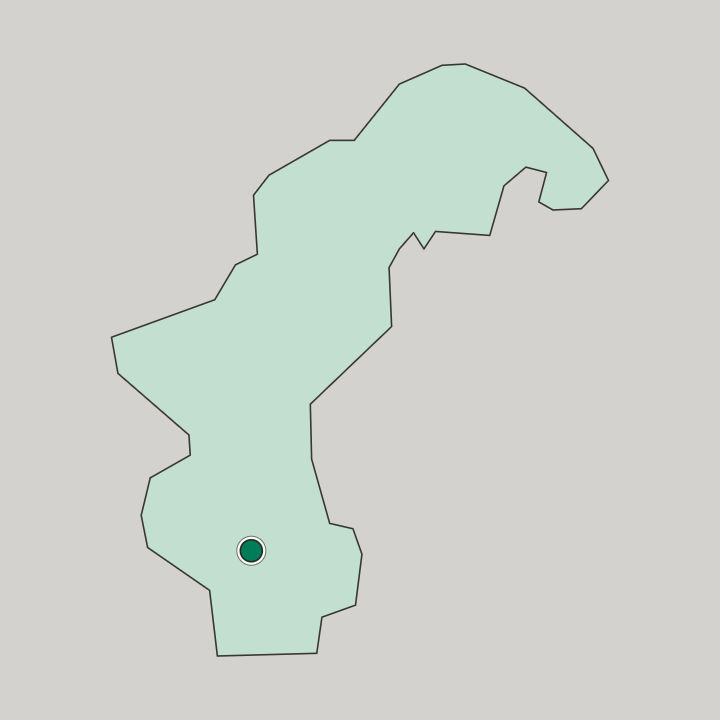
Al Waḩdah is one of the districts of Amanat Al Asimah, the governorate covering Sanaa, and takes in close to eight square kilometres of the city.Where to stay →SanaaYemenAş Şāfiyah
Aş Şāfiyah is a district of Sanaa under the Amanat Al Asimah governorate, taking in about ten square kilometres east of Al Waḩdah.Where to stay →Hotel links are affiliate links: booking through them may earn us a commission, at no extra cost to you. It never affects how places are ranked. How this works
Find hotels in Sanaa
Direct booking searches for these neighbourhoods.
Old Sana'a
Old Sana'a puts the walled lanes, markets, and mosques of Sanaa at the door, with the National Museum of Yemen and House of Folklore close by beneath the Sarawat Mountains.Find hotels in Old Sana'aBroader streets around the old city near Sanaa's museumsThe wider capital
The newer capital around Old Sana'a spreads toward the foot of the Sarawat Mountains, trading the dense old lanes for open streets near the Yemen Military Museum.Find hotels in The wider capitalHotel links are affiliate links: booking through them may earn us a commission, at no extra cost to you. It never affects how places are ranked. How this works
Things to do in Sanaa
Ranked by global recognition; descriptions from Wikidata (CC0).
Museums & Galleries
3- National Museum of Yemen
- Yemen Military Museum
- House of Folklore
Churches & Religious Sites
1- Al-Qalis Church
Castles & Historic Sites
1- Aljabowbi Castle
worth knowingacross 3 categories in Sanaa
About Sanaa
What is Sanaa known for?
Sanaa is known as the capital and largest city of Yemen, a mountain city famous for the old walled quarter of Old Sana'a. Height sets it apart. Standing among the highest capitals in the world beside the Sarawat Mountains, Sanaa keeps a dense historic core of markets and mosques, watched over by the peaks of Jabal An-Nabi Shu'ayb.
Its museums, from the National Museum of Yemen to the House of Folklore, gather the country's heritage.
What are the main landmarks in Sanaa?
Sanaa's landmarks gather in and around Old Sana'a, the walled heart of the capital. The old city itself is the great monument, its markets and mosques packed inside the walls. Museums fill in the story.
The National Museum of Yemen, the Yemen Military Museum, and the House of Folklore hold the country's heritage, while Al-Qalis Church marks an older faith and Aljabowbi Castle stands among the heights above the city.
What is the history of Sanaa?
Sanaa grew up on its high mountain plateau as one of the old cities of the Arabian Peninsula, long before it became the capital of Yemen. The mountains kept it apart. Ringed by the Sarawat Mountains and the heights of Jabal An-Nabi Shu'ayb, the city built up a dense walled core over many centuries, the quarter known as Old Sana'a.
Trade routes and faith drew people to the plateau. The plateau gave the city water and cool air far above the hot lowlands of Yemen. Layers of religion mark that long past.
Al-Qalis Church recalls an early Christian presence in the city, while the mosques of Old Sana'a speak to the centuries that followed. Faith and trade filled its walls. The old walled city held markets, houses, and places of worship close together behind its walls, a plan that has survived into the present.
Sanaa became the capital and largest city of Yemen, its museums, the National Museum of Yemen among them, keeping that history. Through it all the Sarawat Mountains have stood over the plateau, framing the growth of Sanaa.
Where is Sanaa?
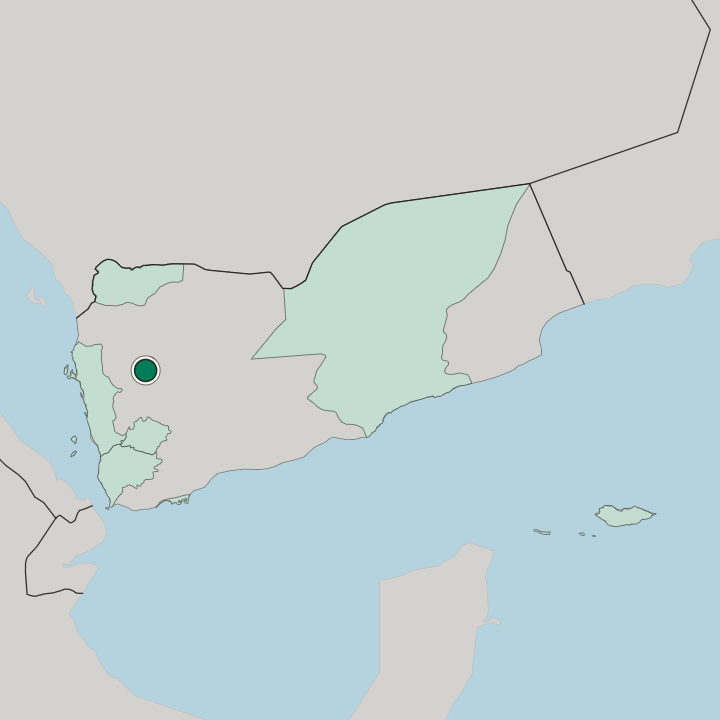
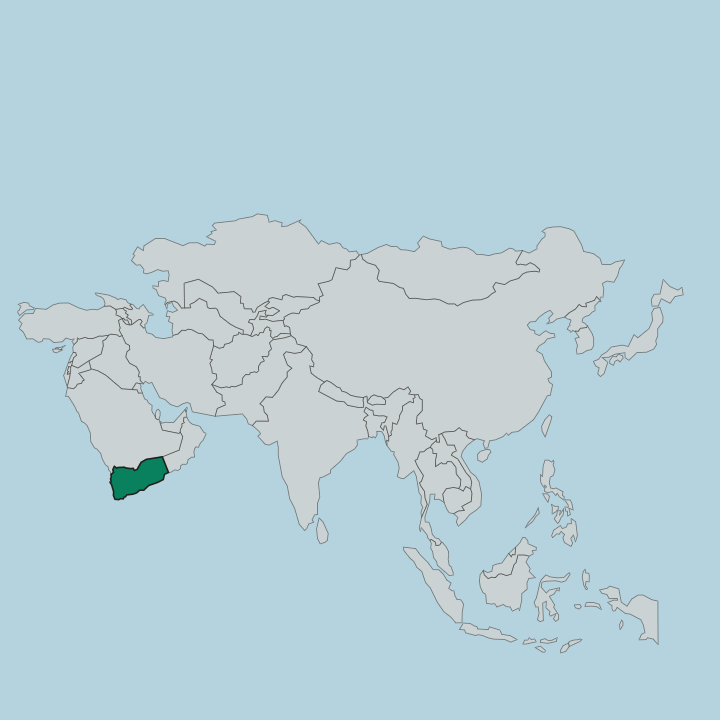
Sanaa sits high on a mountain plateau beside the Sarawat Mountains, in the highlands of Yemen. Peaks close in around it. The great summits of Jabal An-Nabi Shu'ayb and Jabal Tiyal, among the highest of the Arabian Peninsula, rise near the city, lifting it far above the coastal lowlands.
This high plateau setting, one of the loftiest of any capital, shapes the whole of Sanaa.
What is the climate of Sanaa?
Sanaa has a mild highland climate, far cooler and drier than its tropical position would suggest. The mountains temper it. High beside the Sarawat Mountains, the city runs warm by day and cold by night, with thin dry air and modest rains, spared the harsh heat of Yemen's coast.
That altitude gives Sanaa clear light and even seasons through the year.
How do you get to Sanaa?
Sanaa is the main way into the highlands of Yemen, the roads of the country gathered on its plateau. Everything funnels through the capital. As the capital and largest city of Yemen, Sanaa pulls in the routes that cross the Sarawat Mountains and climb from the lowlands, drawing travellers up to the old city.
Arrive on the plateau. From Sanaa the mountain roads run out toward Jabal An-Nabi Shu'ayb and the rest of the country.
Common questions
What is the best area to stay in Sanaa?
Old Sana'a: Staying in the walled old city among its markets and mosques. The wider capital: Broader streets around the old city near Sanaa's museums.
Updated September 2026