Yemen · Muḩāfaz̧at al Ḩudaydah
Where to Stay in Zabīd, Muḩāfaz̧at al Ḩudaydah
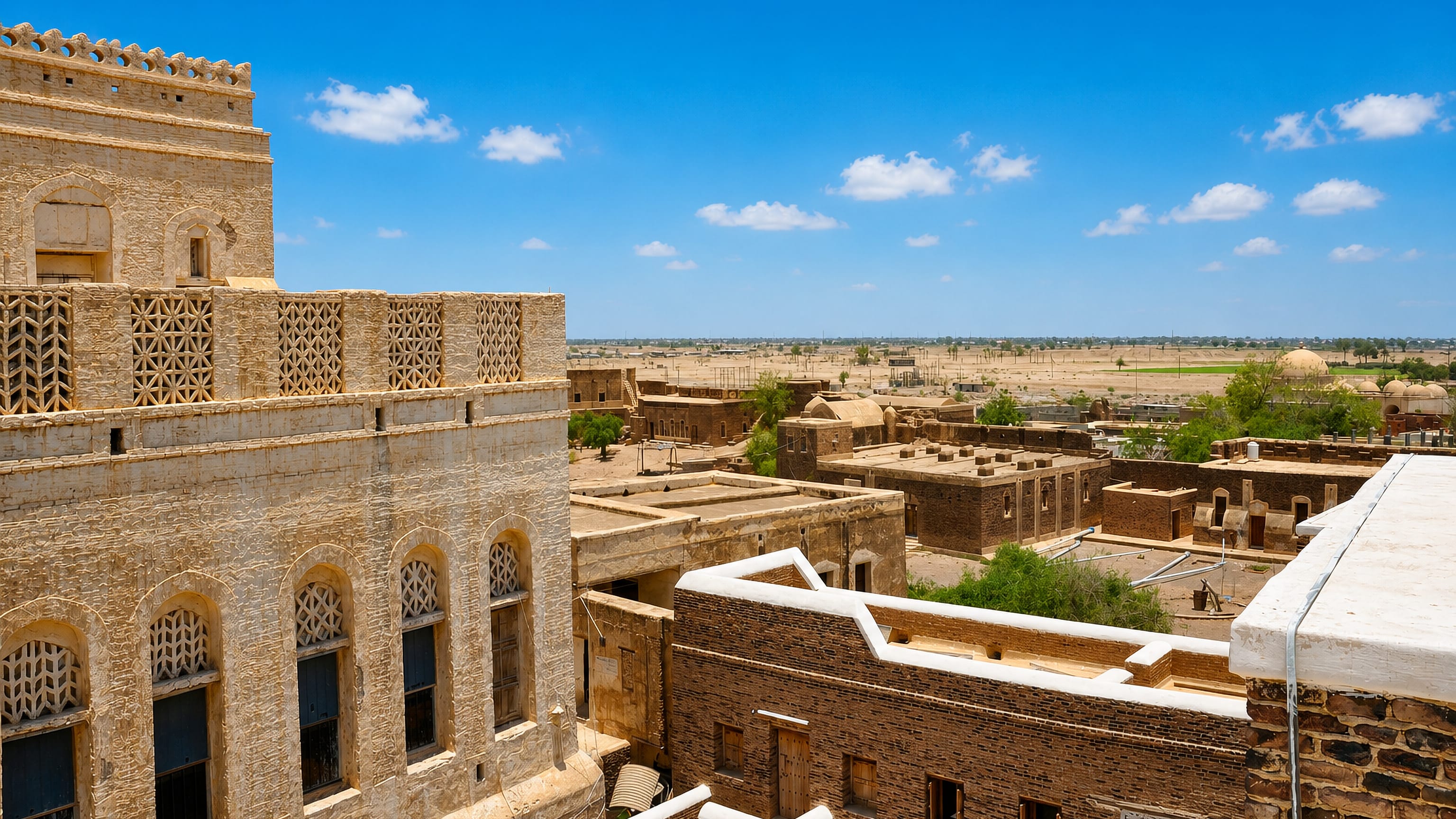
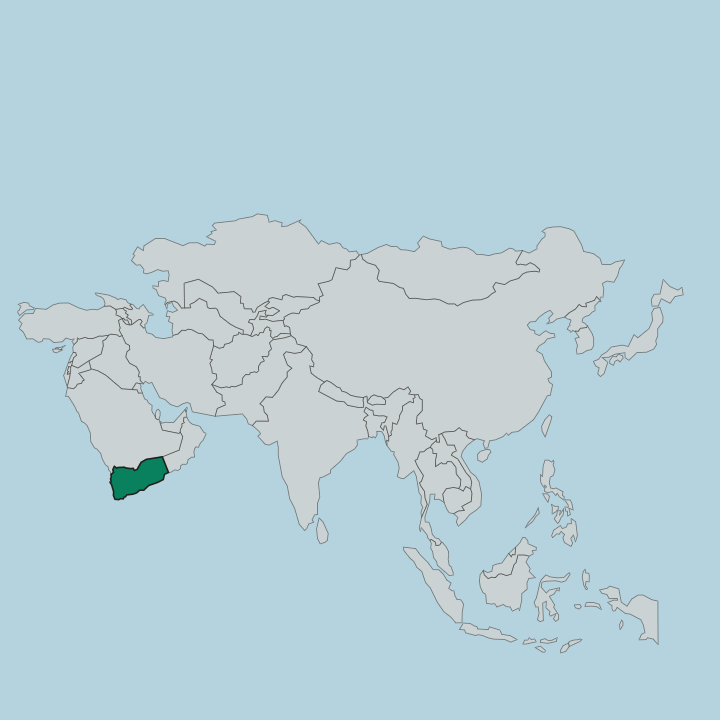
Zabīd is one of the oldest towns in Yemen, a World Heritage Site on the western coastal plain near the Red Sea, and once a capital of dynasties.
Hotel links are affiliate links: booking through them may earn us a commission, at no extra cost to you. It never affects how places are ranked. How this works


Where to stay in Zabīd
The practical side of choosing where to sleep.
Everything worth seeing sits inside one small town. Zabīd covers a little over one square kilometre, so the practical question is not which quarter to choose but whether to sleep in the World Heritage town itself or out towards the Red Sea Coast. The town wins on foot.
A bed inside the inscribed area puts the whole of the listed site within a walk, which matters in a place where the site is not one monument but the street plan and the buildings along it. Sleeping nearer the Red Sea is the other option. Zabīd stands on the western coastal plain of Yemen near the Red Sea Coast, and a base closer to the water suits a trip built around the shoreline of Muḩāfaz̧at al Ḩudaydah rather than around the old streets.
Condition matters to the choice. Since 2000 the site has stood on the List of World Heritage in Danger, so a visitor should expect the fabric of the town to be uneven and plan the days around what is standing. Neither base sits far from the other.
Whichever side the room is on, the coastal plain between the town and the Red Sea Coast is flat ground and quickly crossed.
Find hotels in Zabīd
Direct booking searches for these neighbourhoods.
Inside the inscribed town
The entire town of Zabīd is what was inscribed in 1993, and at a little over one square kilometre it can be crossed on foot from any point inside it.Find hotels in Inside the inscribed townTrips pairing Zabīd with the shoreline west of the coastal plainTowards the Red Sea Coast
Zabīd stands on the western coastal plain near the Red Sea Coast, so a base towards the water trades the historic streets for the seaward edge of Muḩāfaz̧at al Ḩudaydah.Find hotels in Towards the Red Sea CoastHotel links are affiliate links: booking through them may earn us a commission, at no extra cost to you. It never affects how places are ranked. How this works
About Zabīd
Age is the claim.
What is Zabīd known for?
Zabīd counts among the oldest towns in Yemen, was inscribed as a UNESCO World Heritage Site in 1993, and was moved onto the List of World Heritage in Danger in 2000, a sequence that frames everything else here. Dynasties account for the rest. The town served as the capital of several ruling houses over many centuries, which is why a place this small carries a name known well beyond the coastal plain around it.
What are the main landmarks in Zabīd?
The town is the landmark. What Zabīd carries on the World Heritage list is not a single building but the whole settlement, inscribed in 1993 as one of the oldest towns in Yemen and recorded under the plain name Zabid. That changes how it is seen.
A visitor walks the site rather than queues at it, and the streets themselves, together with the buildings that line them, are what the inscription covers.
What is the history of Zabīd?
Zabīd is old even by the measure of Yemen. The town ranks among the oldest in the country, and the record credits it with serving as the capital of several ruling dynasties across many centuries, which is a great deal of history for a settlement covering a little over one square kilometre. Power kept returning here.
Successive houses governed from Zabīd rather than from the coast or the highlands, and the town's standing rests on that repeated role more than on any single reign. Recognition came in 1993. UNESCO inscribed Zabid as a World Heritage Site that year, giving formal protection to a town whose importance had been accumulating long before any modern list existed.
The safeguard did not hold. In 2000 the site was added to the List of World Heritage in Danger, a status that speaks to the condition of the fabric rather than to any doubt about the town's significance. Both dates belong on the same page.
Together they describe a place of long standing on the western coastal plain whose survival is treated as a live question rather than a settled one.
Where is Zabīd?
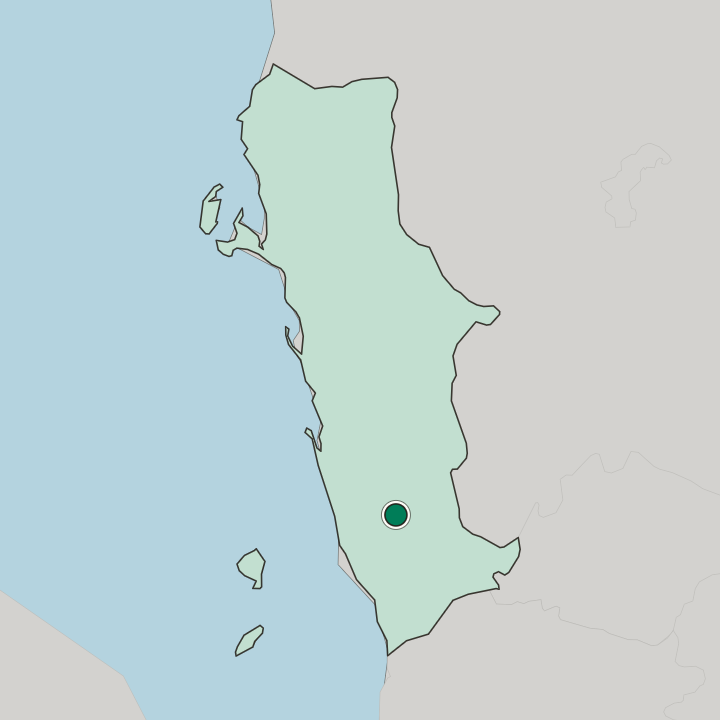
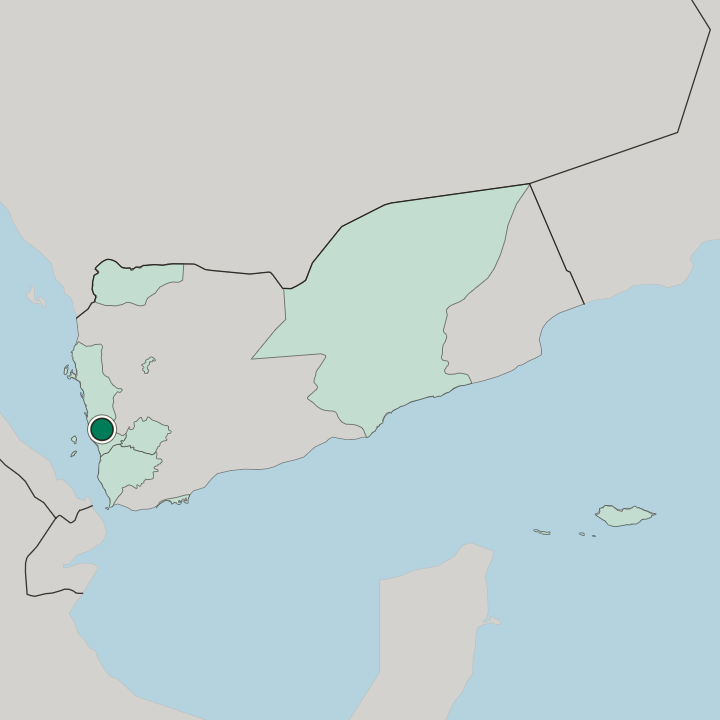
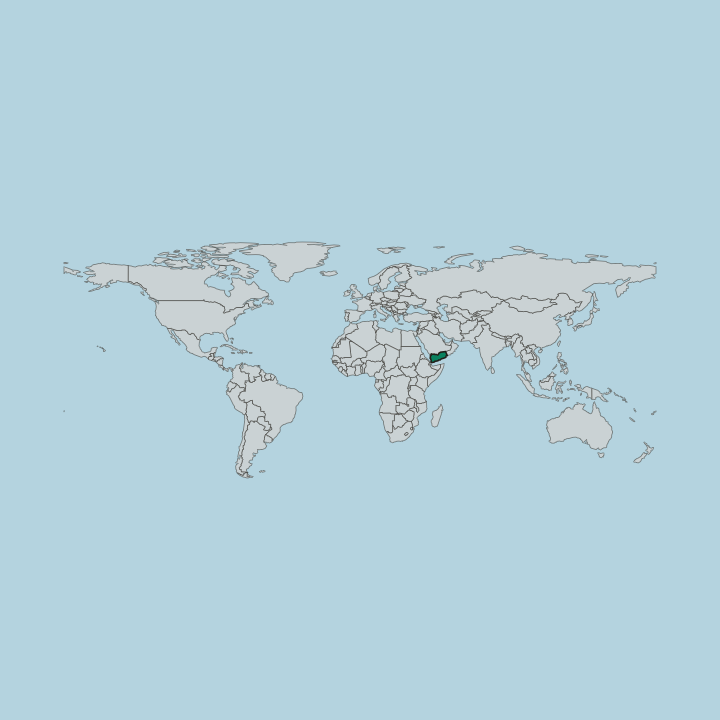
Flat ground runs west to the water. Zabīd sits on the western coastal plain of Yemen, near the Red Sea Coast and inside Muḩāfaz̧at al Ḩudaydah, with plain rather than highland on every side. Nothing about the town is spread out.
Its built area comes to a little over one square kilometre, which holds every part of the World Heritage Site within the same short compass and explains why the whole settlement could be listed as one.
What is the climate of Zabīd?
The Red Sea Coast does the moderating. Zabīd lies in the tropical band of the northern hemisphere on flat coastal ground, close enough to the water that the sea rather than any highland sets the conditions on this side of Yemen. The plain offers no shelter.
Nothing between the town and the coast breaks the ground, so whatever comes in off the water reaches Zabīd across open country.
How do you get to Zabīd?
Approaches cross the plain. No airport, railway or road is named in the record for Zabīd, so arrival is described by the ground the town sits on: the western coastal plain of Yemen, within Muḩāfaz̧at al Ḩudaydah and near the Red Sea Coast. The going is easy.
Flat country in every direction means the town is reached overland from the governorate around it, with the water on the seaward side and the interior behind.
Common questions
What is the best area to stay in Zabīd?
Inside the inscribed town: Walking the whole World Heritage site of Zabīd from the door. Towards the Red Sea Coast: Trips pairing Zabīd with the shoreline west of the coastal plain.
Another city in Muḩāfaz̧at al Ḩudaydah
Updated September 2026