Zambia · Lusaka Province
Where to Stay in Lusaka, Lusaka Province
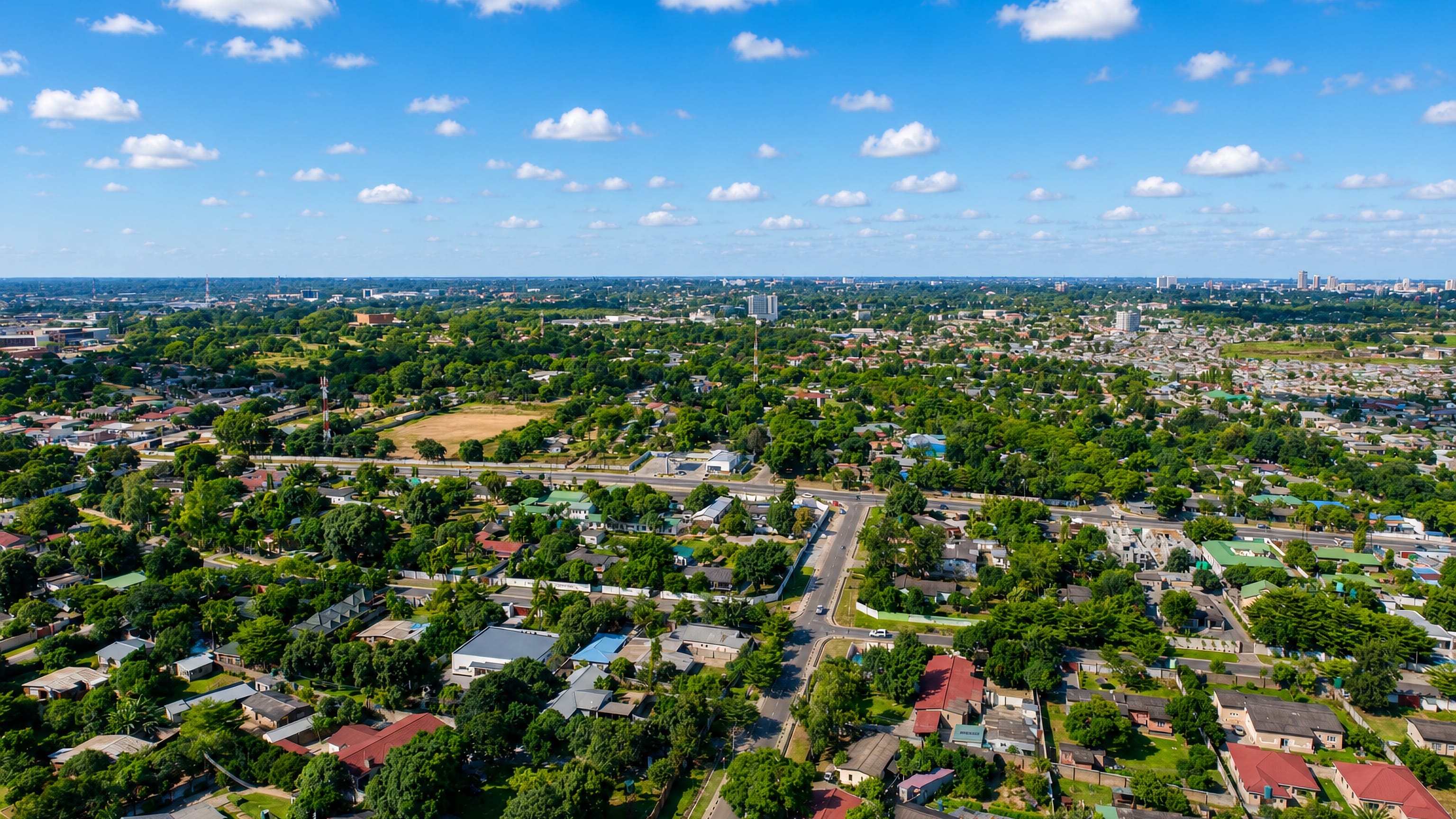
High on Zambia's central plateau, Lusaka is the capital and largest city, the country's centre of commerce and government.
Hotel links are affiliate links: booking through them may earn us a commission, at no extra cost to you. It never affects how places are ranked. How this works


Where to stay in Lusaka
How the choice of base plays out on the ground.
Lusaka spreads across the central plateau, so where you stay comes down to how close you want to be to the museums, the cathedral, and the civic squares at the city's core. The centre holds most of the landmarks. National institutions cluster there, near the Lusaka National Museum and the Cathedral of the Holy Cross, with Freedom Square close by.
Out from that core, the sports grounds and training centres give the wider city another set of anchors on the open plateau. Base yourself in the centre if you want the Freedom Statue at Freedom Square, the Cathedral of the Holy Cross, and the Lusaka National Museum within reach. It suits you if you want the capital's institutions at the door.
Away from the centre, the ground around the Olympic Youth Development Centre and the Atletico Lusaka Sports Complex trades the civic core for training grounds and the plateau air of Zambia's capital. Each base has its own pull. Whichever you choose, the central plateau and the road network of Lusaka tie the whole city together.
The real choice is between the museum-and-cathedral core and the sporting quarters that ring the rest of Zambia's capital.
Find hotels in Lusaka
Direct booking searches for these neighbourhoods.
City centre
The centre of Lusaka puts the Lusaka National Museum, the Cathedral of the Holy Cross, and the Freedom Statue at Freedom Square within reach of the capital's institutions.Find hotels in City centreTraining-ground base by the Olympic Youth Development Centre and Atletico Lusaka Sports ComplexSports quarter
The ground around the Olympic Youth Development Centre and the Atletico Lusaka Sports Complex sets a stay on the open plateau away from Lusaka's civic core.Find hotels in Sports quarterHotel links are affiliate links: booking through them may earn us a commission, at no extra cost to you. It never affects how places are ranked. How this works
Things to do in Lusaka
Ranked by global recognition; descriptions from Wikidata (CC0).
Museums & Galleries
1- Lusaka National Museum
Churches & Religious Sites
1- Cathedral of the Holy Cross, Lusaka
Castles & Historic Sites
1- Freedom Statue at Freedom Square in Zambia
Stadiums & Sports
2- Atletico Lusaka Sports Complex
- Olympic Youth Development Centre
worth knowingacross 4 categories in Lusaka
About Lusaka
What is Lusaka known for?
Lusaka is known as the capital and largest city of Zambia, the country's hub of commerce and government. The plateau defines it. High on the central plateau, the city gathers Zambia's national institutions and cultural sites, among them the Lusaka National Museum, the Cathedral of the Holy Cross, and the Freedom Statue at Freedom Square.
English serves as the language of administration, while Bemba, Tonga, and Chichewa are the street languages heard across the city.
What are the main landmarks in Lusaka?
Lusaka's landmarks gather in the civic core of Zambia's capital. The Lusaka National Museum holds the city's collections, while the Cathedral of the Holy Cross rises nearby and the Freedom Statue stands at Freedom Square. Sport has its monuments too.
The Olympic Youth Development Centre and the Atletico Lusaka Sports Complex anchor training and competition on the central plateau.
What is the history of Lusaka?
Lusaka was founded in 1905 on the central plateau of what is now Zambia. It began as a small settlement. From that start on the high plateau, the place grew outward along the routes that would later become the country's main highways, drawing the trade and traffic of the surrounding region toward it.
Its position on open, level ground made it a natural meeting point. Bemba, Tonga, and Chichewa took hold as the everyday languages of its streets, alongside the English of administration. Over the decades the settlement rose to become the capital and largest city of Zambia.
It took on the country's institutions. As the national capital, Lusaka became the seat of commerce and government, and civic landmarks followed, among them the Lusaka National Museum and the Cathedral of the Holy Cross. The Freedom Statue stands at Freedom Square in the heart of the city.
Cultural facilities gathered on the plateau. The Olympic Youth Development Centre and the Atletico Lusaka Sports Complex added grounds for sport and training to the capital. Lusaka has anchored Lusaka Province and the wider country from the central plateau since 1905.
Where is Lusaka?
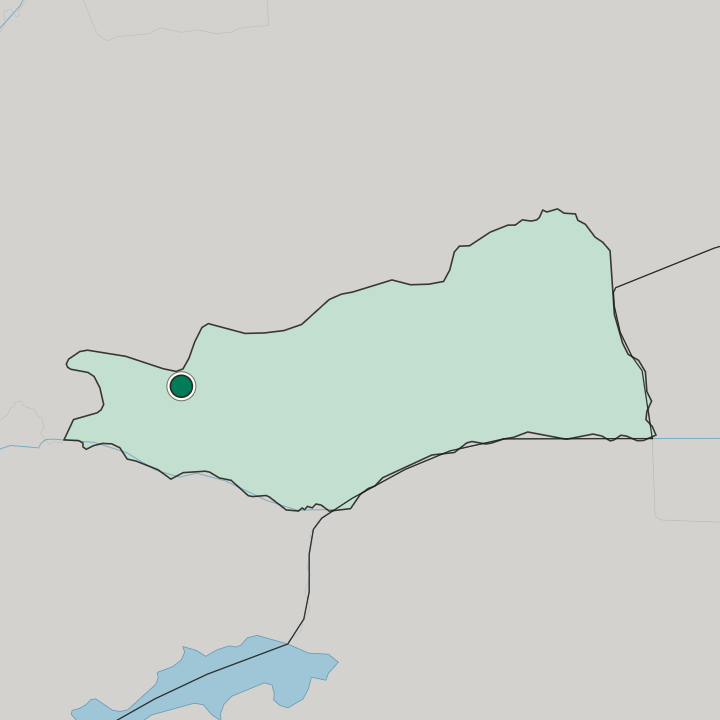
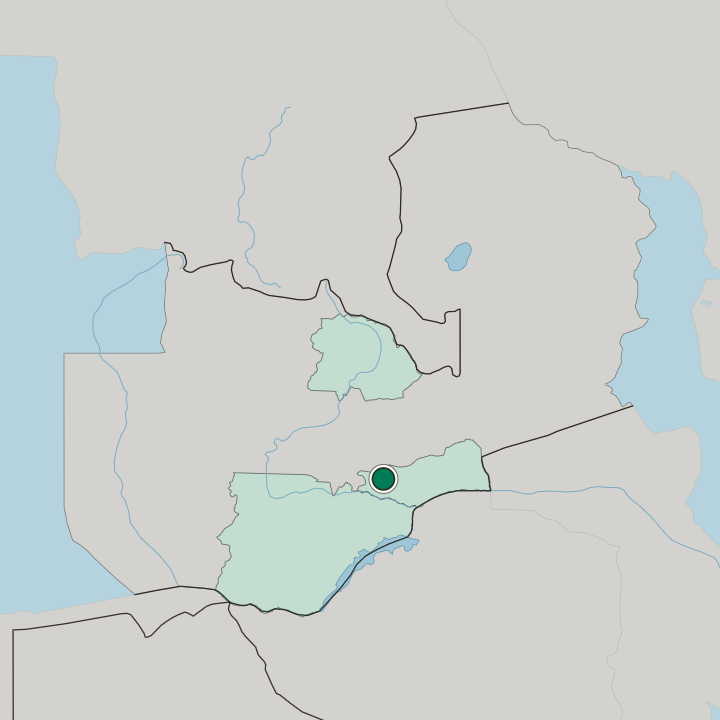
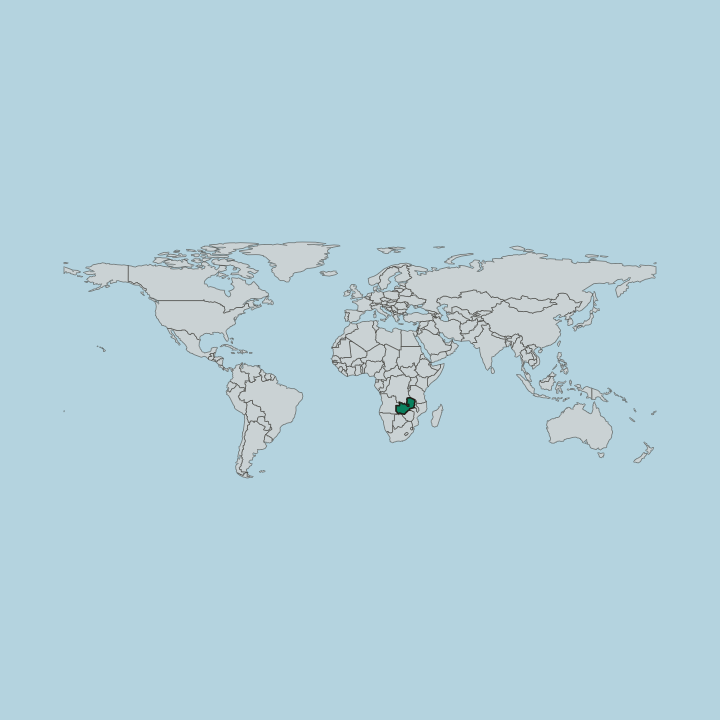
Lusaka lies on the central plateau of Zambia, high above sea level on open, level ground. The plateau shapes everything. From the city, four main highways run out to the north, south, east, and west, tying the capital to the rest of the country across the surrounding plateau.
That high, open plateau defines the ground beneath Lusaka and the wider Lusaka Province.
What is the climate of Lusaka?
Lusaka has a warm tropical climate tempered by its height on the central plateau. Elevation cools the heat. Rather than a cold-and-warm swing, the year turns on a wet season and a long dry season, with the plateau air keeping the capital milder than its tropical setting alone would suggest.
That high-plateau climate carries across Lusaka and the surrounding plateau of Zambia.
How do you get to Lusaka?
Lusaka is the main arrival point for Zambia, where the country's four main highways meet. Most roads lead here. The highways run north, south, east, and west from the capital, linking Lusaka to every corner of the country across the central plateau.
Arrive by road and the plateau opens out. From the capital, Lusaka Province and the wider country spread away on the level ground.
Common questions
What is the best area to stay in Lusaka?
City centre: Museum-and-cathedral core by the Lusaka National Museum and Freedom Square. Sports quarter: Training-ground base by the Olympic Youth Development Centre and Atletico Lusaka Sports Complex.
Good for
Updated September 2026