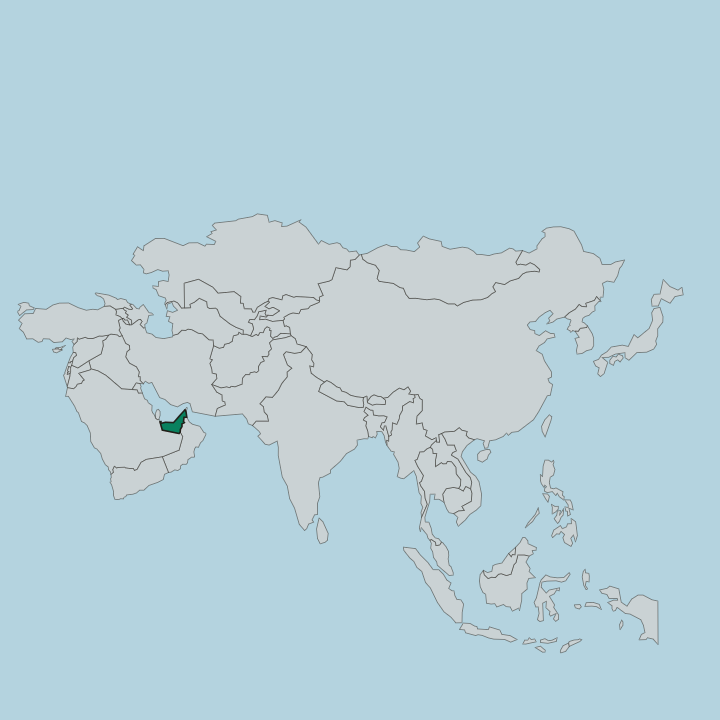
United Arab Emirates · Emirate of Ajman
Where to Stay in Ajman, Emirate of Ajman
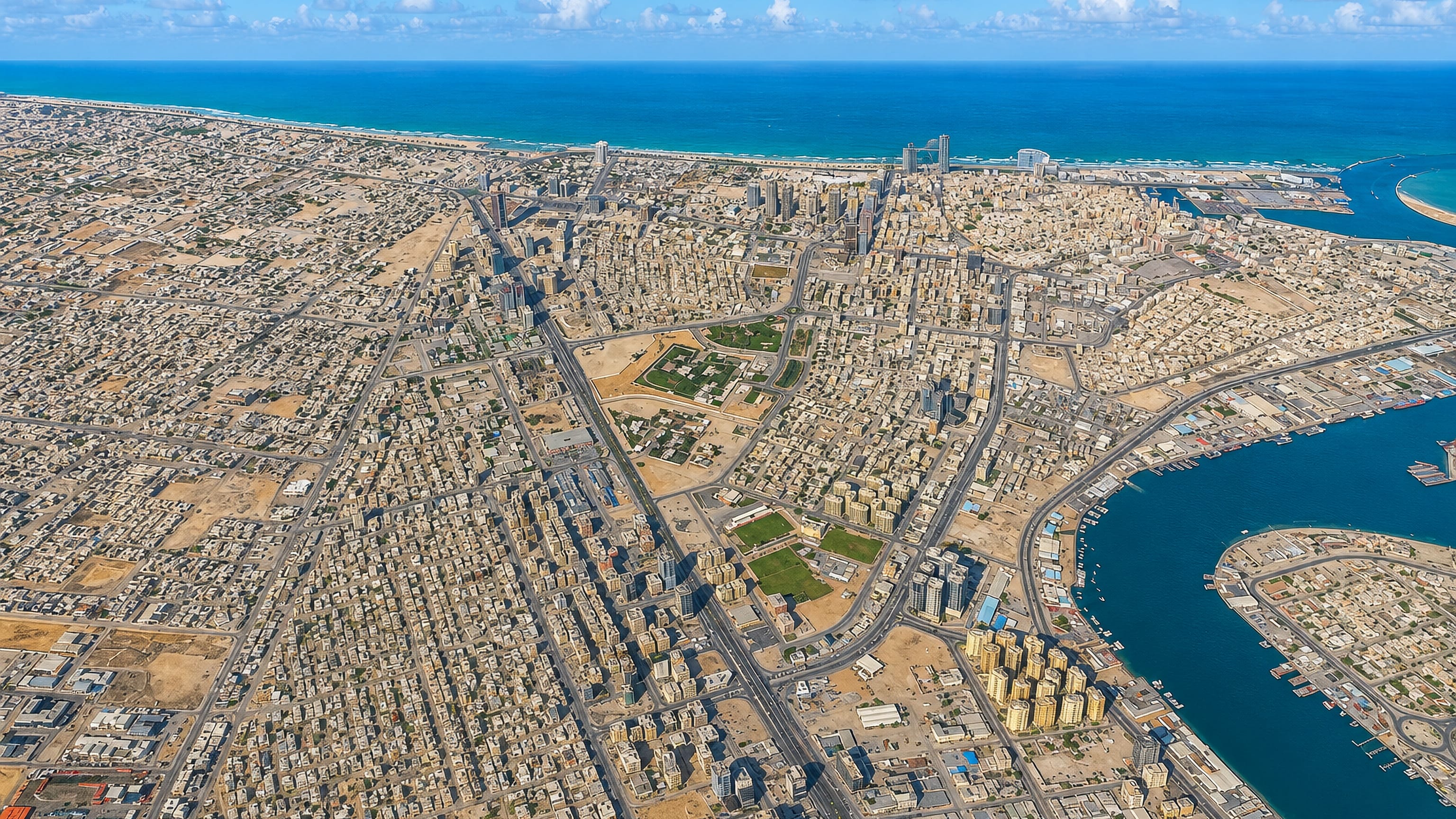
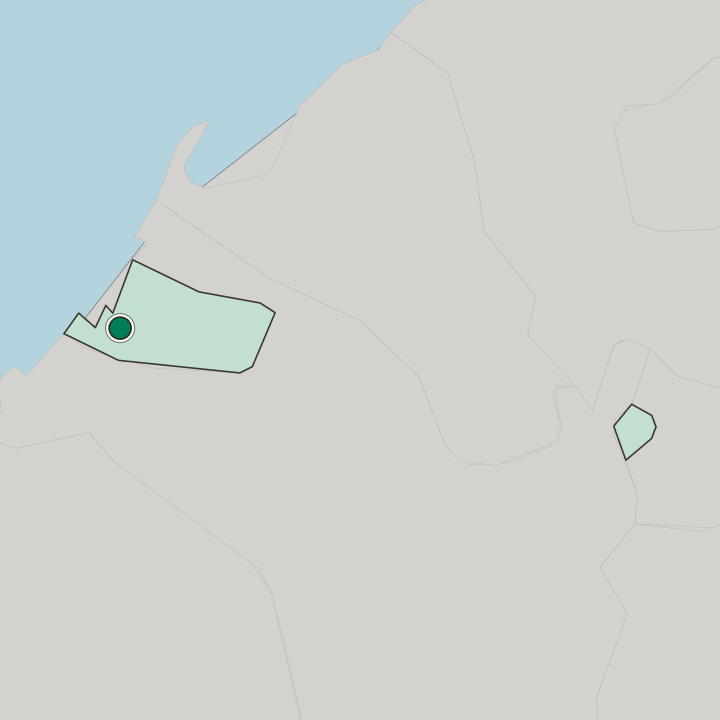
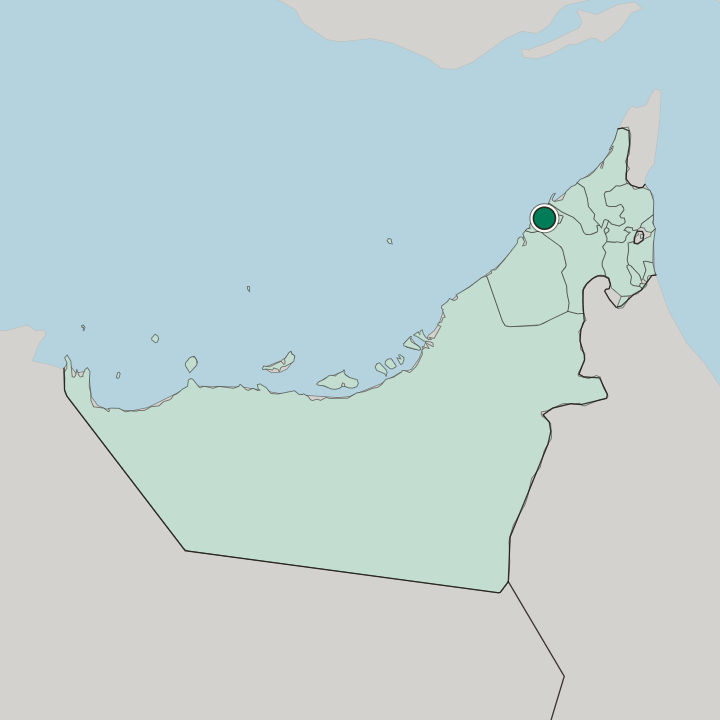
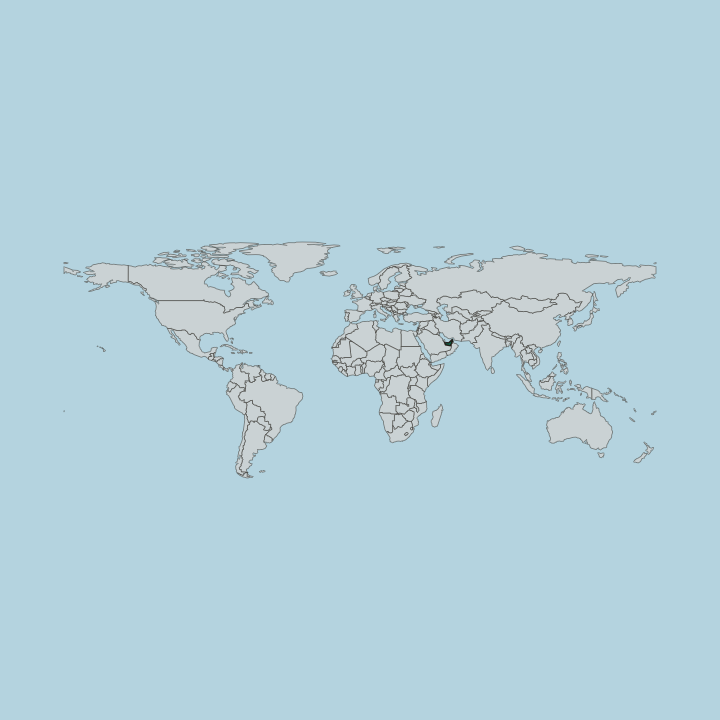
Ajman, capital of the Emirate of Ajman, is bounded by the Persian Gulf on one side and surrounded on land by the Emirate of Sharjah.
Hotel links are affiliate links: booking through them may earn us a commission, at no extra cost to you. It never affects how places are ranked. How this works


Where to stay in Ajman
One neighbourhood here has its own guide — here's what it is best for.

 AjmanUnited Arab Emirates
Al Ḩamīdīyah
Al Ḩamīdīyah is a suburb of Ajman, a residential quarter of the city rather than a district travellers seek out on its own.Where to stay →Hotel links are affiliate links: booking through them may earn us a commission, at no extra cost to you. It never affects how places are ranked. How this works
Find hotels in Ajman
Direct booking searches for these neighbourhoods.
Around the Ajman Museum
The Ajman Museum is the one headline landmark inside the emirate rather than across the line in Sharjah, so a bed beside it keeps the visit local.Find hotels in Around the Ajman MuseumOpen water on the seaward edge of the Dubai-Sharjah-Ajman metropolitan areaThe Persian Gulf frontage
The Persian Gulf bounds Ajman along its whole western side, and a shore room turns its back on the conurbation that continues inland.Find hotels in The Persian Gulf frontageSharjah Fort, Bait Al Naboodah and the Sharjah Museum of Islamic Civilization in one dayThe Sharjah boundary side
The Emirate of Sharjah surrounds Ajman on land, which can leave Sharjah Fort and Bait Al Naboodah nearer to a landward bed than the opposite end of Ajman is.Find hotels in The Sharjah boundary sideHotel links are affiliate links: booking through them may earn us a commission, at no extra cost to you. It never affects how places are ranked. How this works
About Ajman
One neighbour, one sea.
What is Ajman known for?
The Emirate of Sharjah wraps every landward edge of Ajman while the Persian Gulf holds the west, and the result is the fifth-largest city in the United Arab Emirates with a single land border to its name. The Ajman Museum carries the emirate's own record. Tell Abraq and Muweilah are the archaeological names on the same list, and the built-up ground here runs on into the Dubai-Sharjah-Ajman metropolitan area without a visible seam. عجمان is the Arabic form.
What are the main landmarks in Ajman?
The Ajman Museum belongs to the emirate. Almost everything else on the list belongs to the Emirate of Sharjah that surrounds it, which is how a single day here can take in Sharjah Fort, Bait Al Naboodah, the Sharjah Museum of Islamic Civilization and the Sharjah Art Museum without covering much ground. Seven museums and three churches are counted across that span.
St. Michael's Catholic Church and the Russian Orthodox Church, Sharjah stand among them, Tell Abraq and Muweilah hold the archaeological end, and Al Montazah Amusement and Water Park is the modern outlier.
What is the history of Ajman?
Settlement here is older than any border drawn across it. Tell Abraq and Muweilah are the archaeological sites this stretch of coast is known by, and both sit in ground that the modern line between Ajman and the Emirate of Sharjah cuts through rather than respects. Three such sites are counted in all.
What they record predates every emirate on the map. The next layer stands above ground. Sharjah Fort and Bait Al Naboodah survive from the period when a fort and a merchant house were the two buildings that mattered, and the Sharjah Museum of Islamic Civilization, the Sharjah Art Museum and the Sharjah Heritage Museum have since turned that period into a collection.
Ajman kept its own version. The Ajman Museum is the emirate's record of itself, and it is the reason a visit here need not become a visit to a neighbour. Then the coast filled in.
Ajman became the capital of the Emirate of Ajman within the United Arab Emirates, and the built ground spread until Dubai, Sharjah and Ajman formed one continuous area along the Persian Gulf. Abu Dhabi and Al Ain stayed apart from it. عجمان is the older name for all of this, and Arabic is what the emirate has always kept its record in.
Where is Ajman?
Two edges account for Ajman entirely: the Persian Gulf to the west, and the Emirate of Sharjah everywhere else. Nothing else touches it. The city sits in the subtropical band and forms part of the Dubai-Sharjah-Ajman metropolitan area, so the ground beyond its own streets is somebody else's city rather than open desert, and Tell Abraq and Muweilah mark the older ground out past the built edge.
What is the climate of Ajman?
The Persian Gulf is the only softening influence Ajman has, and because the water lies along the whole western edge, its effect fades street by street as you move inland towards the Emirate of Sharjah. Humidity is what that costs. Subtropical heat runs long here, and the shaded courtyards of buildings such as Bait Al Naboodah are the oldest local answer to it.
How do you get to Ajman?
Every landward arrival comes through Sharjah. The Emirate of Sharjah surrounds Ajman on all sides except the Persian Gulf, so the approach is a continuous run of built ground rather than a road across open country, and the Dubai-Sharjah-Ajman metropolitan area makes the boundary hard to notice at the moment of crossing. Abu Dhabi and Al Ain lie well beyond that.
Once inside, the Ajman Museum is the point everything else is measured from.
Common questions
What is the best area to stay in Ajman?
Around the Ajman Museum: The Ajman Museum and the emirate's own quarter without leaving عجمان. The Persian Gulf frontage: Open water on the seaward edge of the Dubai-Sharjah-Ajman metropolitan area. The Sharjah boundary side: Sharjah Fort, Bait Al Naboodah and the Sharjah Museum of Islamic Civilization in one day.
Good for
Updated October 2026