United Arab Emirates
Emirate of Ajman, United Arab Emirates — Towns & Travel Guide
Emirate of Ajman is the smallest of the seven emirates, a strip of Persian Gulf coast wrapped by Sharjah on three sides.
Hotel links are affiliate links: booking through them may earn us a commission, at no extra cost to you. It never affects how places are ranked. How this works


Towns & cities in Emirate of Ajman
One town here has its own guide — it links to where to stay.

 United Arab Emirates
Ajman
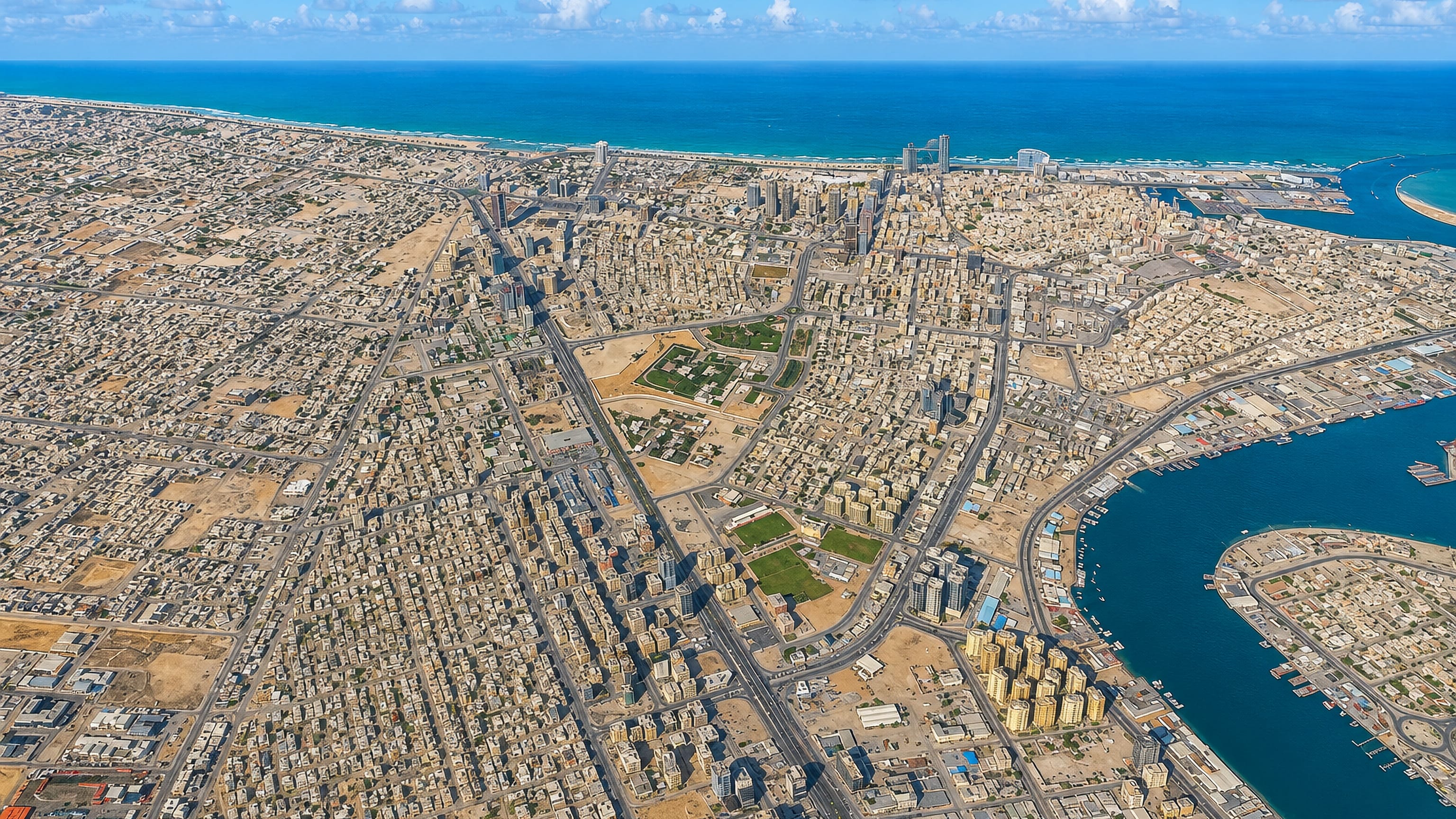
Ajman, capital of the Emirate of Ajman, is bounded by the Persian Gulf on one side and surrounded on land by the Emirate of Sharjah.Where to stay →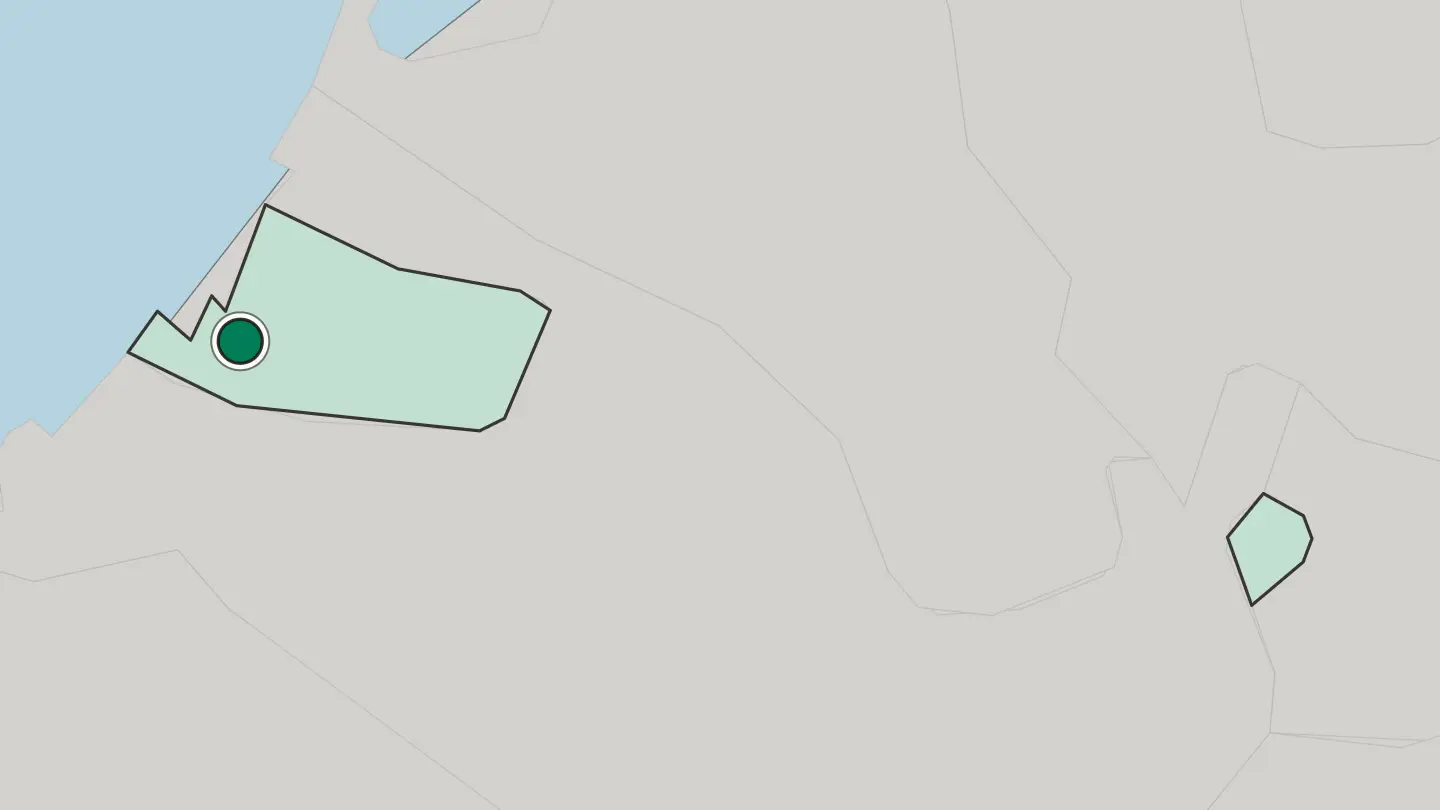
Hotel links are affiliate links: booking through them may earn us a commission, at no extra cost to you. It never affects how places are ranked. How this works
About Emirate of Ajman
Ajman is the smallest emirate by area.
What is Emirate of Ajman known for?
Its name comes from Ajman, the coastal city that serves as its seat and holds the overwhelming majority of its people. The Ajman Corniche runs four kilometres along the Persian Gulf, lined with cafes and a public beach, and the old creek behind it still shelters one of the largest dhow-building yards in the region. Two inland exclaves belong to the emirate as well, Manama and Masfout, both far from the coast and worlds apart from the seafront city.
Where is Emirate of Ajman?
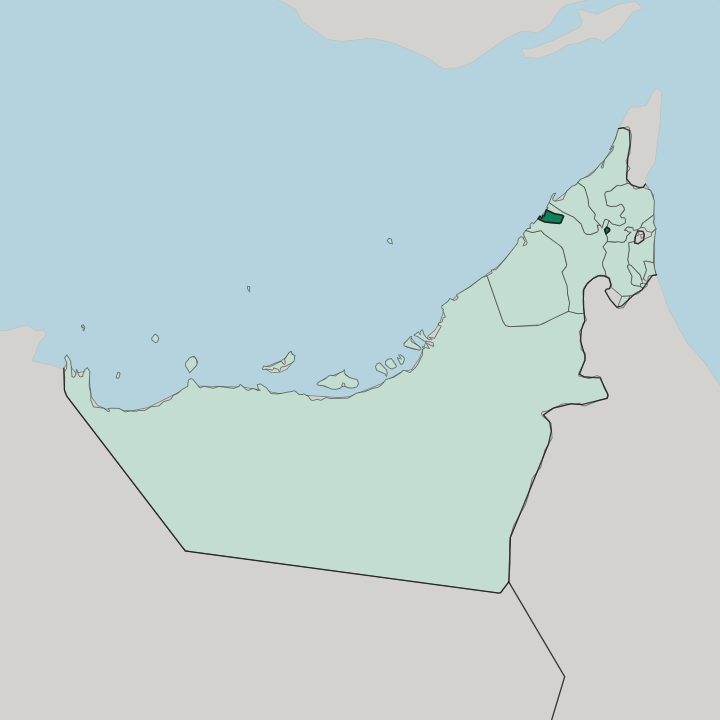
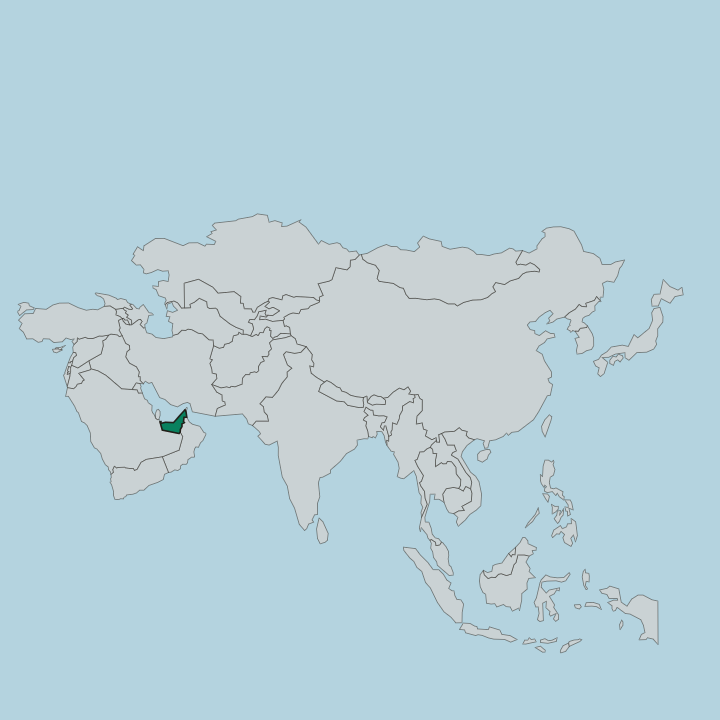
Ajman sits on the northern coast of the United Arab Emirates, facing the Persian Gulf. The main body of the emirate is a small semi-enclave, hemmed in by the Emirate of Sharjah to the north, east and south, with only the sea open to the west. It covers 259 square kilometres, the least of any emirate.
That coastal strip runs straight into its neighbours: Ajman city merges seamlessly with Sharjah and, beyond it, Dubai, so the three read as one continuous urban coast rather than separate towns. The emirate is not all seafront, though. Two landlocked exclaves belong to it, both well inland.
Manama lies in the plains at the foot of the Hajar Mountains, roughly sixty kilometres east of the coast, an agricultural pocket ringed by Sharjah and Fujairah. Masfout sits deeper still, up in the mountains to the south-east, bordering Oman, the Dubai enclave of Hatta and Ras Al Khaimah. A short creek cuts into Ajman city from the Gulf, and it is this creek, not open beach, that gave the emirate its old harbour and its shipyards.
What is Emirate of Ajman like?
Ajman keeps a slower, older feel than the towers of Dubai next door. The sea made the place, and the sea still marks it. For generations the men here sailed the Persian Gulf to dive for pearls, and the wooden dhows they built along the creek carried the emirate's trade.
That shipbuilding never died. The yards behind the Corniche still shape hulls by hand, and Ajman ranks among the world's larger centres for the craft. Arabic is the language of daily life, though the crowds drawn to the coast from across South Asia and beyond have made the streets multilingual.
Old Ajman is easy to find. The Ajman Museum occupies an eighteenth-century fort that once served as the ruler's residence, its rooms now holding manuscripts, weapons and pearling gear. In the evenings families gather along the Corniche and the beach, and the pace stays gentle.
The inland exclaves keep their own character entirely, with the farms of Manama and the marble quarries and hillside towers of Masfout speaking to a mountain life the coast never knew.
What is the history of Emirate of Ajman?
The Al Nuaimi family has ruled Ajman since 1816, when Sheikh Rashid bin Humaid and his followers took the coastal settlement from a rival branch of the Nuaimi tribe. For more than a century the emirate lived on pearling and fishing, its fortunes rising and falling with the diving seasons out on the Persian Gulf. Then the pearl trade collapsed.
The crash of the 1930s hit hard. Ajman joined six neighbours to form the United Arab Emirates on 2 December 1971, and the same family has held the seat ever since.
What is the climate of Emirate of Ajman?
Ajman has a hot desert climate. Summers along the Persian Gulf are long, fierce and humid, with heat that pushes visitors indoors through the middle of the day. Winters are the reward.
From November to March the coast stays mild and dry, comfortable enough for the beach and the Corniche, and this is when most travellers come. Rain is rare and falls mostly in short winter bursts. Inland at Masfout, up in the Hajar Mountains, the nights run cooler than on the humid shore.
How do you get to Emirate of Ajman?
Ajman has no airport of its own. Most visitors fly into Sharjah, whose international airport lies just to the south, or into Dubai a little further on, then finish the last stretch of the trip by road. Sharjah's airport is the closer of the two, a short taxi ride from the Corniche, while Dubai offers far more long-haul connections.
No border slows the drive in. Because Ajman merges into the same coastal conurbation as Sharjah and Dubai, the run from either airport is short and simple, and the inland exclaves of Manama and Masfout are reached only by road into the Hajar foothills.
Common questions
What is the best area to stay in Emirate of Ajman?
Ajman Corniche: the Ajman seafront and beach. Al Zorah: mangroves and birdwatching near Ajman. Manama and Masfout: a day trip to the Hajar foothills.
Good for
More regions in United Arab Emirates
Updated October 2026