Afghanistan · Balkh
Where to Stay in Mazār-e Sharīf, Balkh
Mazār-e Sharīf is the capital and largest city of Balkh Province, a northern Afghan city divided into 12 city districts known as nahias.
Hotel links are affiliate links: booking through them may earn us a commission, at no extra cost to you. It never affects how places are ranked. How this works


Where to stay in Mazār-e Sharīf
The practical side of choosing where to sleep.
Mazār-e Sharīf divides into 12 city districts, the nahias, and the practical question is which of them a stay needs to sit in. Numbers, not names, mark them out on the map. As the capital of Balkh Province the city concentrates the province's administration and its long-distance road traffic, so the central nahias absorb most of the arrivals and hold most of what a short visit wants within reach.
It suits you to settle near the middle if the trip is about the city itself, because the outer nahias spread out and give less back for the walking. The wider province is the other half of the calculation. Mazār-e Sharīf is the largest city in Balkh Province, which makes a room here a base for a region rather than for a single street, and journeys out and back in a day are the normal pattern.
Beds thin out beyond the city. Anyone arriving without a booking does better to start in the central nahias than to work outward, since a city of 12 districts spreads its lodgings unevenly and the edges are a long way from the middle.
About Mazār-e Sharīf
What is Mazār-e Sharīf known for?
Mazār-e Sharīf carries the administrative weight of Balkh Province as both its capital and its largest city. Its names multiply. Mazar-e Sharif, Mazar-i-Sharif and the short form Mazar all point to the same city in northern Afghanistan, and guides, timetables and travel notes each settle on a different one of them.
The 12 city districts, called nahias, divide the built-up ground into pieces that anyone finding their way around learns quickly.
What are the main landmarks in Mazār-e Sharīf?
No single monument organises Mazār-e Sharīf. The city works instead as the centre of Balkh Province, and what a visitor sees is distributed across its 12 city districts rather than gathered on one square or one street. Orientation runs by number.
Locals and drivers alike place an address by its nahia, so directions in Mazar are given in districts rather than in landmarks, and a first afternoon is usually spent learning which numbers sit next to which.
What is the history of Mazār-e Sharīf?
The record kept here for Mazār-e Sharīf is administrative rather than monumental. The city holds two standings at once, as the capital of Balkh Province and as its largest city, and those two roles account for most of what the modern place looks like. Its spelling has never settled.
Mazar-e Sharif, Mazar-i-Sharif and the clipped Mazar all remain in use, and a traveller meets each of them on maps, tickets and signs without any of the three displacing the others. The internal shape is more definite. Mazār-e Sharīf is laid out in 12 city districts, the nahias, and that division is the frame through which the municipality is run and through which the city is described to anyone arriving from elsewhere in northern Afghanistan.
The province takes its name from Balkh. Its capital is this city, so provincial business and municipal business meet in the same set of districts rather than in separate towns. No founding date attaches to the place in the record used here.
What that record does carry is a division into nahias and a double role, provincial capital and largest city, held by one municipality.
Where is Mazār-e Sharīf?
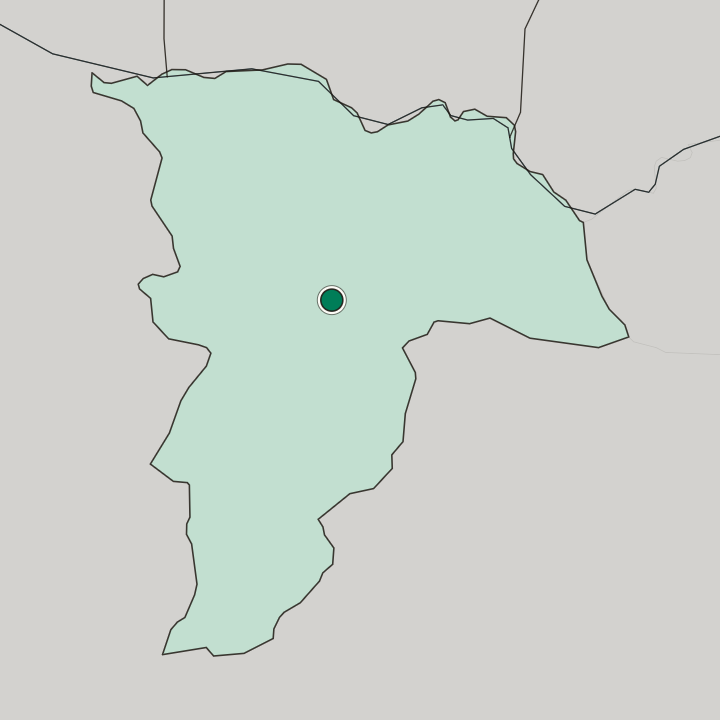
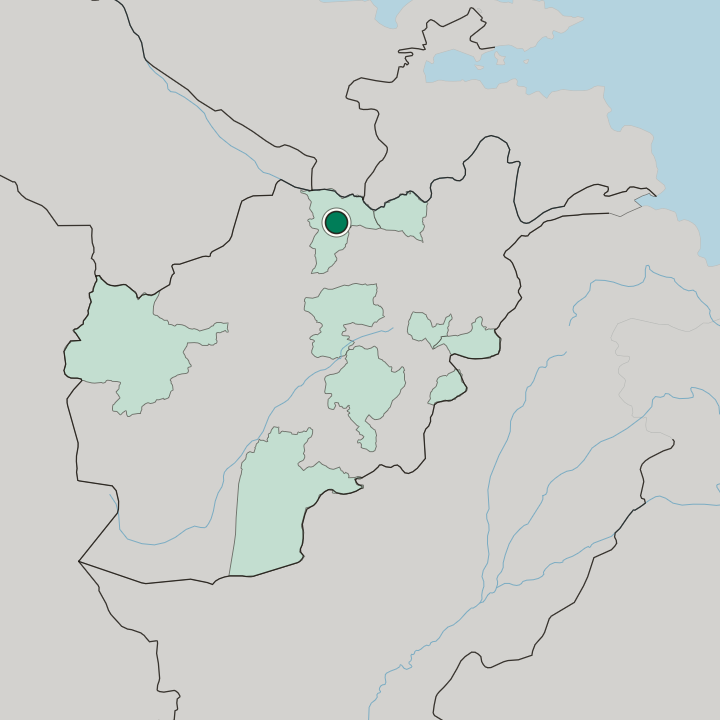
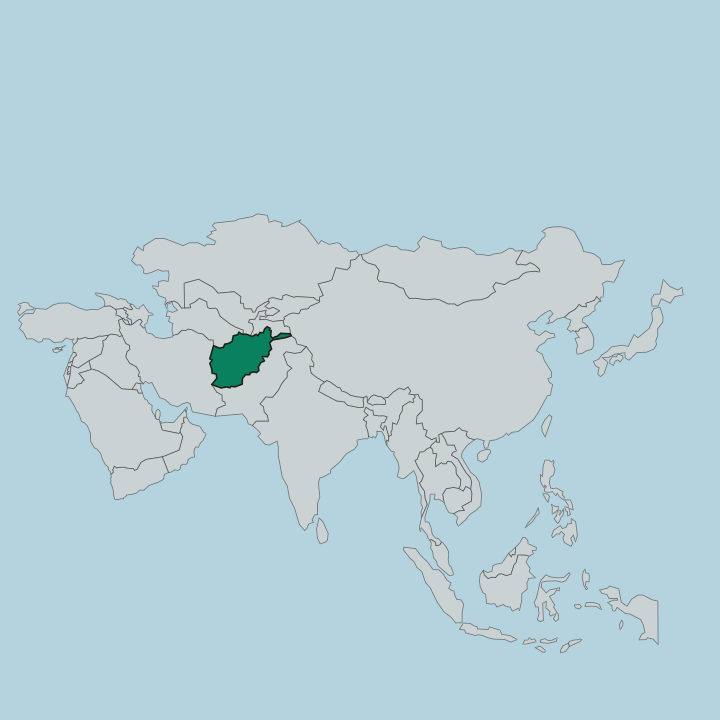
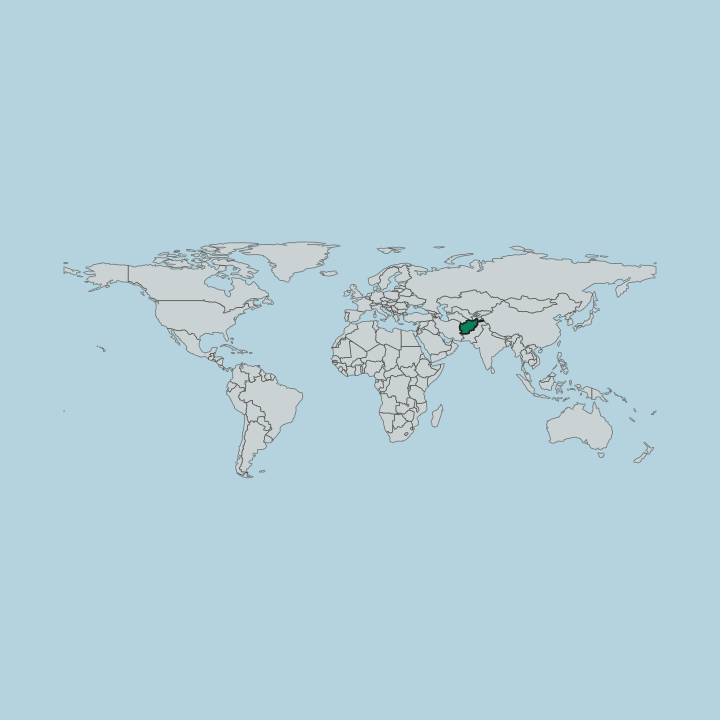
Mazār-e Sharīf lies in the north of Afghanistan, well inside the continent and far from any sea. The built-up area covers roughly 83 square kilometres, which is a good deal of ground for a place organised into 12 city districts, and the outer nahias reach well past the middle in every direction. Balkh Province surrounds it.
The city is the largest in that province and its capital as well, so the map of the province and the map of the city are read together more often than apart.
What is the climate of Mazār-e Sharīf?
The classification reads temperate; the interior has the final say. Mazār-e Sharīf stands a long way from any coast in northern Afghanistan, so nothing damps the difference between the halves of the year, and the city takes both ends of it in full. Timing matters more than equipment.
Visits that involve moving between the 12 city districts are easiest in the shoulder months, when crossing from one nahia to the next on foot is a straightforward matter rather than a test of stamina.
How do you get to Mazār-e Sharīf?
Getting to Mazār-e Sharīf means a drive. As the capital and largest city of Balkh Province, Mazār-e Sharīf sits where the province's routes meet, and traffic from the rest of northern Afghanistan converges on it instead of passing it by. The 12 city districts are laid out around that convergence, so a first arrival tends to land in one of the central nahias whichever direction it came from.
Distances inside the city stay modest.
Another city in Balkh
Updated September 2026