Afghanistan
Balkh, Afghanistan — Towns & Travel Guide
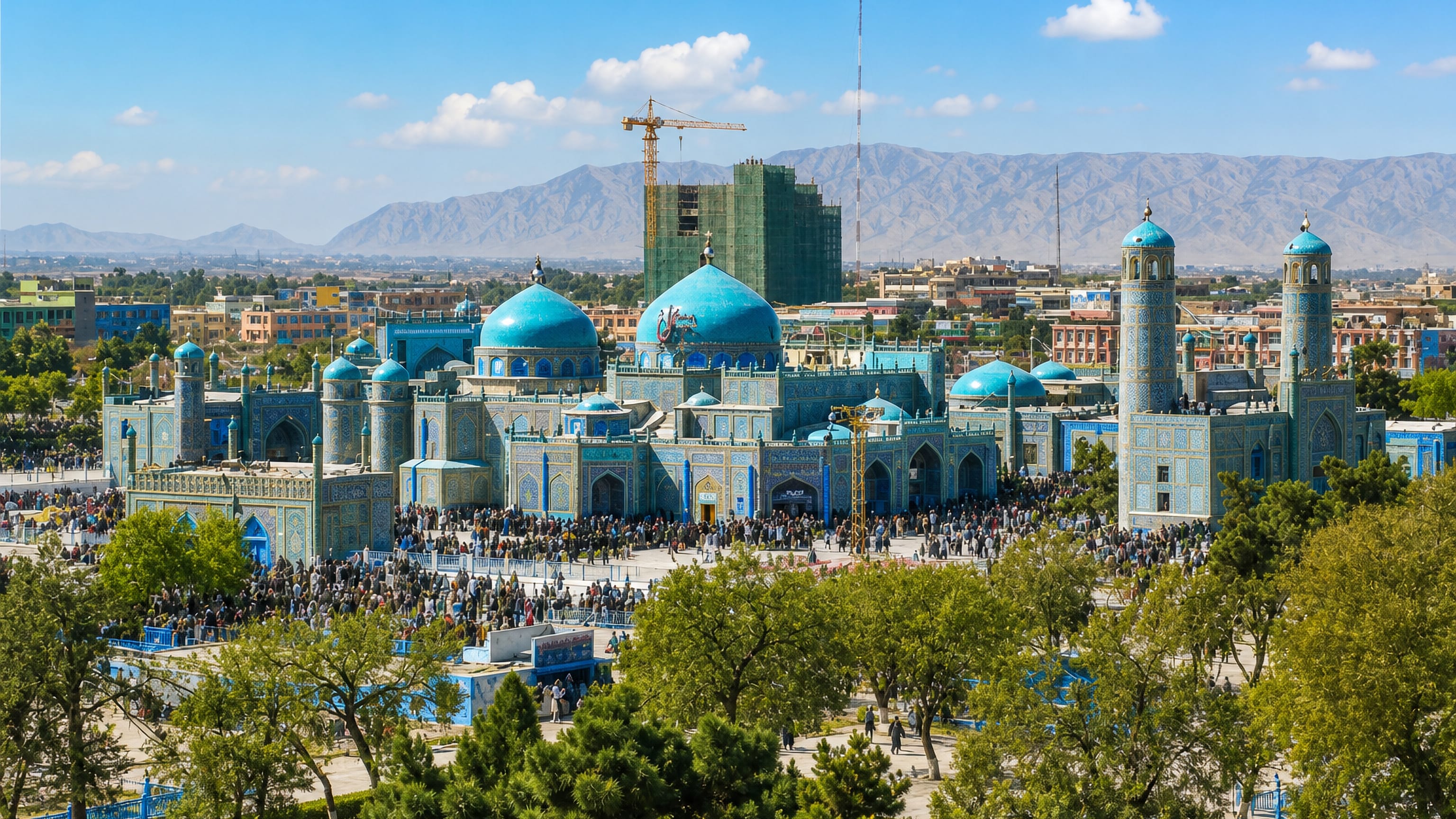
Balkh is a province of Afghanistan reaching north to the Uzbekistan boundary, with Mazar-i-Sharif as its capital and its working centre.
Hotel links are affiliate links: booking through them may earn us a commission, at no extra cost to you. It never affects how places are ranked. How this works


Towns & cities in Balkh
Pick a town or city — each links to where to stay.

 Afghanistan
Mazār-e Sharīf
Mazār-e Sharīf is the capital and largest city of Balkh Province, a northern Afghan city divided into 12 city districts known as nahias.Where to stay →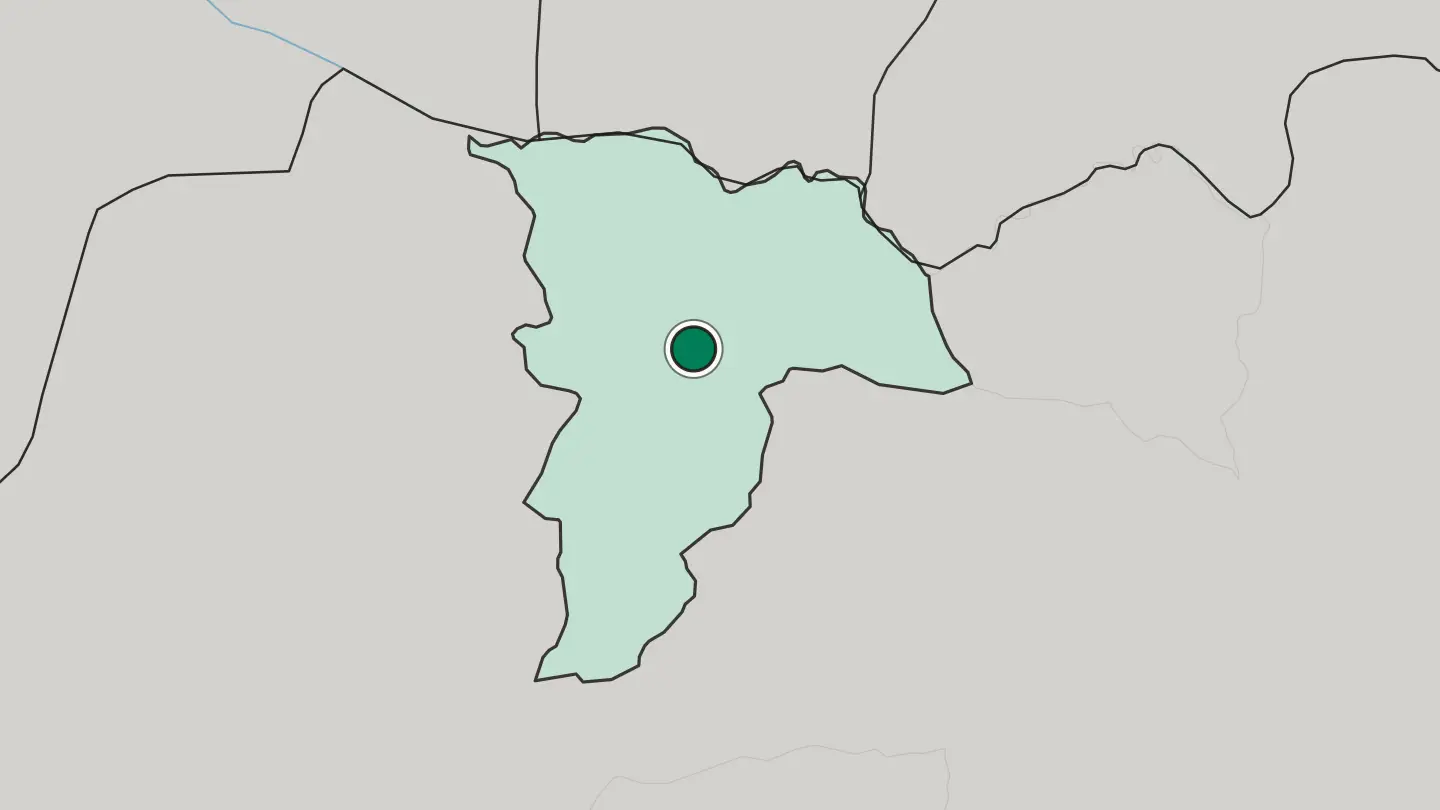 Afghanistan
Balkh
Balkh stands on the plain of northern Afghanistan, a short run from Mazar-i-Sharif, with Haji Piyada and Nava Vihara among its named sites.Where to stay →
Hotel links are affiliate links: booking through them may earn us a commission, at no extra cost to you. It never affects how places are ranked. How this works
About Balkh
Mazar-i-Sharif makes the case for Balkh.
What is Balkh known for?
The provincial capital is the administrative, economic, and cultural centre of a province that the record treats as one of the most historically significant in Afghanistan, and almost everything that draws attention here passes through the city first. Kunduz lies east. West of the province run Jowzjan and Sar-e-Pol, south of it Samangan, and beyond the northern boundary the Surxondaryo Region of Uzbekistan, which gives Balkh a frontier as well as a hinterland.
Where is Balkh?
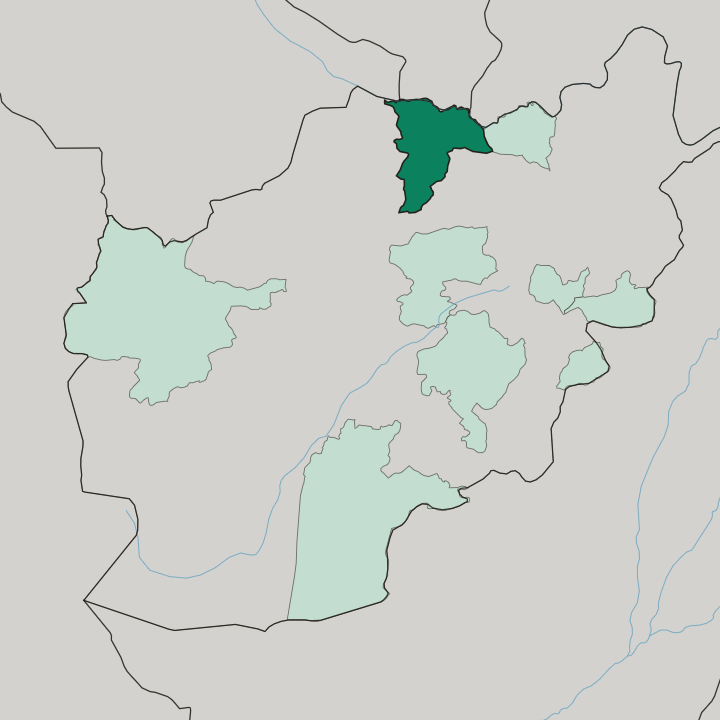
Balkh is defined by its edges. Jowzjan and Sar-e-Pol close the province off on the west, Samangan lies to the south, Kunduz runs along the east, and the northern boundary is an international one, meeting the Surxondaryo Region of Uzbekistan. Four of those neighbours are Afghan provinces.
The fifth is not, and that single foreign edge changes what the province is: Balkh holds a stretch of the boundary with Uzbekistan, which makes it a crossing as much as a territory. The block of ground between those limits is broad. Mazar-i-Sharif anchors the interior.
The provincial capital carries the administrative, economic, and cultural weight of Balkh, and distances inside the province are measured against it rather than against any point on the boundary. Roads leave the city eastward toward Kunduz and westward toward Jowzjan and Sar-e-Pol. Samangan takes what moves south.
North of the capital the ground runs up to the Uzbekistan line, so the province reads as a single interior with one outward-facing edge and four that face other parts of Afghanistan. That geometry underlies its standing as one of the most historically significant regions in the country.
What is Balkh like?
Culture in Balkh has a single address. Mazar-i-Sharif is the province's cultural centre in the plain administrative sense, the place where its institutions, its commerce, and its public life are gathered, and any account of what Balkh preserves begins there. The province's standing is old and widely acknowledged.
Balkh is regarded as one of the most historically significant parts of Afghanistan, a judgement resting on long human occupation rather than on any single monument, and it colours how the province is written about. Language marks the northern connection. Uzbek is spoken in Balkh, the same tongue as across the boundary in the Surxondaryo Region of Uzbekistan, and the province's cultural life sits on that shared side of the frontier as much as on the Afghan side.
Kunduz, Samangan, Jowzjan, and Sar-e-Pol each meet Balkh along a different stretch of its own boundary. Those contacts are not decorative. A province bordered by four others and one foreign region absorbs what moves through it, and the cultural centre at Mazar-i-Sharif is where that mixing becomes visible in institutions rather than in folklore.
What is the history of Balkh?
Balkh's past is the province's principal claim. Written accounts place it among the most historically significant regions of Afghanistan, a standing built on long settlement rather than on a founding charter, and no single date marks the beginning of the province as it is drawn. The modern boundary is administrative.
What survives from the older ground is concentrated around Mazar-i-Sharif, which took on the administrative and cultural functions the province had long carried.
What is the climate of Balkh?
Balkh's weather is not set down in the record. What the boundaries establish is that the province is wholly inland, since Jowzjan, Sar-e-Pol, Samangan, and Kunduz enclose it on the Afghan side while the Surxondaryo Region of Uzbekistan closes the north, and no edge of Balkh reaches a sea. Distance from open water tells.
Conditions are those of a continental interior, and anyone travelling to Mazar-i-Sharif plans around the turn of the seasons rather than around a maritime rhythm.
How do you get to Balkh?
Everything arrives through Mazar-i-Sharif. The provincial capital is the point at which Balkh connects to the rest of the country, and approaches from Kunduz on the east, from Jowzjan and Sar-e-Pol on the west, and from Samangan on the south all converge on it. The northern approach is different.
Crossing from the Surxondaryo Region of Uzbekistan means an international boundary rather than a provincial one, which puts that route in a separate class from the four Afghan roads into Balkh.
Common questions
What is the best area to stay in Balkh?
Mazar-i-Sharif: Anyone treating Balkh's capital as the province's only real hotel base. The Jowzjan and Sar-e-Pol side: Road travellers crossing Balkh's western districts.
More regions in Afghanistan
Updated September 2026