Albania · Qarku i Durrësit
Where to Stay in Krujë, Qarku i Durrësit
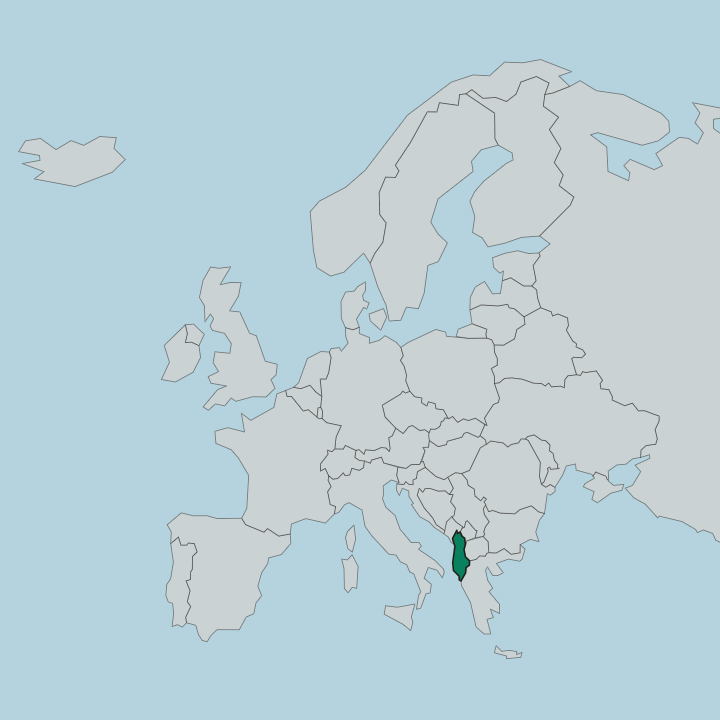
Krujë is a hilltop town north of Tirana in central Albania, the citadel where the national hero Skanderbeg held out against the Ottoman armies.
Hotel links are affiliate links: booking through them may earn us a commission, at no extra cost to you. It never affects how places are ranked. How this works


Where to stay in Krujë
Where visitors usually base themselves, and why.
Where you stay in Krujë turns on the castle or the road below. The lanes around the citadel keep the bazaar, the museum, and the old mosque within a walk, and staying up in the old town suits anyone here for the fortress. Steep cobbled streets climb the slope.
Guesthouses look out over the plain. Down at the mountain's foot, the newer town of Fushë-Krujë spreads on the plain by the highway. A room down below trades the old lanes for easy roads, more beds, and a quick run to the airport.
The plain reaches west to the sea. Stay up top for the castle, or below for the road. The citadel stands a climb above.
Find hotels in Krujë
Direct booking searches for these neighbourhoods.
The old town
Up by the citadel within a walk of the mosqueFind hotels in The old townStays wanting easy roads and the airportFushë-Krujë
Down on the plain by the highwayFind hotels in Fushë-KrujëHotel links are affiliate links: booking through them may earn us a commission, at no extra cost to you. It never affects how places are ranked. How this works
Things to do in Krujë
Ranked by global recognition; descriptions from Wikidata (CC0).
Museums & Galleries
2- Krujë Ethnographic Museum Heritage
- Gjergj Kastrioti Skënderbeu National Museum
Churches & Religious Sites
2- Bazaar Mosque Heritage
- church of Saint Mary
Castles & Historic Sites
2- Zgërdhesh Heritage
- Kalaja e Zgerdheshit Heritage
worth knowingacross 3 categories in Krujë
About Krujë
Krujë is the citadel town of Skanderbeg.
What is Krujë known for?
High on the slope of Mount Krujë above the plain, it grew around the fortress where Gjergj Kastrioti held out against the Ottomans, and it keeps that castle with its Skanderbeg museum, a restored Ottoman bazaar, an old ethnographic house, and the shrine of Sari Salltik on the mountain above. The grey crag rises behind. The stone bazaar climbs the lane.
What are the main landmarks in Krujë?
The castle of Skanderbeg crowns the rock above Krujë. The old citadel, holding the museum of the national hero within its walls, stands on the spur over the town, the emblem of Albania, above the plain. A stone bazaar climbs below.
The restored Ottoman bazaar winds up to the gate, while the ethnographic house, the Bazaar Mosque, and the ruins of Illyrian Zgërdhesh nearby mark the country around Krujë.
What is the history of Krujë?
Krujë rose to fame as the fortress of Skanderbeg. A castle had guarded this rock since the middle ages, holding the pass between the mountains and the sea, and in the fifteenth century Gjergj Kastrioti, called Skanderbeg, made it the heart of his revolt against the Ottoman Empire. From here he held the land.
Three great Ottoman sieges broke on the walls of Krujë in his lifetime, and the town became the emblem of Albanian resistance. After his death the fortress fell at last. The Ottomans took Krujë and held it for four centuries, and under their rule the town below the castle grew as a market and a place of pilgrimage, with its bazaar and the Bektashi shrine of Sari Salltik on the peak.
The old crafts stayed. Coppersmiths and weavers worked the bazaar lane that still climbs to the gate, and in time the castle became the museum of the hero. The citadel still crowns the rock.
Krujë keeps its castle and its bazaar above the plain.
Where is Krujë?
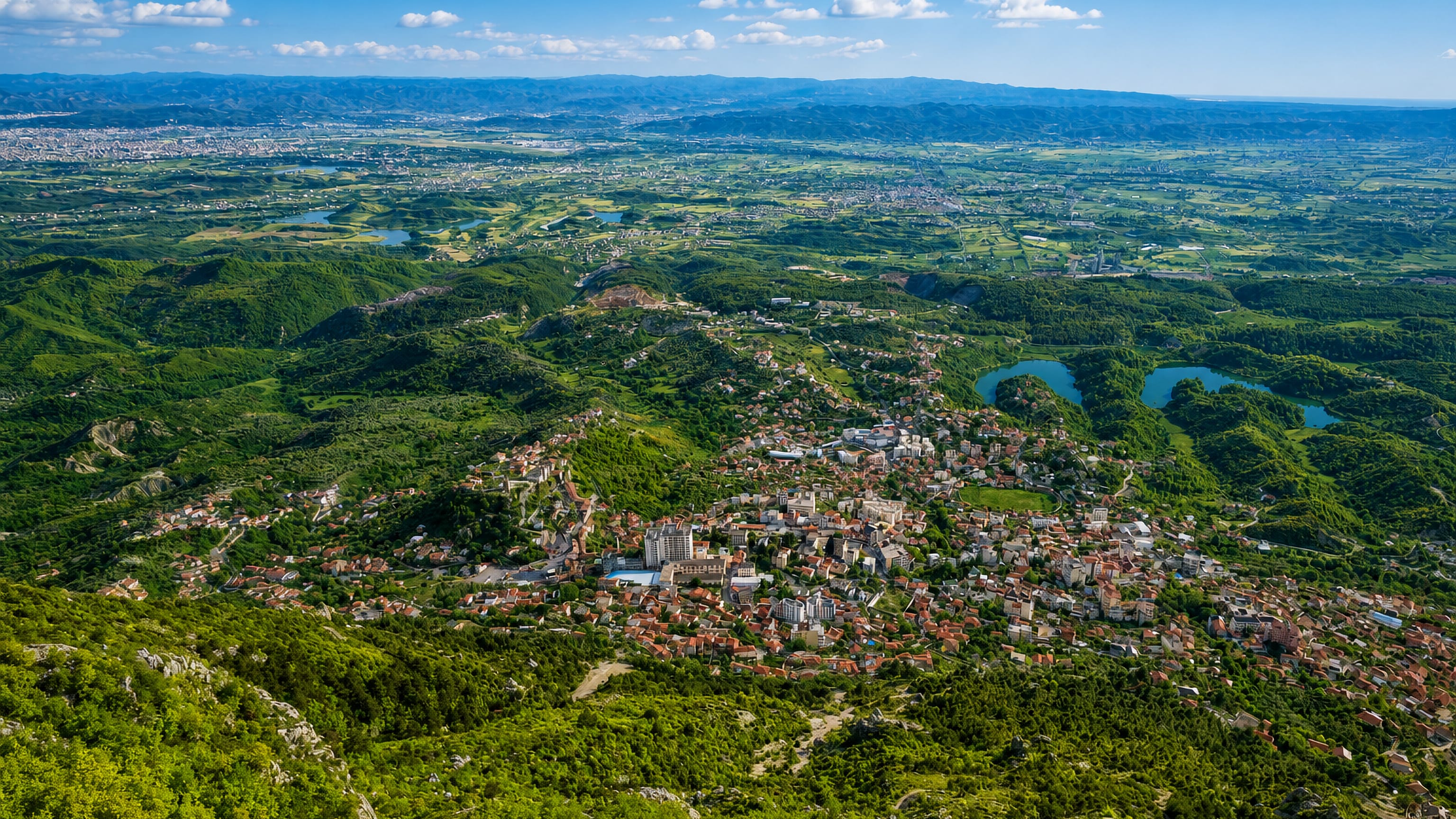
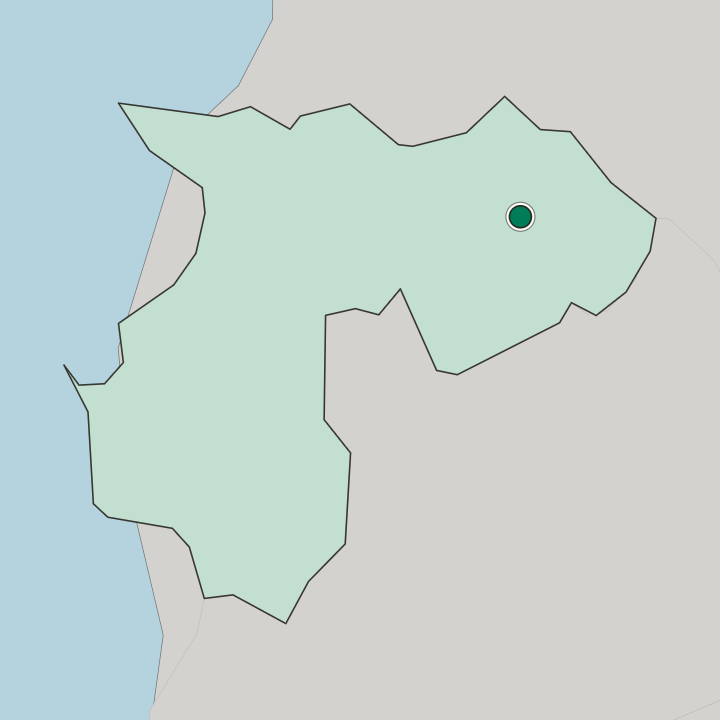
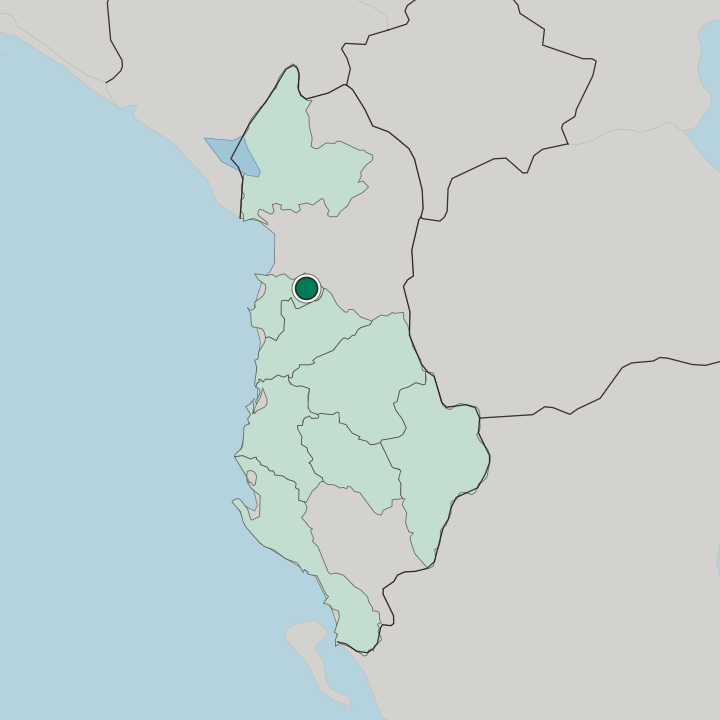
Krujë stands on the western slopes of the mountains of central Albania, looking out over the coastal plain toward the Adriatic. The town clings to a rock terrace below the grey wall of Mount Krujë, where the old citadel juts on its spur above the valley, with the lowland of Tirana and Durrës spread far below. Steep wooded ridges rise behind.
The sea glints on the plain's far edge.
What is the climate of Krujë?
Krujë has a mild Mediterranean climate sharpened by its height. Warm dry summers and cool wet winters cross the slope, and the mountain draws more rain and mist than the coast below, with snow on the heights in winter. Cloud often caps the crag.
Clear days open the whole plain to view.
How do you get to Krujë?
Krujë lies in central Albania, a short way inland from the coast north of Tirana. A winding road climbs to it from the highway on the plain, up from Fushë-Krujë at the mountain's foot. Local roads run on to the villages.
Tirana lies about an hour to the south.
Common questions
What is the best area to stay in Krujë?
The old town: Visitors here for the castle, bazaar, and museum. Fushë-Krujë: Stays wanting easy roads and the airport.
Good for
Another city in Qarku i Durrësit
Updated September 2026