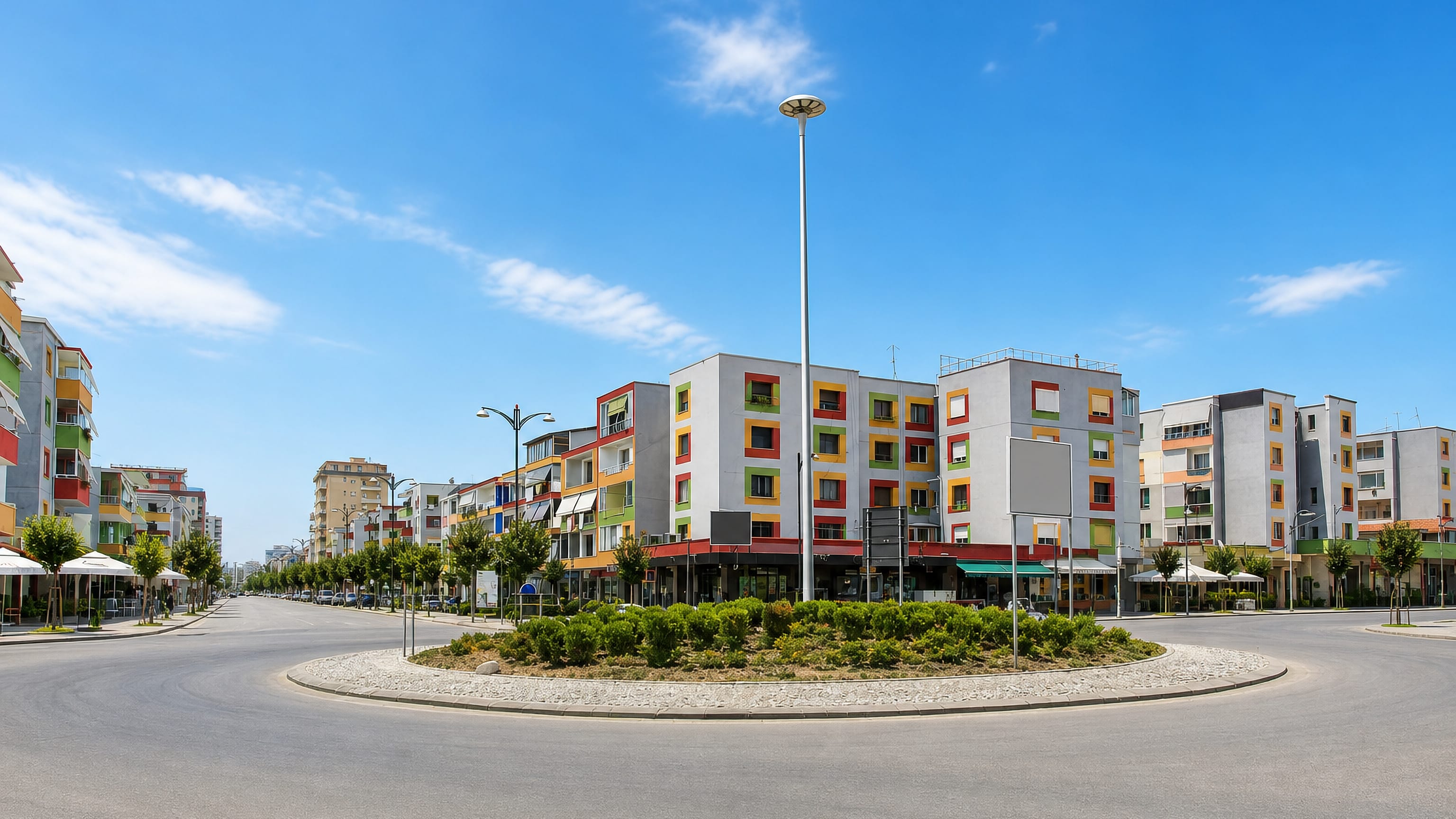
Albania · Qarku i Fierit
Where to Stay in Fier, Qarku i Fierit
The Gjanica River runs through Fier, seat of Fier County in the Myzeqe Plain and the nearest town to the ancient site of Apollonia.
Hotel links are affiliate links: booking through them may earn us a commission, at no extra cost to you. It never affects how places are ranked. How this works


Where to stay in Fier
Where the beds are, and what that means for the visit.
Fier works as a base for Apollonia more than as a destination in itself, and where a room sits matters mostly in terms of the road out to the site. Practicality points to the city centre. Streets around Saint George's cathedral and the banks of the Gjanica River hold the compact part of the city, with the through traffic for Tirana, Durrës and the south passing the same few blocks.
It suits you if the plan is an early start for the Museum of Apollonia and a return the same evening, without a car to park or a long walk at either end. The plain offers the alternative. Ardenica Monastery and the Monastery of Saint Kozma at Kolkondas sit out in the Myzeqe Plain, and a stay nearer them trades the city's services for quiet ground between the Seman and the Vjosë.
Beds are thinner out there. Anyone heading on toward the Mallakastra Mountains in the south-east, or west to the Adriatic Sea, will find Fier the last place with a real choice of rooms before the road empties out.
Things to do in Fier
Ranked by global recognition; descriptions from Wikidata (CC0).
Museums & Galleries
1- Museum of Apollonia
Churches & Religious Sites
3- Monastery of Saint Kozma, Kolkondas Heritage
- Kisha e Shën Premtes Heritage
- St. Mary's Monastery
Castles & Historic Sites
1- Kryegjatë
worth knowingacross 3 categories in Fier
About Fier
What is Fier known for?
Apollonia is the reason most travellers stop at Fier, and the Museum of Apollonia holds the finds from one of Albania's principal monuments of antiquity, just outside the city. Monasteries fill in the rest. Ardenica Monastery, Saint Mary's Monastery and the Monastery of Saint Kozma at Kolkondas lie within reach of the town, while Saint George's cathedral and Kisha e Shën Premtes carry the church names of Fier itself.
The plain does the remaining work, carrying the road that links Tirana and Durrës to the south of the country through Fier.
What are the main landmarks in Fier?
The Museum of Apollonia is the anchor, holding the material from the ancient city that stands just outside Fier. Ardenica Monastery, Saint Mary's Monastery and Kisha e Shën Premtes are the religious sites carried on the town's list. Kryegjatë is on it too.
Saint George's cathedral serves the centre, while the Monastery of Saint Kozma sits out at Kolkondas, and the whole set is spread across the Myzeqe Plain rather than gathered in one quarter.
What is the history of Fier?
The old story here belongs to Apollonia rather than to Fier. The ancient city outside the modern town is counted among Albania's principal monuments of antiquity, and the Museum of Apollonia keeps its finds close to the ground they came from. Fier itself came later.
It grew as a modern town on the Gjanica River, in the middle of the Myzeqe Plain, where the road from Tirana and Durrës runs south. Position explains that growth: the plain between the Seman and the Vjosë carries the main route to the south of the country, and a town on the Gjanica River sat squarely on it. Faith left the older marks.
Ardenica Monastery, Saint Mary's Monastery, the Monastery of Saint Kozma at Kolkondas and Kisha e Shën Premtes all predate the modern street plan, and they remain scattered across the plain rather than gathered in the city. Administration followed. Fier became the seat of Fier County and of Fier Municipality within the Republic of Albania, which put a county's offices in a town whose own record is shorter than that of the ruins beside it.
Kryegjatë and the Museum of Apollonia keep the older layer in view.
Where is Fier?
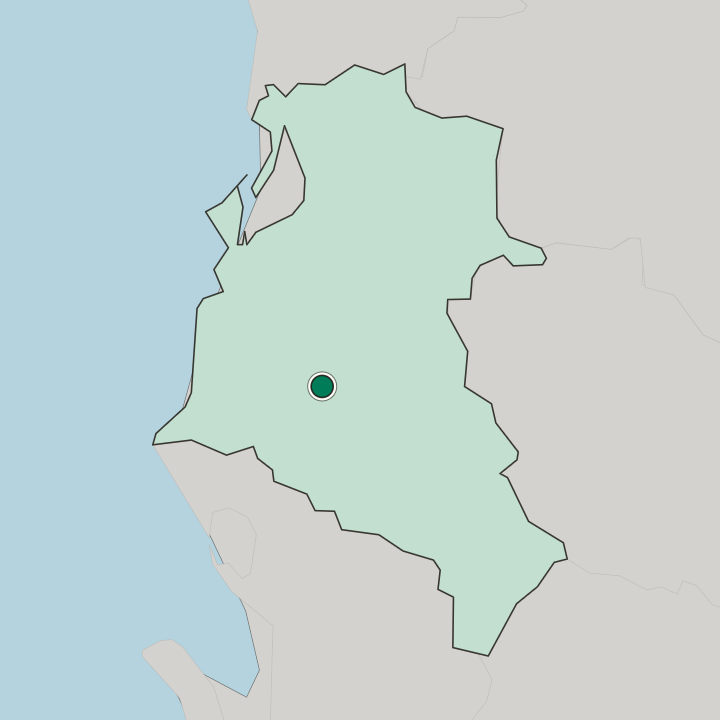
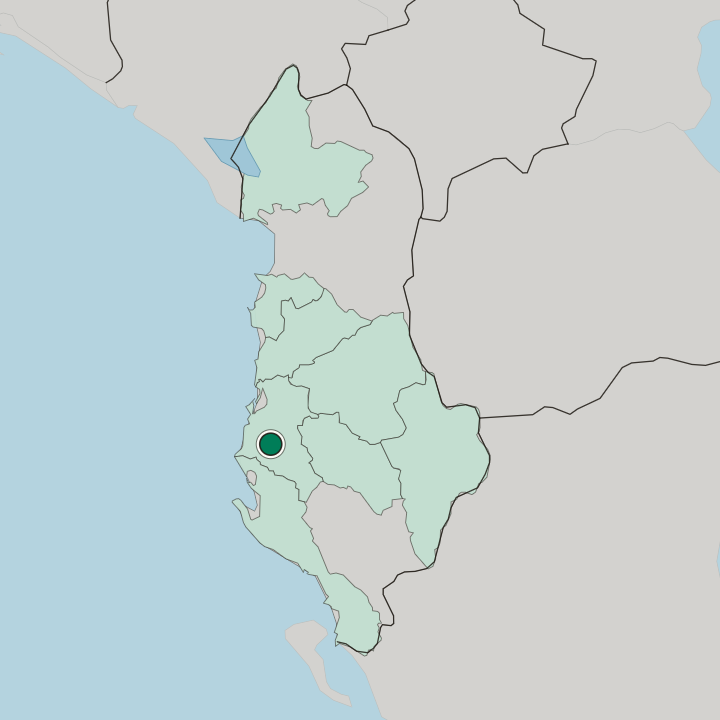
Fier sits on the bank of the Gjanica River, in the middle of the Myzeqe Plain. The Seman closes the plain to the north and the Vjosë to the south, while the foothills of the Mallakastra Mountains rise to the south-east and the Adriatic Sea lies west. Flat ground runs in every other direction.
That flatness is why Fier County reads as one continuous plain from the city out to the rivers on either side.
What is the climate of Fier?
The Adriatic Sea does the tempering here. Fier's climate is a seasonal Mediterranean one, and the water lying to the west keeps the swings from running as wide as they do further inland toward the Mallakastra Mountains. Wet and dry halves alternate.
Walks out to Ardenica Monastery or the Museum of Apollonia are easiest outside the hottest stretch, when the plain between the Seman and the Vjosë is comfortable to cross on foot.
How do you get to Fier?
Fier is a transit town before it is anything else. The road from Tirana and Durrës to the south of the country runs through it, which is how most travellers first see the place, and the through traffic passes the centre near the Gjanica River. Apollonia is the usual detour.
The ancient site and the Museum of Apollonia lie just outside the city, close enough that the stop costs an afternoon rather than a day.
Good for
Another city in Qarku i Fierit
Updated October 2026