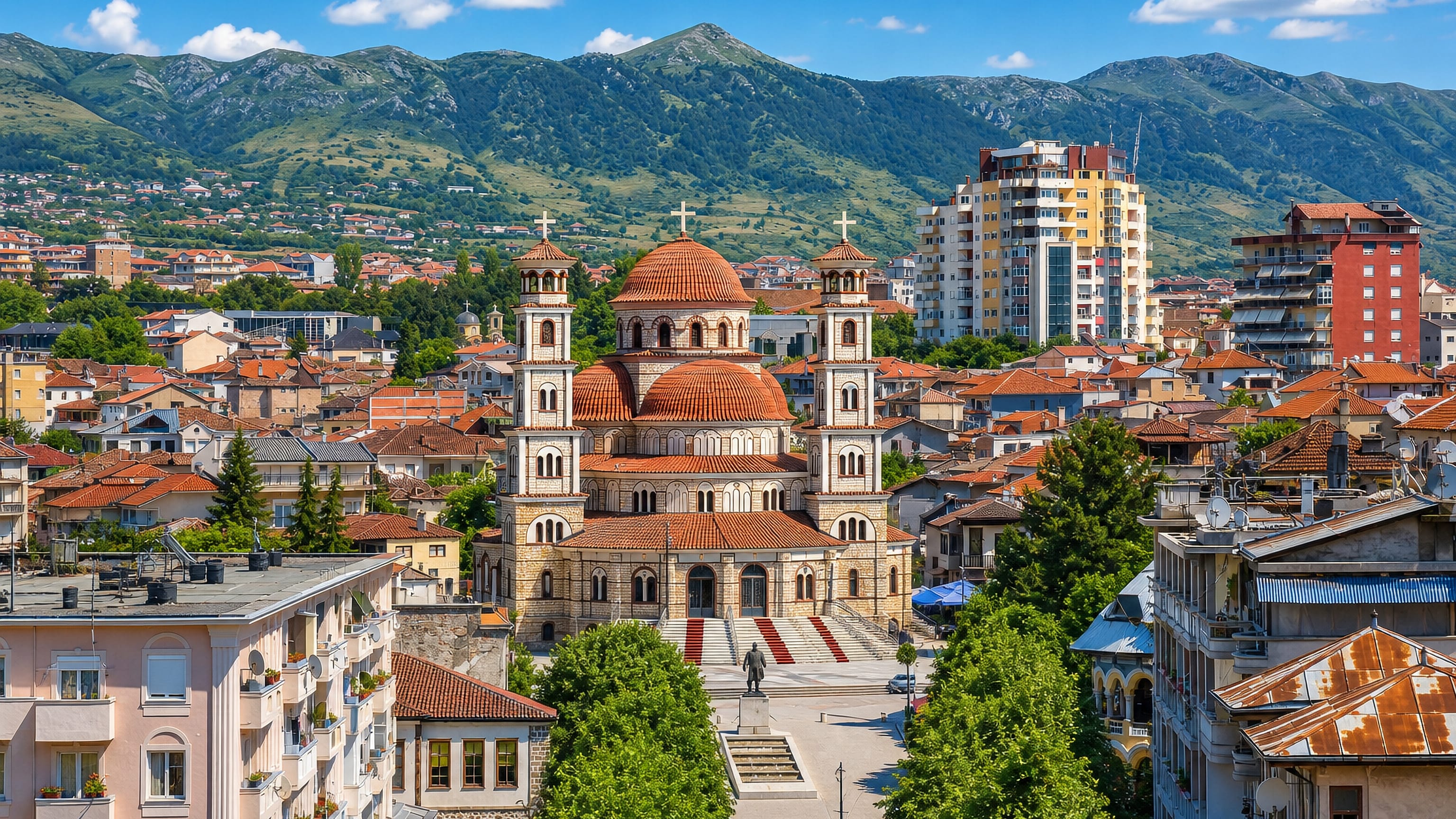
Albania · Qarku i Korçës
Where to Stay in Korçë, Qarku i Korçës
Korçë is a cultural city on the highlands of southeastern Albania, known for its old bazaar and its art museums.
Hotel links are affiliate links: booking through them may earn us a commission, at no extra cost to you. It never affects how places are ranked. How this works


Where to stay in Korçë
The practical side of choosing where to sleep.
Where you stay in Korçë turns on the old bazaar. The restored lanes around the market and the cathedral keep the shops, the museums, and the cafés within a walk, and staying in the centre suits anyone here for the old town. The bazaar fills in the evening.
Rooms sit near the market and the square. Out toward the newer town and the plain, the streets run wider and plainer. A room away from the centre trades the old lanes for parking, space, and an easy road out to the lakes.
The highland plain opens past the edge. If you want the bazaar and the museums, stay in the centre; if you want the road, take a room outside. Whichever you choose, the Korçë bazaar is never far off.
Find hotels in Korçë
Direct booking searches for these neighbourhoods.
The old bazaar
Around the Old Bazaar and the Resurrection Cathedral, within a walk of the museumsFind hotels in The old bazaarDrivers who want room to park and a quick exit toward the lakesNewer town
Away from the centre toward the plain, an easy road out to the lakesFind hotels in Newer townHotel links are affiliate links: booking through them may earn us a commission, at no extra cost to you. It never affects how places are ranked. How this works
Things to do in Korçë
Ranked by global recognition; descriptions from Wikidata (CC0).
Museums & Galleries
3- National Museum of Medieval Art
- National Museum of Education
- National Archaeological Museum of Korçë
Churches & Religious Sites
3- Holy Resurrection Church, Mborje Heritage
- Resurrection Cathedral Korçë
- St. Sotir Church
Castles & Historic Sites
1- Martyrs' Cemetery
worth knowingacross 3 categories in Korçë
About Korçë
Korçë is a city of art and serenades in Albania.
What is Korçë known for?
Its restored old bazaar of stone lanes, a great Orthodox cathedral, and the country's finest museum of medieval icons fill the town, and the first Albanian-language school opened here. Old songs are sung in its streets. Bazaar and icons mark the city.
What are the main landmarks in Korçë?
The Old Bazaar is the heart of Korçë. Its restored lanes of stone shops and inns fill the centre of the town, the emblem of the city, below the cathedral. Churches and museums ring the square.
The great Resurrection Cathedral rises over the town, while the National Museum of Medieval Art holds a famous store of icons, and the National Archaeological Museum and the Bratko museum stand nearby.
What is the history of Korçë?
Korçë grew into a centre of Albanian culture. A market town on the trade roads of the Ottoman south, it prospered from wool and commerce, and in the late nineteenth century it became a cradle of the Albanian awakening. The first school opened its doors here.
In 1887 the town founded the first school to teach in the Albanian language, a bold act under Ottoman rule, and Korçë became a font of learning and letters. Art and song filled the town. Its people painted icons, sang the famous Korçë serenades, and built fine houses and churches, so that the town was called the little Paris of Albania.
War and hardship came in turn. The city was fought over in the world wars and closed off under the long communist years, but its bazaar and museums survived. The old market has been restored to life.
Korçë guards its bazaar and its icons on the highland plain.
Where is Korçë?
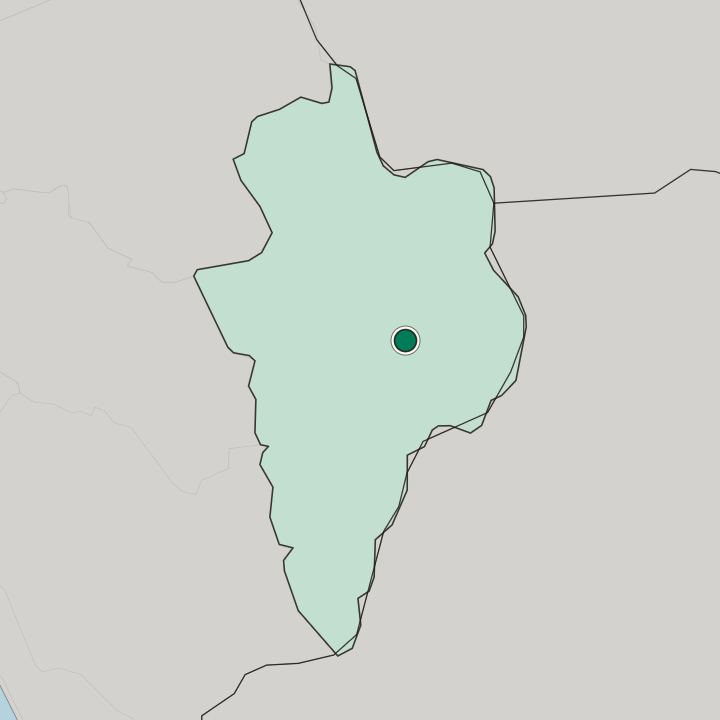
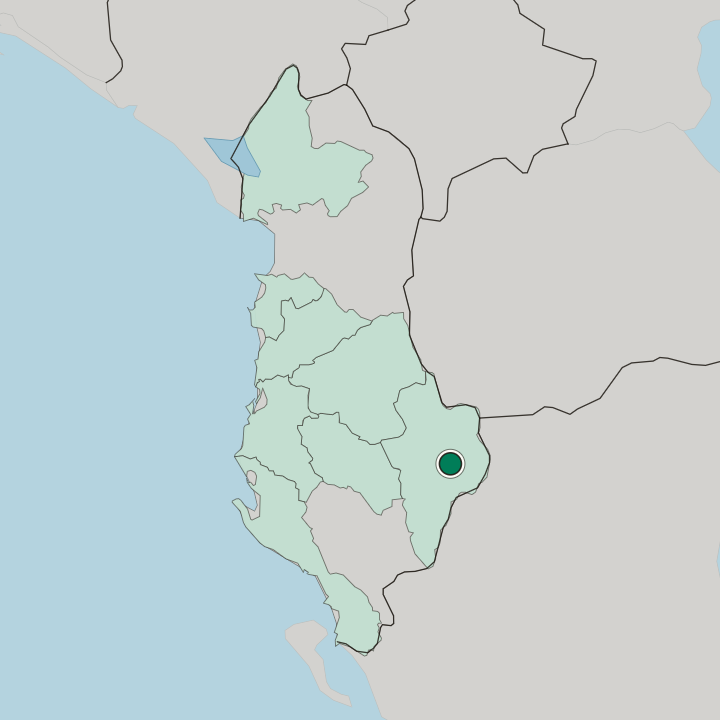
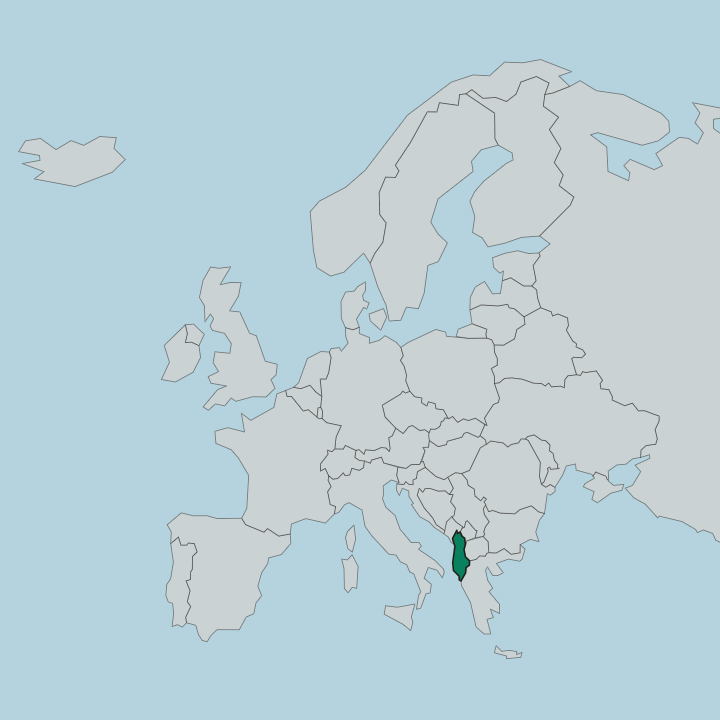
Korçë lies on a high plateau in southeastern Albania. The city sits on a wide upland plain ringed by mountains, near the Greek border and the lakes of the south, over eight hundred metres above the sea. Bare ranges rise around the plateau.
The plain rolls away to the hills.
What is the climate of Korçë?
Korçë has a cold upland continental climate. The high plateau keeps the winters cold and snowy, among the chilliest in the country, while the summers stay warm and dry, with rain in spring and autumn. Snow blankets the plain in winter.
The upland air stays crisp and clear.
How do you get to Korçë?
Korçë lies in the far southeast of Albania near Greece. Roads run to it over the mountains from Tirana and down to the Greek border nearby, and the town sits on the route to the lakes. Buses reach the highland villages around.
Most arrive by road over the passes.
Common questions
What is the best area to stay in Korçë?
The old bazaar: Visitors here for the market, cathedral, and museums. Newer town: Drivers who want room to park and a quick exit toward the lakes.
Good for
Updated October 2026