Armenia · Shirak
Where to Stay in Gyumri, Shirak
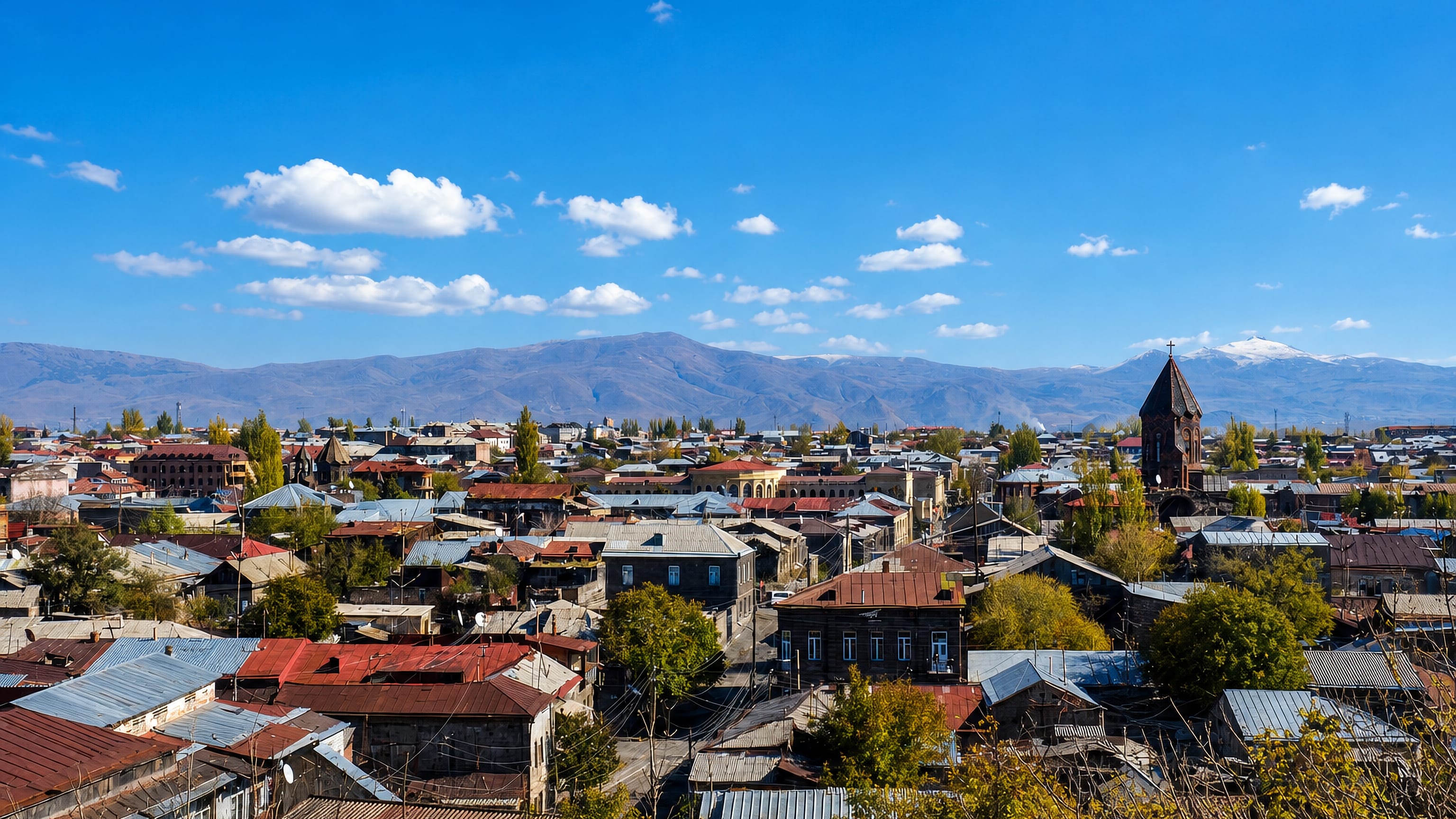
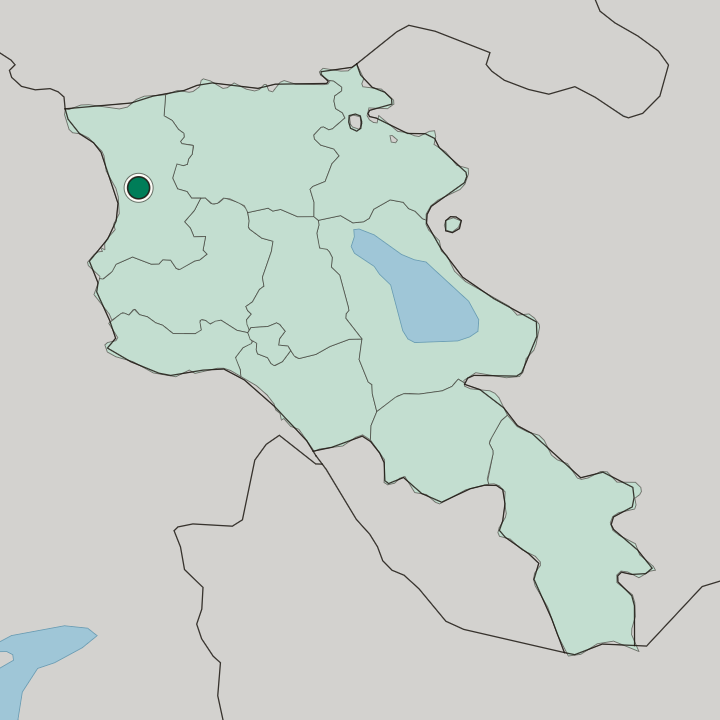
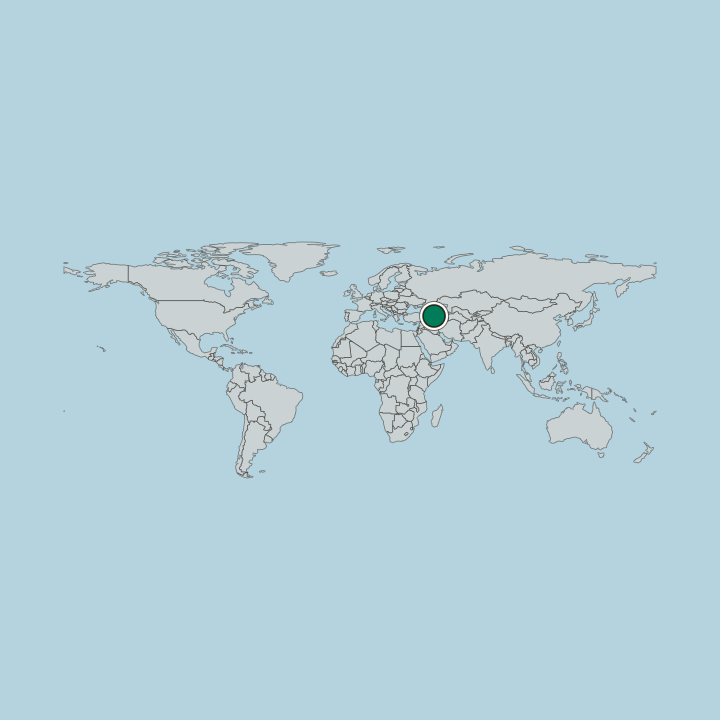
Gyumri, the second-largest city in Armenia, is the cultural centre of Shirak Province in the northwest of the country.
Hotel links are affiliate links: booking through them may earn us a commission, at no extra cost to you. It never affects how places are ranked. How this works


Where to stay in Gyumri
Where visitors usually base themselves, and why.
The historic centre is where most visitors want to be. The black-tuff quarter around the Cathedral of the Holy Mother of God and the Church of the Holy Saviour holds the finest of the old streets, and the Dzitoghtsyan Museum of National Architecture stands here to explain them, so a room in this district keeps the galleries and churches on foot. Stay here first.
For a stay tied to the city's art, the streets near the Gallery of Aslamazyan sisters and the Hovhannes Shiraz home-museum place the museums and statues at your door, with the Charles Aznavour Statue a short walk away. Those drawn to the wider record of the place can look toward the ground near the Earthquake memorial and the National Sculpture Park Museum, on the outer reaches of Shirak Province's capital, where the quieter edges of the city meet the open air and the memory of the 1988 Spitak earthquake is kept in stone.
Find hotels in Gyumri
Direct booking searches for these neighbourhoods.
Black-tuff old quarter
The tuff-stone streets around the Cathedral of the Holy Mother of God, the Church of the Holy Saviour and the Dzitoghtsyan Museum of National Architecture concentrate Gyumri's old building tradition in one walkable district.Find hotels in Black-tuff old quarterTravellers focused on Gyumri's galleries and its poets, painters and actorsMuseum and statue streets
The blocks around the Gallery of Aslamazyan sisters, the Hovhannes Shiraz home-museum and the Charles Aznavour Statue put the city's art and its remembered figures within a short walk.Find hotels in Museum and statue streetsHotel links are affiliate links: booking through them may earn us a commission, at no extra cost to you. It never affects how places are ranked. How this works
Things to do in Gyumri
Ranked by global recognition; descriptions from Wikidata (CC0).
Museums & Galleries
3- Gallery of Aslamazyan sisters Heritage
- Sergey Merkurov House-Museum Heritage
- Dzitoghtsyan Museum of National Architecture
Churches & Religious Sites
6- Cathedral of the Holy Mother of God Heritage
- Church of the Holy Saviour Heritage
- Surb Nshan Church, Gyumri Heritage
- Church in Kazachi post Heritage
- Saint Gregory the Illuminator Church, Gyumri Heritage
Show 1 more →
- Saint Michael the Archangel's Church, Gyumri Heritage
Castles & Historic Sites
8- Mother Armenia, Gyumri Heritage
- Hovhannes Shiraz home-museum Heritage
- Charles Aznavour Statue Heritage
- Statue of Avetik Isahakyan Heritage
- Vardan Ajemian 1, Gyumri Heritage
Show 3 more →
- Andranik Ozanyan Monument Heritage
- Kazachi Post 11, Gyumri Heritage
- Tsulukidze 4, Gyumri Heritage
worth knowingacross 3 categories in Gyumri
About Gyumri
Gyumri is known above all as an artistic city.
What is Gyumri known for?
Its galleries and house-museums are the draw. The Gallery of Aslamazyan sisters, the Hovhannes Shiraz home-museum and the Mher Mkrtchyan Museum keep the memory of the painters, poets and actors the city produced, while the Dzitoghtsyan Museum of National Architecture preserves its distinctive black-and-red stone building tradition. Statues carry the same spirit into the streets, from the Charles Aznavour Statue to the Statue of Avetik Isahakyan.
The 1988 Spitak earthquake left marks that a visitor still reads across the fabric of the place.
What are the main landmarks in Gyumri?
The churches anchor the skyline. Cathedral of the Holy Mother of God, the Church of the Holy Saviour and the Cathedral of the Holy Cross rise in black and red stone, with Surb Nshan Church and Saint Gregory the Illuminator Church among the older houses of worship. Art fills the museums.
Inside the Gallery of Aslamazyan sisters, the Hovhannes Shiraz home-museum, the Mher Mkrtchyan Museum and the Sergey Merkurov House-Museum the city keeps its painters, poets and actors. Statues mark the streets. Mother Armenia, the Charles Aznavour Statue and the Earthquake memorial each speak for a different chapter of Gyumri.
What is the history of Gyumri?
Gyumri's modern story turns on two names and one catastrophe. Under the name Alexandropol, by the end of the 19th century the city had become the largest in Russian-ruled Eastern Armenia, its population then set above that of Yerevan. It served as a major centre of Russian troops during the Russo-Turkish wars of that century, and a Russian military base has kept a presence in part of the city ever since.
The cultural life ran alongside the garrison. The city won a wide name as a hub of painters, poets and actors, a reputation the Gallery of Aslamazyan sisters, the Hovhannes Shiraz home-museum and the Sergey Merkurov House-Museum still carry. Then came the 1988 Spitak earthquake.
It struck the city hard, and its consequences remain visible across the streets, so that the Earthquake memorial now stands among the older churches and statues as the newest layer of a long record. The administrative centre of Shirak Province wears every one of these chapters at once, from the black-tuff churches of the old town to the memorials that mark the harder years of the northwest.
Where is Gyumri?
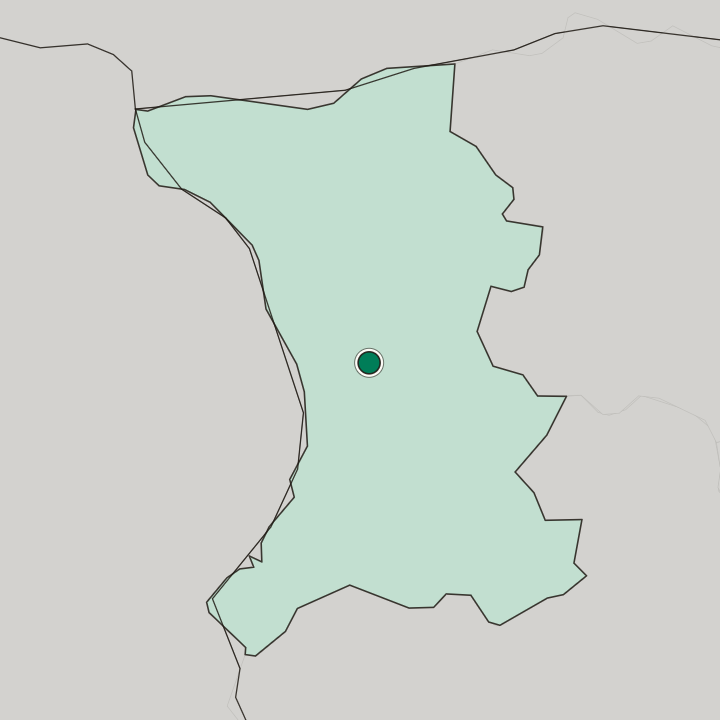
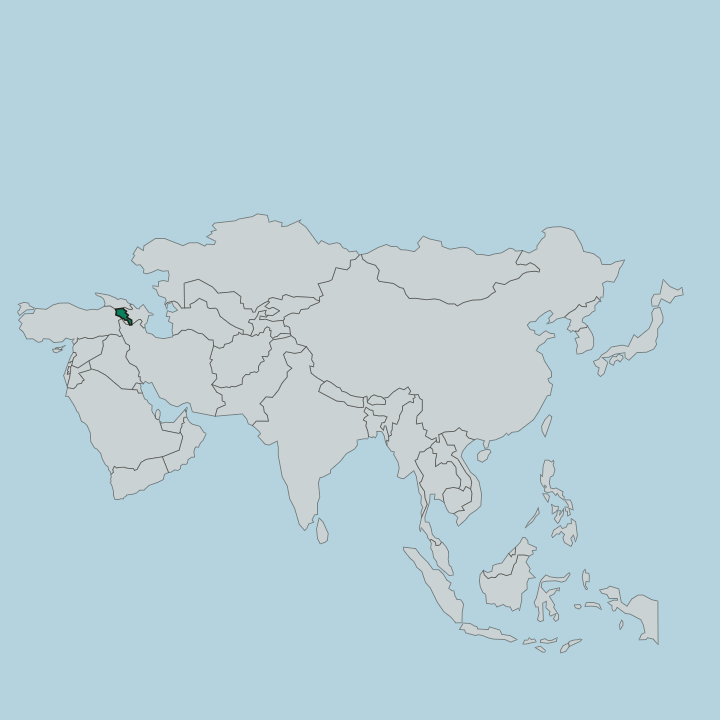
Gyumri stands in the northwest of Armenia, the administrative centre of Shirak Province on the high plain that gives the region its open, windswept character. The setting is elevated and broad. The city's builders worked the local black and red tuff into the churches and mansions that the Dzitoghtsyan Museum of National Architecture now preserves, a stone that ties the streets to the ground they rise from.
Yerevan lies to the south of this upland corner of the country.
What is the climate of Gyumri?
The high plain sets the weather. Sitting on the elevated ground of Shirak Province, Gyumri runs to cold, long winters and short, warmer summers, and the wind that crosses the open upland can sharpen either season well beyond what the calendar alone would promise. Snow settles readily here.
The black-tuff streets around the Cathedral of the Holy Mother of God carry that mountain cold through much of the year.
How do you get to Gyumri?
As the second-largest city in Armenia and the seat of Shirak Province, Gyumri sits on the main routes across the country's northwest. Approaches climb to the plain. The road and rail links run down toward Yerevan in the south, and the city's own centre gathers around the churches and the Charles Aznavour Statue once you arrive.
The Cathedral of the Holy Mother of God marks the heart of the old town.
Common questions
What is the best area to stay in Gyumri?
Black-tuff old quarter: First-time visitors who want the historic churches and the architecture museum on foot. Museum and statue streets: Travellers focused on Gyumri's galleries and its poets, painters and actors.
Good for
Updated October 2026