Argentina · Chaco Province
Where to Stay in Resistencia, Chaco Province
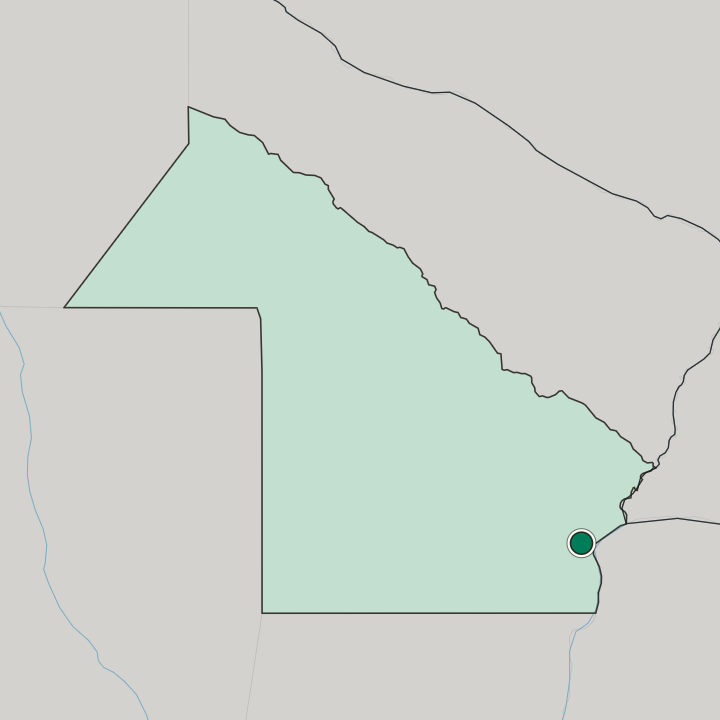
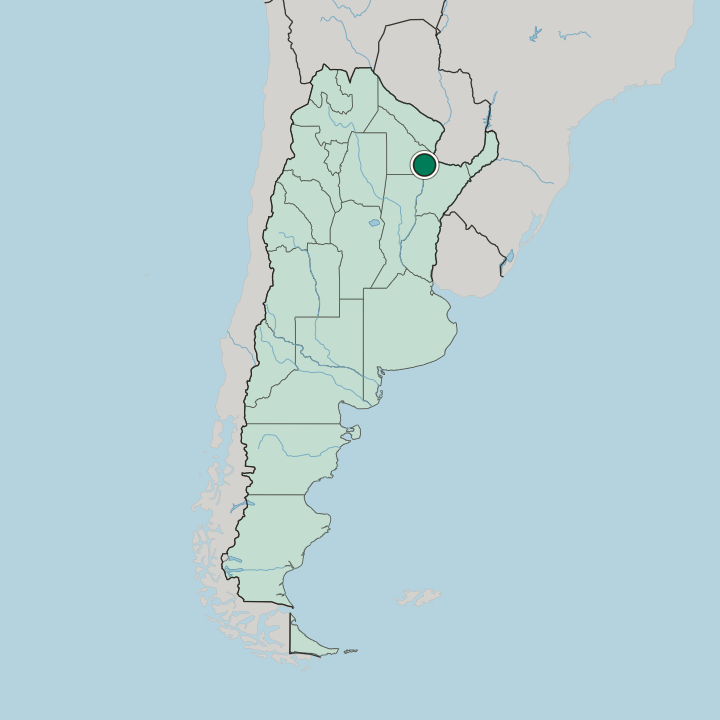
Resistencia is the capital of Chaco Province in northeast Argentina, famous as a city of open-air sculptures.
Hotel links are affiliate links: booking through them may earn us a commission, at no extra cost to you. It never affects how places are ranked. How this works


Where to stay in Resistencia
Where visitors usually base themselves, and why.
Beds in Resistencia sort themselves around the sculpture-lined centre. The streets around the main plaza keep the sculptures, the museums, and the cultural clubs within a walk, and staying downtown suits anyone here for the art city. The plazas fill with life in the cool evening.
Rooms sit near the square and the statues. Out toward the newer districts and the river, the city spreads into quieter, greener streets. A room away from the centre trades the sculptures for parking, space, and an easy way over the bridge to Corrientes.
The flat Chaco opens past the edge. If you want the art and the museums, stay downtown; if you want space and the road, take a room outside. Either way, the sculptures are close at hand.
Find hotels in Resistencia
Direct booking searches for these neighbourhoods.
The centre
Around the main plaza and the Fogón de los Arrieros, within a walk of the street sculpturesFind hotels in The centreStays wanting space and the road to CorrientesNewer districts
Away from the centre toward the river, an easy way over the bridge to CorrientesFind hotels in Newer districtsHotel links are affiliate links: booking through them may earn us a commission, at no extra cost to you. It never affects how places are ranked. How this works
Things to do in Resistencia
Ranked by global recognition; descriptions from Wikidata (CC0).
Museums & Galleries
3- Museo Ichoalay
- Regional Museum of Anthropology "Juan Alfredo Martinet"
- Fogón de los Arrieros
Churches & Religious Sites
1- St. Ferdinand the King Cathedral, Resistencia
worth knowingacross 2 categories in Resistencia
About Resistencia
Resistencia is known as the City of Sculptures.
What is Resistencia known for?
Hundreds of statues and carvings stand in its streets and plazas, the fruit of a great sculpture contest run by a legendary cultural club, the Fogón de los Arrieros, so that the whole town is an open-air museum. The Museum of Urban Sculptures of the World gathers the rest. Art fills the streets of the town.
What are the main landmarks in Resistencia?
The streets themselves are Resistencia's museum. Hundreds of sculptures stand on the corners, in the plazas, and along the avenues, the great draw of the city, an open gallery in the open air. Clubs and museums hold the rest.
The Fogón de los Arrieros keeps the cultural fire that began it all, while the Museum of Urban Sculptures of the World, the Regional Museum of Anthropology, and the Saint Ferdinand Cathedral rise among the streets.
What is the history of Resistencia?
Resistencia was carved out of the wild Chaco. The Argentine government founded the town in the late nineteenth century as a foothold in the untamed lowlands, and settlers from Italy and beyond cleared the forest and drained the marsh to make a city on the frontier. The Chaco was a hard land.
Loggers cut the great quebracho forests for their timber and tannin, and the town grew as the capital and market of the whole region. Then art took over the streets. In 1943 a group of friends founded a cultural club, the Fogón de los Arrieros, that fired the town with a love of art, and it began to set sculptures in the public streets and squares.
The sculptures multiplied over the years. A great international contest brought carvers from across the world, and Resistencia filled with hundreds of statues until it earned its name as the City of Sculptures. The whole town became a gallery.
Resistencia still shows its art on every corner of the Chaco.
Where is Resistencia?
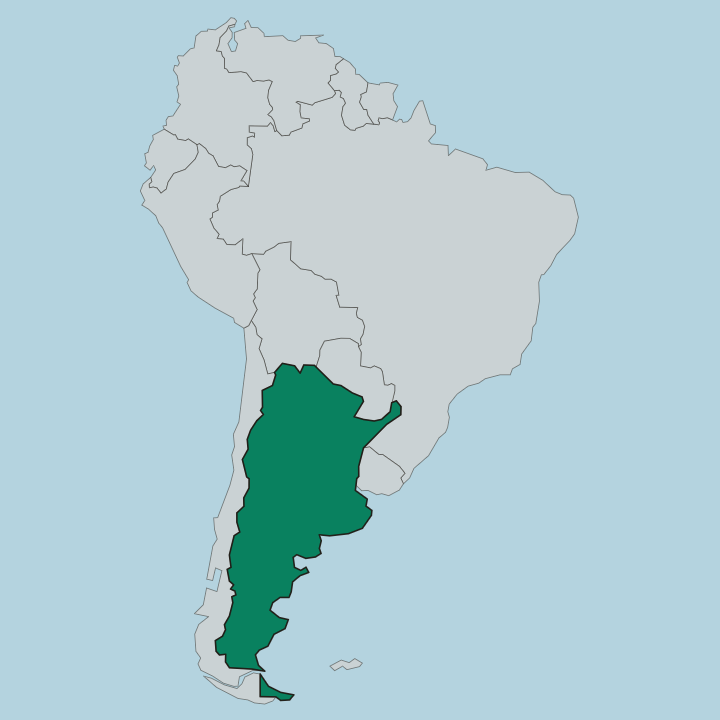
Resistencia lies in the hot lowlands of the Gran Chaco. The city spreads across a flat plain in the far northeast of Argentina, near the great Paraná River that divides it from Corrientes, in a land of marshes, palms, and quebracho forest. Wetlands and woods ring the town.
The vast plain stretches flat on every side.
What is the climate of Resistencia?
Resistencia has a hot subtropical climate. Long, sweltering summers bring heavy rains and fierce heat to the Chaco plain, among the hottest in the country, while the winters stay short and mild. Storms roll across the wetlands in summer.
The heat hangs heavy much of the year.
How do you get to Resistencia?
Resistencia lies across the Paraná from Corrientes in the northeast. A great bridge joins the two cities over the river, and roads and rail run south toward Buenos Aires and north to the Chaco frontier, while the city's airport links it to the capital. Buses reach the Chaco towns around.
Most arrive by road across the lowlands.
Common questions
What is the best area to stay in Resistencia?
The centre: Visitors here for the sculptures, museums, and clubs. Newer districts: Stays wanting space and the road to Corrientes.
Good for
Updated September 2026