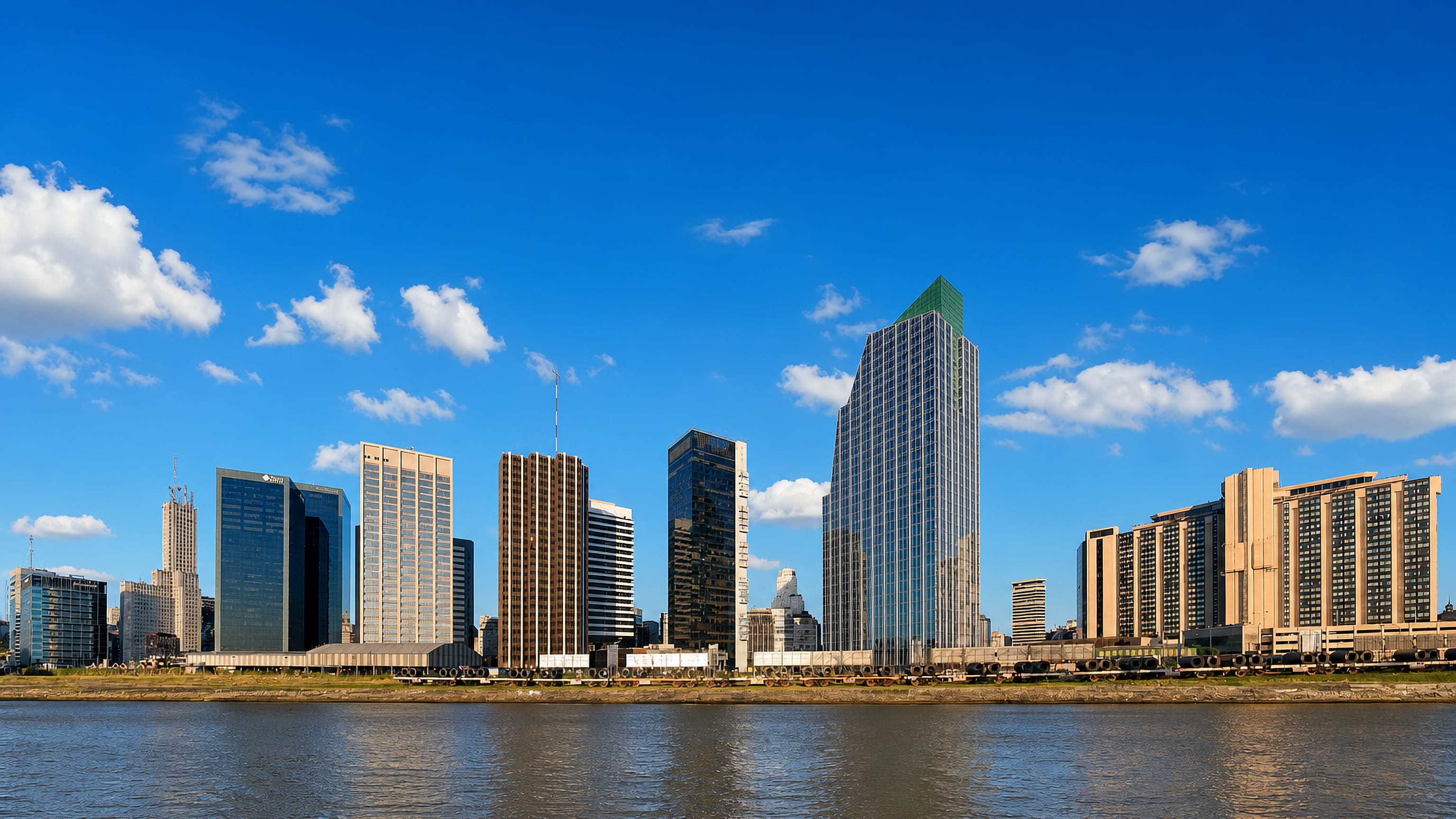
Argentina: Regions, Cities & Travel Guide
Grass plains run from northern jungle to the frozen south in Argentina, the second-largest country in South America, on the South Atlantic coast.
Hotel links are affiliate links: booking through them may earn us a commission, at no extra cost to you. It never affects how places are ranked. How this works


Top destinations in Argentina
Cities to start from, then drill into areas and hotels.
 Argentina
Buenos Aires
Belle epoque facades and green parks line the streets of Buenos Aires, the capital of Argentina on the Río de la Plata, founded in 1580.Where to stay →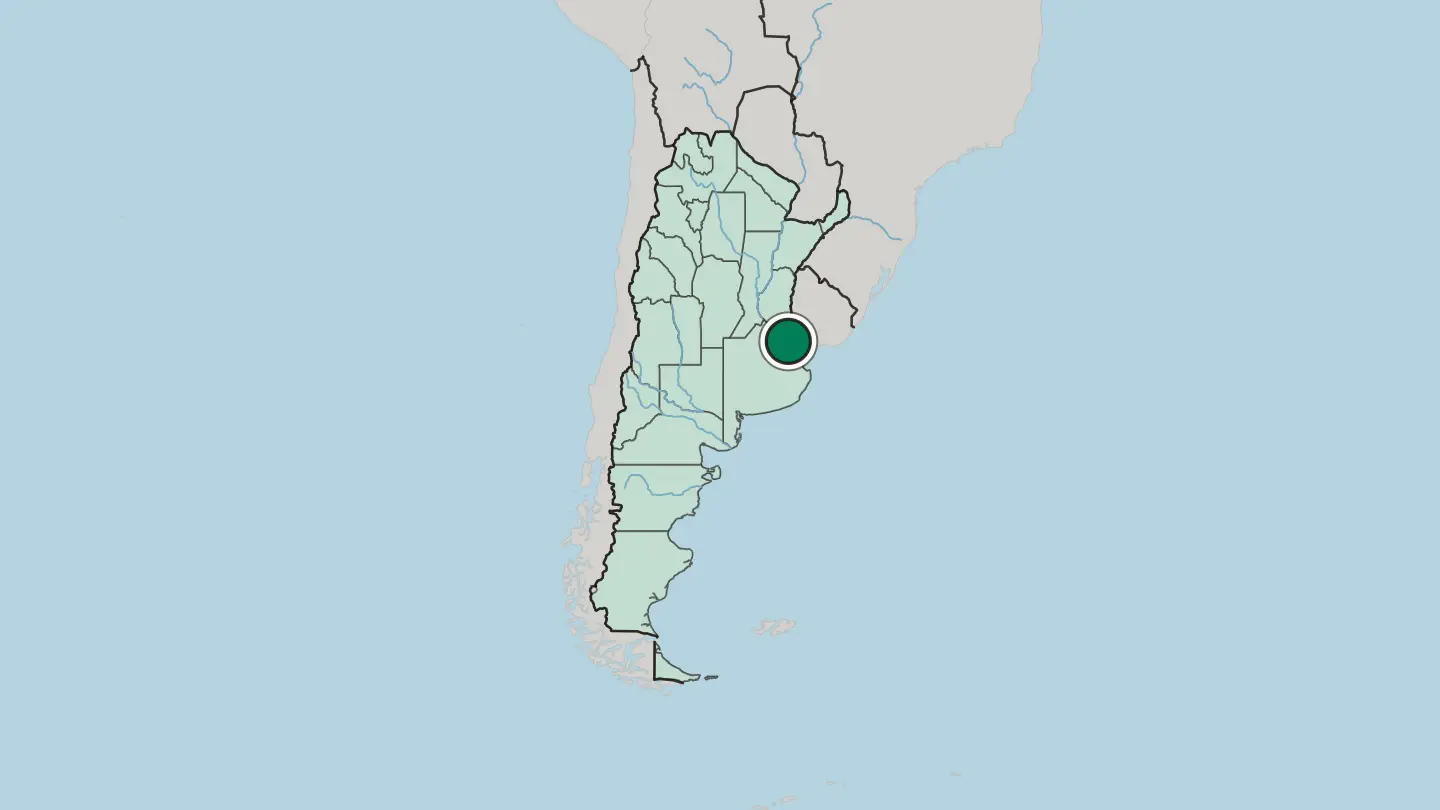
 Argentina
Ushuaia
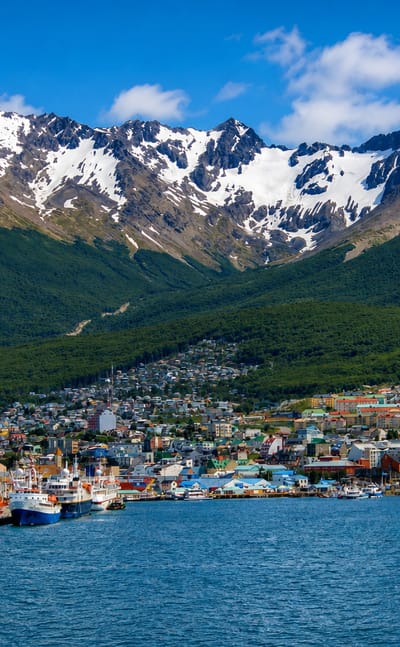
Ushuaia is the capital of Tierra del Fuego Province, a port on the Beagle Channel at the southern end of Tierra del Fuego island.Where to stay →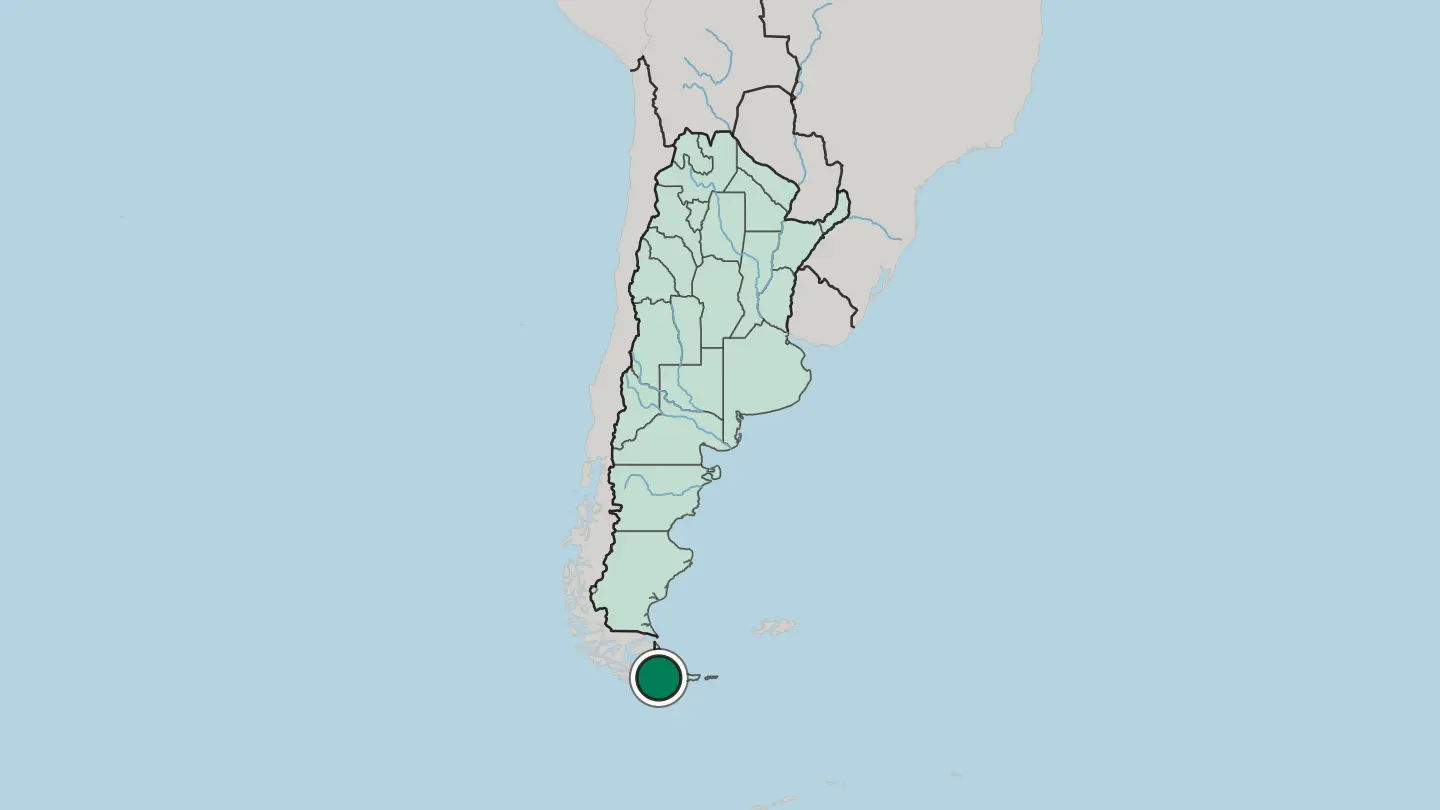
 Argentina
Córdoba
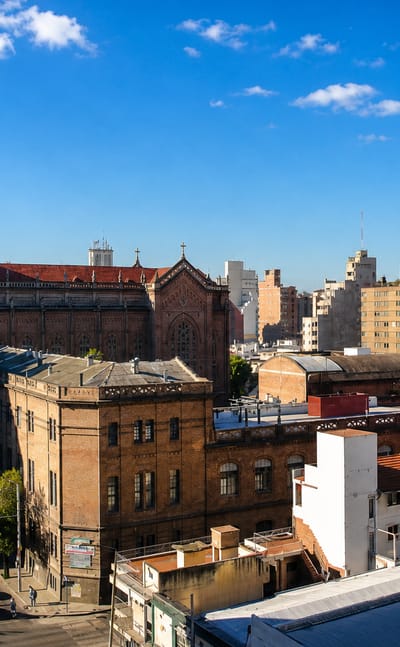
Colonial towers rise over Cordoba, Argentina's second-largest city and capital of Cordoba Province, known for its Jesuit crypt and old university quarter.Where to stay →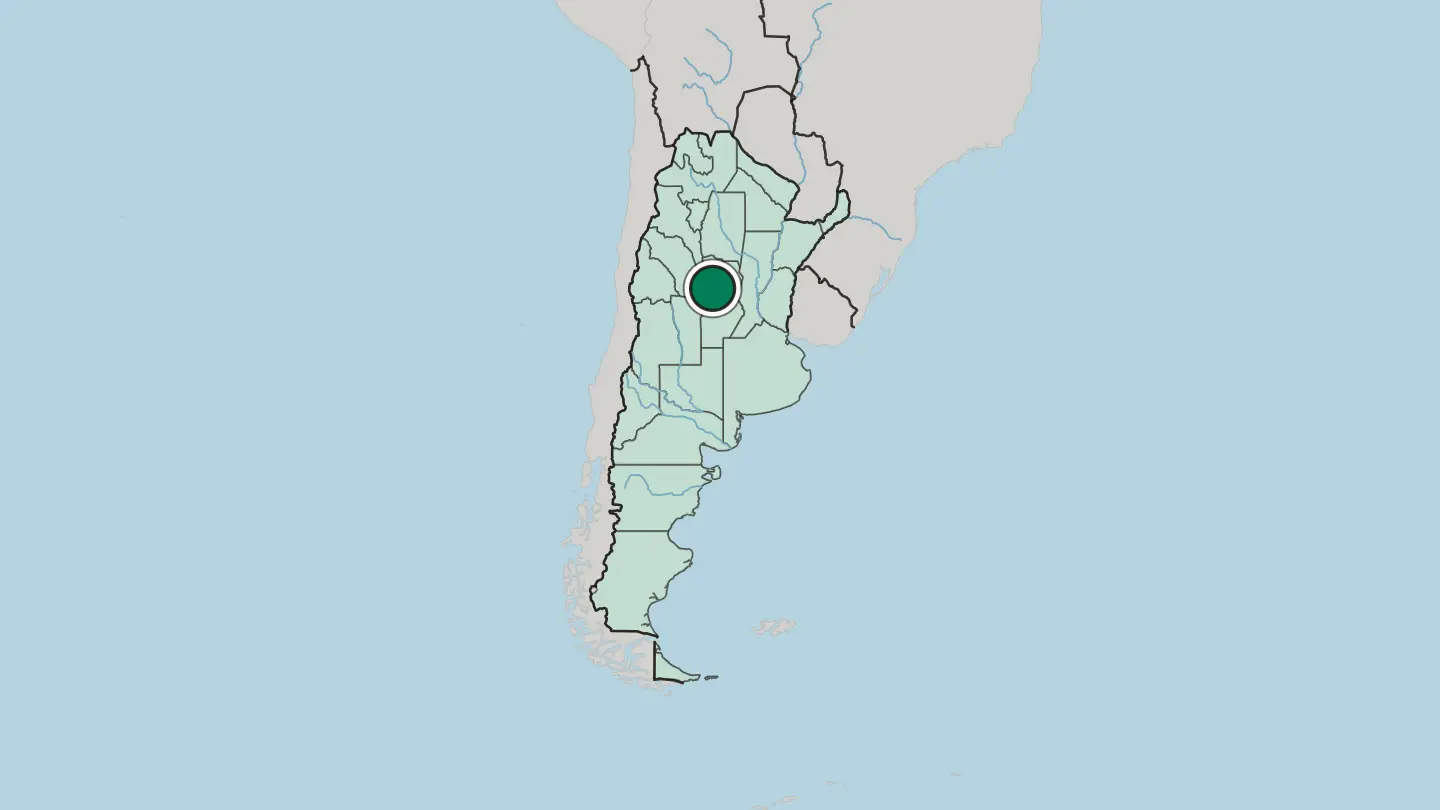
 Argentina
San Carlos de Bariloche
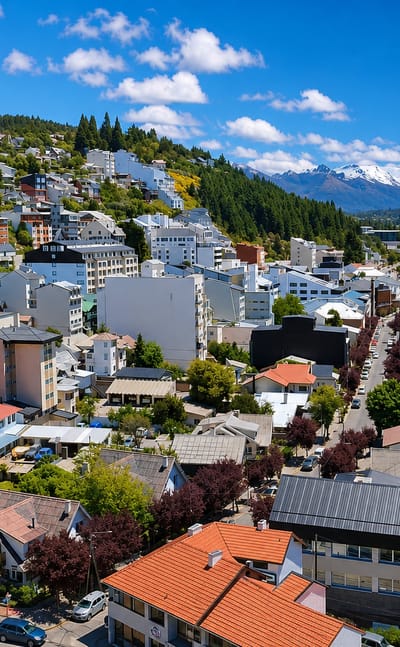
Snow lines the peaks above Bariloche, a lakeside city in the Patagonian Andes on Nahuel Huapi Lake, known for skiing and its chocolate trade.Where to stay →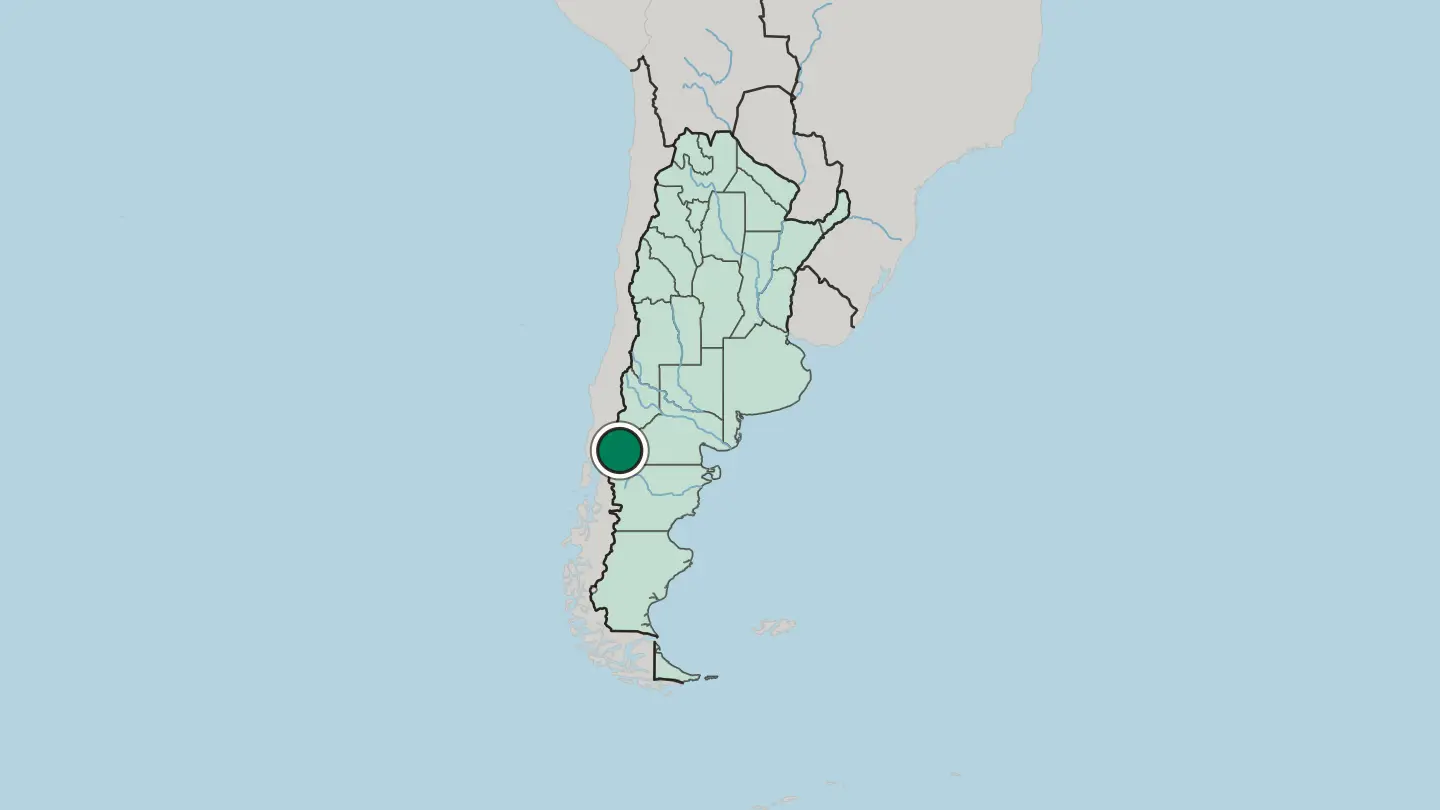
 Argentina
Rosario
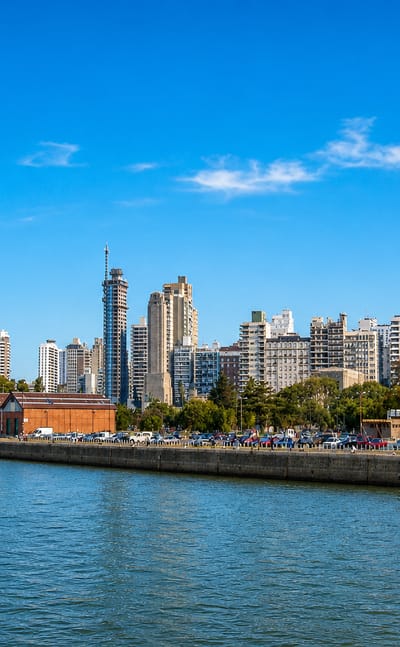
The Parana River runs past Rosario, Argentina's third-largest city and largest in Santa Fe province, known for its Art Nouveau streets and river museums.Where to stay →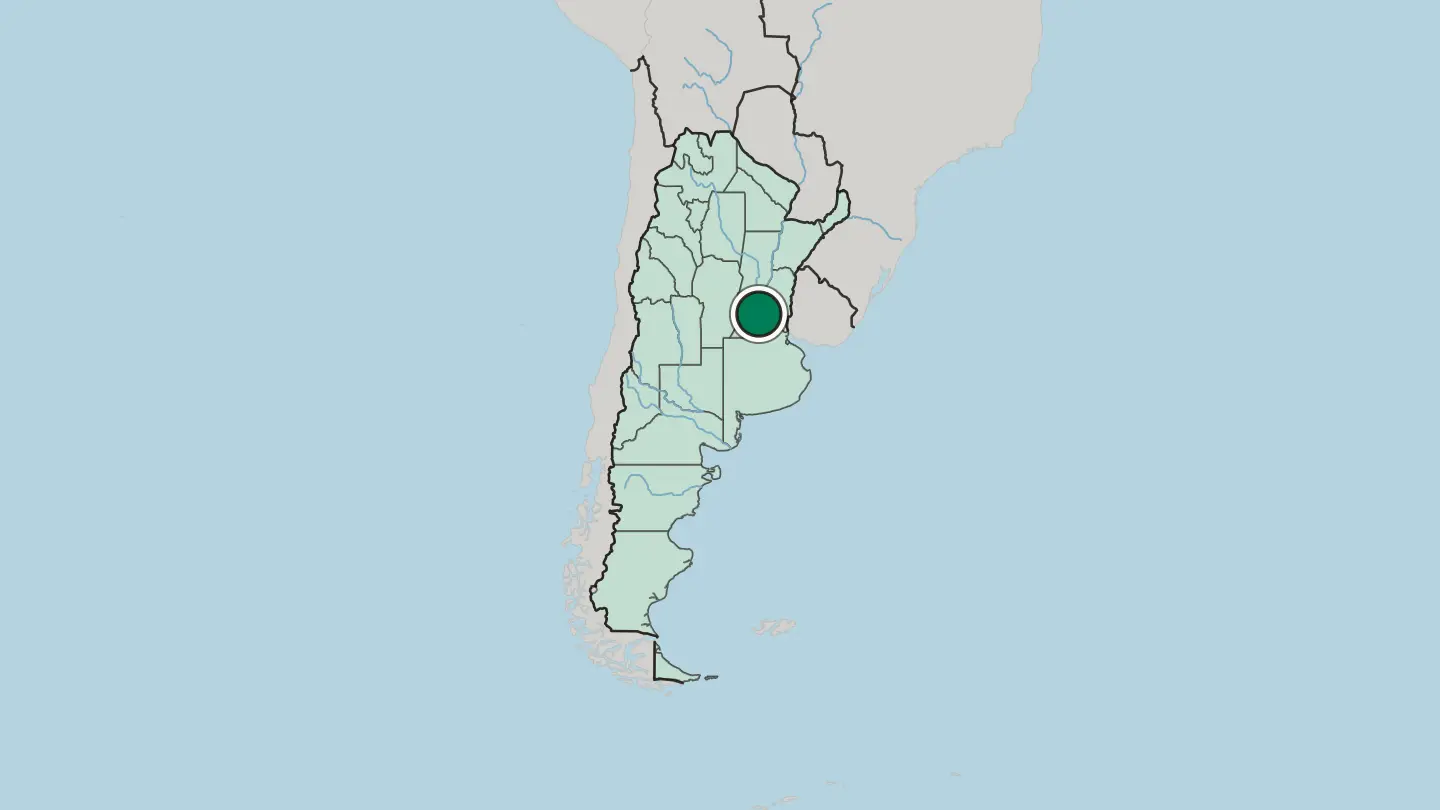
 Argentina
Mendoza
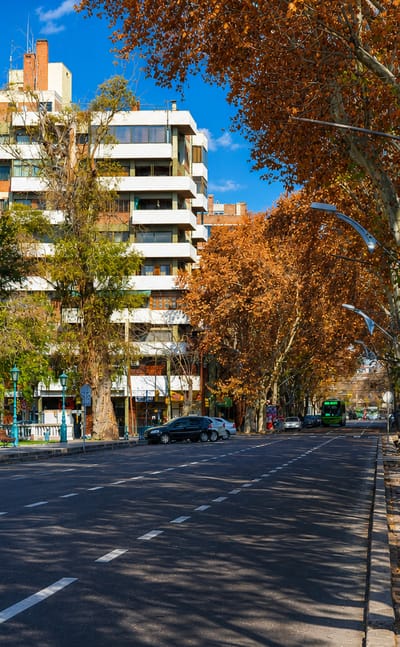
Vineyards ring Mendoza, capital of Mendoza province in the desert Cuyo of western Argentina, known for its wine and the peak of Aconcagua beyond the plain.Where to stay →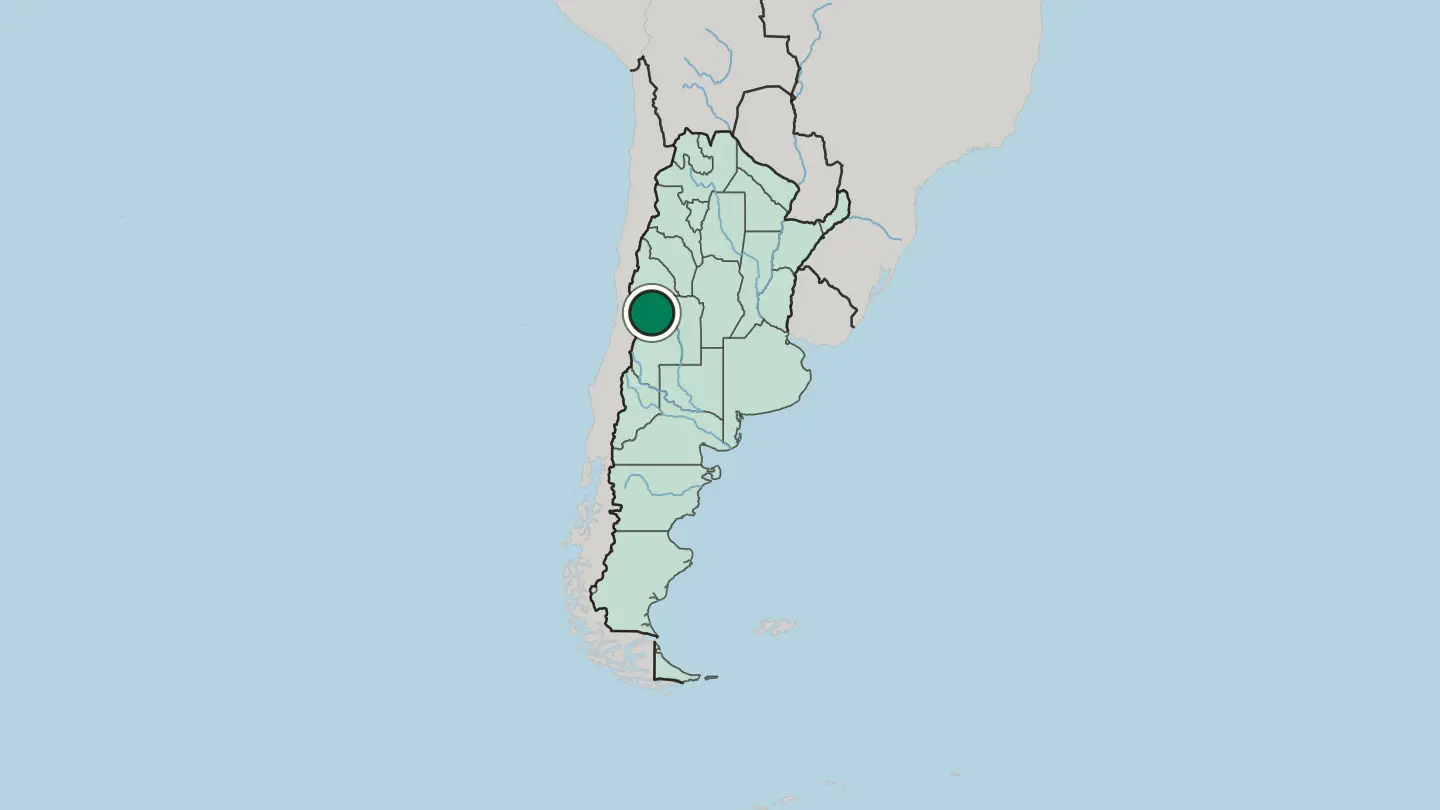
 Argentina
La Plata
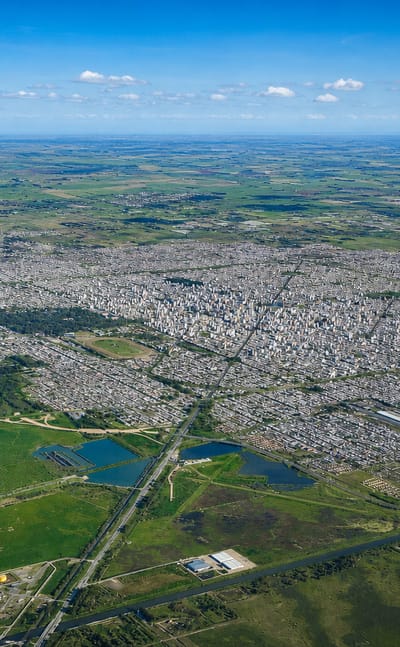
Wide diagonals cut across a perfect grid at La Plata, the capital of Buenos Aires province, known for its Neo-Gothic Cathedral and the museums of the UNLP.Where to stay →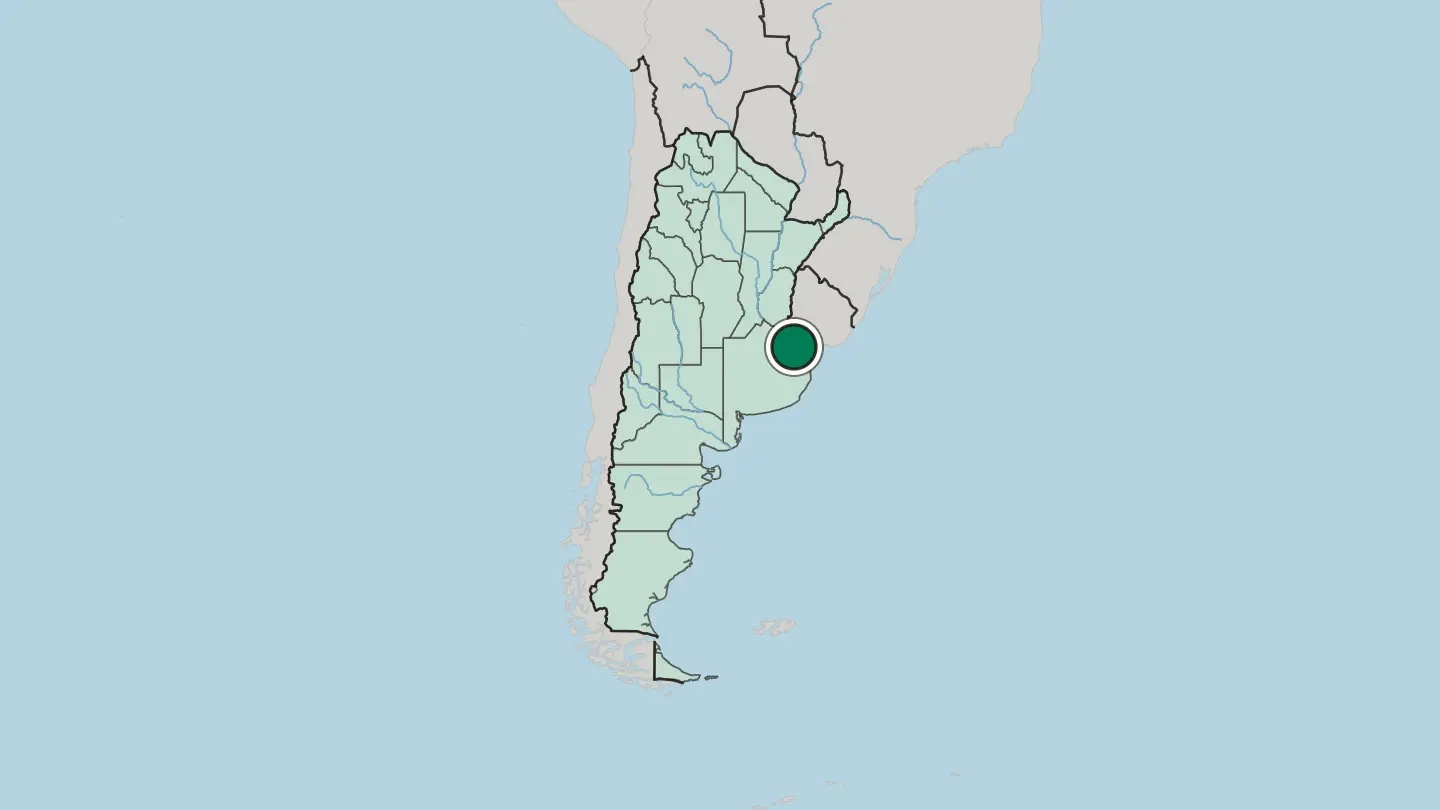
 Argentina
Mar del Plata
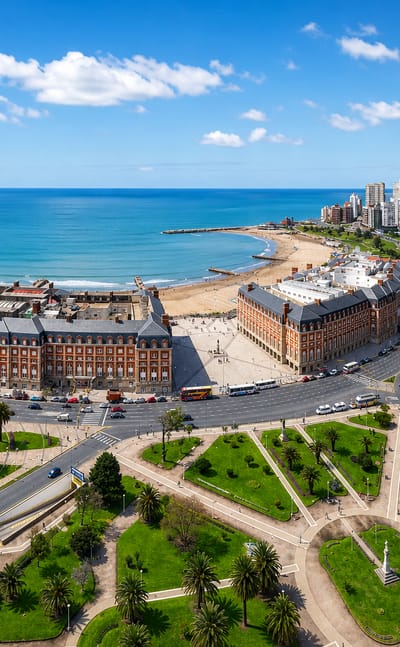
Waves break along the beaches of Mar del Plata, a resort and fishing port on the Atlantic coast of Buenos Aires Province, known for its harbour sea lions.Where to stay →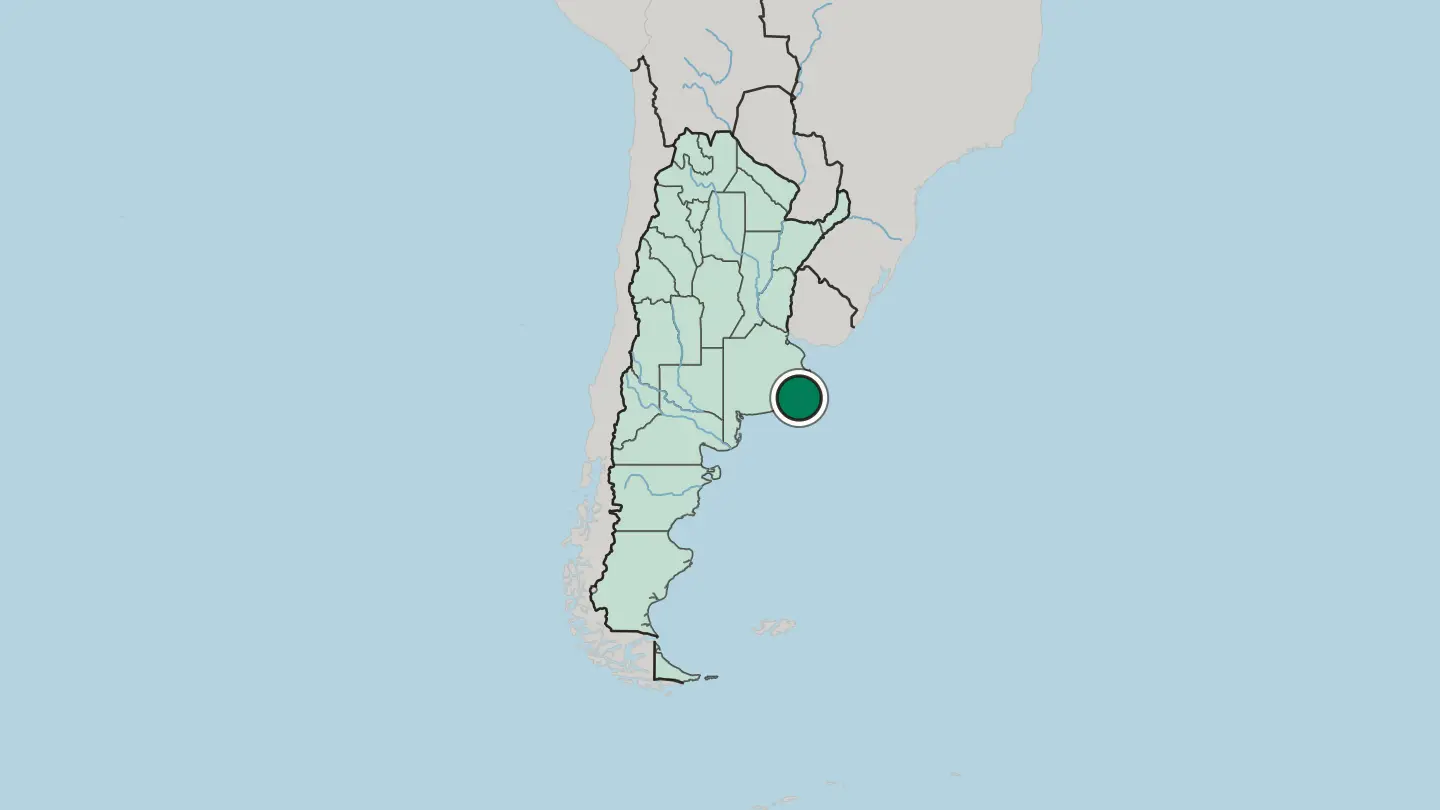
 Argentina
Salta
Salta is a colonial city in the Andes of northwest Argentina, known for its pink cathedral and its well-kept Spanish streets.Where to stay →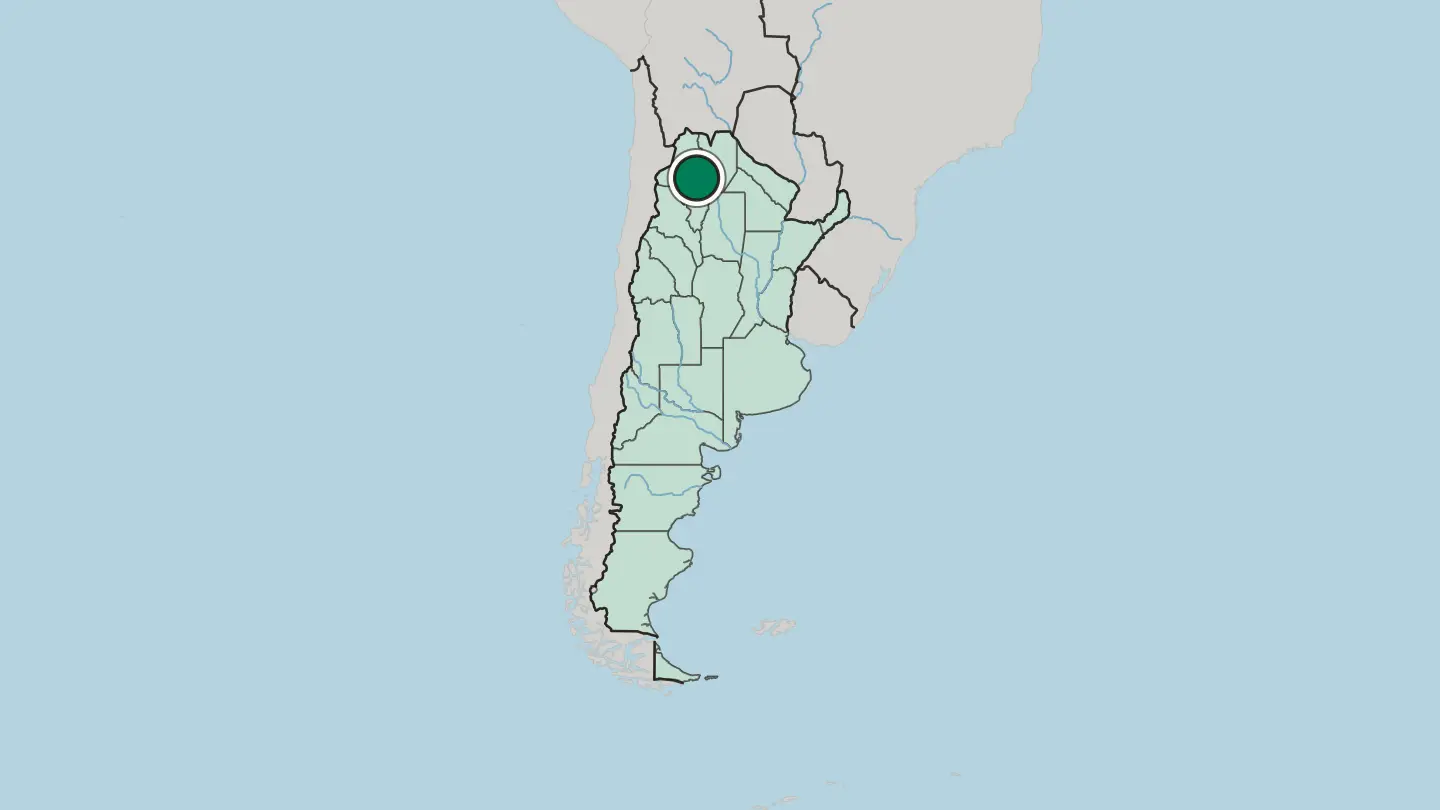
Hotel links are affiliate links: booking through them may earn us a commission, at no extra cost to you. It never affects how places are ranked. How this works
Regions of Argentina
Argentina
Buenos Aires
Buenos Aires is Argentina's largest province, wrapping the Pampas around the capital, from the Río de la Plata to the Atlantic beaches at Mar del Plata.Towns & cities →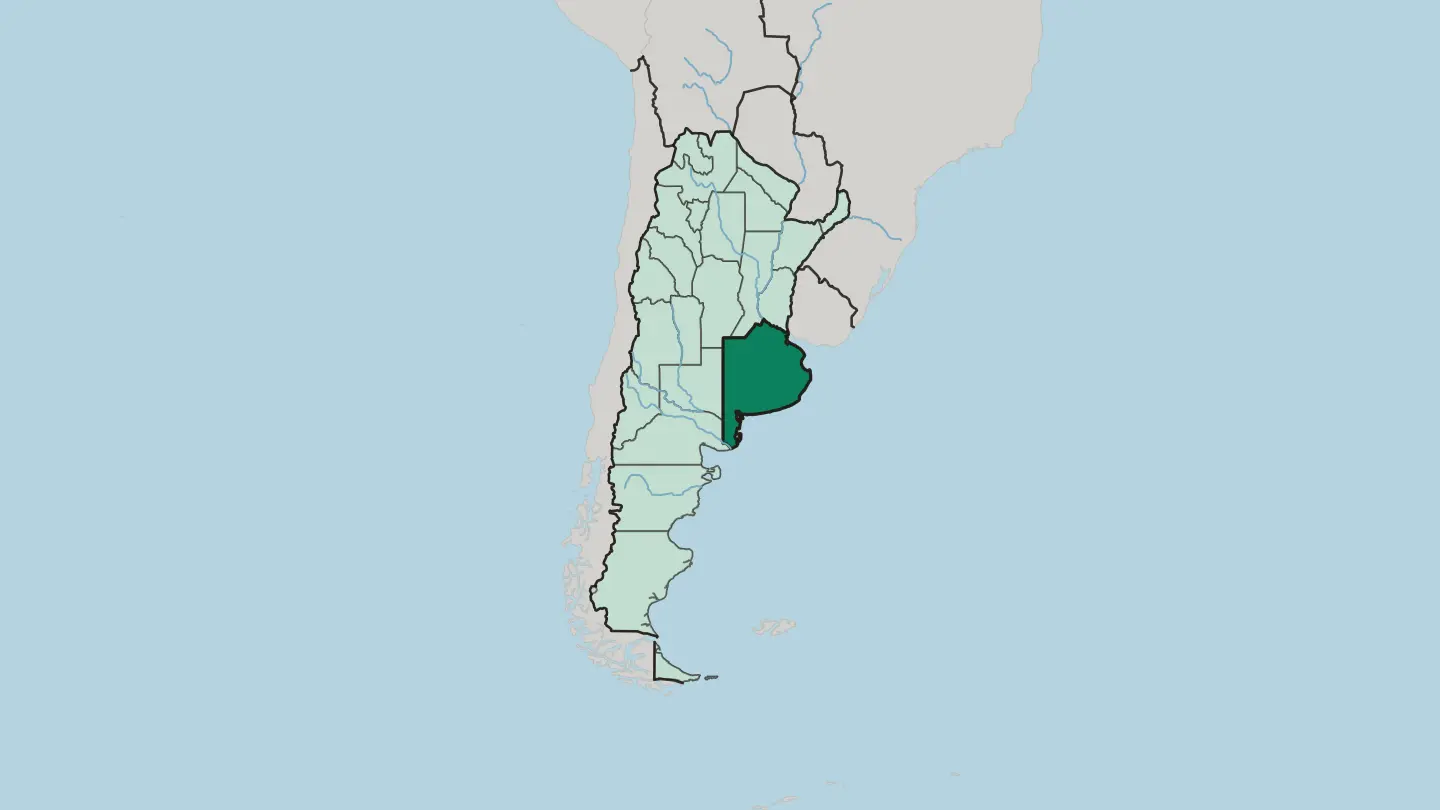
 Argentina
Catamarca Province
Catamarca is Argentina's high northwestern province, where the Andes climb from dry valleys to the puna and the volcano Ojos del Salado.Towns & cities →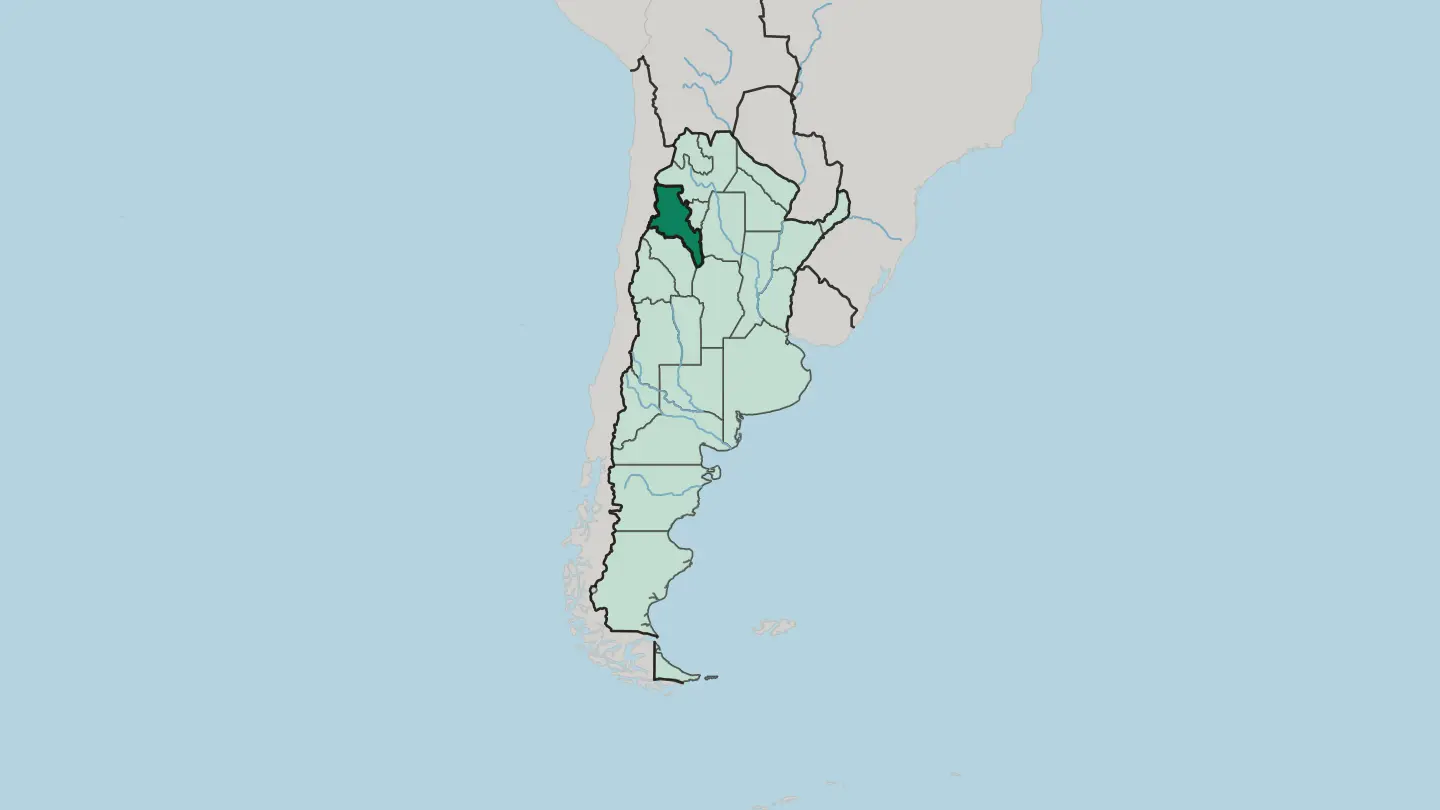 Argentina
Chaco Province
Chaco Province spreads flat across north-eastern Argentina, a subtropical plain of cotton fields, quebracho forest and the wild Bermejo River.Towns & cities →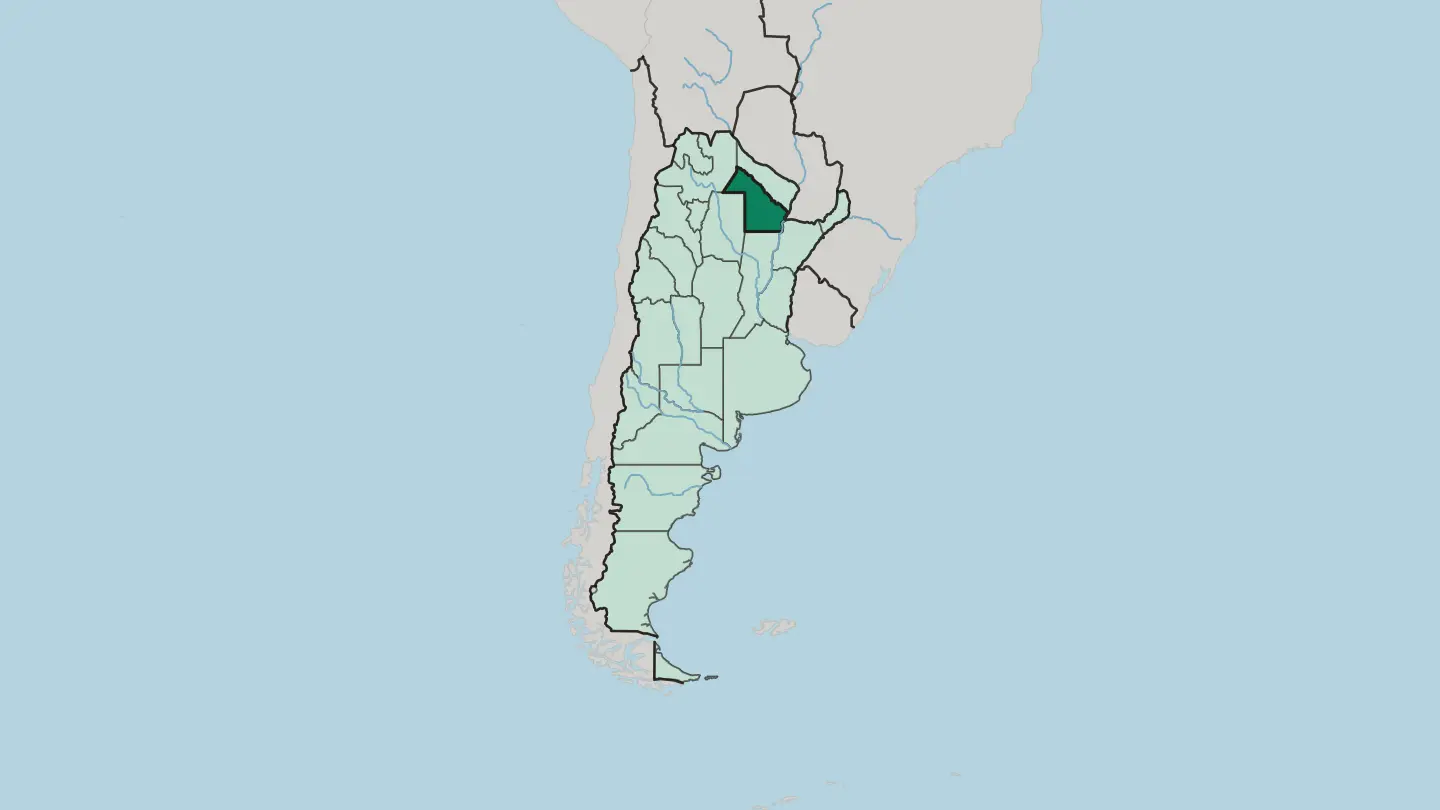
 Argentina
Chubut Province
Chubut is a Patagonian province of Argentina, running from the Andes to the Atlantic, famous for whales and Welsh tea towns.Towns & cities →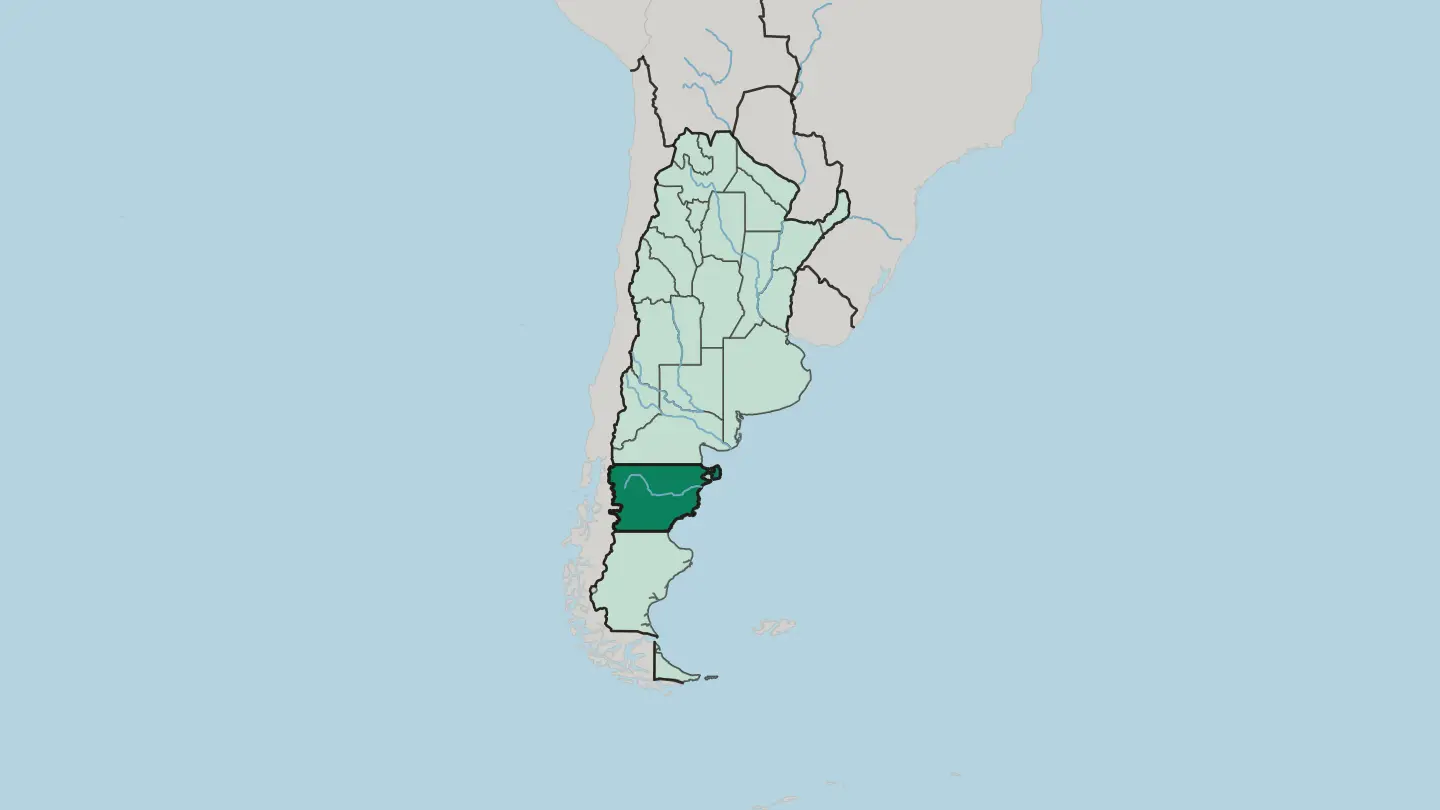 Argentina
Ciudad Autónoma de Buenos Aires
Buenos Aires spreads along the southwest shore of the Río de la Plata, the autonomous capital city of Argentina and its largest urban centre.Towns & cities →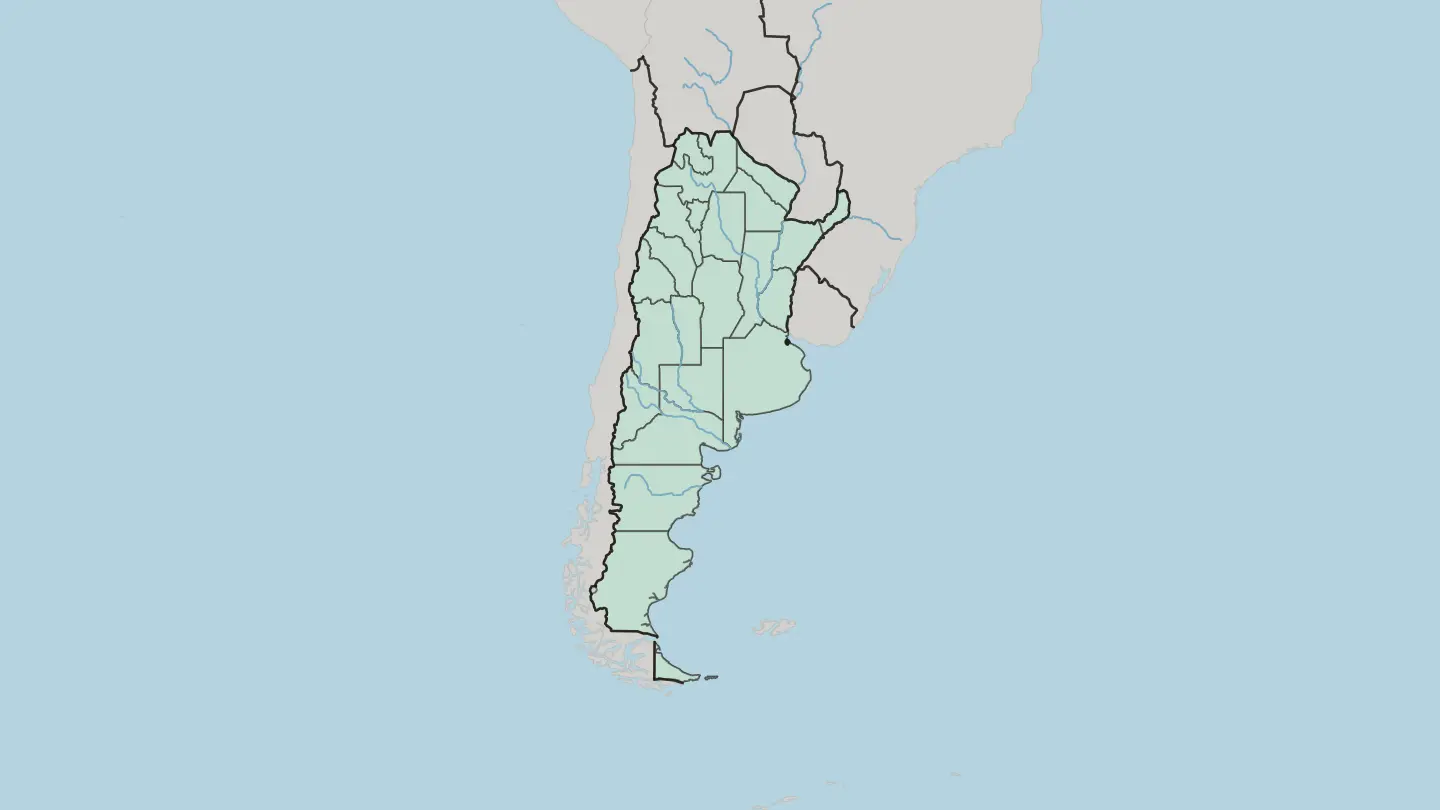 Argentina
Corrientes Province
Corrientes is a subtropical province of northeast Argentina, hemmed by the Paraná and Uruguay rivers and centred on the vast Iberá marshes.Towns & cities →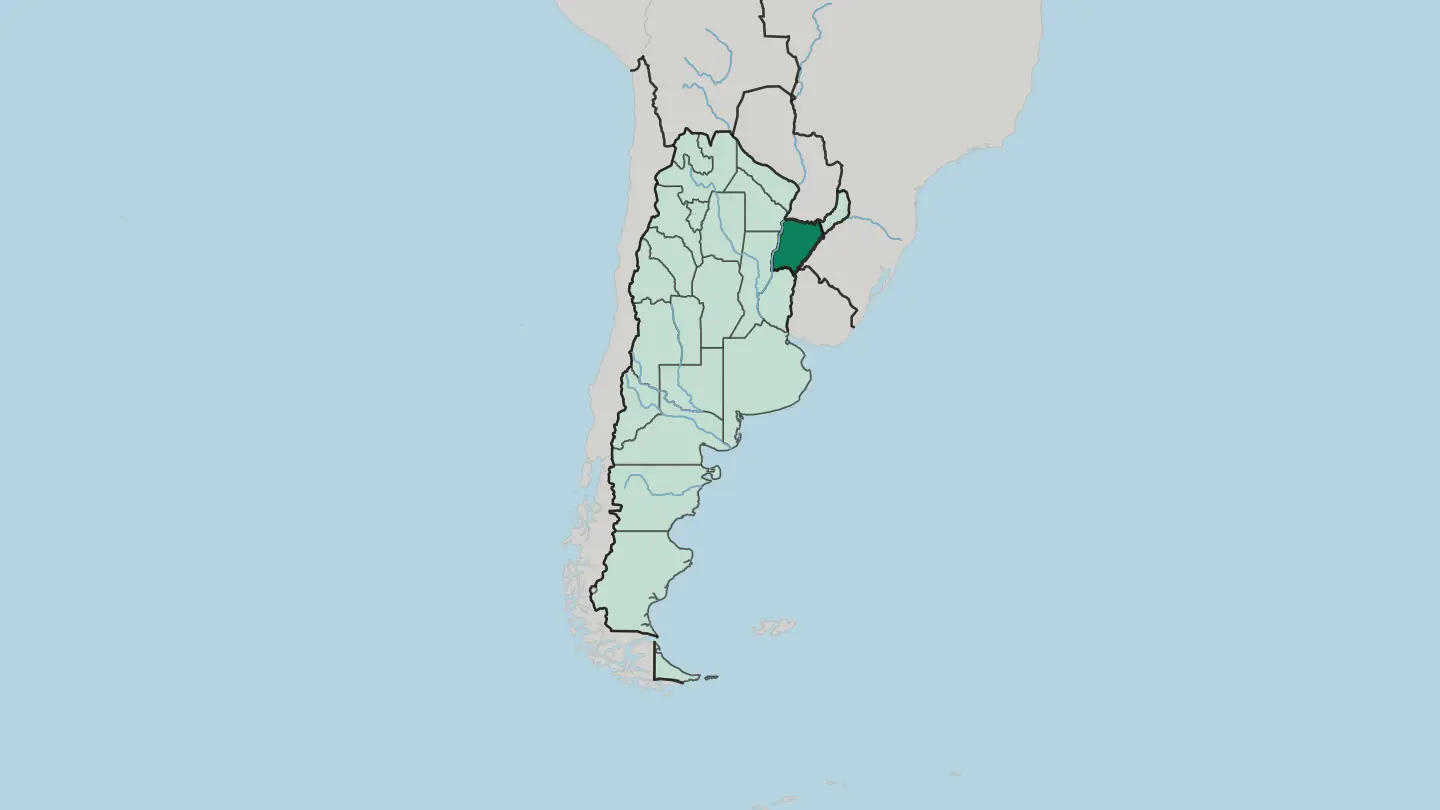 Argentina
Córdoba Province
Córdoba Province sits at the centre of Argentina, where the flat pampas rise into the granite Sierras de Córdoba.Towns & cities →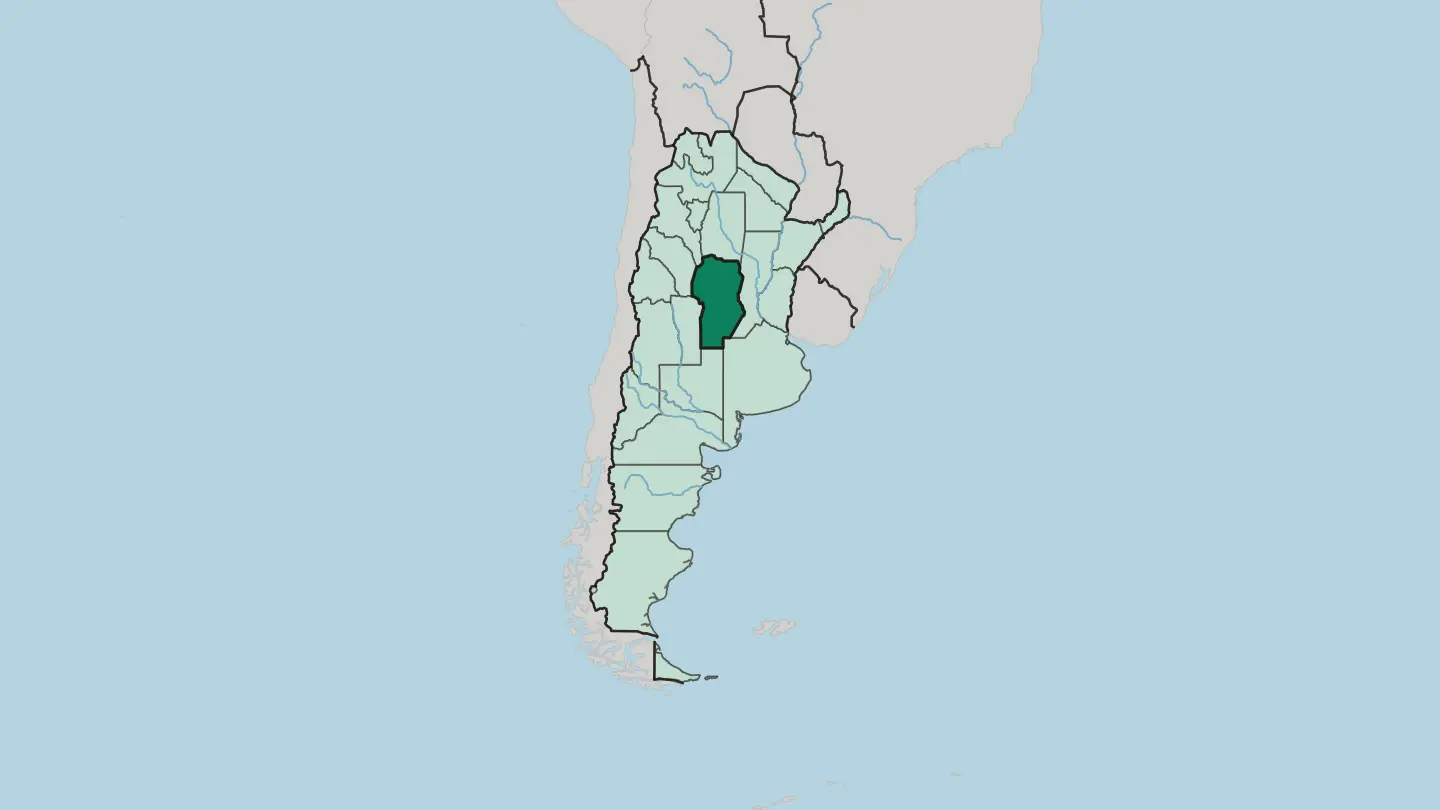
 Argentina
Entre Ríos Province
Entre Ríos is the Argentine province held between the Paraná and Uruguay rivers, its name meaning "between rivers."Towns & cities →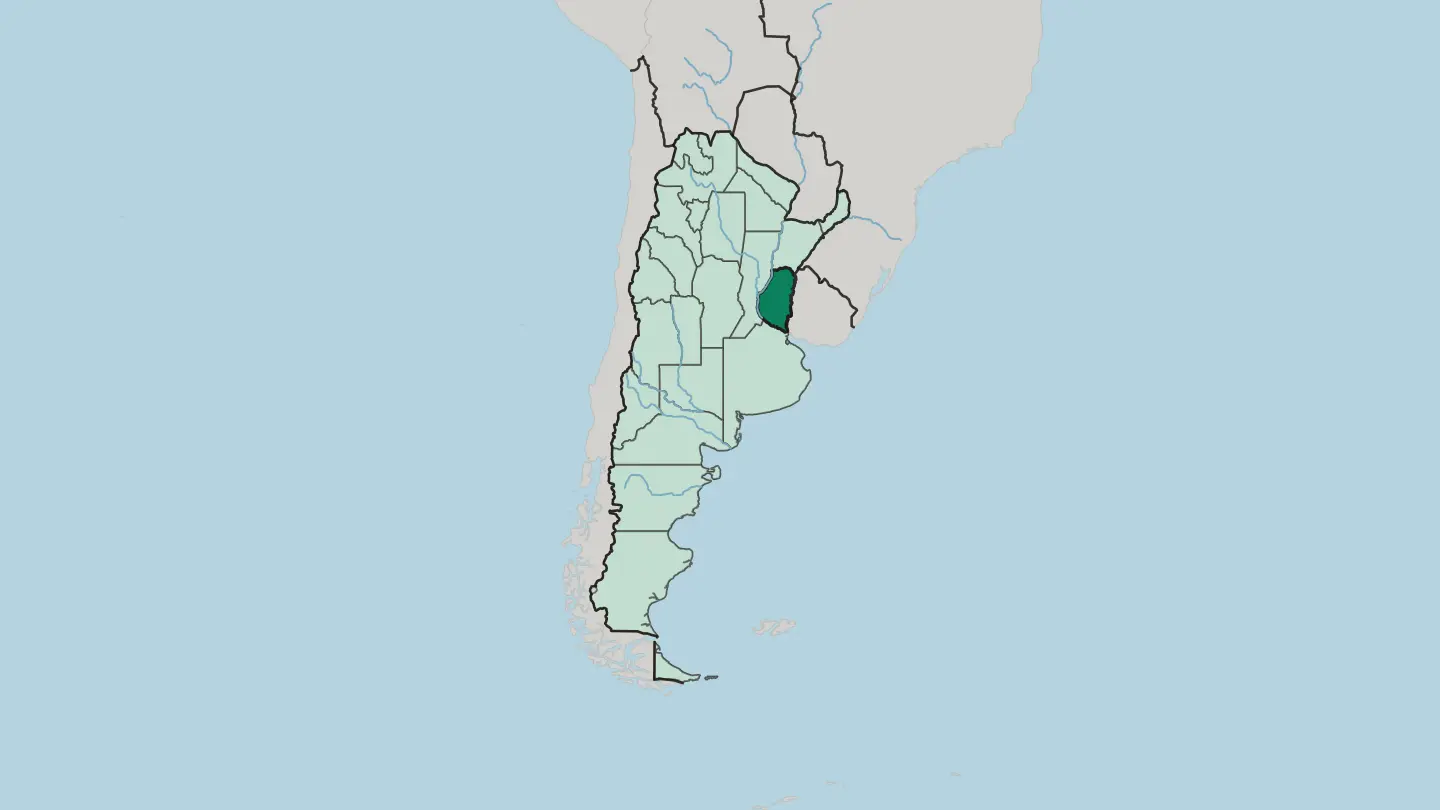
 Argentina
Formosa Province
Formosa Province spreads across the flat Gran Chaco of northern Argentina, wedged between the Bermejo and Pilcomayo rivers.Towns & cities →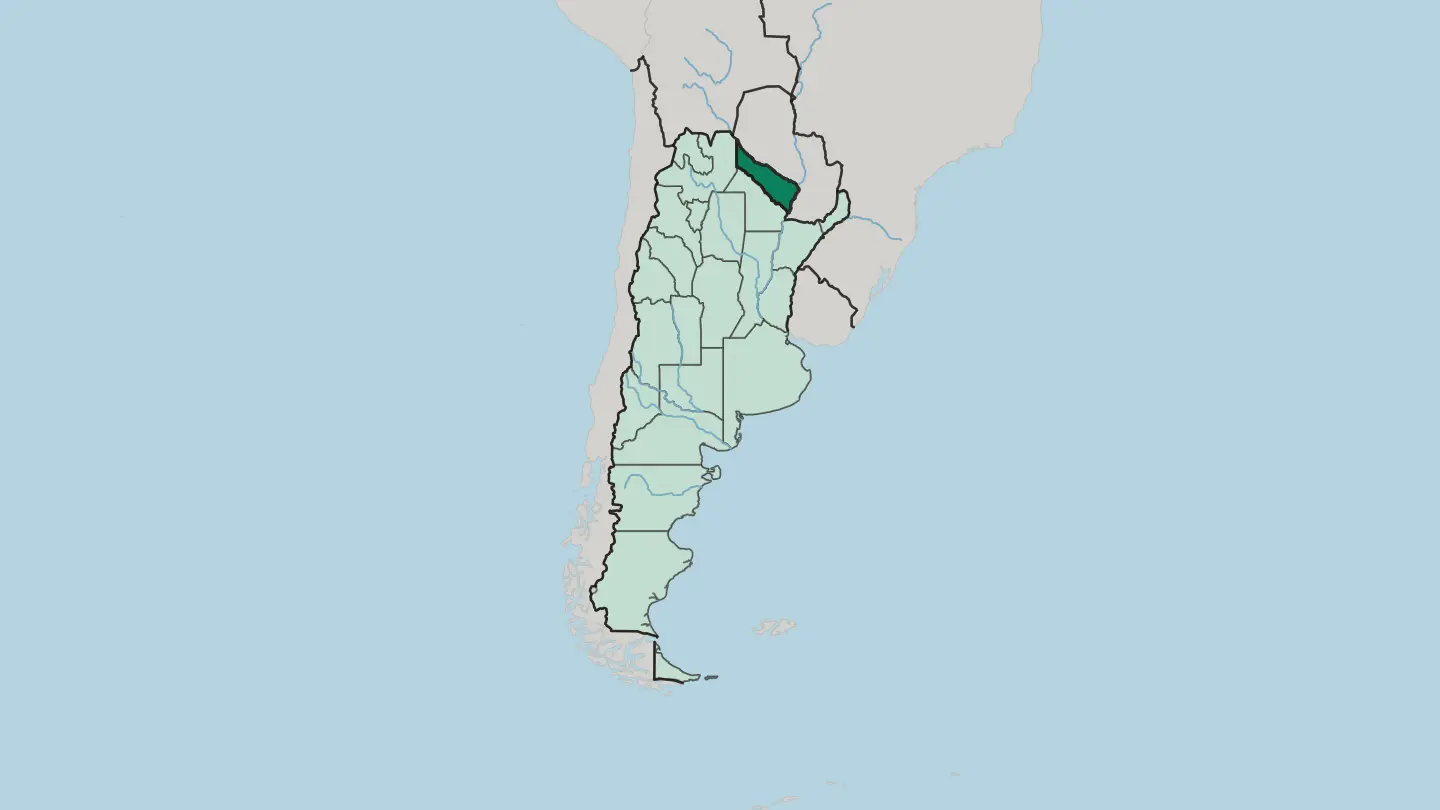
 Argentina
Jujuy Province
Jujuy is Argentina's high-Andean northwest corner, where the Quebrada de Humahuaca climbs from red canyon towns to salt-white puna.Towns & cities →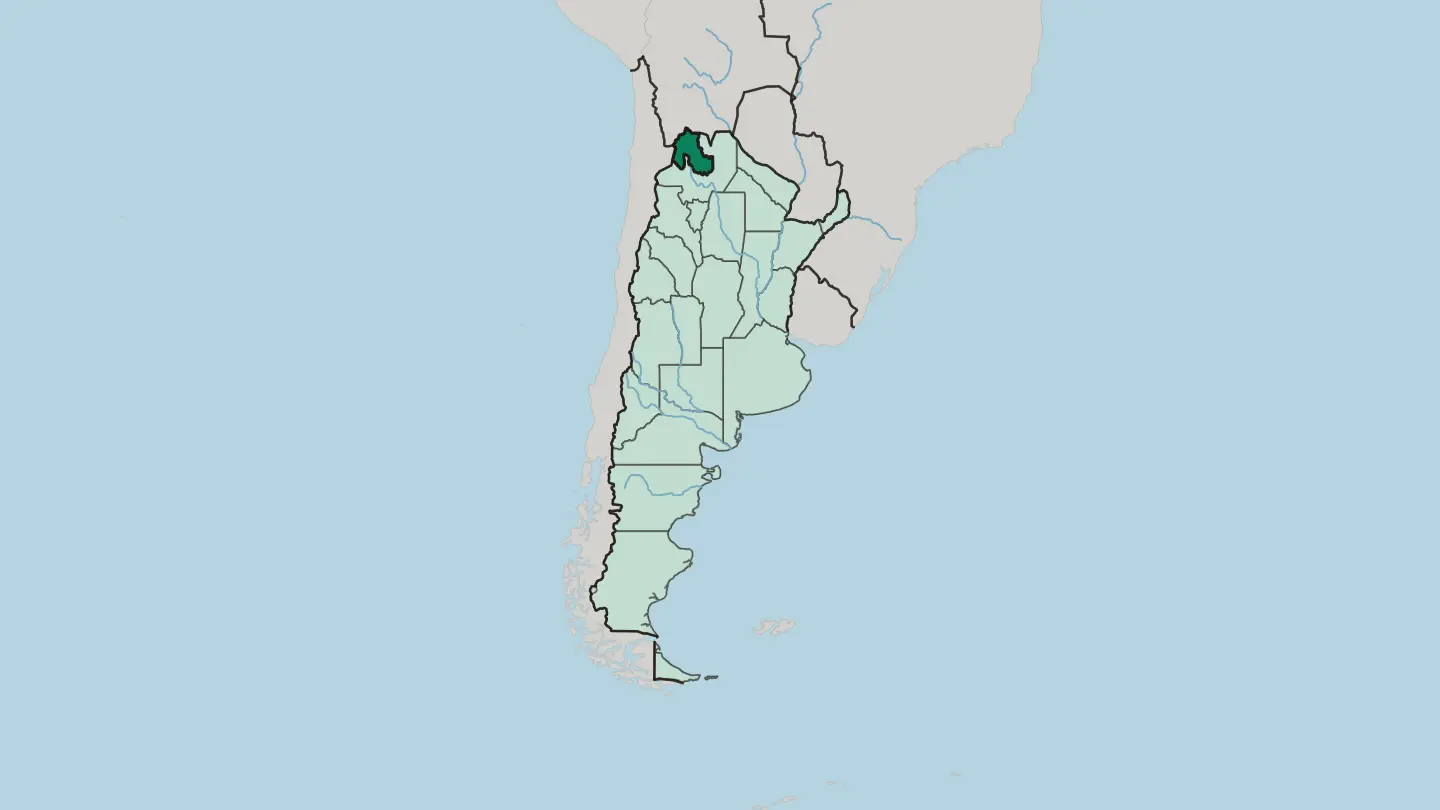 Argentina
La Pampa Province
La Pampa is Argentina's quiet interior province, where the humid grass plain runs west into dry caldén woodland and open range.Towns & cities →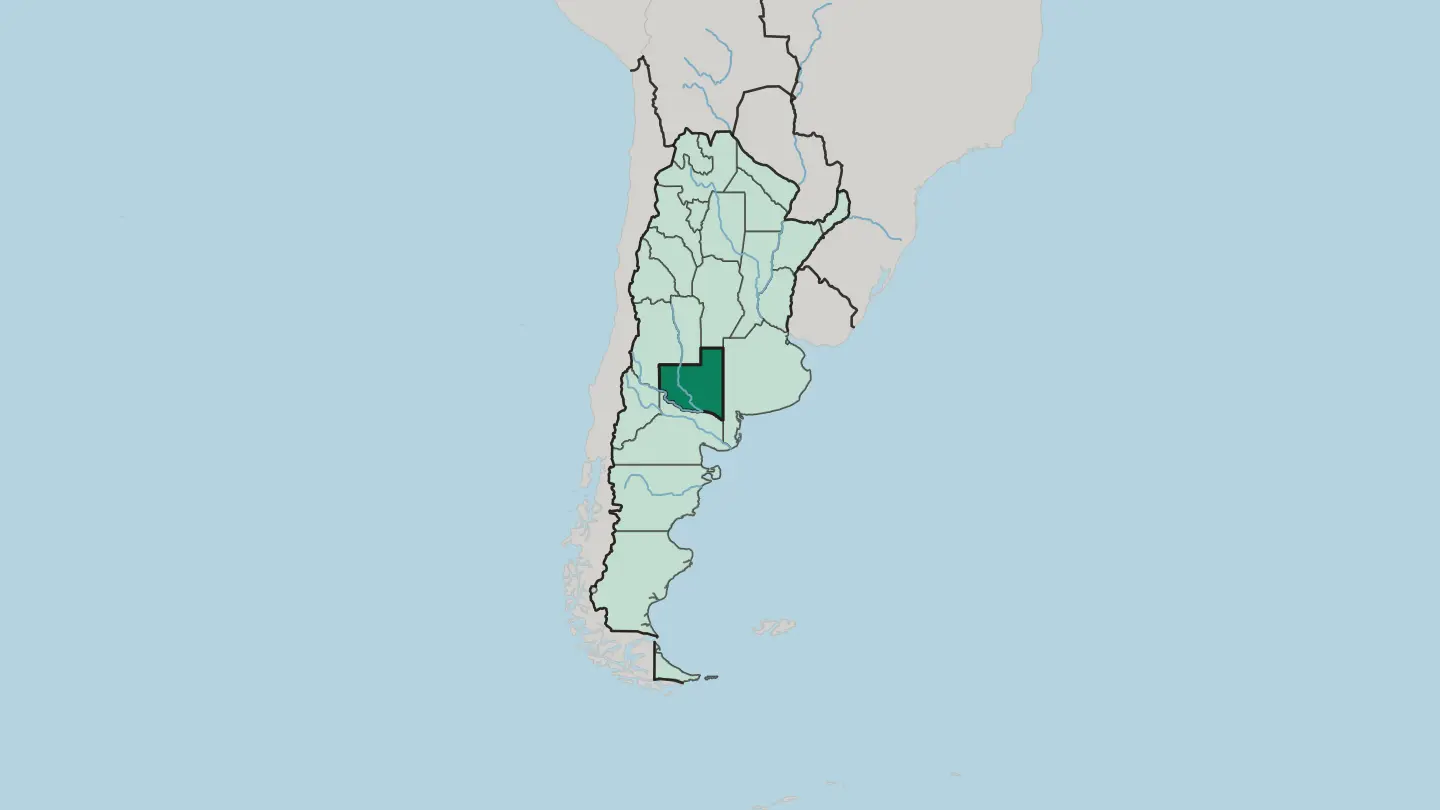
 Argentina
La Rioja Province
La Rioja is an arid province of north-western Argentina, where the Andes give way to red-rock canyons and wine valleys.Towns & cities →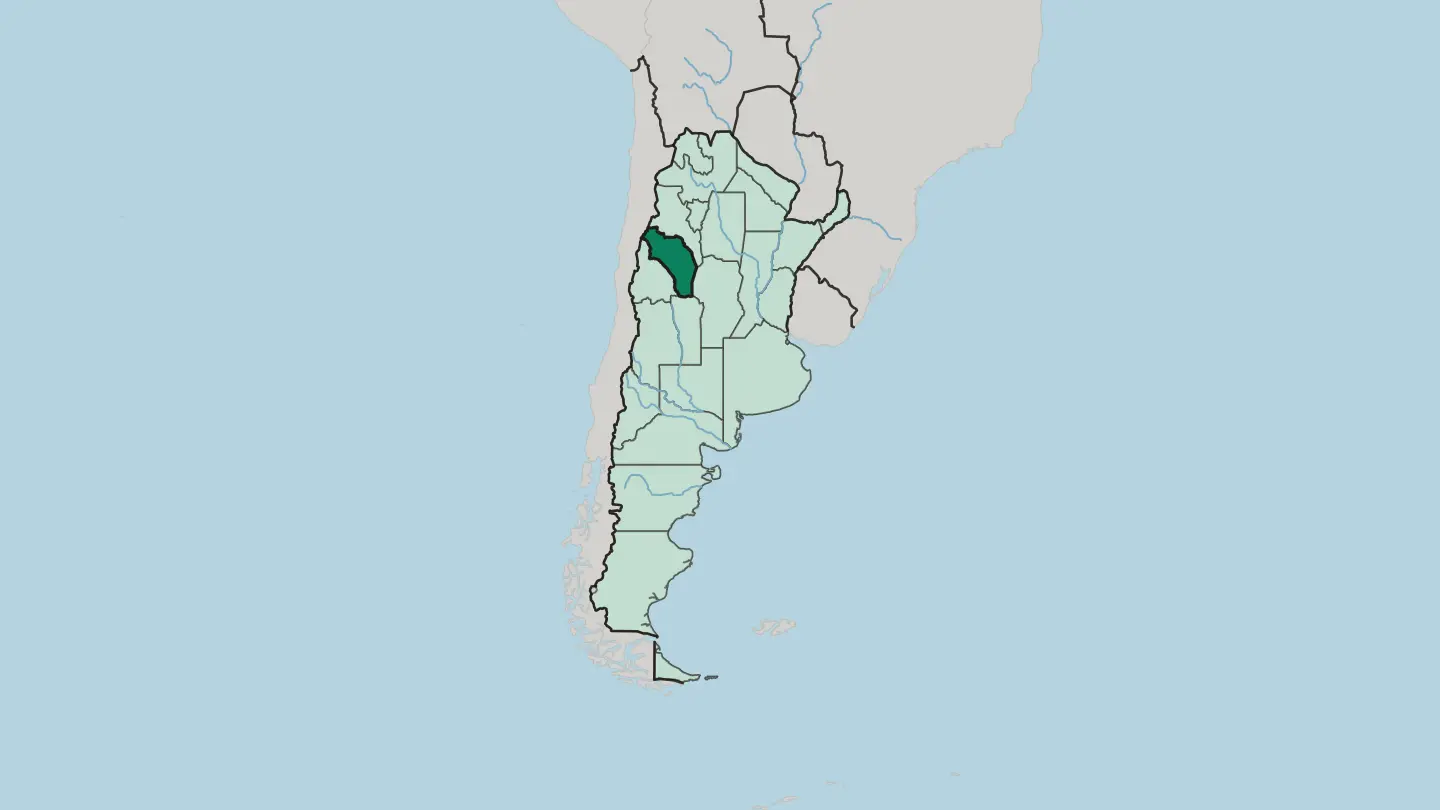 Argentina
Mendoza Province
Mendoza is Argentina's wine province, a high desert under Aconcagua where snowmelt from the Andes turns dry plains into Malbec vineyards.Towns & cities →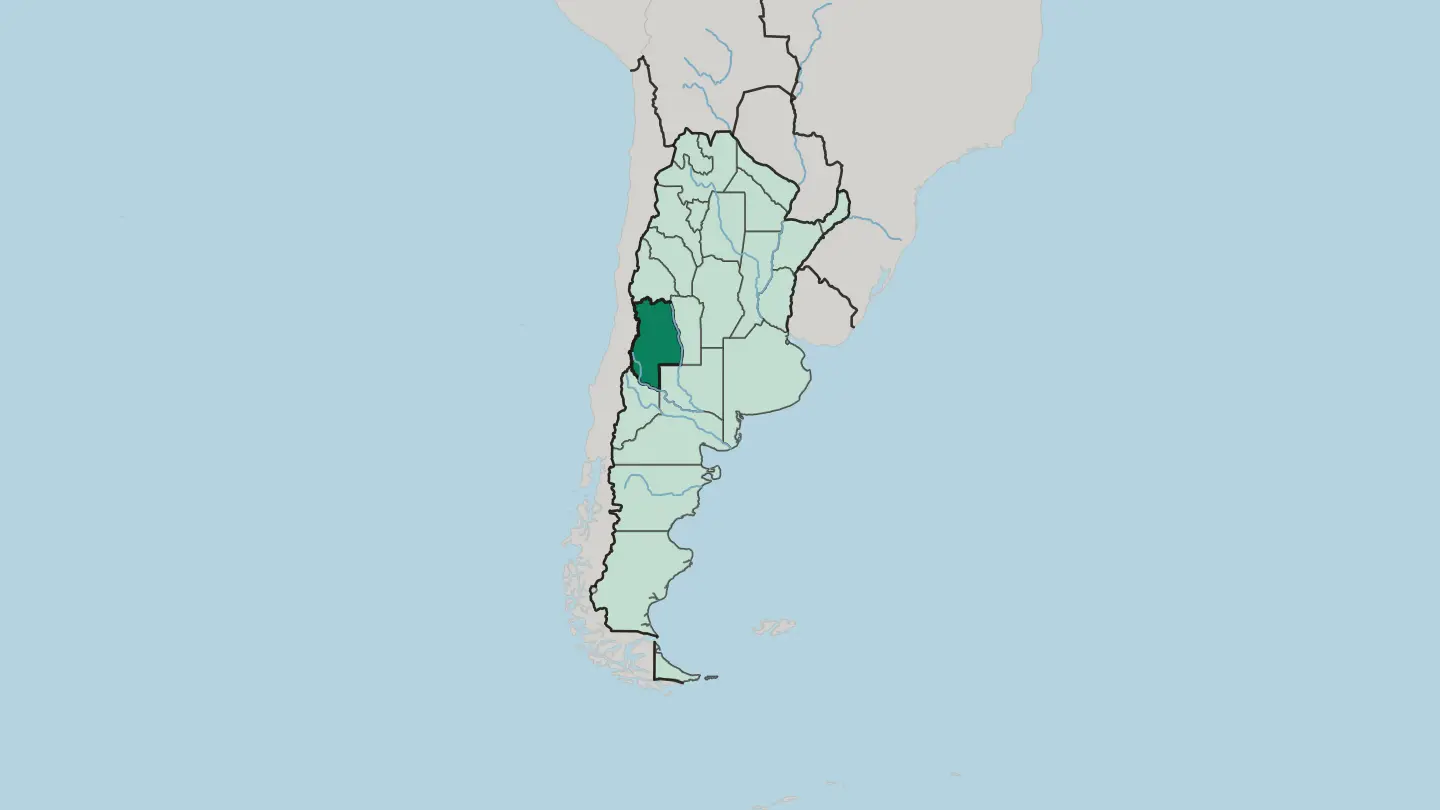
 Argentina
Misiones Province
Misiones is the red-earth province in Argentina's far northeast, wedged between Brazil and Paraguay and home to the Iguazú Falls.Towns & cities →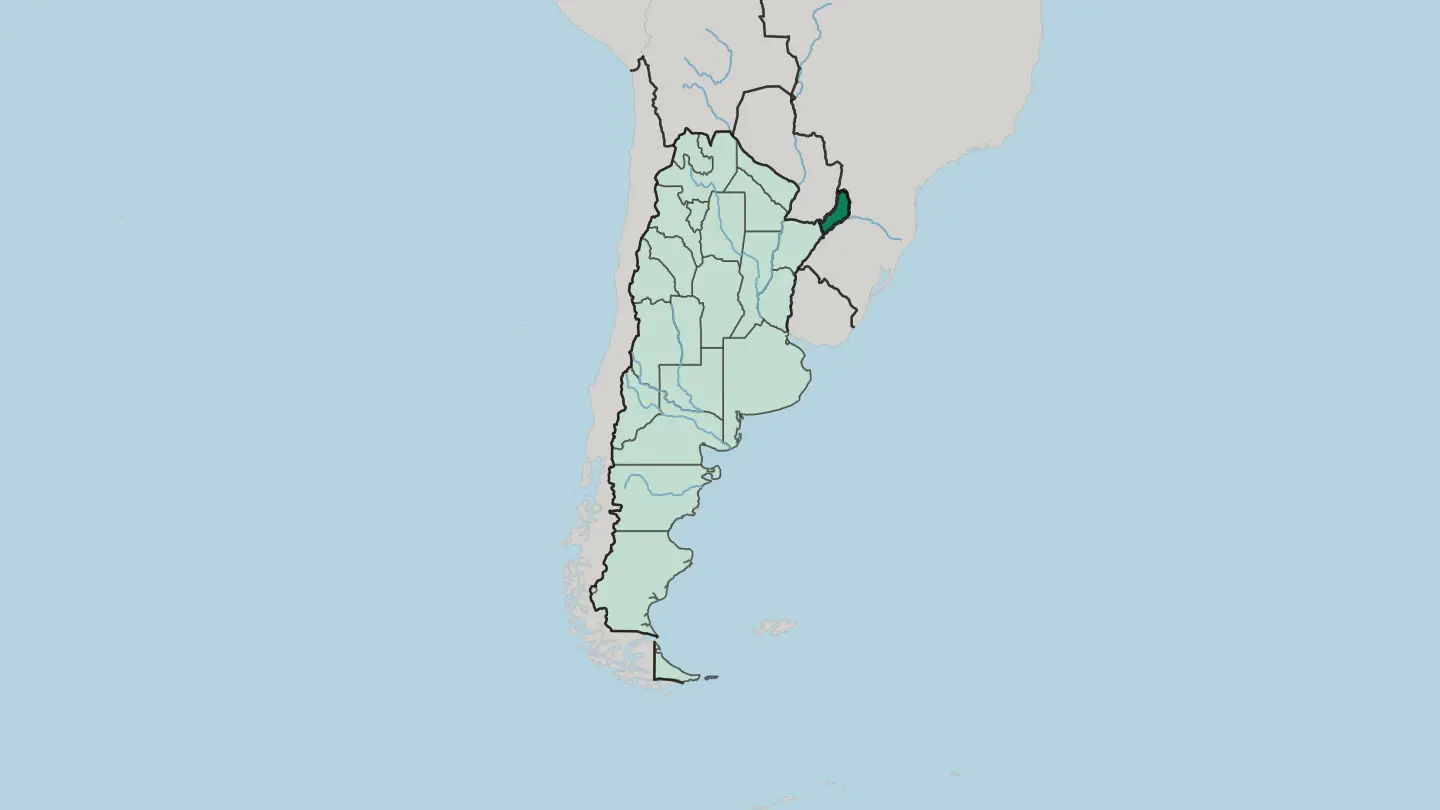 Argentina
Neuquén Province
Neuquén Province anchors the north of Patagonia, running from the arid Argentine steppe up to the volcanoes and lakes of the Andes.Towns & cities →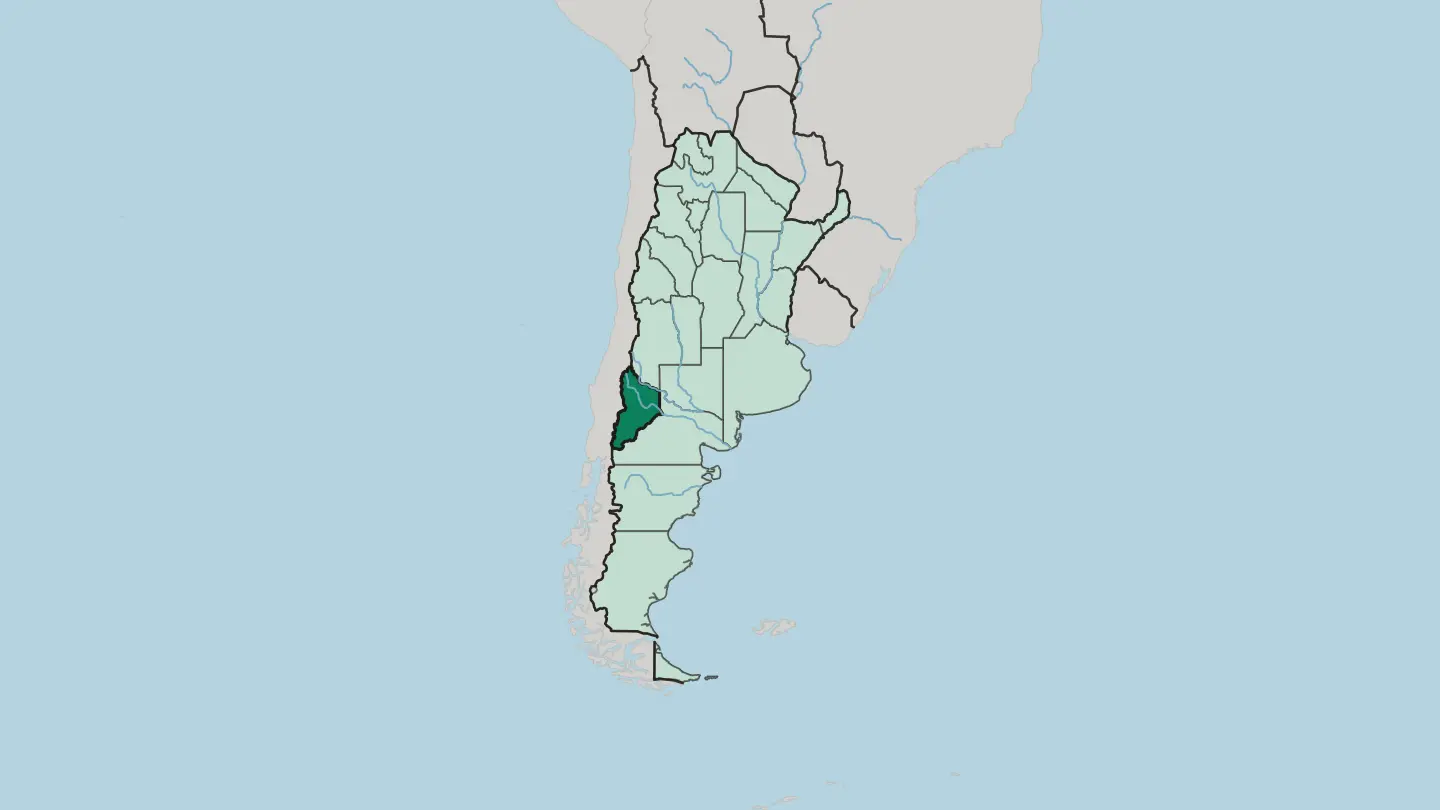 Argentina
Río Negro Province
Río Negro spreads across northern Patagonia, from the Andes near Chile east down the Negro River to the Atlantic.Towns & cities →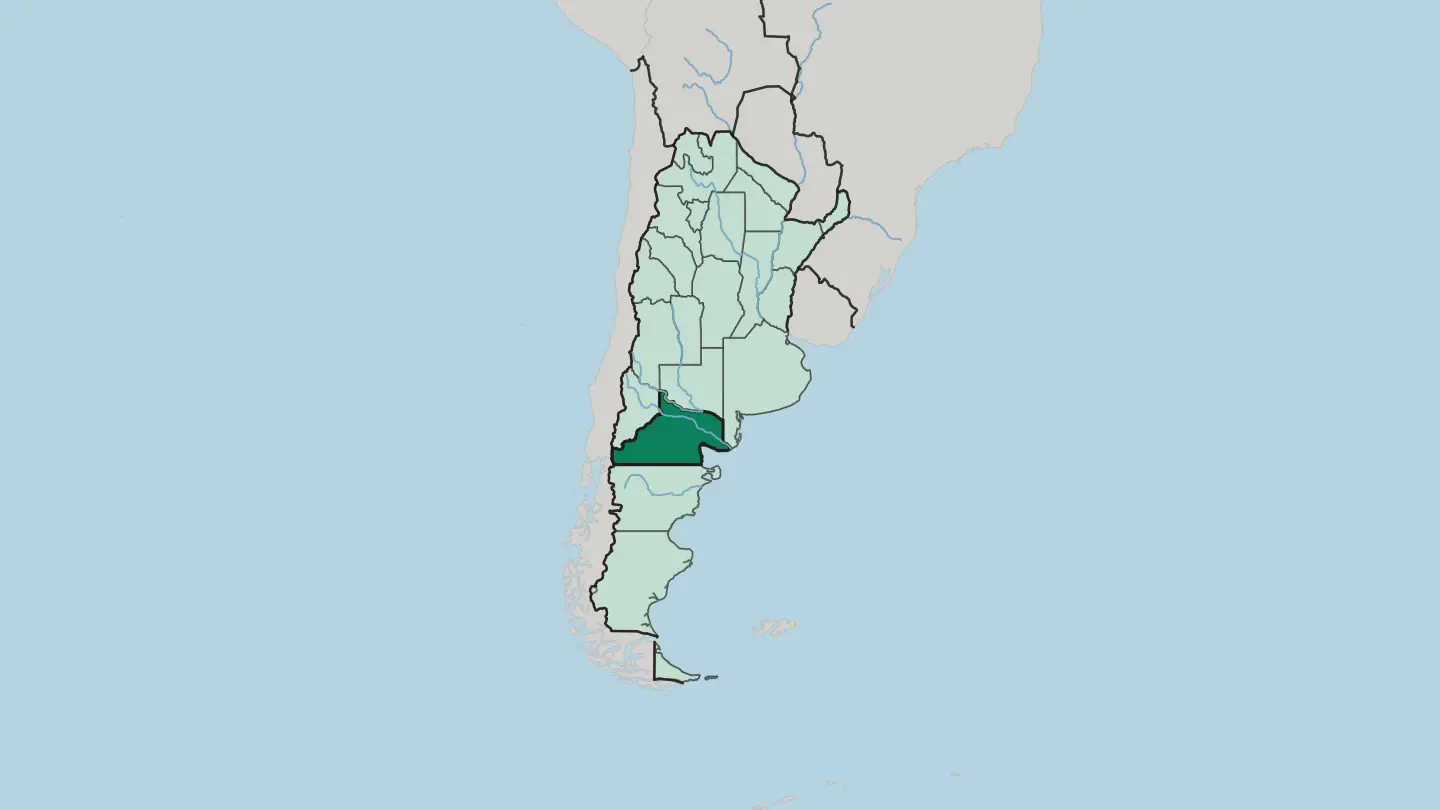 Argentina
Salta Province
Salta fills the northwest corner of Argentina, where the Andes drop through the wine-terraced Calchaquí Valleys toward the Gran Chaco plain.Towns & cities →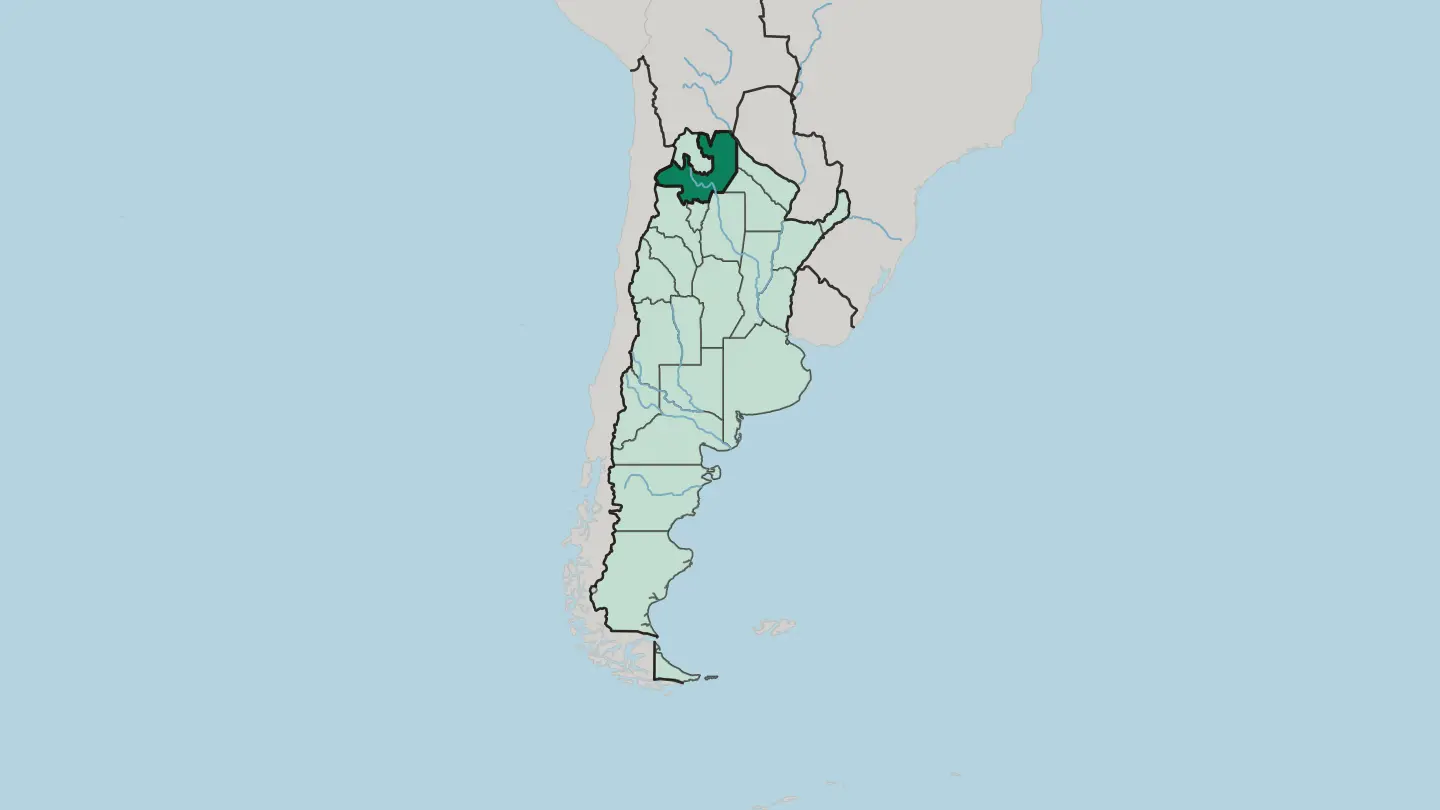
 Argentina
San Juan Province
San Juan is Argentina's high desert of vineyards and Triassic badlands, a sun-baked province of oasis towns pressed against the Andes.Towns & cities →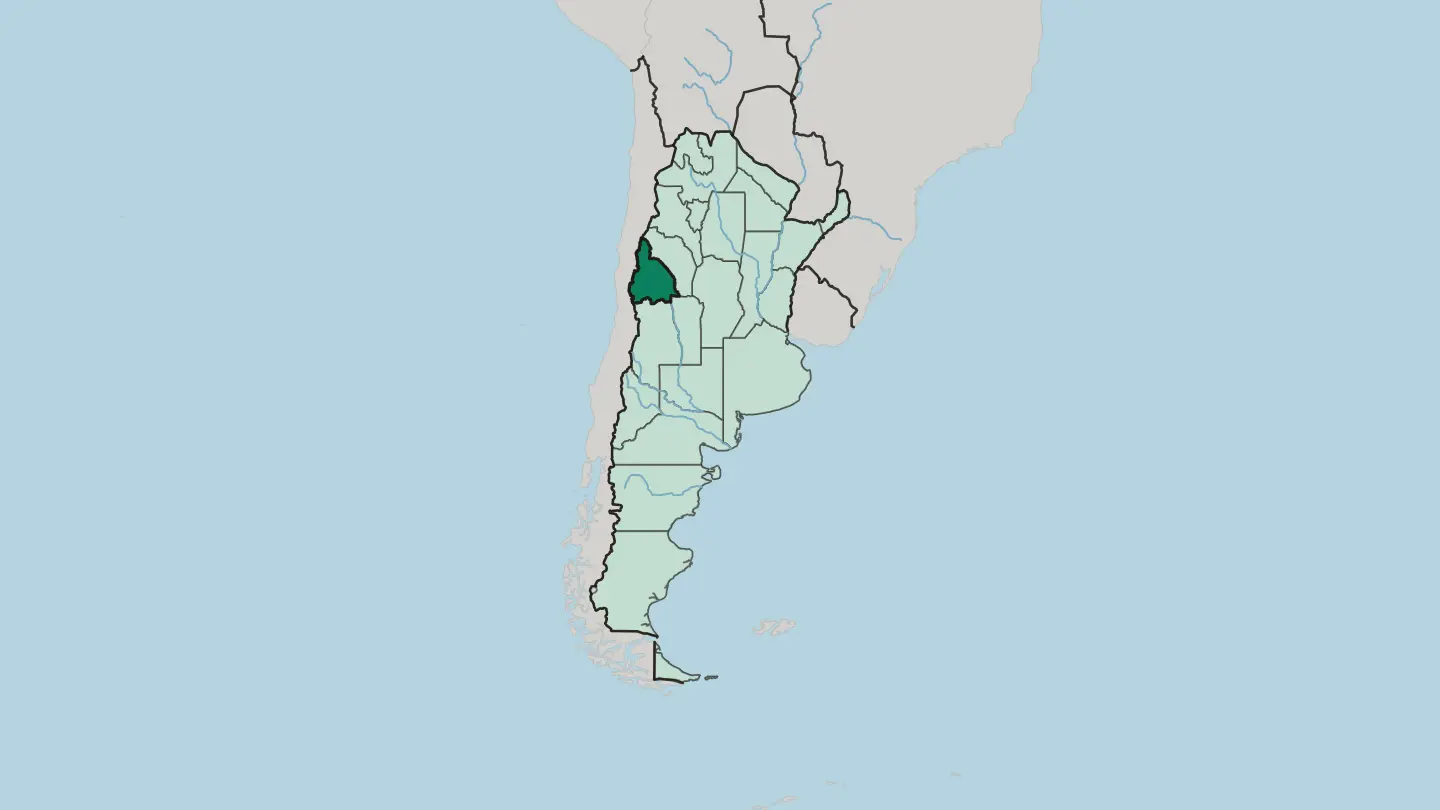
 Argentina
San Luis Province
A landlocked province near the centre of Argentina, where the Cuyo plains rise into the Sierra de San Luis and the Comechingones.Towns & cities →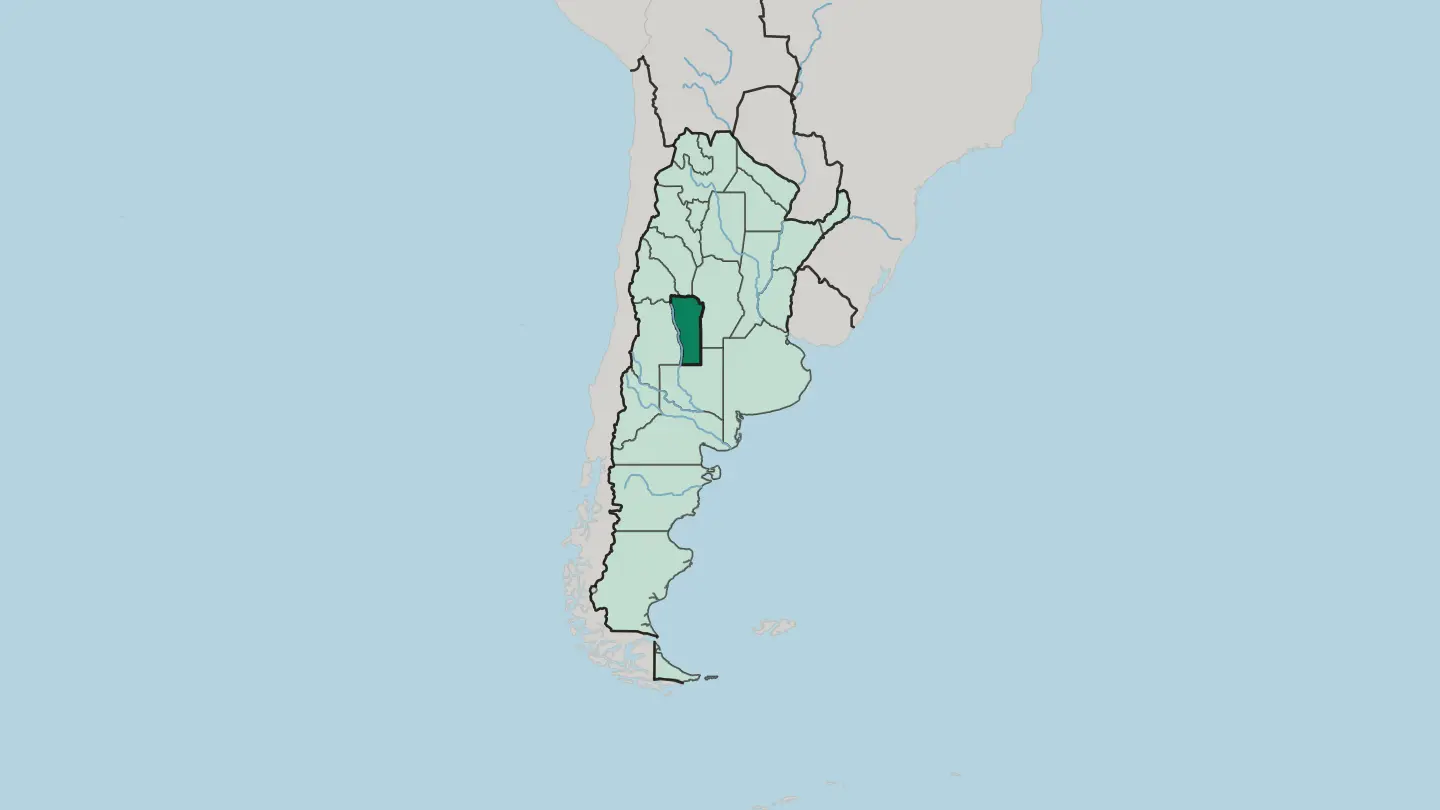 Argentina
Santa Cruz Province
Santa Cruz spreads across Argentina's far south, the Patagonian province of the Perito Moreno Glacier and the granite towers of Mount Fitz Roy.Towns & cities →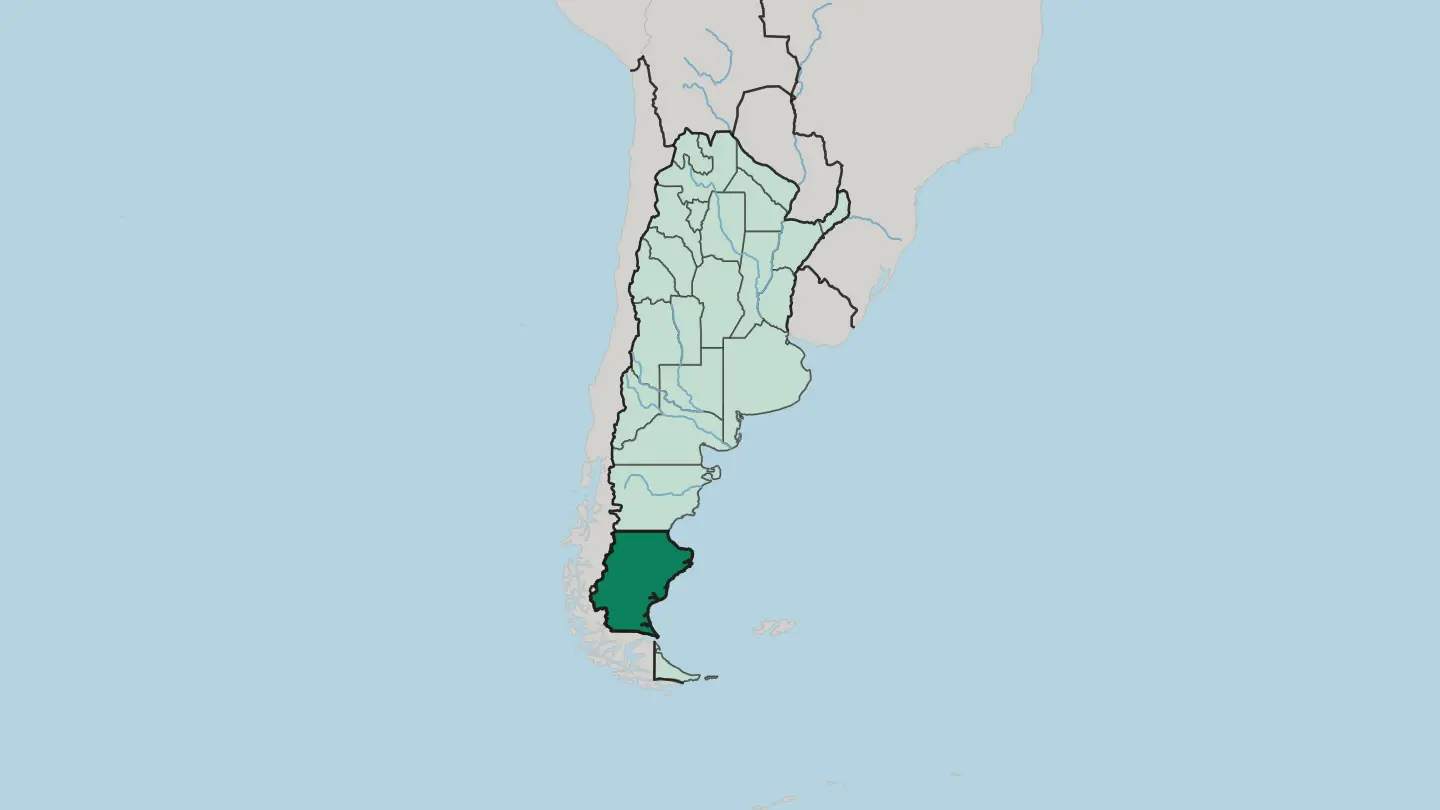 Argentina
Santa Fe Province
Santa Fe is Argentina's grain-heartland province on the Paraná River, running from the port of Rosario up to the flag's birthplace.Towns & cities →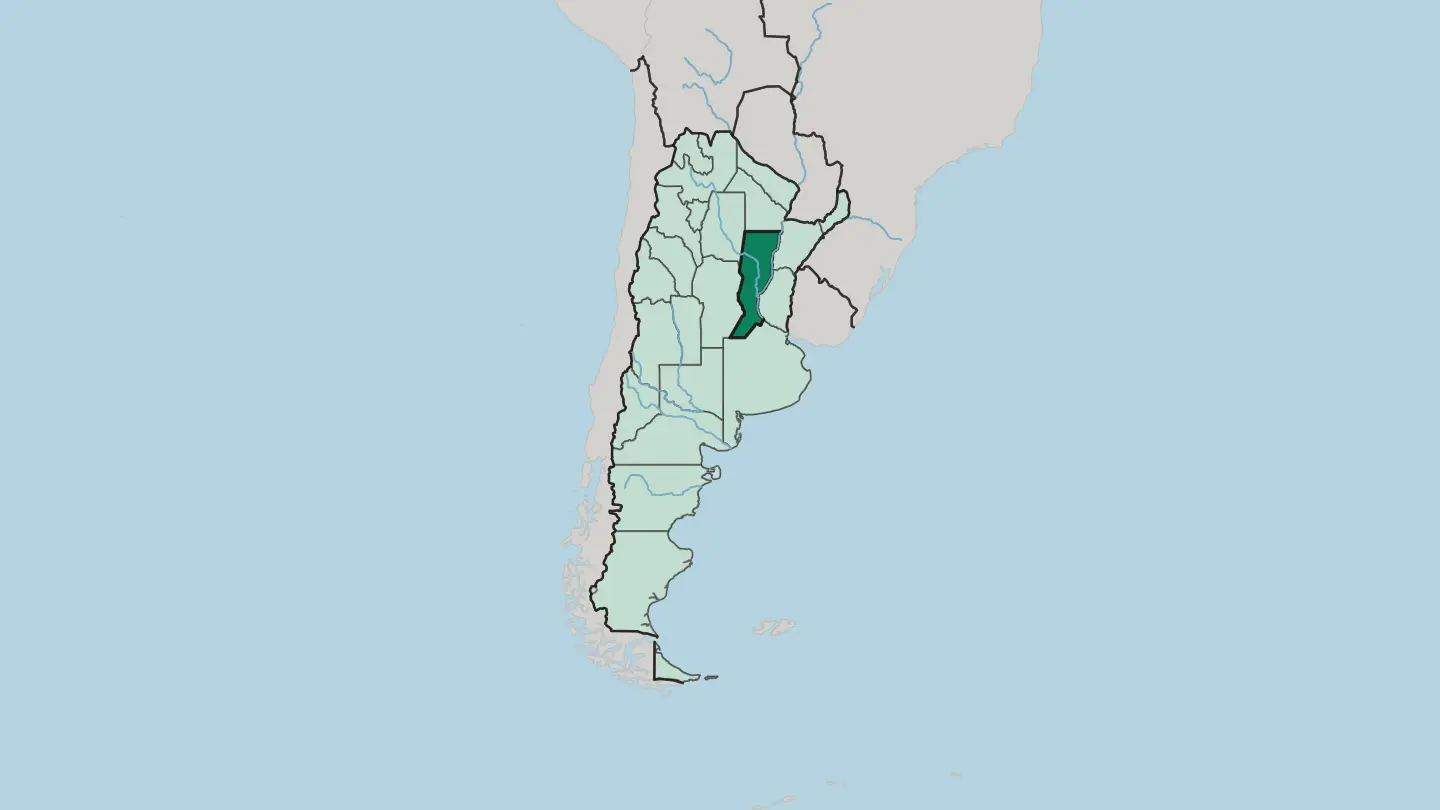
 Argentina
Santiago del Estero Province
Santiago del Estero is Argentina's oldest province, a hot Gran Chaco plain crossed by the Río Dulce and Río Salado.Towns & cities →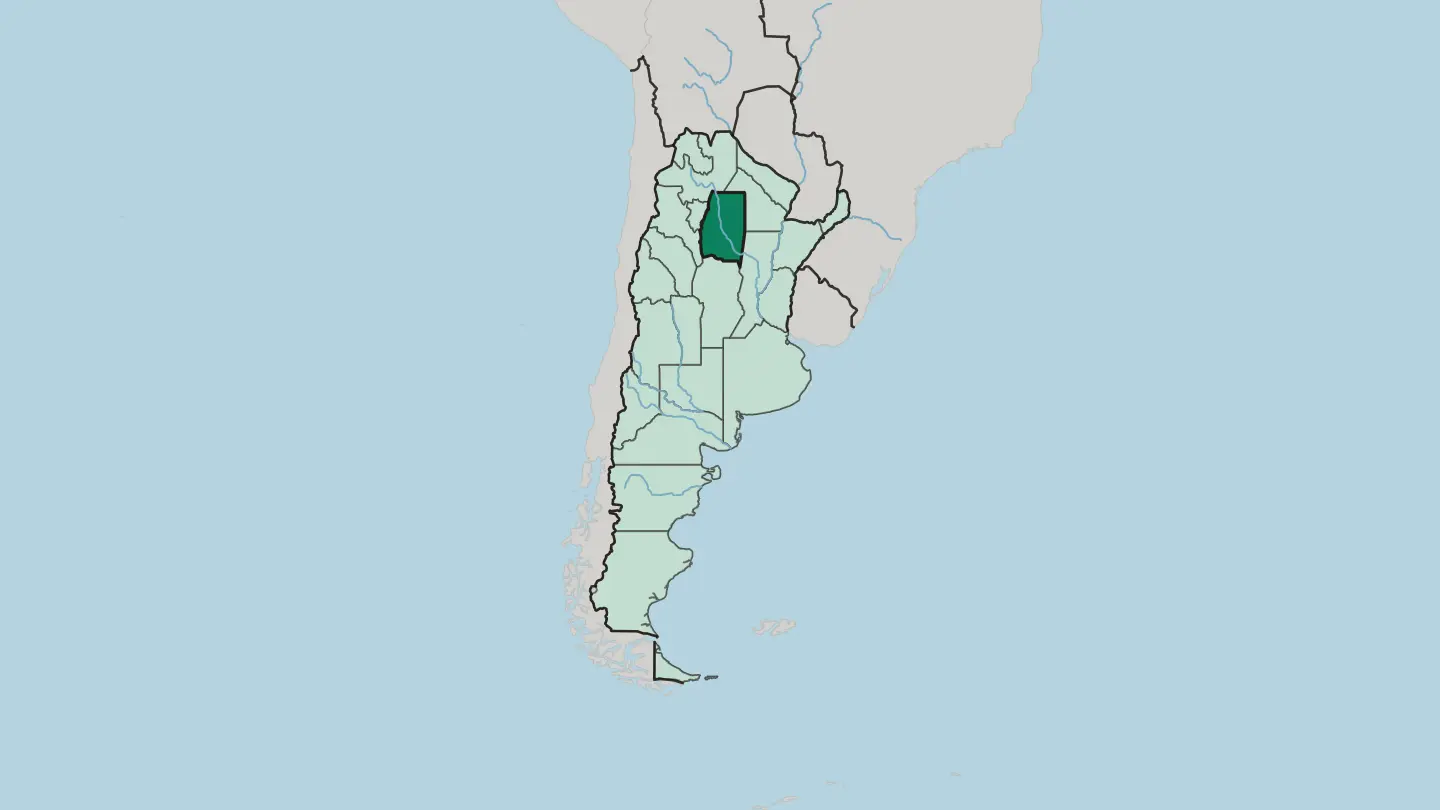 Argentina
Tierra del Fuego Province
Tierra del Fuego Province is the far southern province of Argentina, covering the Argentine part of Tierra del Fuego island along the Beagle Channel.Towns & cities →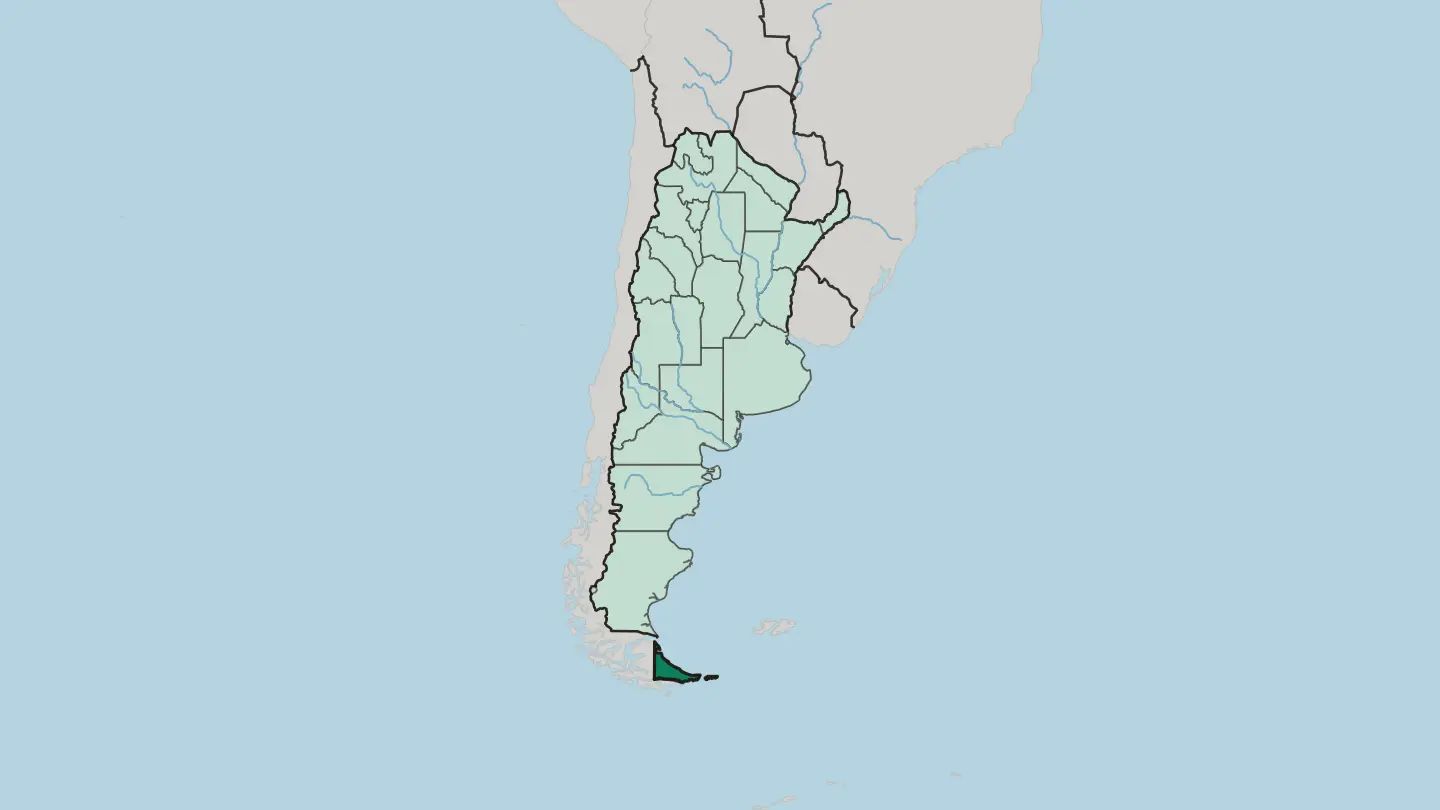
 Argentina
Tucumán Province
Tucumán is Argentina's smallest mainland province, where the Andes drop into sugarcane plains and the 1816 independence oath was signed.Towns & cities →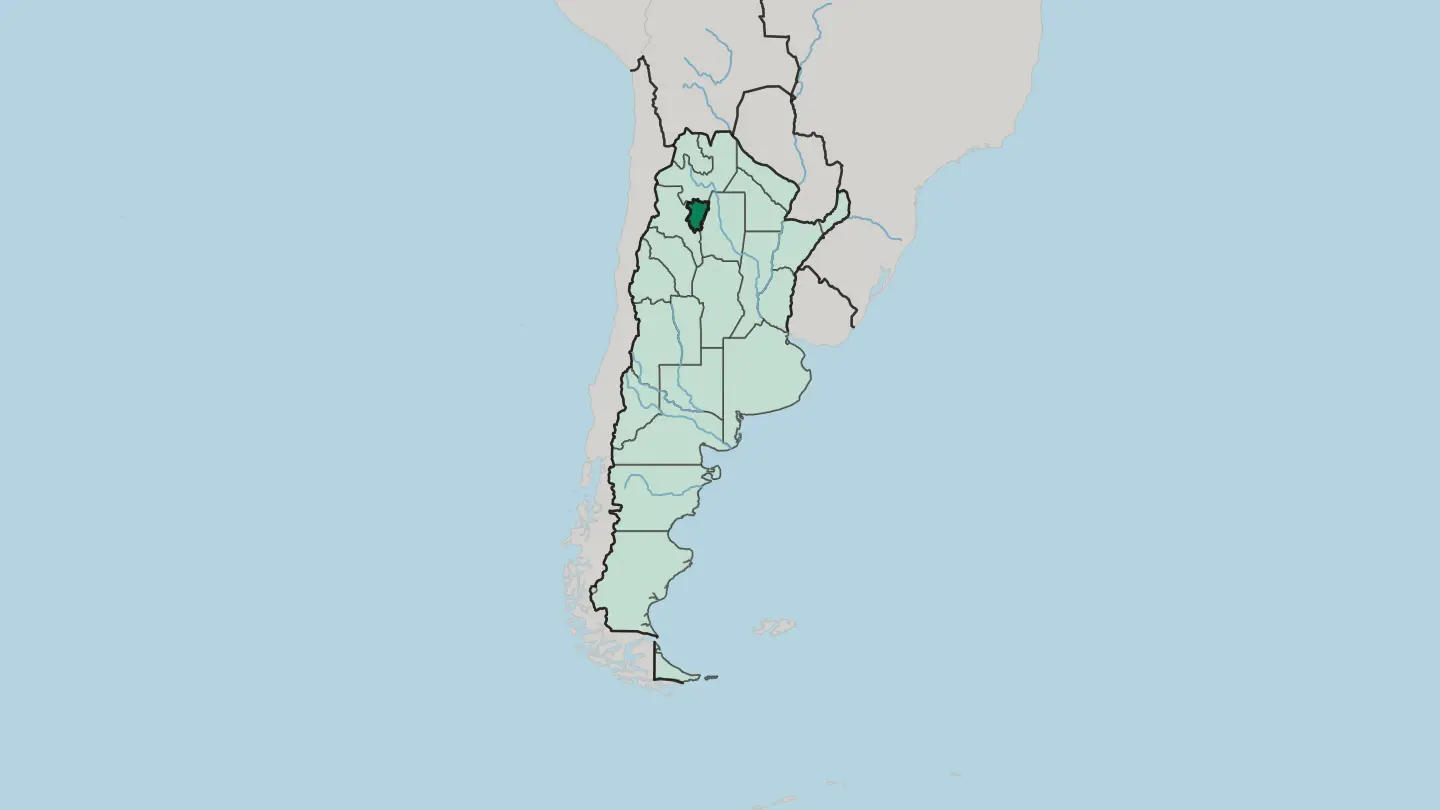
Explore by experience
Not sure which place? Start from how you want to travel.

About Argentina
What is Argentina known for?
Argentina is known for landscapes that shift from northern jungle to the great grass plains of its centre and the frozen mountains of the south. It shares the Southern Cone with Chile. The country ranks as the second-largest in South America and the fourth-largest in the Americas, and its federal capital, Buenos Aires, is also its largest city.
Diversity of climate and terrain defines it.
Where is Argentina?
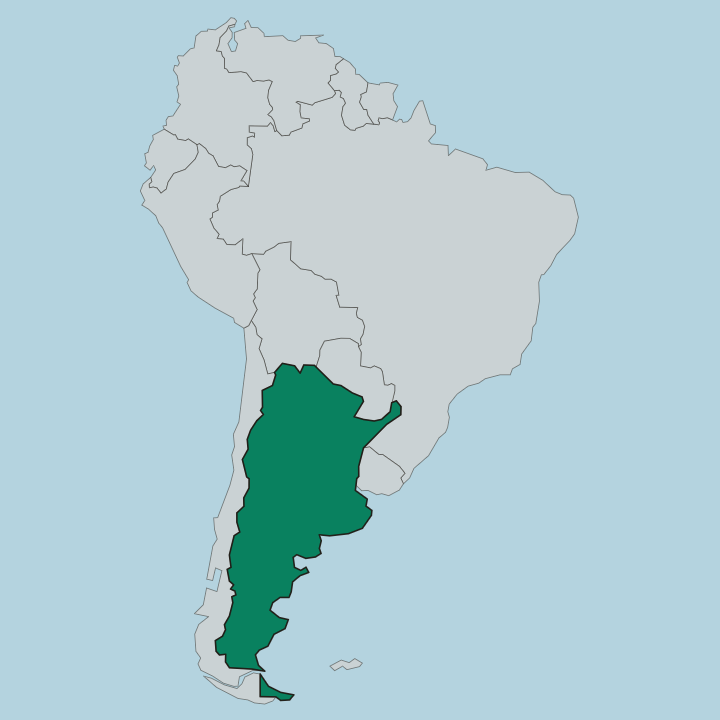
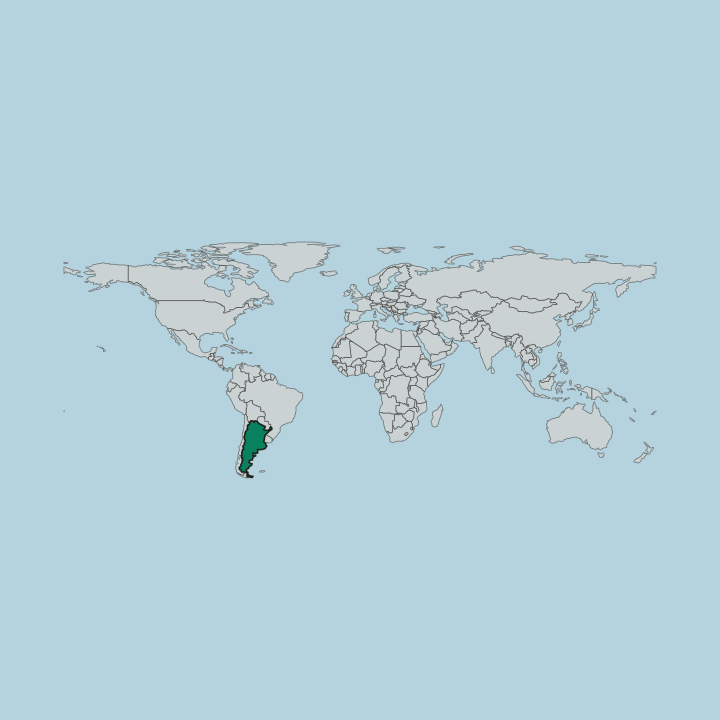
Argentina occupies much of the Southern Cone of South America, the second-largest country on the continent after Brazil. Along the west, the long border with Chile divides the Southern Cone between the two nations. Chile runs down the entire western side; Bolivia and Paraguay lie to the north; Brazil sits to the northeast; and Uruguay and the South Atlantic Ocean close the eastern edge, with the Drake Passage at the far south.
The land is vast. It carries subtropical jungle across the north, opens into the great grass plains that fill the centre, and rises into frozen mountains along the south and west. That range of terrain gives the country one of the widest spreads of climate and landscape in the Americas.
The South Atlantic shapes the whole eastern coast. Argentina also claims sovereignty over the Falkland Islands, South Georgia and the South Sandwich Islands, the Southern Patagonian Ice Field, and a part of Antarctica. To the far south lies the Drake Passage, the rough sea reach toward the polar continent.
What is the history of Argentina?
Argentina traces its modern state to the declaration of independence in 1816, when the republic took its formal shape. The name endures in two forms: the Argentine Republic in English, and República Argentina in Spanish. Independence was only the beginning.
From it grew a federal state, one that would eventually bind twenty-three provinces and a single autonomous city, Buenos Aires, under one national system. Each province holds its own constitution. The capital and the provinces alike govern locally while remaining bound to the federal government, a structure written to balance the whole against its parts.
Buenos Aires became both the federal capital and the largest city of the nation. That double role placed the city at the centre of Argentine political life. The Southern Cone country that emerged stretched across a vast territory, from the northern borderlands it shares with Bolivia and Paraguay to the far southern reach toward Antarctica.
What is Argentina like?
Argentina carries a culture shaped by Spanish, the language spoken across its twenty-three provinces and the autonomous city of Buenos Aires. Region matters here. A federal system leaves each province with its own constitution, so local identity runs strong from the subtropical north to the frozen south.
The great grass plains of the centre hold a way of life built around open country, distinct from both the northern jungle provinces and the southern mountain reaches. Buenos Aires, the largest city, draws the threads of national life together as the federal capital. Spanish binds the whole.
Across a territory that ranks among the largest in the Americas, a shared language and a shared federal identity hold together landscapes and communities that could hardly differ more. The Southern Cone setting, split with Chile to the west, frames how the country sees itself within South America.
What is the climate of Argentina?
Argentina spans one of the widest climate ranges in South America. The north is subtropical. Warm, humid air holds jungle across the northern provinces, while the central grass plains keep a temperate climate of warm summers and mild winters.
Far south, the mountains turn cold. Along the western heights and toward the polar south, snow and frost hold through much of the year, so one season can feel entirely different from the north to the far south.
How do you get to Argentina?
Most international travel to Argentina arrives through Buenos Aires, the federal capital and the country's largest city. Land borders reach in from every neighbour: Chile along the west, Bolivia and Paraguay to the north, Brazil to the northeast, and Uruguay to the east. The distances are large.
Crossing from the subtropical north to the frozen south spans much of a continent, so onward travel within the country covers long stretches of plain and mountain. The South Atlantic coast opens the eastern side to sea approaches.
Good for
Updated September 2026