Argentina · Corrientes Province
Where to Stay in Corrientes, Corrientes Province
Corrientes is a subtropical river city on the Paraná in northeastern Argentina, the capital of Corrientes province and a heartland of folk music.
Hotel links are affiliate links: booking through them may earn us a commission, at no extra cost to you. It never affects how places are ranked. How this works


Where to stay in Corrientes
The practical side of choosing where to sleep.
Where you stay in Corrientes turns on the river and the centre. The old streets around the cathedral and the costanera keep the churches, the museums, and the riverside within a walk, and staying downtown suits anyone here for the city. The costanera fills on warm nights.
Rooms look out over the Paraná. Out toward the newer districts and the bridge, the city spreads into wider streets. A room away from the centre trades the old lanes for space, parking, and an easy way over to Resistencia.
The flat river country opens past the edge. If you want the river and the churches, stay in the centre; if you want space, take a room outside. Whichever you choose, the Paraná is never far.
Find hotels in Corrientes
Direct booking searches for these neighbourhoods.
The centre
Around the cathedral and the costanera, within a walk of the museumsFind hotels in The centreStays wanting space and the bridge to ResistenciaNewer districts
Away from the centre toward the bridge, an easy way over to ResistenciaFind hotels in Newer districtsHotel links are affiliate links: booking through them may earn us a commission, at no extra cost to you. It never affects how places are ranked. How this works
Things to do in Corrientes
Ranked by global recognition; descriptions from Wikidata (CC0).
Museums & Galleries
3- Casa Molinas - museum of historical and archaeological site
- Historical Museum of Corrientes Tte. of Gdor. Manuel Cabral De Melo and Alpoín
- Museo Provincial De Bellas Artes Dr. Juan Ramón Vidal
Churches & Religious Sites
3- Iglesia Santísima Cruz de los Milagros Heritage
- Our Lady of the Rosary Cathedral, Corrientes
- church of La Merced
Stadiums & Sports
2- Estadio José Antonio Romero Feris
- Estadio Leoncio Benítez
worth knowingacross 3 categories in Corrientes
About Corrientes
Corrientes is a city of the river and the chamamé.
What is Corrientes known for?
It stands on the high bank of the great Paraná, its colonial streets and old churches looking down on the water, and it is the heartland of the chamamé, the accordion folk music of the region, with one of the country's liveliest carnivals. The wide river slides past the town. Music and river mark the city.
What are the main landmarks in Corrientes?
The cathedral crowns the old centre of Corrientes. Its towers rise over the main plaza, near the river, the emblem of the city, in the colonial quarter. A famous shrine draws the faithful.
The church of the Cruz de los Milagros keeps a miraculous cross, while La Merced and the museums along the costanera mark the old town by the Paraná.
What is the history of Corrientes?
Corrientes was founded as a Spanish town on the river. The Spanish laid it out in 1588 on the high bank of the Paraná, at a bend where seven currents met and gave the town its name, and it grew as a river port and a frontier of the missions. Guaraní ways shaped its soul.
The native Guaraní people mixed with the settlers, and their language and music took deep root, giving rise in time to the chamamé that the province is famous for. The river ruled its life. Corrientes lived by the trade of the Paraná, shipping timber, cattle, and cotton down to the sea, and its people built churches, a cathedral, and a shrine to a miraculous cross.
Music and carnival filled its streets. The city became the heart of the chamamé and one of the great carnival towns of Argentina, its costanera alive on summer nights. The old churches still line the streets.
Corrientes keeps its river and its music in the northeast.
Where is Corrientes?
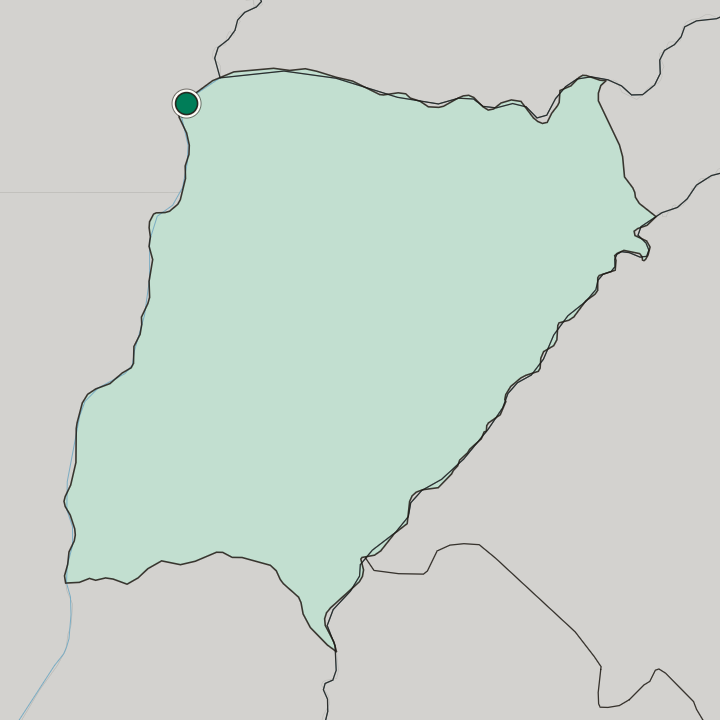
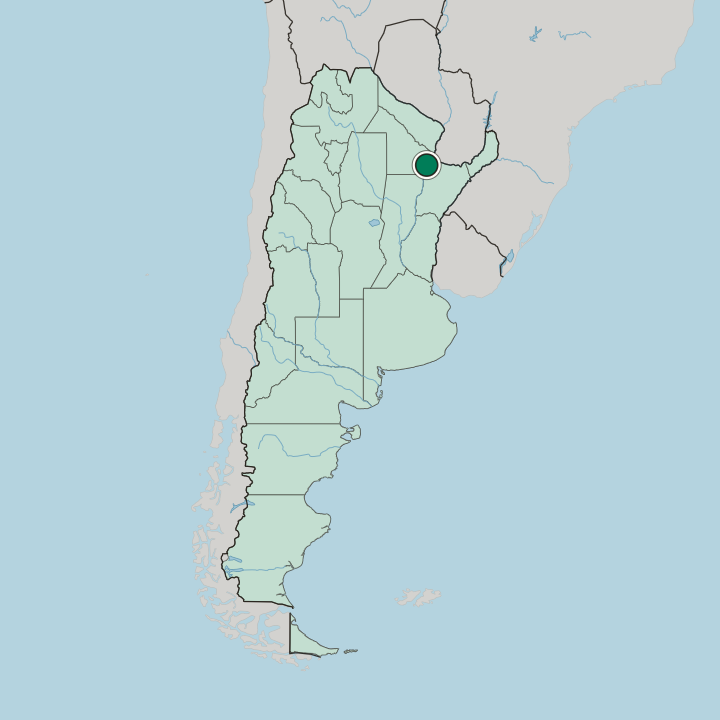
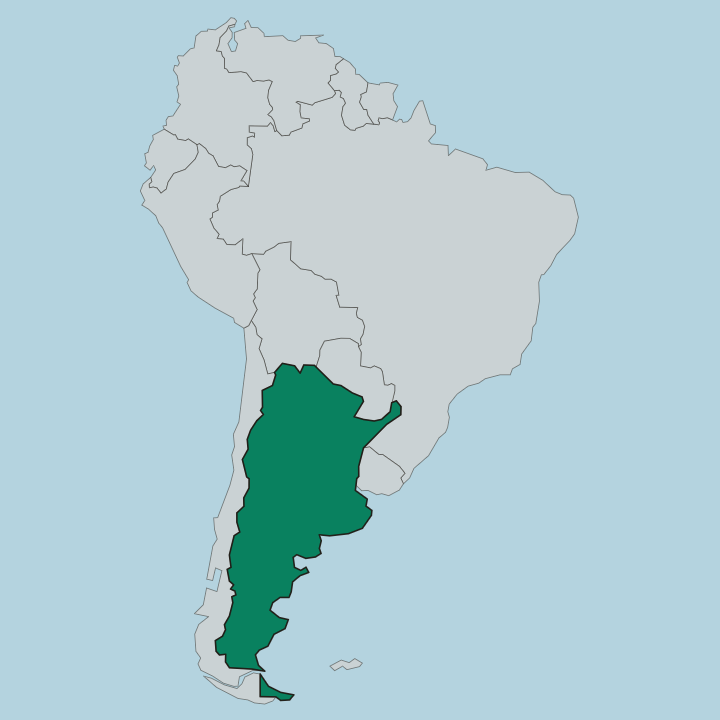
Corrientes lies on the Paraná River in the far northeast of Argentina. The city sits on the high left bank of the great river, across from Resistencia, in a warm land of wetlands, palms, and marsh, on the edge of the vast Iberá swamps. Low green banks line the river.
The wide Paraná spreads past the town.
What is the climate of Corrientes?
Corrientes has a hot, humid subtropical climate. Long, sweltering summers bring heavy rains and fierce heat to the river country, among the hottest in Argentina, while the winters stay short and mild. Storms roll up the river in summer.
The heat hangs heavy much of the year.
How do you get to Corrientes?
Corrientes lies on the Paraná across from Resistencia in northeastern Argentina. A great bridge joins the two cities over the river, and roads and rail run south toward Buenos Aires and north to Paraguay. Buses leave Corrientes for the towns up and down the Paraná.
Most arrive by road over the bridge.
Common questions
What is the best area to stay in Corrientes?
The centre: Visitors here for the cathedral, churches, and riverside. Newer districts: Stays wanting space and the bridge to Resistencia.
Good for
Updated September 2026