Argentina · Formosa Province
Where to Stay in Formosa, Formosa Province
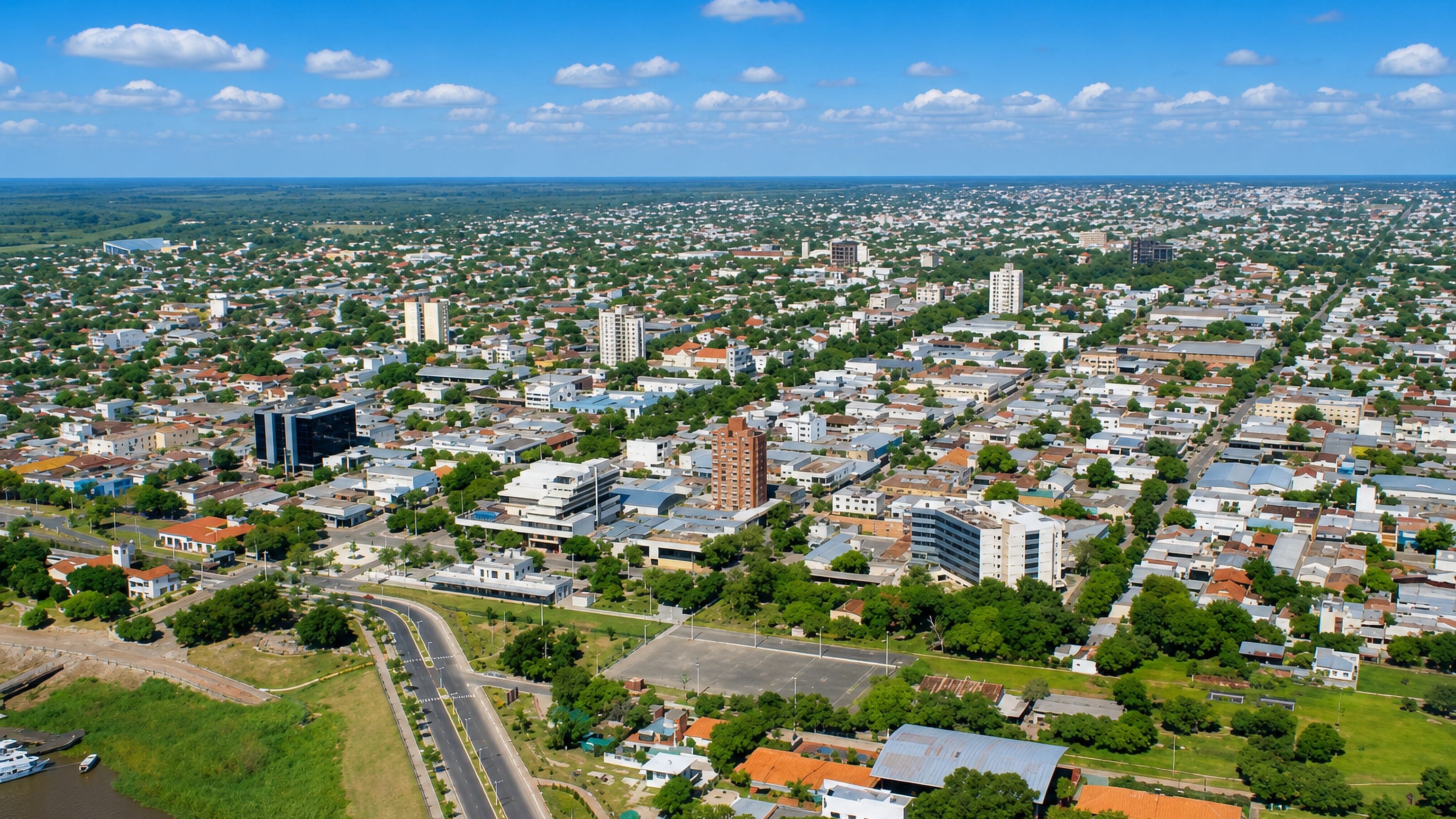
Formosa is the capital of Formosa Province, a river city on the Paraguay River facing the Paraguayan town of Alberdi across the water.
Hotel links are affiliate links: booking through them may earn us a commission, at no extra cost to you. It never affects how places are ranked. How this works


Where to stay in Formosa
How the choice of base plays out on the ground.
Beds in Formosa gather in the centre, a short grid between the Paraguay River and National Route 11. That is a walkable distance. A room there puts the Museo Histórico Y Regional Juan Pablo Duffard, the Municipal Railway Museum and the police museum on foot, along with the provincial offices that bring most of the city's visitors in the first place.
The river edge is the other draw, and rooms facing the water look across at Alberdi on the Paraguayan bank. Bed stock is provincial rather than deep, so a festival or a match can take the good rooms early. Route 11 changes the calculation for drivers.
Stays out along the highway trade the museums and the river for parking and a quick exit toward Buenos Aires, which matters more on a one-night stop than on a longer stay. Match nights at the Estadio Cincuentenario pull the crowds to one side of town. If you want the crossing and the museums, book in the grid; if you are driving through the Chaco region, take the road side and keep the car by the door.
Formosa is small enough that neither choice costs much.
Find hotels in Formosa
Direct booking searches for these neighbourhoods.
The centre grid by the museums
The Museo Histórico Y Regional Juan Pablo Duffard and the Municipal Railway Museum stand a few blocks apart in the same short grid.Find hotels in The centre grid by the museumsRooms looking across at AlberdiThe Paraguay River bank
The Paraguay River carries the frontier here, and the Paraguayan town of Alberdi is in sight from the Formosa side. Beds are limited here, so book early.Find hotels in The Paraguay River bankDrivers breaking the run north from Buenos AiresAlong National Route 11
National Route 11 passes the edge of Formosa, where parking is easy and the road out is immediate. Lodging is scarce in this area; reserve in advance.Find hotels in Along National Route 11Hotel links are affiliate links: booking through them may earn us a commission, at no extra cost to you. It never affects how places are ranked. How this works
Things to do in Formosa
Ranked by global recognition; descriptions from Wikidata (CC0).
Museums & Galleries
3- Museo Del Suri
- Museo Histórico Y Regional Juan Pablo Duffard
- Police museum
Stadiums & Sports
1- Estadio Cincuentenario
worth knowingacross 2 categories in Formosa
About Formosa
The river runs the town.
What is Formosa known for?
Formosa stands on the banks of the Paraguay River, directly opposite the Paraguayan town of Alberdi, and that position sets the city apart from the interior of the Chaco region behind it. Museums do the rest of the work: the Museo Histórico Y Regional Juan Pablo Duffard, the Municipal Railway Museum and the Museo Del Suri all sit within the same small capital. Football fills the Estadio Cincuentenario.
National Route 11 carries the traffic north from Buenos Aires and keeps Formosa on the main line of the Argentine road network.
What are the main landmarks in Formosa?
Formosa's landmarks are mostly small museums. The Museo Histórico Y Regional Juan Pablo Duffard covers the province, the Municipal Railway Museum keeps the rolling stock and the line that served it, and the Museo Del Suri, the police museum and the Sacred Cultural Museum Father Carmelo Sciullo fill the narrower subjects between them. Sport gets the Estadio Cincuentenario.
None of these is large, but together they give a compact capital more indoor programme than its size suggests, which matters in a place where the heat runs long.
What is the history of Formosa?
The founding year on the record is 1879. Formosa took its place on the Argentine bank of the Paraguay River, looking across at Alberdi, and the water that separates the two towns has done more to shape the city than any decision made inland. Rail came next.
The Municipal Railway Museum keeps that chapter, the era when track rather than road tied the Chaco region to the rest of Argentina. The town grew as the capital of Formosa Province, and the offices of that administration still sit in the short grid a few blocks back from the water. National Route 11 replaced the railway as the main artery, and the road carries the run north from Buenos Aires to the crossing at Formosa.
Museums record the rest. The Museo Histórico Y Regional Juan Pablo Duffard holds the provincial story, the Museo Del Suri and the Sacred Cultural Museum Father Carmelo Sciullo take narrower ground, and the police museum keeps the institutional side of it. Sport arrived with the Estadio Cincuentenario, which gives the city its one large gathering place outside the river bank and the streets behind it.
Formosa still faces the water.
Where is Formosa?
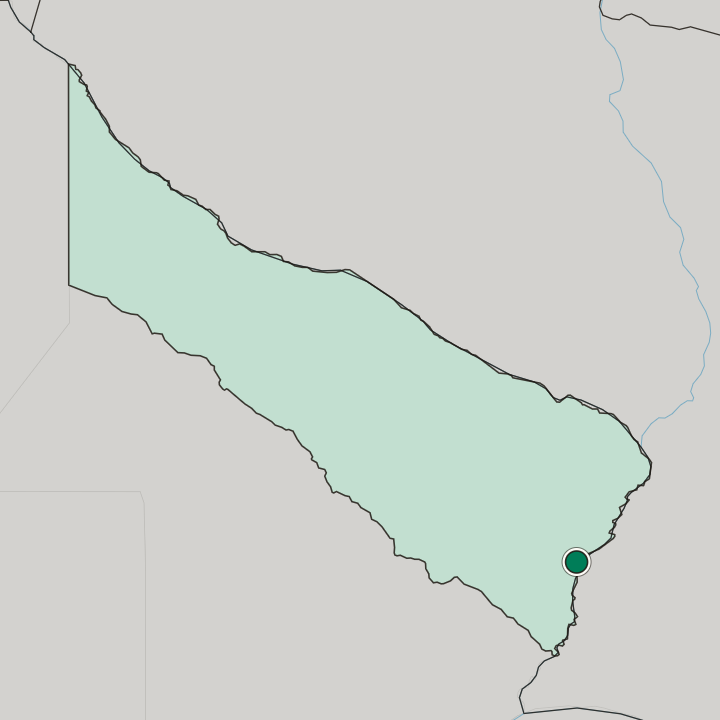
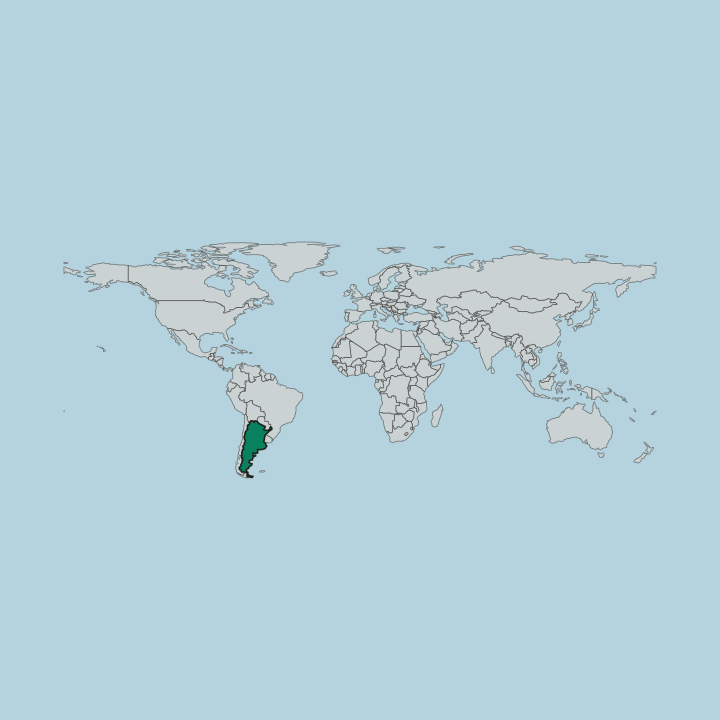
The Paraguay River forms one edge of the city and the frontier with Paraguay, and Alberdi sits directly across the water. Behind it the Chaco region begins, and the city's grid spreads inland from the bank in low blocks. Its municipal area stays compact.
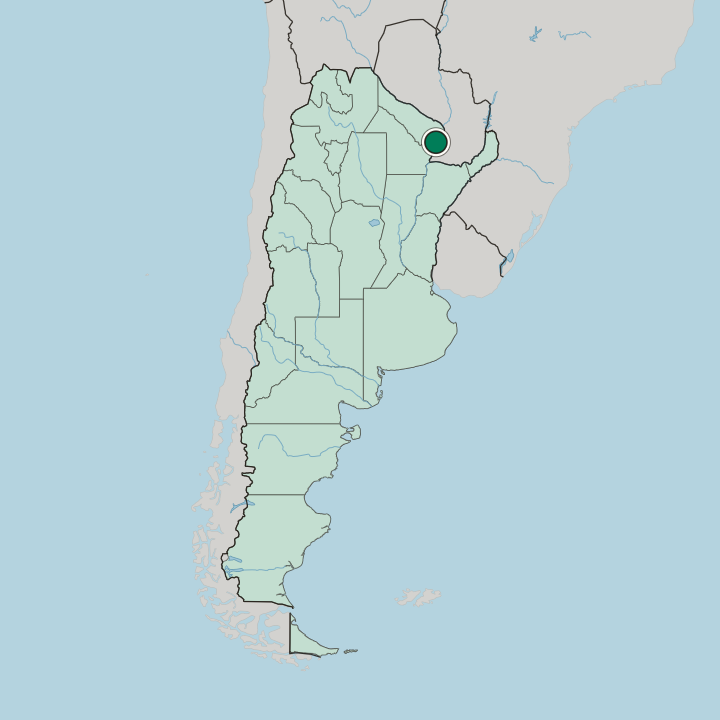
Formosa lies north of Buenos Aires on National Route 11, which puts it far up the river system and well inside the subtropics.
What is the climate of Formosa?
The Chaco decides the summers. Formosa sits well inside the subtropics, and the low country around the Paraguay River holds heat and moisture through the long southern summer, so December and January are heavy months rather than pleasant ones. Winters stay short and mild by comparison, which is why the museums and the river bank are easier company between June and August than in the middle of the summer.
Rain comes with the heat.
How do you get to Formosa?
National Route 11 is the road that matters. It runs north from Buenos Aires and passes through Formosa, which makes the highway the default approach for anyone arriving overland rather than crossing the river. The other way in is the water.
Alberdi lies opposite on the Paraguayan side, and the crossing over the Paraguay River is the shorter of the two ways into Formosa for anyone already on that bank. The Municipal Railway Museum records the era when the track did that work.
Common questions
What is the best area to stay in Formosa?
The centre grid by the museums: Museum days at the Juan Pablo Duffard and the Municipal Railway Museum. The Paraguay River bank: Rooms looking across at Alberdi. Along National Route 11: Drivers breaking the run north from Buenos Aires.
Good for
Updated September 2026