Argentina · La Pampa Province
Where to Stay in Santa Rosa, La Pampa Province
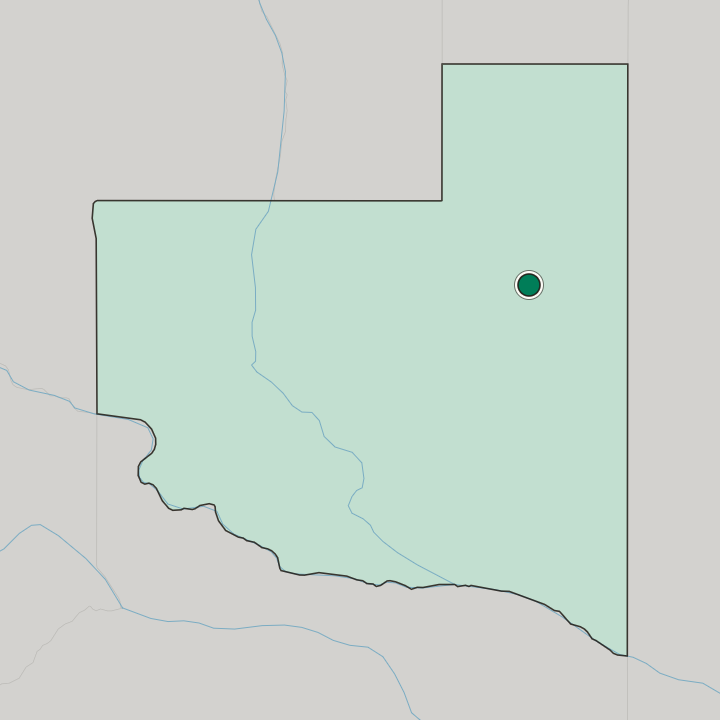
Santa Rosa, capital of La Pampa Province, stands on the shore of the Don Tomás Lagoon where National Route 5 crosses National Route 35.
Hotel links are affiliate links: booking through them may earn us a commission, at no extra cost to you. It never affects how places are ranked. How this works


Where to stay in Santa Rosa
How the choice of base plays out on the ground.
Santa Rosa divides between the water and the highway. The Don Tomás Lagoon gives one side of the city an open shore, and rooms facing that water suit travellers who want the lagoon at the end of the day rather than the crossroads. Inland, the city centre is the alternative.
Beds near the Provincial Museum of Arts and the Legislative Historical Museum put an afternoon of collections and the business of a provincial capital within the same few streets, and the Museum Policial Crio General Alberto Dionisio Antonio adds an unusual third stop. Drivers get the simplest calculation of all. National Route 5 and National Route 35 cross at Santa Rosa, so a room anywhere near either one puts the rest of La Pampa Province within a single day's driving, whichever direction the trip continues.
The Provincial Museum of Natural History and the Natural History Museum of La Pampa both sit in town, which gives a rained-off day two indoor options instead of one. Santa Rosa is among the smallest provincial capitals in the country, after Rawson, Ushuaia and Viedma, which keeps every distance in town short. Water one way, highway the other.
Find hotels in Santa Rosa
Direct booking searches for these neighbourhoods.
Don Tomás Lagoon shore
The lagoon is the one stretch of open water Santa Rosa has, and it sits on the city's own edge. Rooms are few around here — worth securing early.Find hotels in Don Tomás Lagoon shoreGallery afternoons at the Provincial Museum of ArtsProvincial museum streets
The Legislative Historical Museum and the Provincial Museum of Natural History keep the capital's collections inside one walk.Find hotels in Provincial museum streetsDrivers changing between National Route 5 and National Route 35Route 5 and Route 35 crossing
The two national routes meet at Santa Rosa, so a bed near the junction saves a town crossing at either end of the day.Find hotels in Route 5 and Route 35 crossingHotel links are affiliate links: booking through them may earn us a commission, at no extra cost to you. It never affects how places are ranked. How this works
About Santa Rosa
A crossroads and a lagoon account for most of it.
What is Santa Rosa known for?
National Route 5 and National Route 35 meet in Santa Rosa, and the Don Tomás Lagoon gives the city an edge of open water in the middle of the Pampas. Museums do the indoor work: the Provincial Museum of Arts, the Provincial Museum of Natural History and the Legislative Historical Museum. La Pampa Province is governed from here.
What are the main landmarks in Santa Rosa?
Every landmark here is a museum. Natural history has two of them, the Provincial Museum of Natural History and the Natural History Museum of La Pampa, which between them give the province's natural record two separate addresses. The Provincial Museum of Arts covers the other half of the cultural ground, and the Legislative Historical Museum keeps the record of provincial government itself.
Two more sit outside the usual categories: the Museum Policial Crio General Alberto Dionisio Antonio and the Malvinas House Museum.
What is the history of Santa Rosa?
Tomás Mason founded Santa Rosa in 1892. Two things anchor the site: the shore of the Don Tomás Lagoon and the crossing of National Route 5 and National Route 35. For most of the time since, it stayed a small town on the Pampas: the growth into an agricultural centre of any weight came only in the second half of the 20th century, long after the founding.
Farming came late. Provincial government sits in the city, and Santa Rosa is still among the smallest provincial capitals in Argentina, with Rawson, Ushuaia and Viedma smaller still. The record of that government has its own museum.
The Legislative Historical Museum keeps the legislative side, the Museum Policial Crio General Alberto Dionisio Antonio keeps the policing side, and the Malvinas House Museum keeps its own subject. Natural history predates all of it. The Provincial Museum of Natural History and the Natural History Museum of La Pampa hold the ground the city was built on, the lowland Pampas that gave the province both its name and its farming.
The Provincial Museum of Arts covers what came after.
Where is Santa Rosa?
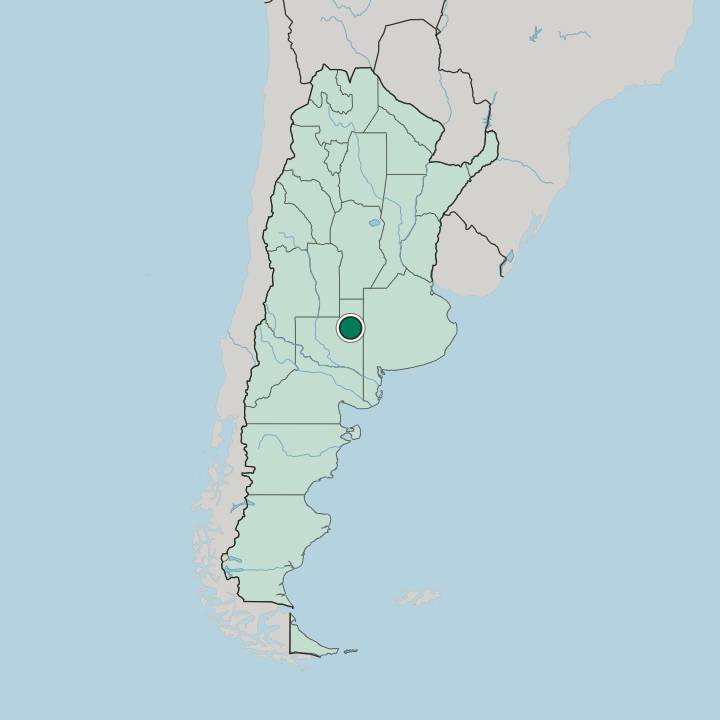
Santa Rosa lies on the east of La Pampa Province, on the shore of the Don Tomás Lagoon. The Argentine Pampas surround it, lowland country with little relief in any direction. Lowland ground throughout.
National Route 5 and National Route 35 cross here, and the farmland of the province runs out from the city in every direction.
What is the climate of Santa Rosa?
Nothing shelters the Pampas. Santa Rosa lies in the temperate band, on lowland ground where weather crosses without obstruction, so the warm half of the year runs from the turn of the calendar and the cold half falls in the middle of it. The Don Tomás Lagoon is too small to change any of that.
Seasons run in the southern order.
How do you get to Santa Rosa?
Two national routes do the work. National Route 5 and National Route 35 intersect at Santa Rosa, which is the plainest reason the city matters to anyone crossing La Pampa Province by road. Provincial business arrives the same way, since the offices of La Pampa Province sit at the same crossing as the through traffic.
Nothing here is reached by water.
Common questions
What is the best area to stay in Santa Rosa?
Don Tomás Lagoon shore: Evenings on the shore of the Don Tomás Lagoon. Provincial museum streets: Gallery afternoons at the Provincial Museum of Arts. Route 5 and Route 35 crossing: Drivers changing between National Route 5 and National Route 35.
Good for
Updated September 2026