Argentina · Misiones Province
Where to Stay in Oberá, Misiones Province
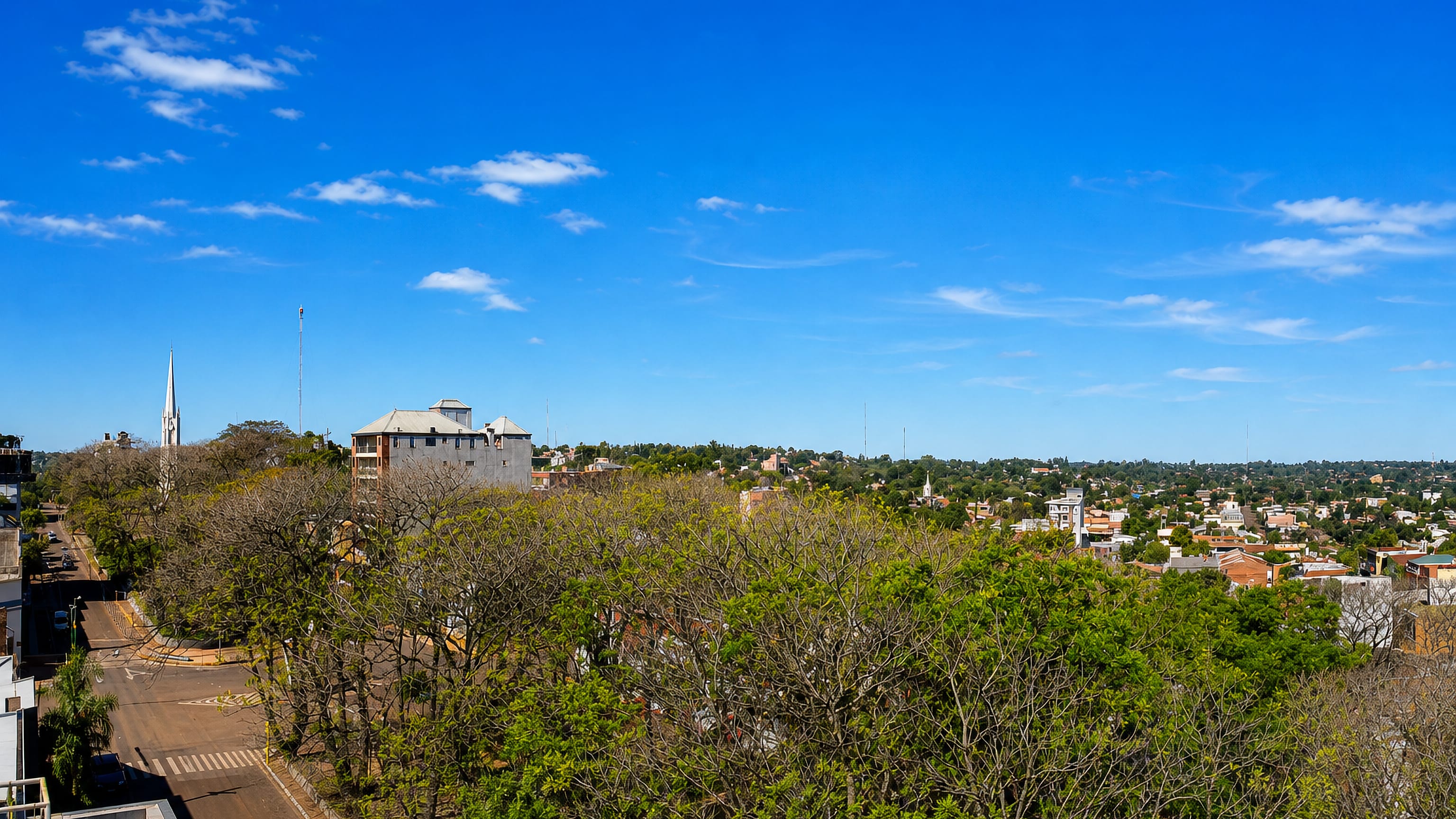
Oberá, founded in 1927 as Villa Svea, is the head town of Argentina's Oberá Department, on National Route 14 east of Posadas in Misiones.
Hotel links are affiliate links: booking through them may earn us a commission, at no extra cost to you. It never affects how places are ranked. How this works


Where to stay in Oberá
The practical side of choosing where to sleep.
The cathedral square is the reference point for a stay in Oberá. St Anthony of Padua Cathedral stands in the town's centre, and rooms within walking distance of it also reach the Museo Histórico Y Archivo De La Municipalidad De Oberá and the everyday business of the departmental seat. Walking covers the useful part of town.
Oberá covers around 155 square kilometres on paper, but the part a visitor uses is small enough that the difference between one central street and another rarely matters. National Route 14 is the other consideration. The highway runs past the town and carries traffic between Posadas and the rest of the interfluvial province of Misiones, so a bed near the route suits anyone driving through rather than stopping for the museums.
Drivers and museum visitors want different streets. Anyone here for the Museo De Ciencias Naturales will be better served in the centre, while anyone covering the Oberá Department by car gains more from the road edge, and the two are a short drive apart. Distance is not the deciding factor.
Oberá works as a departmental seat rather than a resort town, so beds here are practical ones, and the reason to sleep in the town is its position east of Posadas rather than the room itself.
Find hotels in Oberá
Direct booking searches for these neighbourhoods.
The cathedral centre
Oberá's central blocks, with the cathedral and the Museo Histórico Y Archivo De La Municipalidad De Oberá both on footFind hotels in The cathedral centreDrivers crossing Misiones between Posadas and the eastern departmentsThe National Route 14 edge
The side of Oberá that meets National Route 14, taken for the road rather than for the town centre. Rooms are few around here — worth securing early.Find hotels in The National Route 14 edgeHotel links are affiliate links: booking through them may earn us a commission, at no extra cost to you. It never affects how places are ranked. How this works
About Oberá
Two museums and a cathedral anchor the town.
What is Oberá known for?
St Anthony of Padua Cathedral is the landmark that fixes the centre of Oberá, while the Museo De Ciencias Naturales and the Museo Histórico Y Archivo De La Municipalidad De Oberá hold the collections that keep visitors longer than a lunch stop. The old name still circulates. Oberá began as Villa Svea, and that first name is the plainest surviving sign of how this part of Misiones was settled.
What are the main landmarks in Oberá?
Oberá keeps its collections indoors. The Museo De Ciencias Naturales handles natural history and the Museo Histórico Y Archivo De La Municipalidad De Oberá holds the municipal record, a heavier documentary weight than a town of this size usually carries. The cathedral is the outdoor landmark.
St Anthony of Padua Cathedral gives the centre its fixed point, and between the church and the two museums a visitor has the whole of Oberá's named heritage within a few blocks.
What is the history of Oberá?
The town started under a different name. Villa Svea was the original designation, and the change to Oberá replaced it with the name the town has carried since, which is the sharpest surviving trace of how the settlement began. The founding year is 1927.
That makes Oberá a twentieth-century foundation rather than a colonial one, and everything in its record, the department, the cathedral, the museums, postdates that date. Departmental status followed. Oberá became the head town of the Oberá Department, which gave a young settlement the administrative work of a stretch of Misiones.
National Route 14 runs through the story. The highway links Oberá to Posadas, the provincial capital some 96 kilometres to the west, and it carries the traffic between the departmental seat and the rest of the interfluvial province of Misiones. Buenos Aires is a long way off.
More than a thousand kilometres separate Oberá from Buenos Aires, which is why the town's working relationships run to Posadas and the Oberá Department rather than to the national capital. The museums date the rest. Between the Museo Histórico Y Archivo De La Municipalidad De Oberá and the Museo De Ciencias Naturales, the town keeps both its municipal paperwork and its natural record in public hands, which is how a place founded in 1927 documents itself.
Where is Oberá?
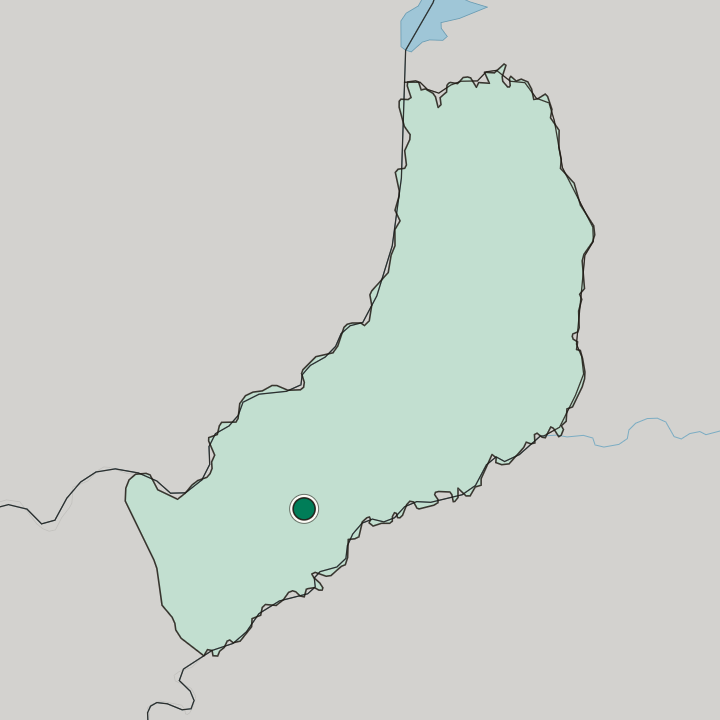
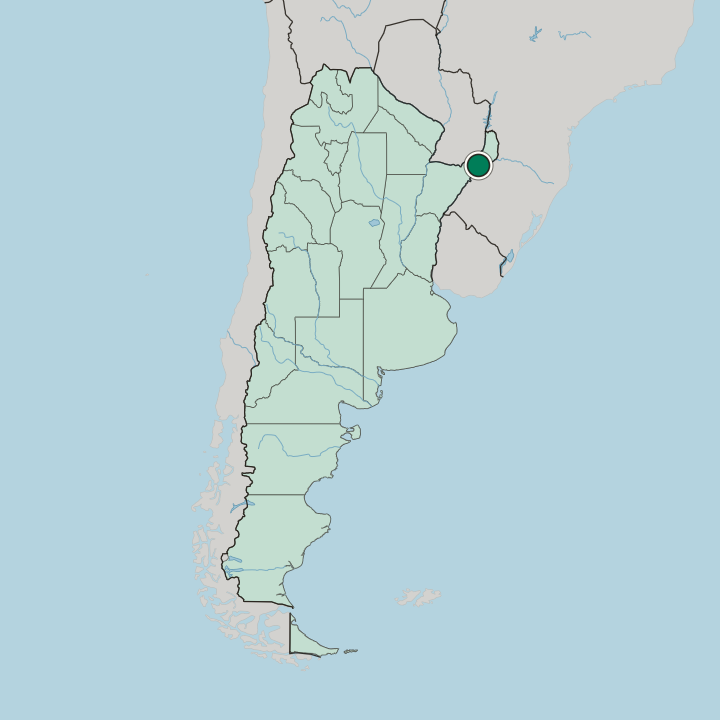
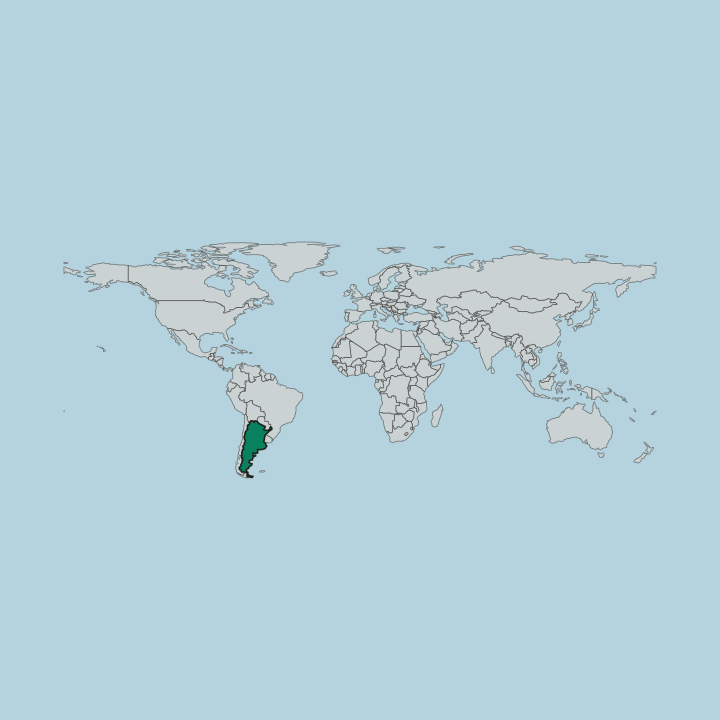
Oberá sits in the interfluvial province of Misiones, some 96 kilometres east of Posadas. Misiones is land between waters. That is what the interfluvial description carries, and Oberá occupies roughly 155 square kilometres of subtropical ground inside the Oberá Department, with National Route 14 running through the town.
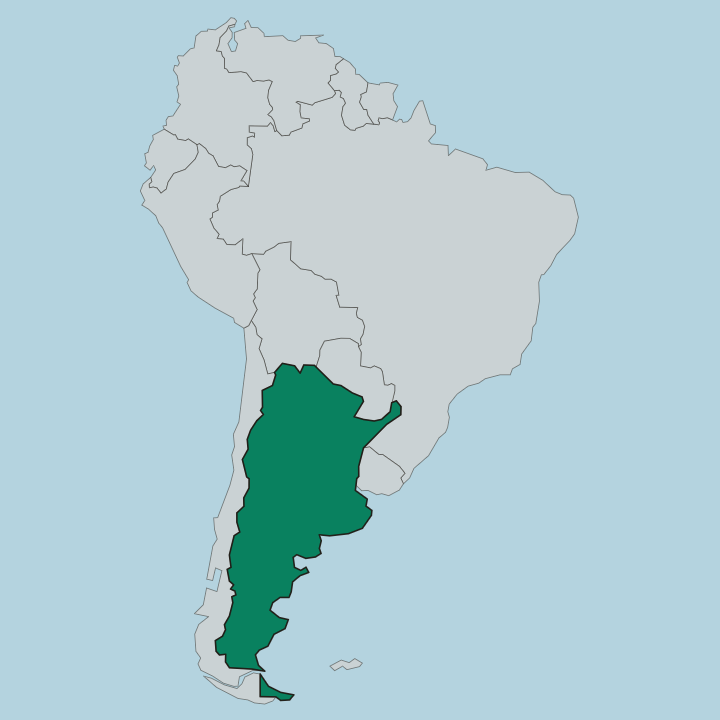
Buenos Aires lies more than a thousand kilometres to the south.
What is the climate of Oberá?
Water on both sides softens the extremes. The interfluvial position of Misiones keeps Oberá inside a subtropical band where the growing season runs long and the year divides into wetter and drier stretches rather than into hard seasons. Winter arrives mid-calendar.
Oberá's coolest months are the ones the northern hemisphere spends in summer, and the subtropical setting of Misiones keeps them mild rather than severe.
How do you get to Oberá?
National Route 14 does the connecting. The highway reaches Oberá from Posadas, roughly 96 kilometres to the west, and carries on through the interfluvial province of Misiones, so the road is the normal approach to the departmental seat. Buenos Aires is the long leg.
More than a thousand kilometres lie between the national capital and Oberá, so most arrivals come through Posadas rather than direct, and the last stretch is the run east along National Route 14.
Common questions
What is the best area to stay in Oberá?
The cathedral centre: Walkers covering St Anthony of Padua Cathedral and the municipal archive. The National Route 14 edge: Drivers crossing Misiones between Posadas and the eastern departments.
Good for
Another city in Misiones Province
Updated September 2026