Argentina · Santiago del Estero Province
Where to Stay in Santiago del Estero, Santiago del Estero Province
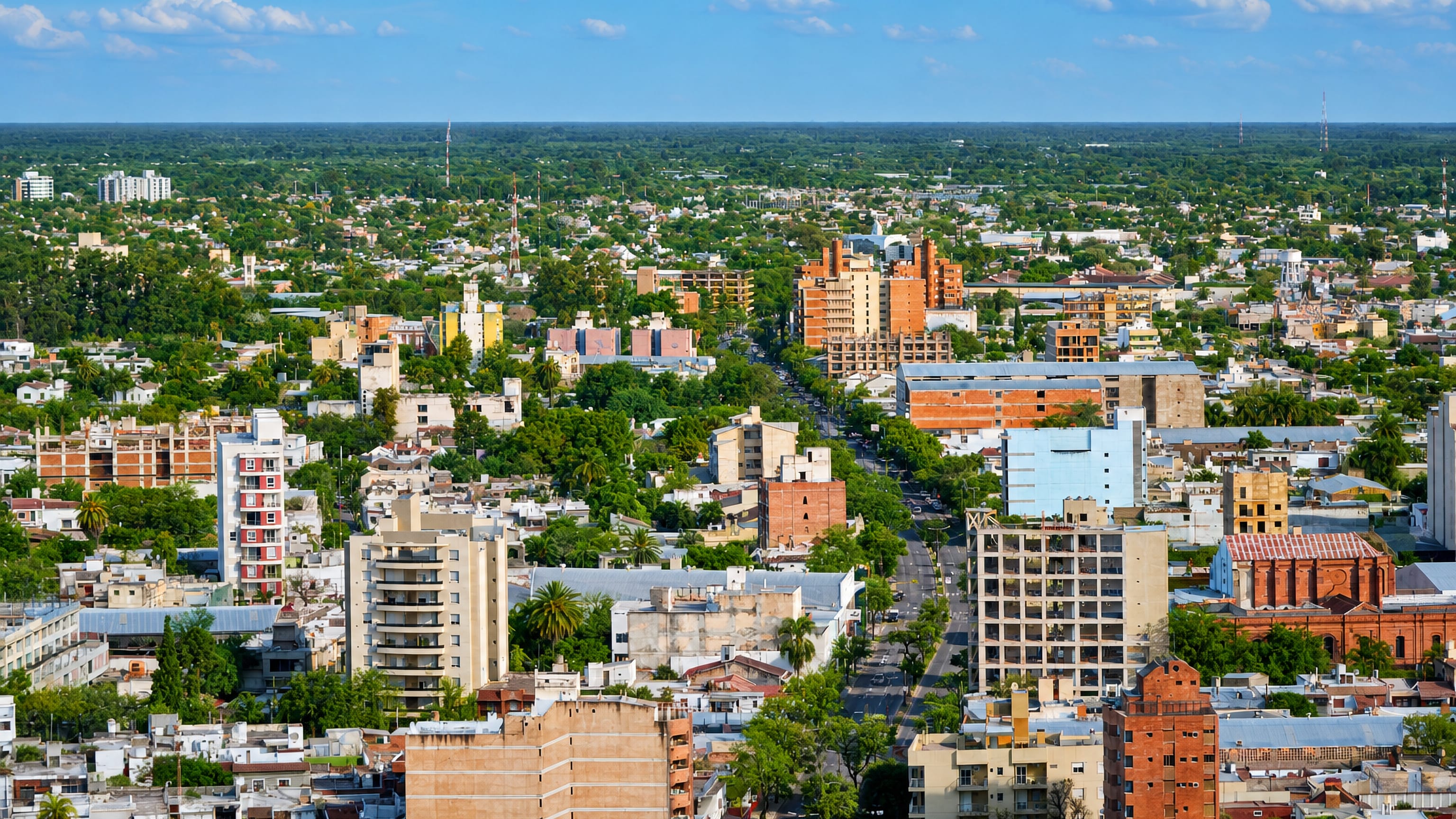
Santiago del Estero is the oldest Spanish-founded city in Argentina, a river town on the Río Dulce in the hot Chaco plain, mother of the country's cities.
Hotel links are affiliate links: booking through them may earn us a commission, at no extra cost to you. It never affects how places are ranked. How this works


Where to stay in Santiago del Estero
How the choice of base plays out on the ground.
Where you stay in Santiago del Estero turns on the old plaza. The streets around the cathedral keep the church, the convent, and the riverside walk within a walk, and staying downtown suits anyone here for the old city. Shady squares break the heat.
The river runs past the parks. Out toward the river and the newer town, the city spreads across the flat plain. A room by the Dulce trades the plaza for the riverside parks, the quiet, and the road to the hot springs.
The dry plain opens past the streets. Stay downtown for the cathedral, or by the river for the parks. The old plaza sits minutes off.
Find hotels in Santiago del Estero
Direct booking searches for these neighbourhoods.
The old centre
Around the main plaza within a walk of the churchFind hotels in The old centreStays wanting the parks and the hot springsThe riverside
Out by the Río Dulce and the newer townFind hotels in The riversideHotel links are affiliate links: booking through them may earn us a commission, at no extra cost to you. It never affects how places are ranked. How this works
Things to do in Santiago del Estero
Ranked by global recognition; descriptions from Wikidata (CC0).
Museums & Galleries
3- Bicentennial Cultural Center
- Di Lullo Historical Museum
- Museum of Anthropological and Natural Sciences Emilio and Duncan Wagner
Churches & Religious Sites
1- Cathedral Basilica of Our Lady of Mount Carmel Heritage
Stadiums & Sports
2- Doctores José y Antonio Castiglione Stadium
- Estadio Roberto Osvaldo "Tito" Molinari
worth knowingacross 3 categories in Santiago del Estero
About Santiago del Estero
What is Santiago del Estero known for?
Santiago del Estero is the mother of Argentina's cities. On the Río Dulce in the flat northern plain, it rose in 1553 as the first lasting Spanish town in the land, and it keeps that age in its old cathedral and its Franciscan convent of the missionary Solano, while its living treasure is the chacarera, the folk music and dance born on this ground. The dry plain runs out around.
Guitars sound in the evening.
What are the main landmarks in Santiago del Estero?
The cathedral stands at the heart of old Santiago del Estero. The domed church on the main plaza, the fifth to rise on this ancient site, looks over the square, the emblem of the city, above the town. An old convent stands nearby.
The Franciscan convent keeps the memory of the missionary Solano, while the plaza, the riverside walk, and the folklore museums of the chacarera mark the streets of Santiago del Estero.
What is the history of Santiago del Estero?
Santiago del Estero is the oldest living town in Argentina. Francisco de Aguirre founded it on the Río Dulce in 1553, before Córdoba or Buenos Aires, and from here the Spanish spread out to settle the north. It mothered the other cities.
Governors and priests went out from Santiago to found the towns of the region, giving it the name of the mother of cities. The town stayed small as its daughters grew. The rivers shifted and the trade moved on, and Santiago fell behind the younger cities it had founded, keeping a quiet life on its plain.
But it held its old soul. The missionary Francisco Solano had preached to its people, its churches kept the faith, and its countryside gave birth to the chacarera that Argentina still sings and dances. The old plaza still shades the town.
Santiago del Estero keeps its cathedral and its songs on the Río Dulce.
Where is Santiago del Estero?
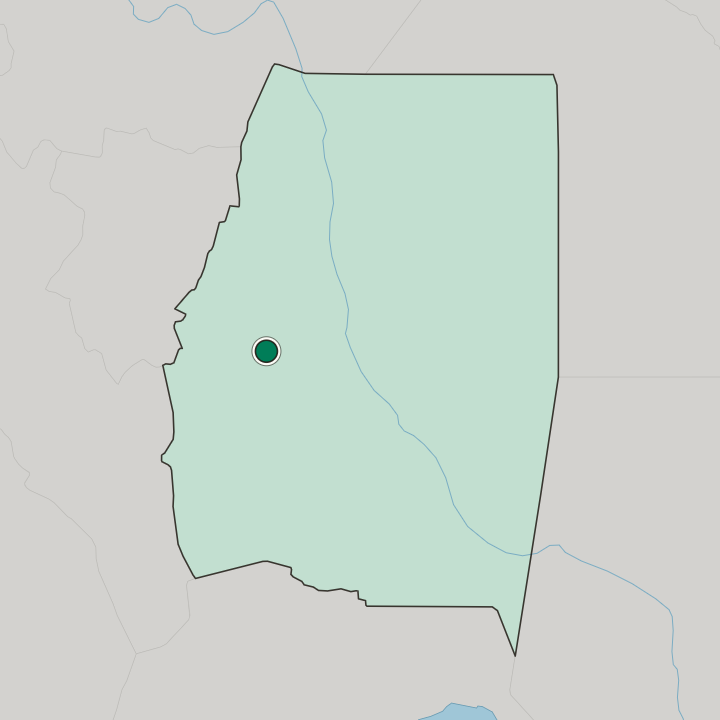
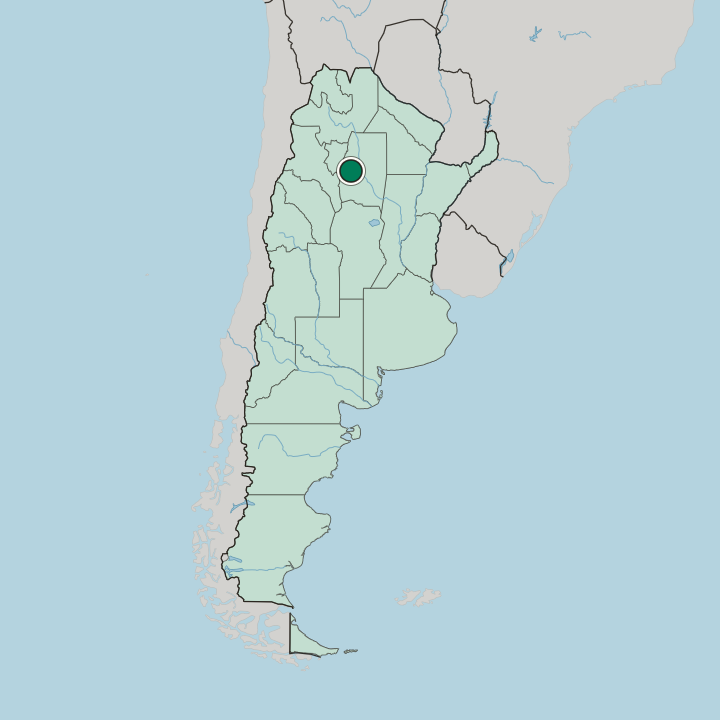
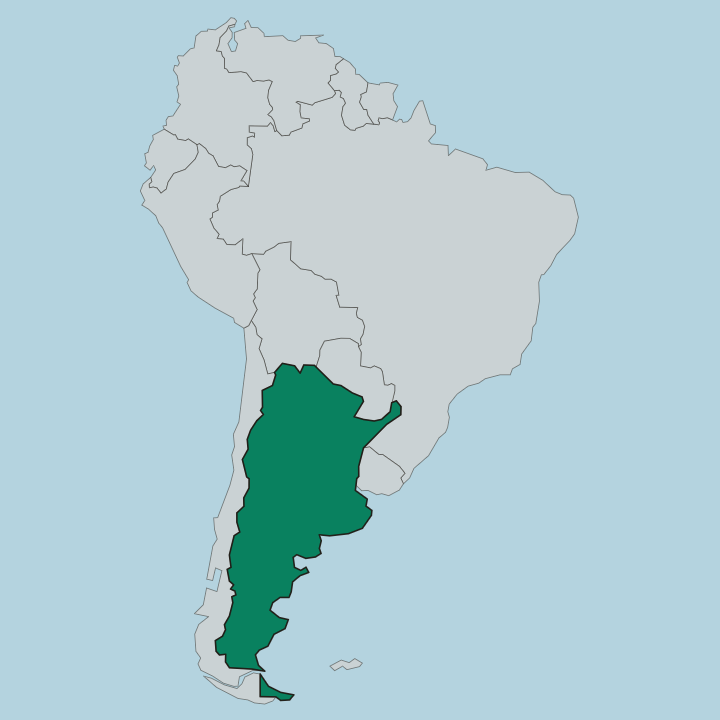
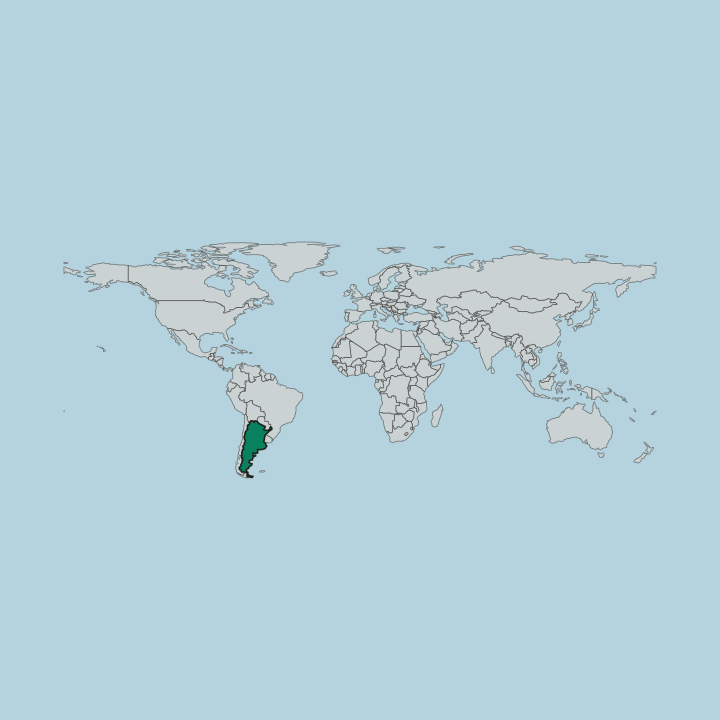
Santiago del Estero lies in the north of Argentina, on the Río Dulce in the wide plain of the Chaco. The city stands on the west bank of the slow river where it crosses the dry lowland, in a country of scrub, quebracho forest, and salt flats stretching far to the horizon. Flat dry bush runs to the sky.
The river brings green to the plain.
What is the climate of Santiago del Estero?
Santiago del Estero has a hot, dry subtropical climate. Fierce summer heat and mild winters cross the plain, among the hottest in the land, with most of the little rain in the warm months and long dry spells. The heat hammers the scrub in summer.
The river runs low in the dry season.
How do you get to Santiago del Estero?
Santiago del Estero lies in the north of Argentina, on the main road and rail from Córdoba to the northern provinces. Trains and buses run to it across the dry plain, and its airport links Buenos Aires. A spa road runs to Río Hondo.
Córdoba lies far to the south.
Common questions
What is the best area to stay in Santiago del Estero?
The old centre: Visitors here for the cathedral and convent. The riverside: Stays wanting the parks and the hot springs.
Good for
Updated October 2026