Argentina
Santiago del Estero Province, Argentina — Towns & Travel Guide
Santiago del Estero is Argentina's oldest province, a hot Gran Chaco plain crossed by the Río Dulce and Río Salado.
Hotel links are affiliate links: booking through them may earn us a commission, at no extra cost to you. It never affects how places are ranked. How this works


Towns & cities in Santiago del Estero Province
One town here has its own guide — it links to where to stay.

 Argentina
Santiago del Estero
Santiago del Estero is the oldest Spanish-founded city in Argentina, a river town on the Río Dulce in the hot Chaco plain, mother of the country's cities.Where to stay →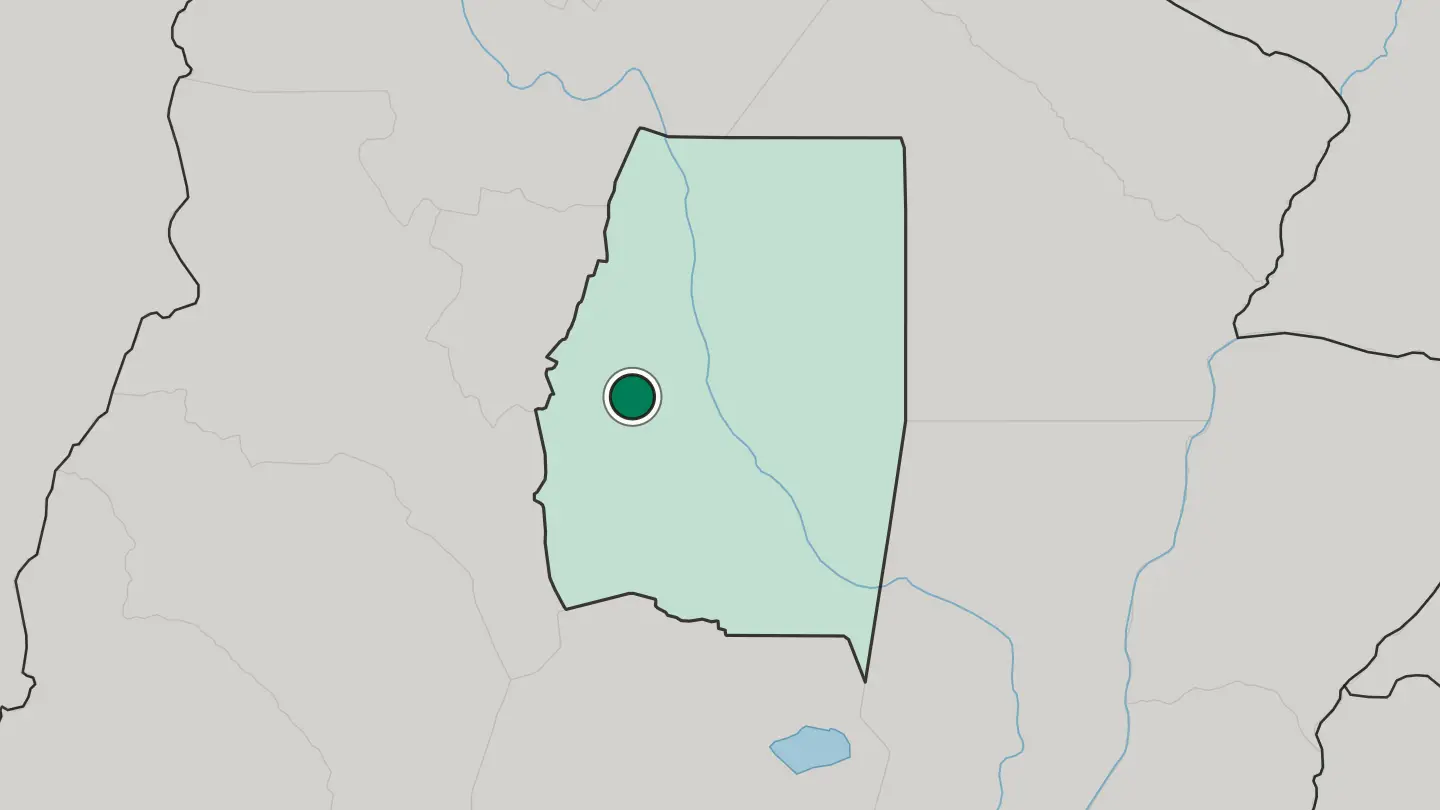
Hotel links are affiliate links: booking through them may earn us a commission, at no extra cost to you. It never affects how places are ranked. How this works
About Santiago del Estero Province
This is where colonial Argentina began.
What is Santiago del Estero Province known for?
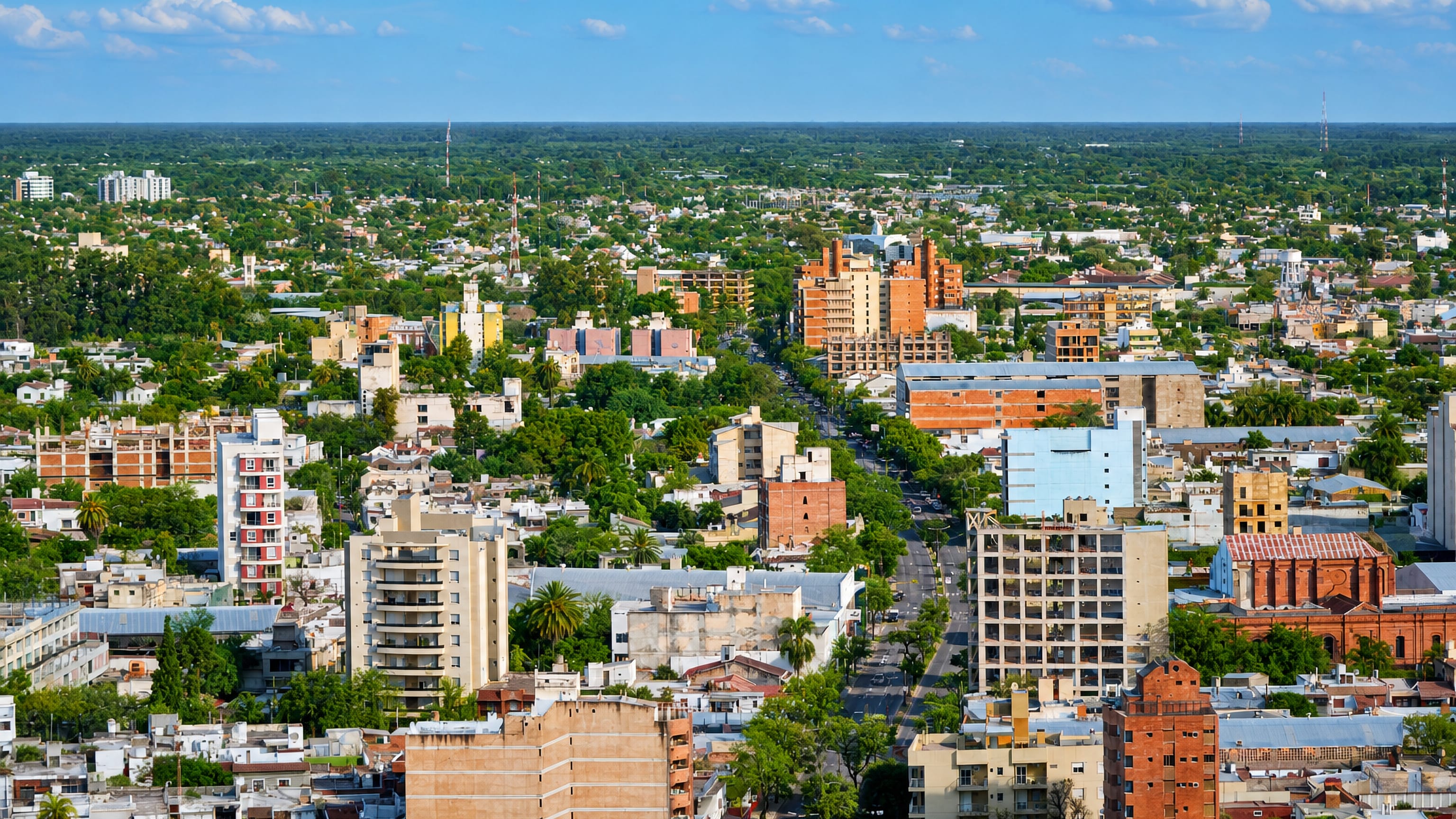
The capital, Santiago del Estero, was founded in 1553 and is the country's oldest continuously inhabited city, the "Mother of Cities" from which expeditions rode out to settle the north. Two rivers, the Río Dulce and the Río Salado, cut diagonally across the flat Gran Chaco scrub that fills most of the province. The chacarera, a fast guitar-and-drum folk dance, was born in these rural districts and carried its name across the country.
Travellers come mainly for the thermal spa town of Termas de Río Hondo.
Where is Santiago del Estero Province?
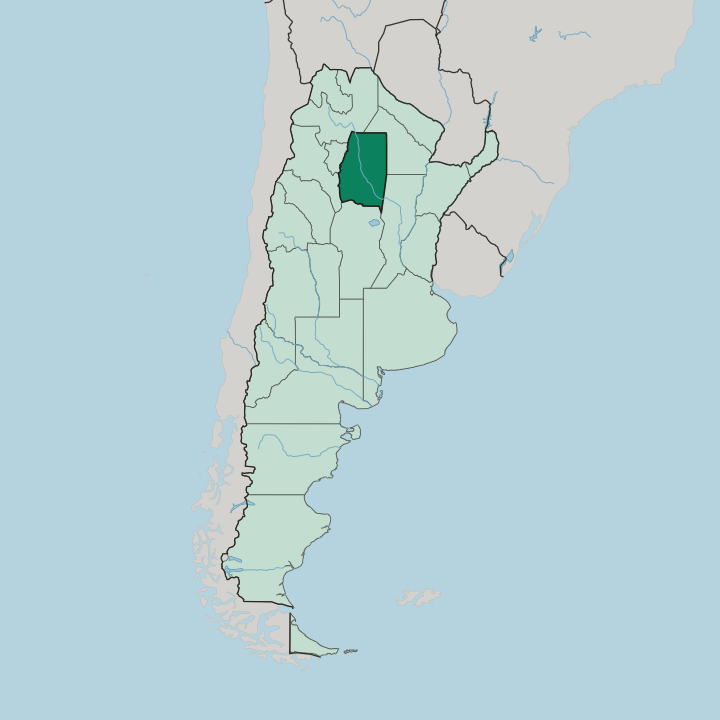
Santiago del Estero fills the centre of northern Argentina, well inland. Almost all of it lies flat. The province spreads across the southern reach of the Gran Chaco, the wide lowland scrub plain that runs up into Paraguay and Bolivia, and only its far western edge climbs toward the foothills of the Andes.
Two rivers give the land what shape it has. The Río Dulce and the Río Salado both drop out of the Andean outliers to the north-west and run diagonally down across the province toward the south-east, and the towns and farms cluster along their banks because the scrub between them is dry. Down in the south-west, on the border with Córdoba and Catamarca, the ground turns to the white crust of the Salinas Grandes salt flats.
Six neighbours hem Santiago del Estero in on every side. Salta and Chaco lie to the north, Santa Fe and Córdoba to the south-east and south, and Catamarca and Tucumán close it off to the west. No coast touches it anywhere.
This is deep interior country, hundreds of kilometres from any sea, and the rivers are the only water that matters. Buenos Aires lies far to the south-east, a long haul down National Route 9.
What is Santiago del Estero Province like?
Santiago del Estero carries a folk identity as strong as any province in Argentina. The chacarera belongs to it. This fast, foot-stamping couple's dance, driven by strummed guitar and the deep bombo legüero drum, grew up in the province's rural districts in the nineteenth century and spread from here to become one of the country's defining folk forms.
Its zamba, a slower song of the same countryside, travelled the same way. What sets the province apart runs deeper than the music. Quichua, the local form of the Quechua spoken across the Andes under the Incas, is still heard among rural families here, the southernmost place the old Andean tongue survives in daily speech, and it colours the Spanish accent of the whole region.
That heritage shows in the food and the crafts as much as the language. The capital keeps the province's memory in its museums and its colonial churches, the seat of the first bishopric founded on Argentine soil. Folk music festivals fill the calendar.
Beyond the two river cities the rhythm is rural and unhurried, tied to the land, the heat, and the water the rivers bring.
What is the history of Santiago del Estero Province?
The story starts in 1553. That year Francisco de Aguirre, leading Spaniards down from Peru, founded the city of Santiago del Estero, the first lasting settlement in what is now Argentina. It was moved to its present bank of the Río Dulce three years later.
For decades it ran the whole north as the region's political and religious capital, sending out the parties that founded Tucumán, Córdoba and other cities, which earned it the name "Mother of Cities". The province itself was carved out as a separate unit in 1820, when it broke from the old jurisdiction of Tucumán and declared its own autonomy.
What is the climate of Santiago del Estero Province?
Heat defines the year here. Santiago del Estero sits among the hottest places in Argentina, and summer afternoons on the Gran Chaco plain can push toward extremes few other parts of the country reach. Winters are short, dry and mild, with cool nights.
Most of the year's rain falls in the hot months, in heavy summer storms, while the long winter stays parched, which is why the scrub away from the Río Dulce and the Río Salado is so dry. The rivers, and the reservoir behind the Río Hondo dam, are what green the land.
How do you get to Santiago del Estero Province?
Most visitors fly or drive in from the south. The Vicecomodoro Ángel de la Paz Aragonés Airport sits just north-west of the capital and links it to Buenos Aires by daily flights. By road the province rides on National Route 9, the old colonial artery north-west from Buenos Aires that still threads through Santiago del Estero on its way to the Andes.
Long-distance buses run that route to the capital and on to Termas de Río Hondo. No coast, no sea route.
Common questions
What is the best area to stay in Santiago del Estero Province?
Santiago del Estero: colonial history and city life. Termas de Río Hondo: thermal spas and motorsport weekends. La Banda: staying near the capital for less.
More regions in Argentina
Updated September 2026