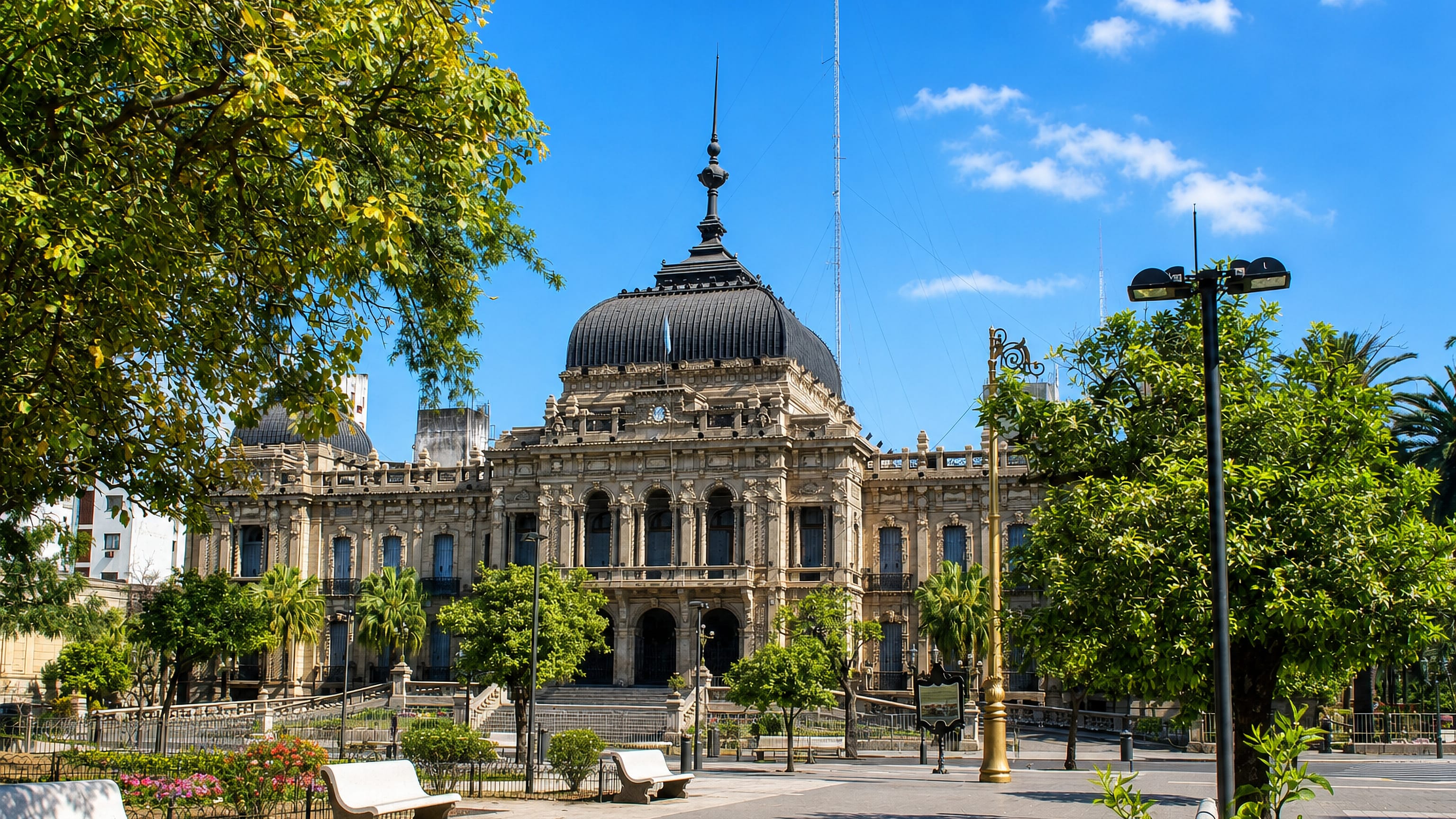
Argentina · Tucumán Province
Where to Stay in San Miguel de Tucumán, Tucumán Province
San Miguel de Tucumán is the capital of Tucumán in northwest Argentina, the city where the nation declared its independence.
Hotel links are affiliate links: booking through them may earn us a commission, at no extra cost to you. It never affects how places are ranked. How this works


Where to stay in San Miguel de Tucumán
Where the beds are, and what that means for the visit.
Where you stay in Tucumán turns on the centre. The streets around the Plaza Independencia keep the Historical House, the cathedral, and the museums within a walk, and staying downtown suits anyone here for the old city. The plaza fills with life in the cool evening.
Rooms sit near the plaza and churches. Out toward the newer districts and the parks, the city spreads into quieter, greener streets. A room away from the centre trades the plaza for calm, gardens, and an easy road out to the sierras.
The green hills rise close to the west. If you want the history and the churches, stay downtown; if you want the quiet and the hills, take a room outside. Either way, the old centre is close at hand.
Find hotels in San Miguel de Tucumán
Direct booking searches for these neighbourhoods.
The centre
Around the Plaza Independencia and the Historical House of Tucumán, within a walk of the churchesFind hotels in The centreQuieter, greener stays near the hillsNewer districts and parks
Toward the parks on the town's edge, an easy road out to the sierrasFind hotels in Newer districts and parksHotel links are affiliate links: booking through them may earn us a commission, at no extra cost to you. It never affects how places are ranked. How this works
Things to do in San Miguel de Tucumán
Ranked by global recognition; descriptions from Wikidata (CC0).
Museums & Galleries
3- Historical House of Tucumán Heritage
- General Manuel Belgrano Provincial Folk Museum Heritage
- Timoteo Navarro Museum of Art
Churches & Religious Sites
2- Our Lady of the Incarnation Cathedral, San Miguel de Tucumán Heritage
- Basílica de la Merced Heritage
Landmarks & Notable Places
1- Casa Padilla
worth knowingacross 3 categories in San Miguel de Tucumán
About San Miguel de Tucumán
Tucumán is called the cradle of Argentine independence.
What is San Miguel de Tucumán known for?
In a modest house in the city, the Historical House of Tucumán, the leaders of the young country declared their freedom from Spain in 1816, and the town has been proud of it ever since. Sugar cane made the province rich. History and cane fill the city.
What are the main landmarks in San Miguel de Tucumán?
The Historical House of Tucumán is the nation's shrine. In its plain colonial rooms the independence of Argentina was declared, the proudest sight in the city, kept whole ever since. Churches ring the plaza.
The Cathedral and the Basílica de la Merced rise over the central square, while the Museum of the Sugar Industry tells of the cane that made the province.
What is the history of San Miguel de Tucumán?
Tucumán was founded on the road to Peru. The Spanish built the city in the sixteenth century on the great route between Buenos Aires and the silver of the north, and it grew into the chief town of the northwest. Then came the fight for freedom.
The general Manuel Belgrano beat back a royalist army at the Battle of Tucumán, and in 1816 the provinces gathered in the city to declare the independence of Argentina. Sugar made the modern city rich. Vast cane fields spread across the warm plain, and mills and railways turned Tucumán into the industrial heart of the north, drawing workers from across the land.
It kept its proud past. The Historical House of Tucumán, where freedom was declared, was preserved as a national shrine, and grand churches and museums rose around the plaza. The Basílica de la Merced still guards the flag of Belgrano.
Tucumán stands as the cradle of the Argentine nation.
Where is San Miguel de Tucumán?
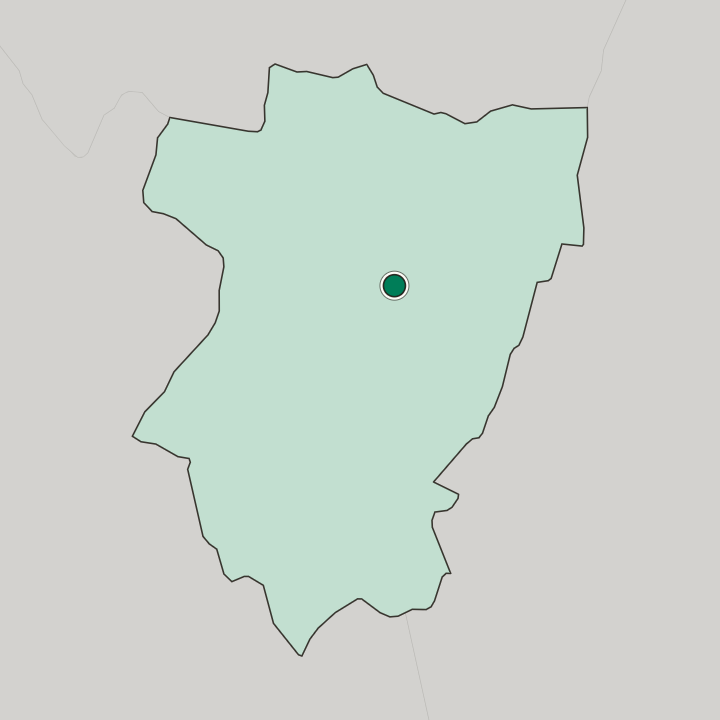
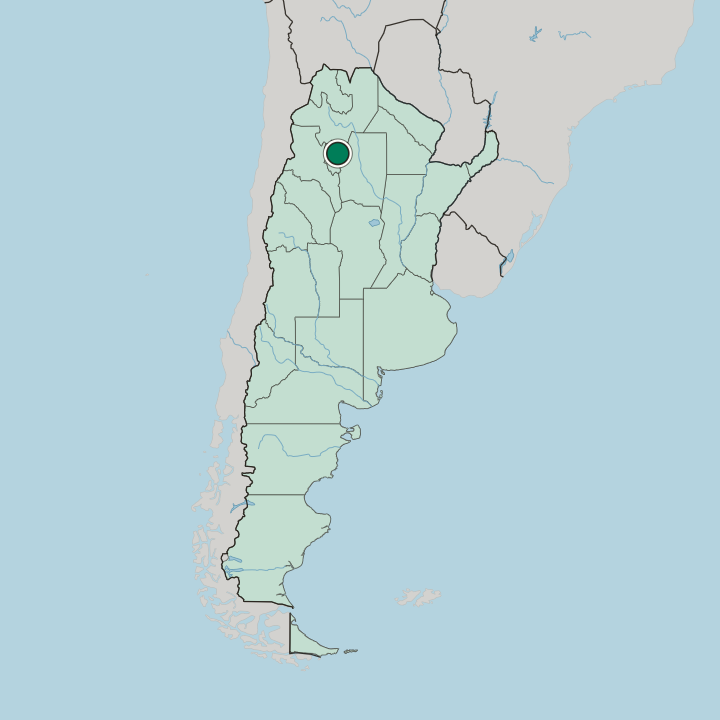
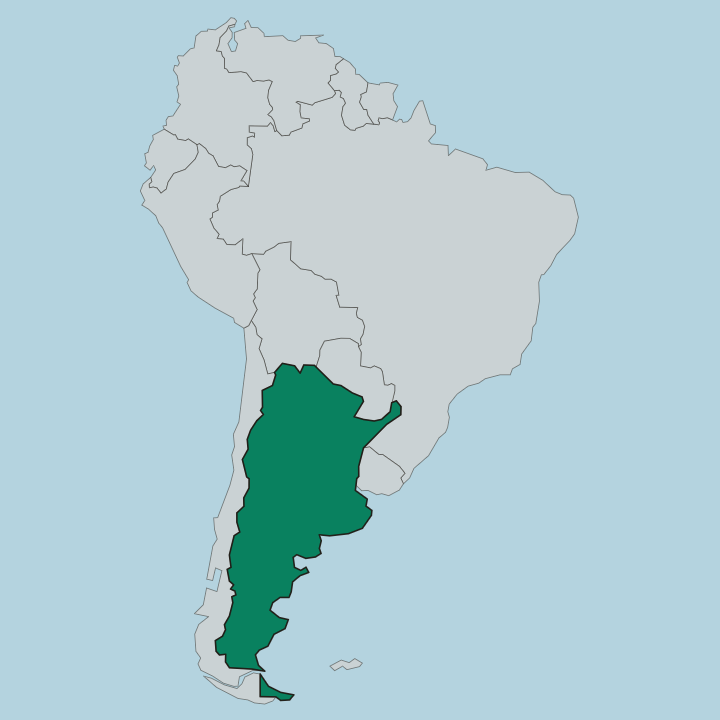
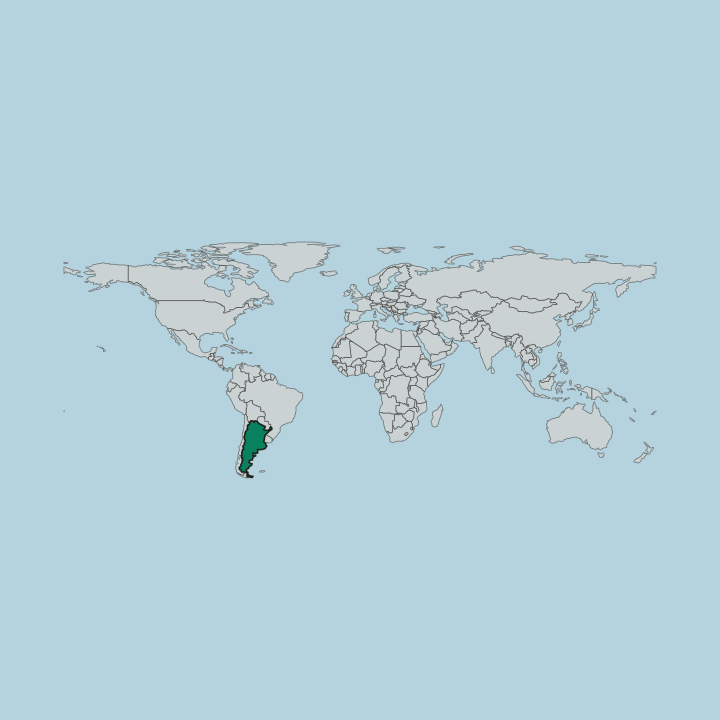
San Miguel de Tucumán lies at the foot of the Andes. The city spreads on a green plain in the northwest of Argentina, where the Andean foothills rise to the west and sugar fields cover the warm lowland to the east. Wooded sierras climb close behind the town.
The fertile plain runs down toward the rivers.
What is the climate of San Miguel de Tucumán?
Tucumán has a warm, humid subtropical climate. Hot, wet summers bring heavy rains to the sugar fields, and the winters stay mild and dry, tempered by the mountains to the west. Storms roll off the sierras in summer.
The plain stays green much of the year.
How do you get to San Miguel de Tucumán?
Tucumán lies on the old road through northwest Argentina. Highways and rail run to it between Buenos Aires and the Bolivian border, and its airport links the city to the capital, while roads climb west into the Andes. Buses reach the sugar towns and the sierras.
Most arrive by air or the long road north.
Common questions
What is the best area to stay in San Miguel de Tucumán?
The centre: Visitors here for the Historical House, cathedral, and museums. Newer districts and parks: Quieter, greener stays near the hills.
Good for
Updated September 2026