Austria · Vorarlberg
Where to Stay in Dornbirn, Vorarlberg
Dornbirn is the biggest city in Vorarlberg, an Austrian centre for trade and shopping with Inatura among its museums.
Hotel links are affiliate links: booking through them may earn us a commission, at no extra cost to you. It never affects how places are ranked. How this works


Where to stay in Dornbirn
How the choice of base plays out on the ground.
Dornbirn spreads its rooms across old parish quarters rather than one hotel strip. Oberdorf keeps the shortest walk to the Stadtpfarrkirche Mariae Heimsuchung and to the shops that made the city's reputation, which is the arrangement most first visits want. Hatlerdorf lies just beyond it.
Rohrbach and Schoren fill the flatter ground further out, each with a parish church of its own, and both leave a short ride into the middle rather than a walk. Kehlegg is another proposition. The slope above the city carries Bad Kehlegg and the Kapelle Maria Schnee, and a room up there swaps shopfronts for open ground and a drive back down whenever the city is wanted.
The Kapelle Ammenegg marks another of these upland hamlets. Gütle rises on the same side, marked by the Fatimakapelle Gütle. Both want a car.
If your days are built around Inatura, the FLATZ Museum and Kunstraum Dornbirn, Oberdorf will cost you the least walking, while the higher hamlets pay off for anyone who would rather start the morning on a path than a pavement. Beds sit scattered rather than banked in one quarter.
Things to do in Dornbirn
Ranked by global recognition; descriptions from Wikidata (CC0).
Museums & Galleries
3- Lorenz-Rhomberg-Haus (Dornbirn) Heritage
- Inatura
- Mohren Biererlebniswelt
Churches & Religious Sites
8- St. Martin parish church Heritage
- Parish church Dornbirn-Hatlerdorf Heritage
- Stadtpfarrkirche Mariae Heimsuchung Heritage
- Parish church Dornbirn-Oberdorf Heritage
- Parish church Dornbirn-Schoren Heritage
Show 3 more →
- Heilandskirche Dornbirn Heritage
- Parish church Dornbirn-Rohrbach Heritage
- Kapelle Zu den Sieben Schmerzen Mariä (Vorderachmühle) Heritage
Castles & Historic Sites
1- Johann Georg Waibel Denkmal Heritage
worth knowingacross 3 categories in Dornbirn
About Dornbirn
What is Dornbirn known for?
Trade and shopping made the city's name. Dornbirn works as the commercial centre of Vorarlberg, and the district it administers reaches beyond the built-up area to take in Hohenems and Lustenau. Museums follow close behind.
Inatura, the FLATZ Museum, Kunstraum Dornbirn and the Textilmusterarchiv give the city an unusual weight of collections for its size, and Mohren Biererlebniswelt adds the brewing trade to that list.
What are the main landmarks in Dornbirn?
Churches and museums carry the list. The Stadtpfarrkirche Mariae Heimsuchung marks the older centre, the Heilandskirche Dornbirn answers it from another quarter, and parish churches at Rohrbach, Schoren and Hatlerdorf serve the outer ones. Inatura leads the museum side.
Quadrart Dornbirn, the Nativity Museum, the FLATZ Museum and the Textilmusterarchiv fill in around it, while the Lorenz-Rhomberg-Haus and the Mohren Biererlebniswelt draw on the city's working past. The Gloriette am Zanzenberg watches from the hill.
What is the history of Dornbirn?
Cloth made Dornbirn. The parish churches came first, gathering settlement on the valley floor at Oberdorf, Hatlerdorf, Rohrbach and Schoren long before any of them thought of themselves as one city. Each kept its own church, and the Stadtpfarrkirche Mariae Heimsuchung eventually grew into the principal one.
Kehlegg and Gütle kept to the slope above it all, and the Kapelle Maria Schnee and the Fatimakapelle Gütle still mark those upland settlements. Then the mills came. Textile firms turned a farming valley into a working one, and the family names behind those firms are still legible on the buildings, the Lorenz-Rhomberg-Haus among the plainest of them.
The Textilmusterarchiv holds what those looms printed. A monument to Johann Georg Waibel keeps one name from that era in view. Brewing ran alongside the looms, and the Mohren Biererlebniswelt tells that side of the story.
Trade followed the factories into the streets, and the shops became the reason people from across Vorarlberg made the trip. Growth pulled the outlying parishes together. Dornbirn ended up the largest city in Vorarlberg and the administrative seat of the district that carries its name, which also covers Hohenems and Lustenau.
Shopping came to define it as much as spinning ever did.
Where is Dornbirn?
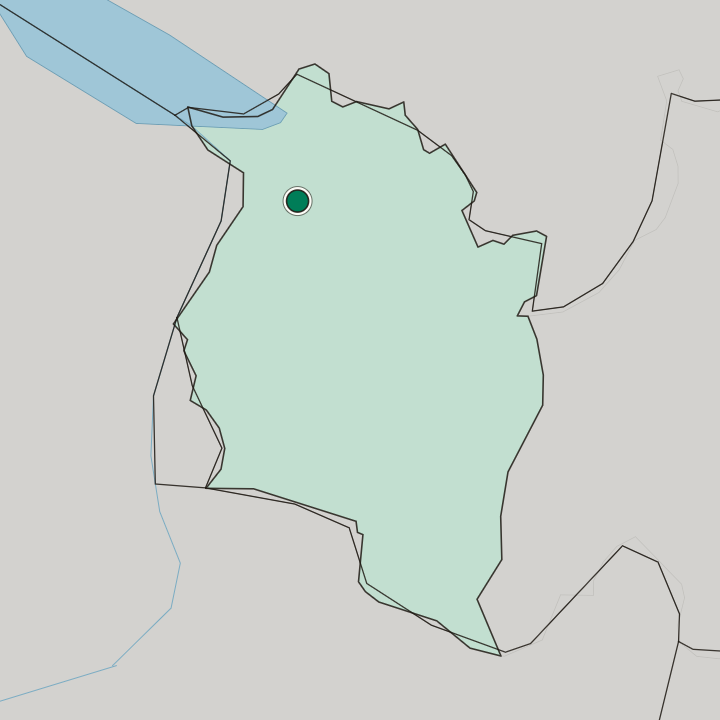
The city covers about 121 square kilometres. Most of it is valley floor, where Oberdorf, Hatlerdorf, Rohrbach and Schoren run together into a single built-up sheet, while the rest climbs away from the flat toward Kehlegg. Zanzenberg rises just above the roofs, with the Gloriette am Zanzenberg on its crown.
Gütle and Ammenegg sit higher again. Beyond the city limits the same flat ground carries on to Hohenems and Lustenau, the two other places that make up Dornbirn's district.
What is the climate of Dornbirn?
Weather here is made on the slopes. Cloud pushing in from the flat runs up against the rise at Kehlegg and lets go of its rain there, which is why the valley around Dornbirn stays as green as it does through the summer. Winters are cold without being harsh.
Snow holds longer on the Zanzenberg and Gütle side than down among the parish quarters, where it turns to slush within a day or two of falling. Spring and autumn come milder.
How do you get to Dornbirn?
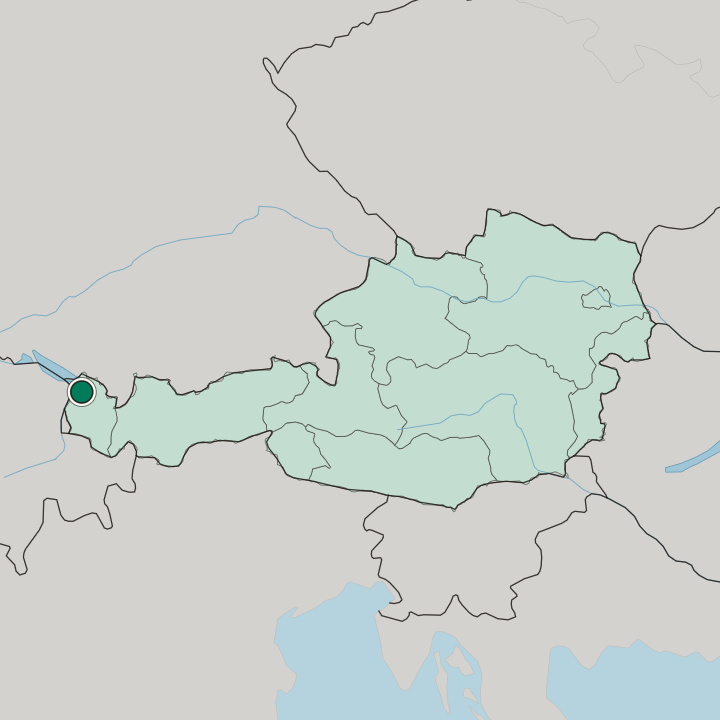
Everything runs along the valley. Dornbirn sits on the same run of valley towns as Hohenems and Lustenau, so the road and rail corridor that threads Vorarlberg drops travellers here without any detour. Vorarlberg is the westernmost of Austria's states, and Dornbirn is its largest city, which makes the place a natural stop rather than a diversion for anyone working through the region.
Kehlegg, Gütle and Ammenegg are the exception. Those hamlets sit above the built-up ground, and getting up to Bad Kehlegg or the Kapelle Ammenegg means a car rather than a stroll from the middle of town.
Good for
Updated October 2026