Austria
Vorarlberg, Austria — Towns & Travel Guide
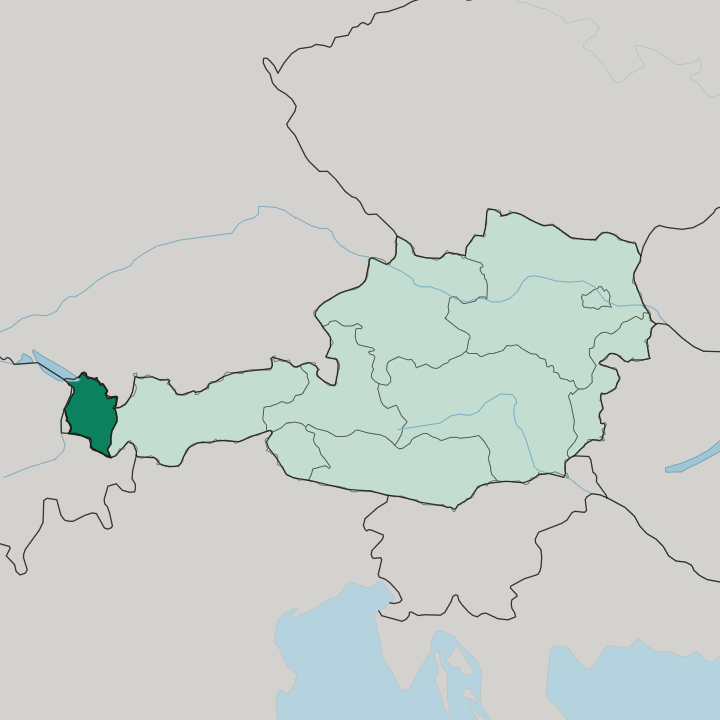
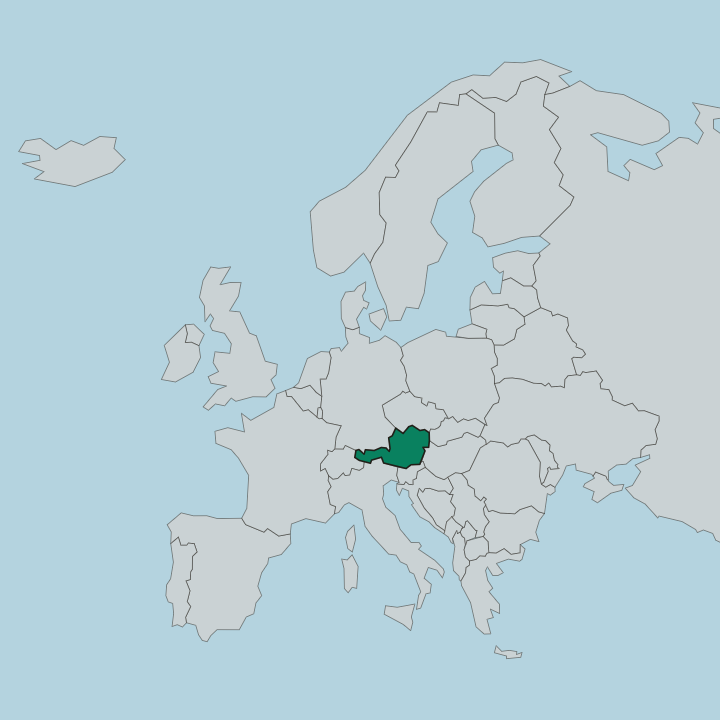
Vorarlberg is Austria's westernmost state, wedged against the Rhine and Lake Constance where four countries almost touch.
Hotel links are affiliate links: booking through them may earn us a commission, at no extra cost to you. It never affects how places are ranked. How this works


Towns & cities in Vorarlberg
One town here has its own guide — it links to where to stay.
 Austria
Dornbirn
Dornbirn is the biggest city in Vorarlberg, an Austrian centre for trade and shopping with Inatura among its museums.Where to stay →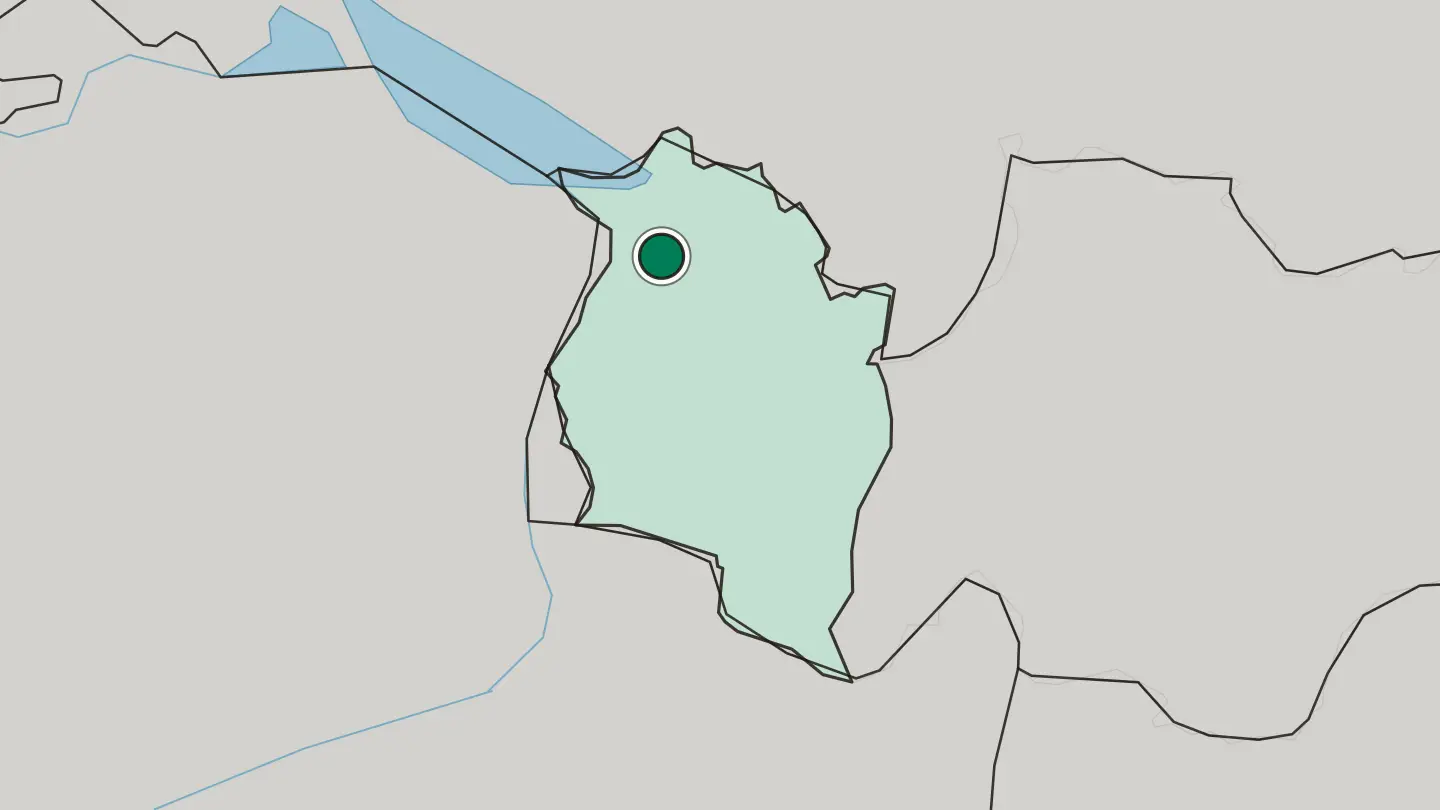
Hotel links are affiliate links: booking through them may earn us a commission, at no extra cost to you. It never affects how places are ranked. How this works
About Vorarlberg
Vorarlberg is Alpine and small.
What is Vorarlberg known for?
It packs the Rhine valley floor, the wooded Bregenzerwald, and the high Silvretta into a corner smaller than any Austrian state except Vienna. The ski villages of Lech and Zürs sit up on the Arlberg, the pass that carries the road and railway east into Tyrol. Bregenz holds the shore of Lake Constance and stages an opera on the water each summer, while Dornbirn and Feldkirch carry more of the population down in the valley.
Cheese, timber architecture, and a German dialect other Austrians struggle to follow round out the character.
Where is Vorarlberg?
Vorarlberg is the far western corner of Austria, cut off from the rest of the country by the mountains. Only one Austrian state touches it. Tyrol lies to the east, reached over the Arlberg, the pass that carries road and rail across the ridge.
Every other border is with a neighbouring country. Germany runs along the north, Switzerland faces it across the Rhine to the west, and tiny Liechtenstein tucks in between them on the same western edge. The Rhine forms much of that Swiss frontier. It runs north down a broad flat valley toward Lake Constance, whose southern shore Vorarlberg holds at Bregenz, and that valley floor is where most people live, in a chain of towns from the lake down through Dornbirn to Feldkirch at the state's western tip.
Behind them the land climbs fast. The wooded ridges of the Bregenzerwald rise in the north, and the high glaciated peaks of the Silvretta close off the south, drained by the Ill through the Montafon and Walgau valleys before it meets the Rhine below Feldkirch. It is a small state hemmed by water on one side and rock on the others.
What is Vorarlberg like?
Vorarlberg feels closer to Switzerland than to Vienna, and it knows it. The everyday speech is High Alemannic, a dialect of German shared with the Swiss and Swabians across the Rhine, and hard enough for other Austrians to follow that Vorarlbergers can sound like foreigners at home. That Alemannic identity runs through the whole place.
It shapes the food and the building. Alpine dairy farming shaped the valleys for centuries, and hard mountain cheese from the Bregenzerwald is still the signature of the table. The Bregenzerwald is also known for a plain, precise timber architecture that modern Vorarlberg builders took up and made famous, turning old farmhouse joinery into some of the most admired contemporary design in the Alps.
Craft and making sit at the centre of how the state sees itself. Down in the Rhine valley, Dornbirn grew rich on textiles before the mills faded, and that industrial, hands-on streak still marks the towns. Every July and August Bregenz turns the shore of Lake Constance into a stage, floating a vast opera set on the water for crowds who arrive by boat and train.
High culture and dairy barn share the same small country.
What is the history of Vorarlberg?
Rome held this corner first. It formed part of the province of Raetia, until Germanic Alemanni settled the valleys and left behind the distinct speech that still sets the state apart from the rest of Austria. The Habsburgs later pulled the scattered lordships together, holding most of the area by 1523 and governing it from Tyrol over the Arlberg, out of Innsbruck rather than any capital of its own.
Walser settlers from the Swiss Valais had meanwhile pushed into the high Montafon and other side valleys, farming ground no one else would. Independence came late. Only in 1918, with the old empire gone, did Vorarlberg finally become a federal state of Austria in its own name.
What is the climate of Vorarlberg?
Here the weather answers to height. The Rhine valley floor around Bregenz and Dornbirn is the mildest ground, warmed a little by Lake Constance and green well into autumn, while the same day up on the Arlberg can be buried in snow. Zürs, near the top of the pass, ranks among the snowiest inhabited places in Austria, which is exactly why the ski season there runs long.
Rain and cloud pile up on the western ridges as air lifts off the lake and the Rhine plain. Pack for two climates: valley one hour, high mountain the next.
How do you get to Vorarlberg?
Most travellers arrive by train or across a nearby border. The main line runs the Arlberg railway, which bores through a long tunnel under the pass to link Innsbruck in Tyrol with Feldkirch and the Swiss frontier, so a single through train from Zurich reaches the valley in under two hours. No airfield serves Vorarlberg directly.
The closest lie just over the borders, at Friedrichshafen across Lake Constance in Germany and at Zurich in Switzerland, with Innsbruck the nearest inside Austria over the Arlberg. Once you are in, the towns of the Rhine valley string together by frequent local trains from Bregenz down through Dornbirn to Feldkirch.
Common questions
What is the best area to stay in Vorarlberg?
Bregenz: the Lake Constance shore and the floating opera. Dornbirn: the Rhine valley and the state's largest town. Feldkirch: the medieval old town at the tripoint. The Arlberg: skiing at Lech and Zürs.
Good for
More regions in Austria
Updated September 2026