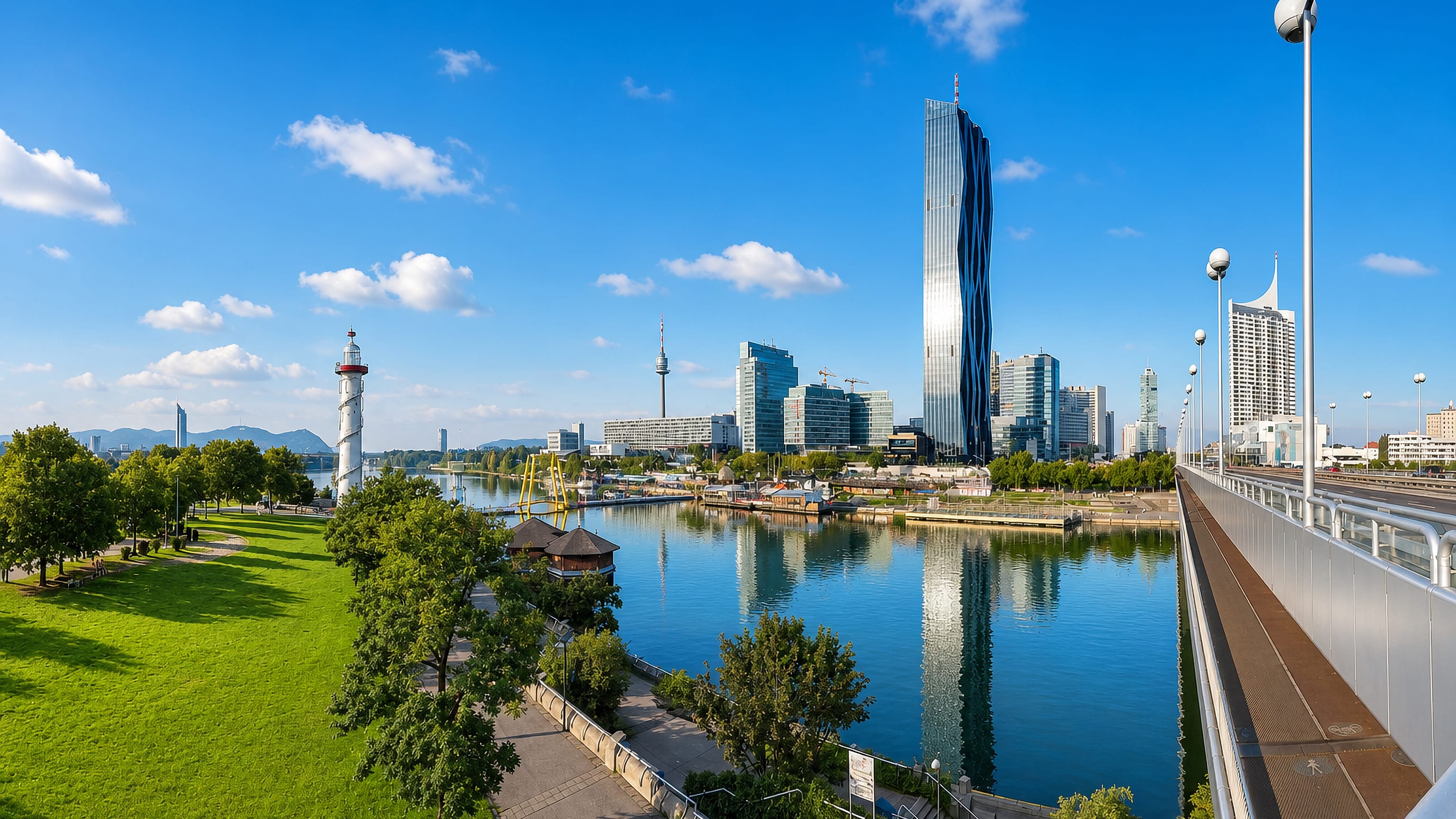
Austria: Regions, Cities & Travel Guide
Alpine peaks rise across the west of Austria, a landlocked country in Central Europe, a federation of nine states centred on Vienna.
Hotel links are affiliate links: booking through them may earn us a commission, at no extra cost to you. It never affects how places are ranked. How this works


Top destinations in Austria
Cities to start from, then drill into areas and hotels.
 Austria
Vienna
The Hofburg Palace and grand museums line the heart of Vienna, the capital of Austria on the river Danube, a city of music and art.Where to stay →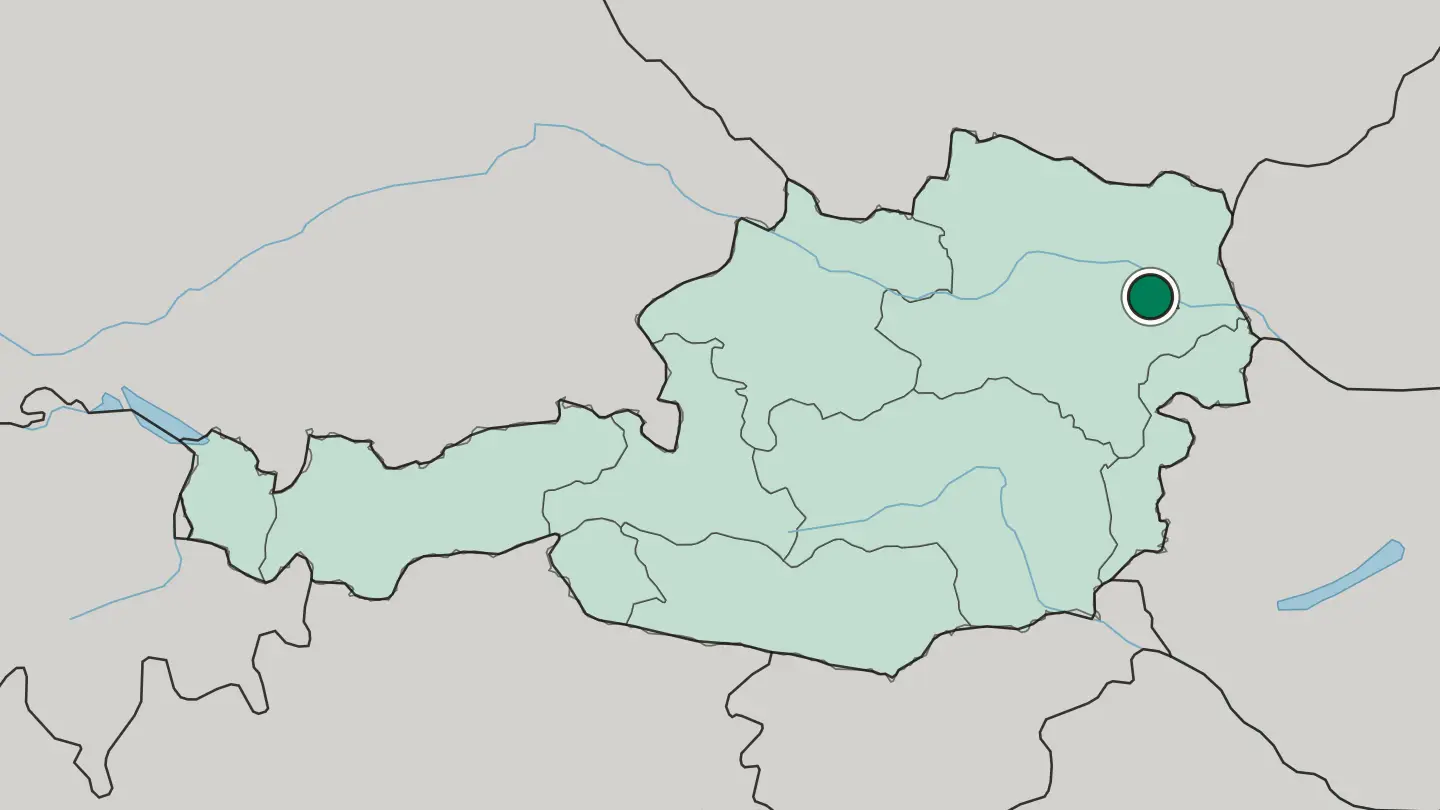
 Austria
Salzburg
Baroque towers crowd the Salzach under the fortress rock at Salzburg, an Austrian city known for Hohensalzburg Fortress and Mozart's birthplace.Where to stay →
 Austria
Innsbruck
The Nordkette stands straight above the roofs of Innsbruck, capital of Tyrol on the Inn, known for the Golden Roof and two Winter Olympics.Where to stay →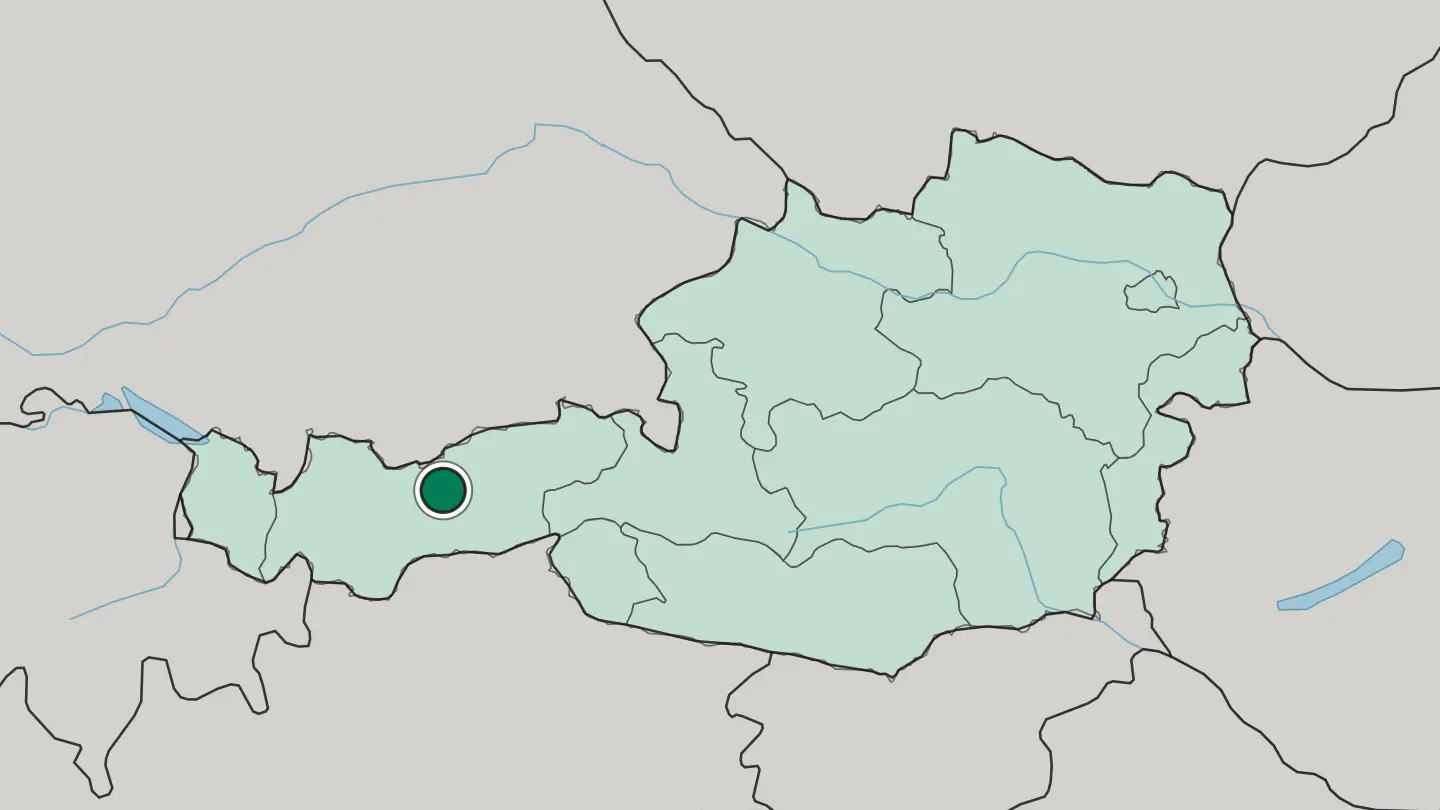
 Austria
Graz
Red roofs climb the Schlossberg above Graz, capital of Styria on the Mur, an Austrian city with a UNESCO old town and a warm southern light.Where to stay →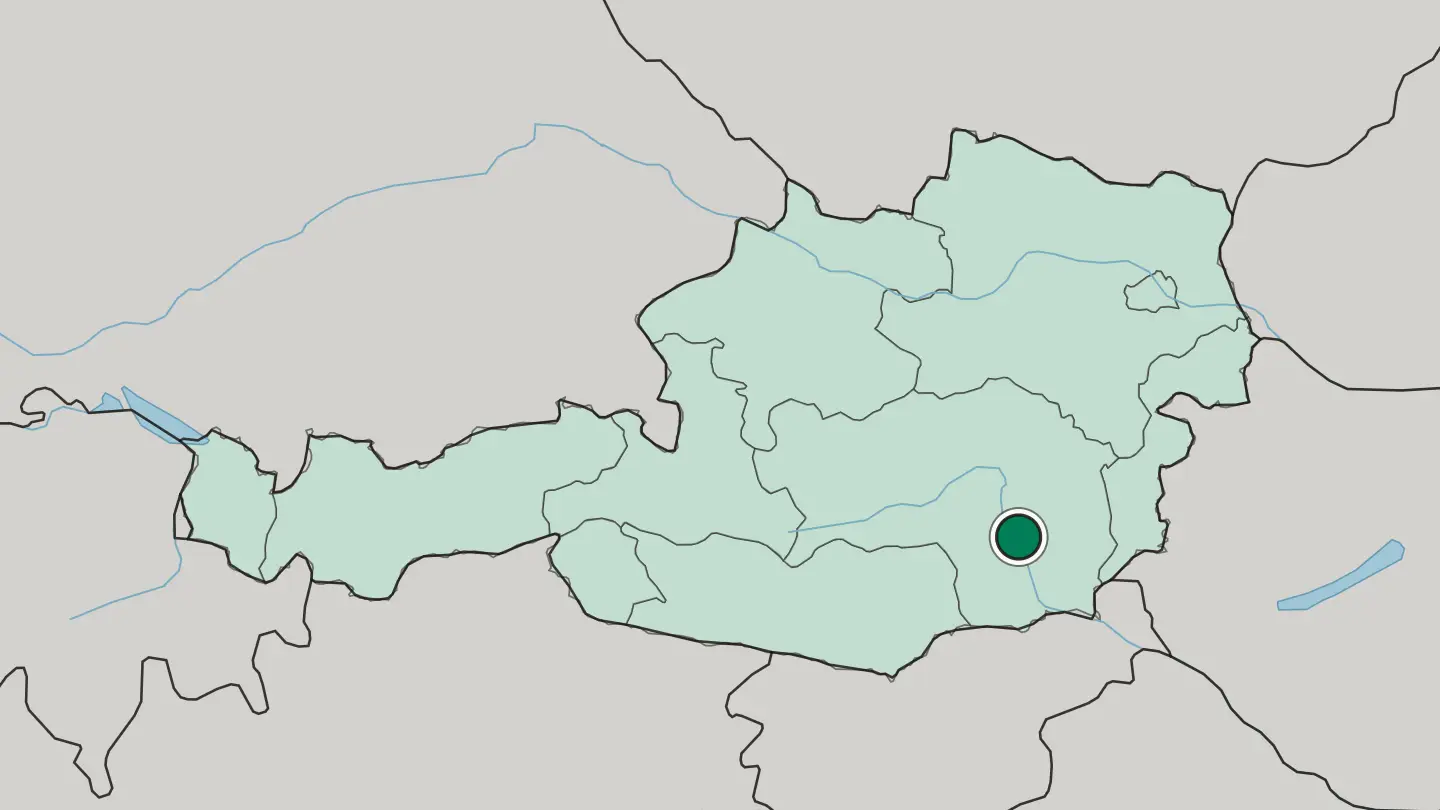
 Austria
Linz
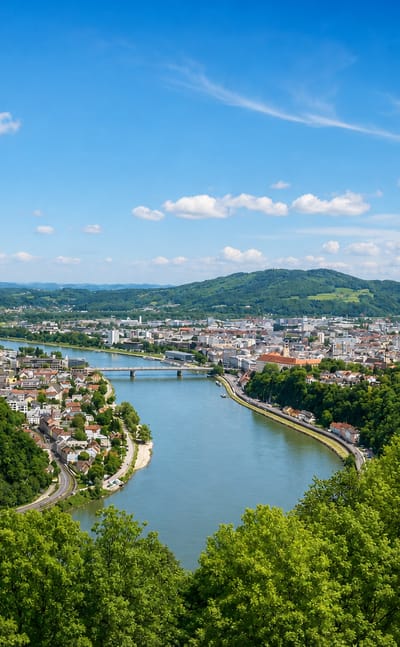
Linz is the third-largest city in Austria, capital of Oberösterreich, spread along the Danube in the country's far north near the Czech border.Where to stay →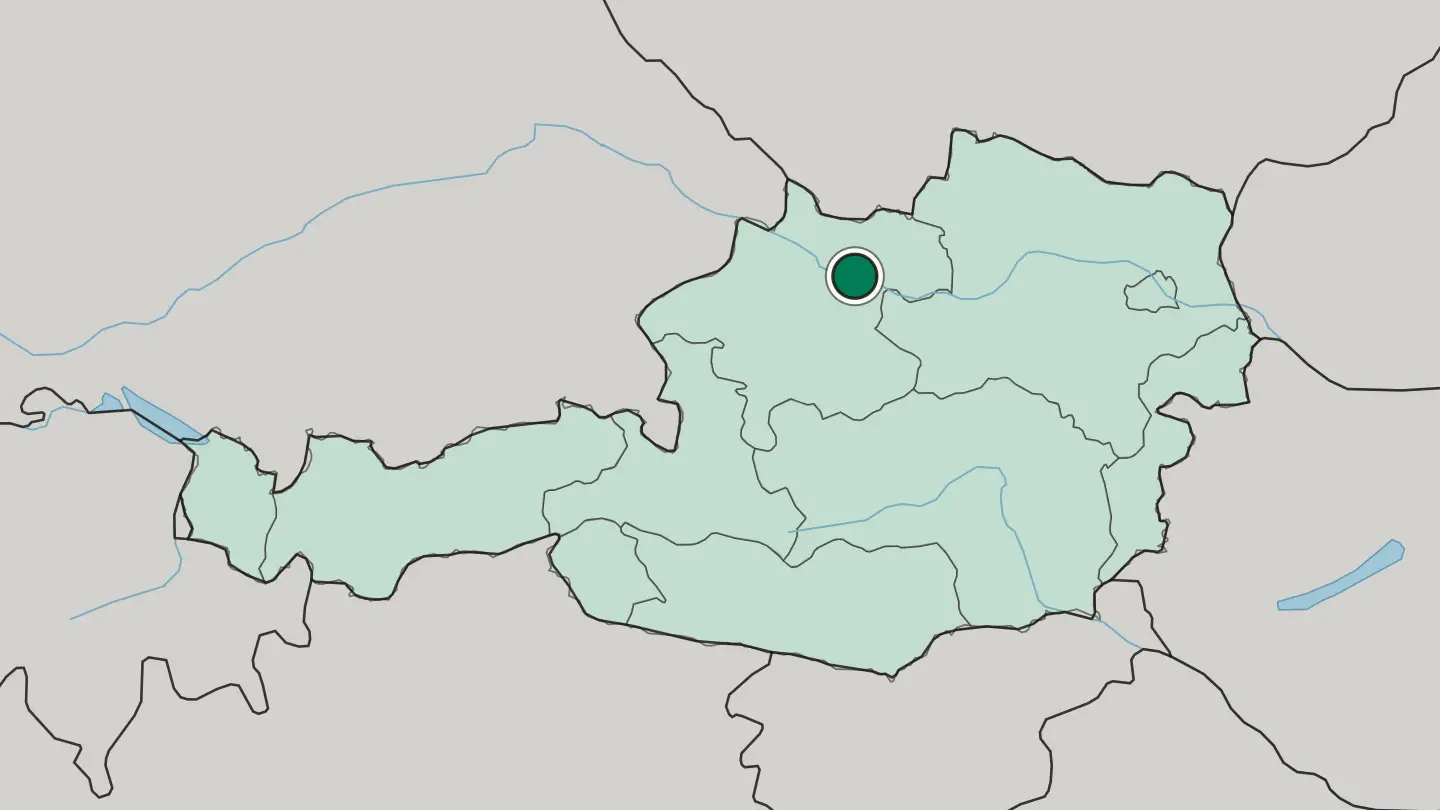
 Austria
Klagenfurt am Wörthersee
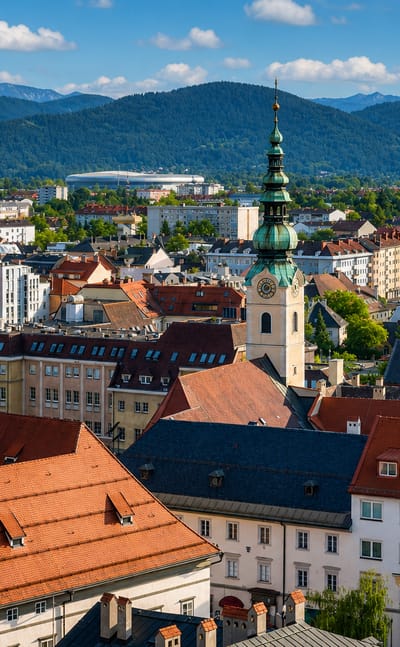
Klagenfurt am Wörthersee is the capital and largest city of the Austrian state of Carinthia.Where to stay →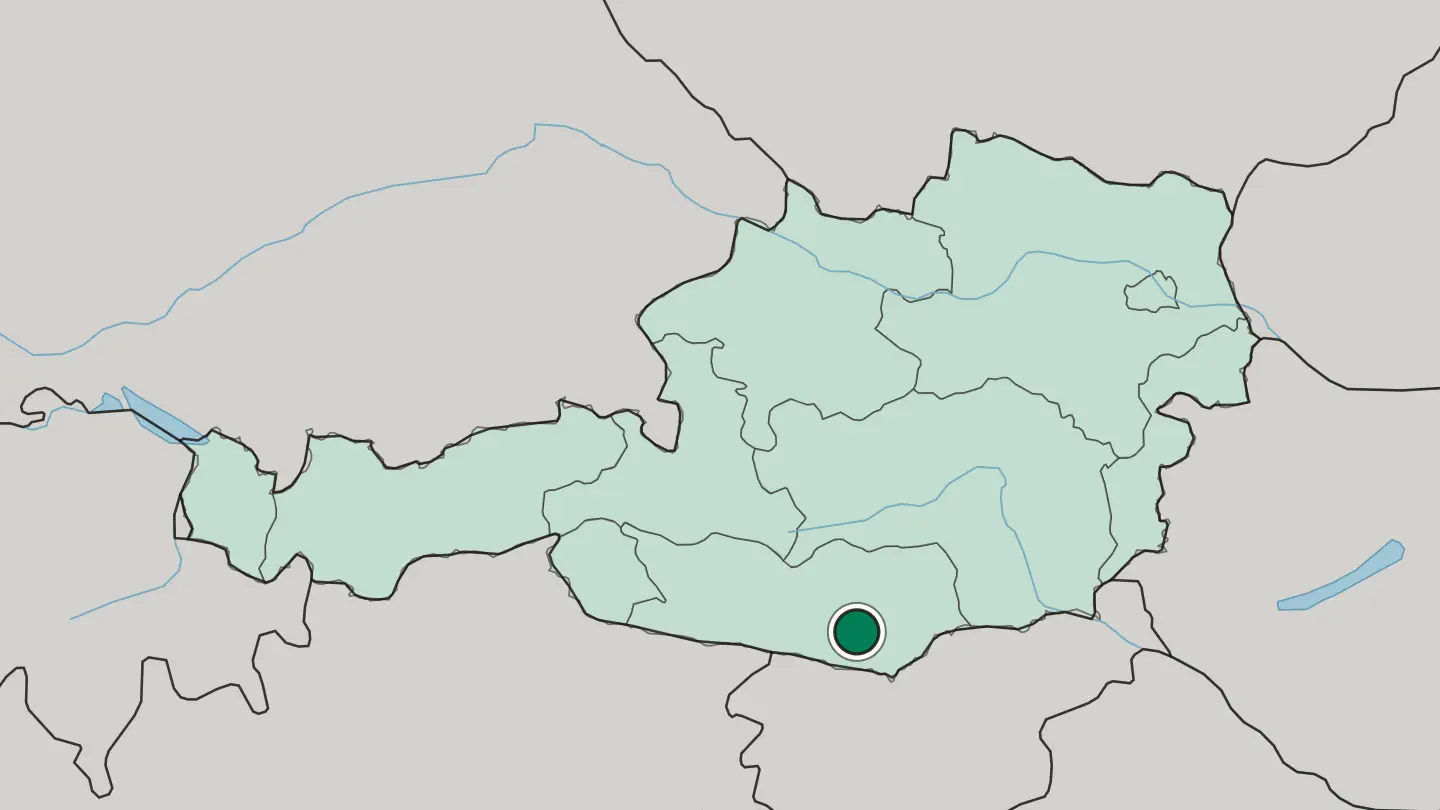 Austria
Wiener Neustadt
Wiener Neustadt is a self-governed city of Niederösterreich, roughly 50 kilometres south of Vienna, holding two cathedrals and Burg Wiener Neustadt.Where to stay →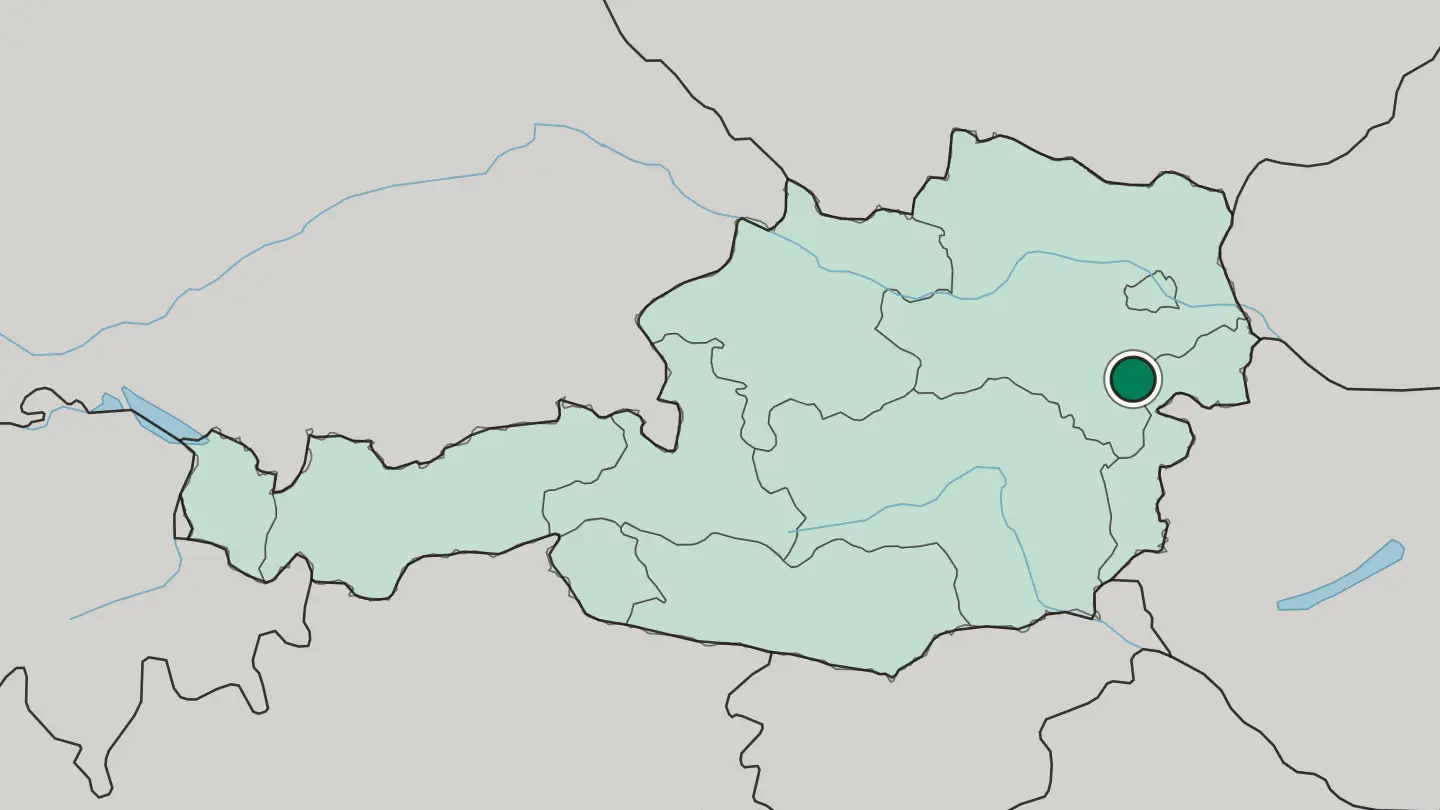 Austria
Eisenstadt
Eisenstadt is the capital of Burgenland, the smallest of Austria's state capitals, standing at the foot of the Leitha Mountains around Schloss Esterházy.Where to stay →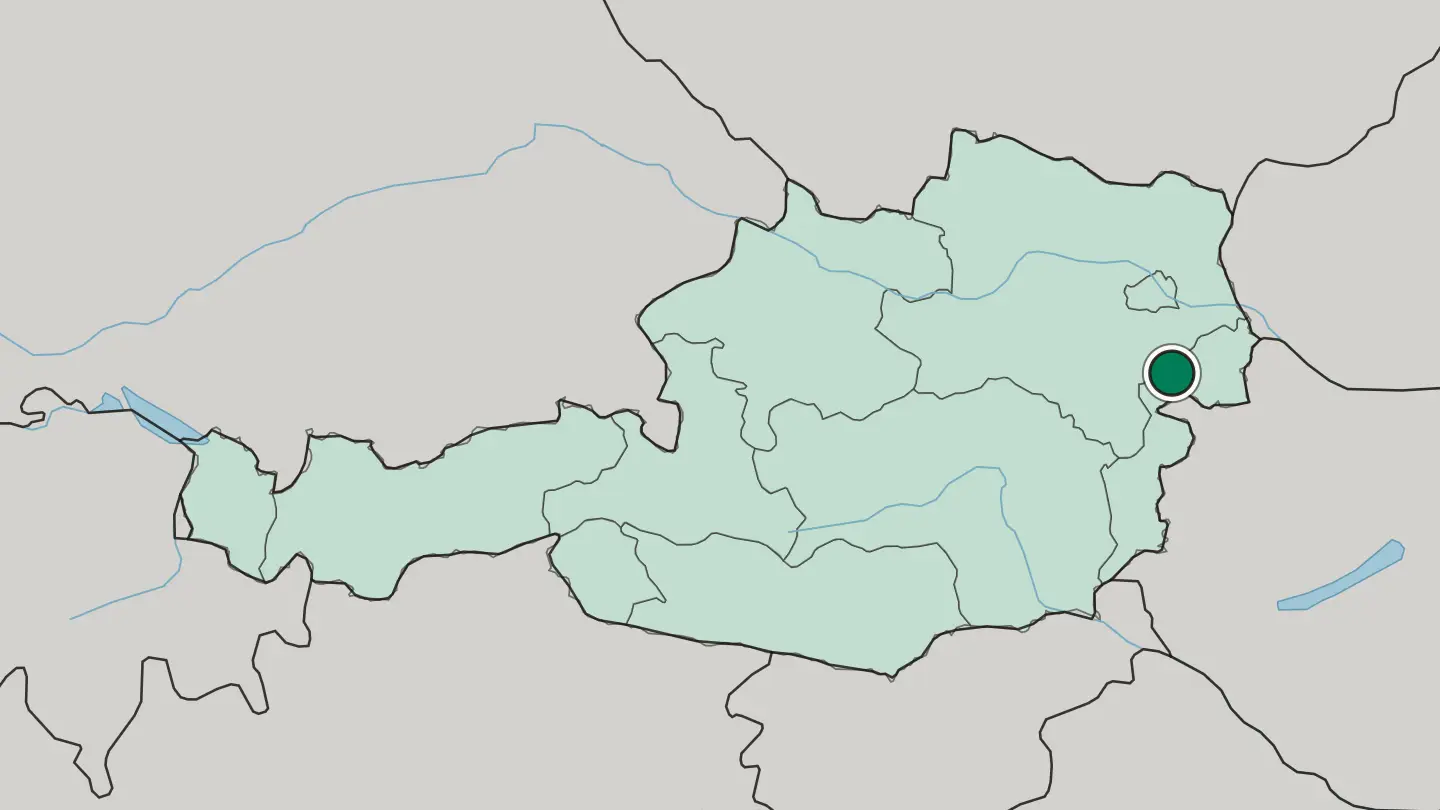 Austria
Dornbirn
Dornbirn is the biggest city in Vorarlberg, an Austrian centre for trade and shopping with Inatura among its museums.Where to stay →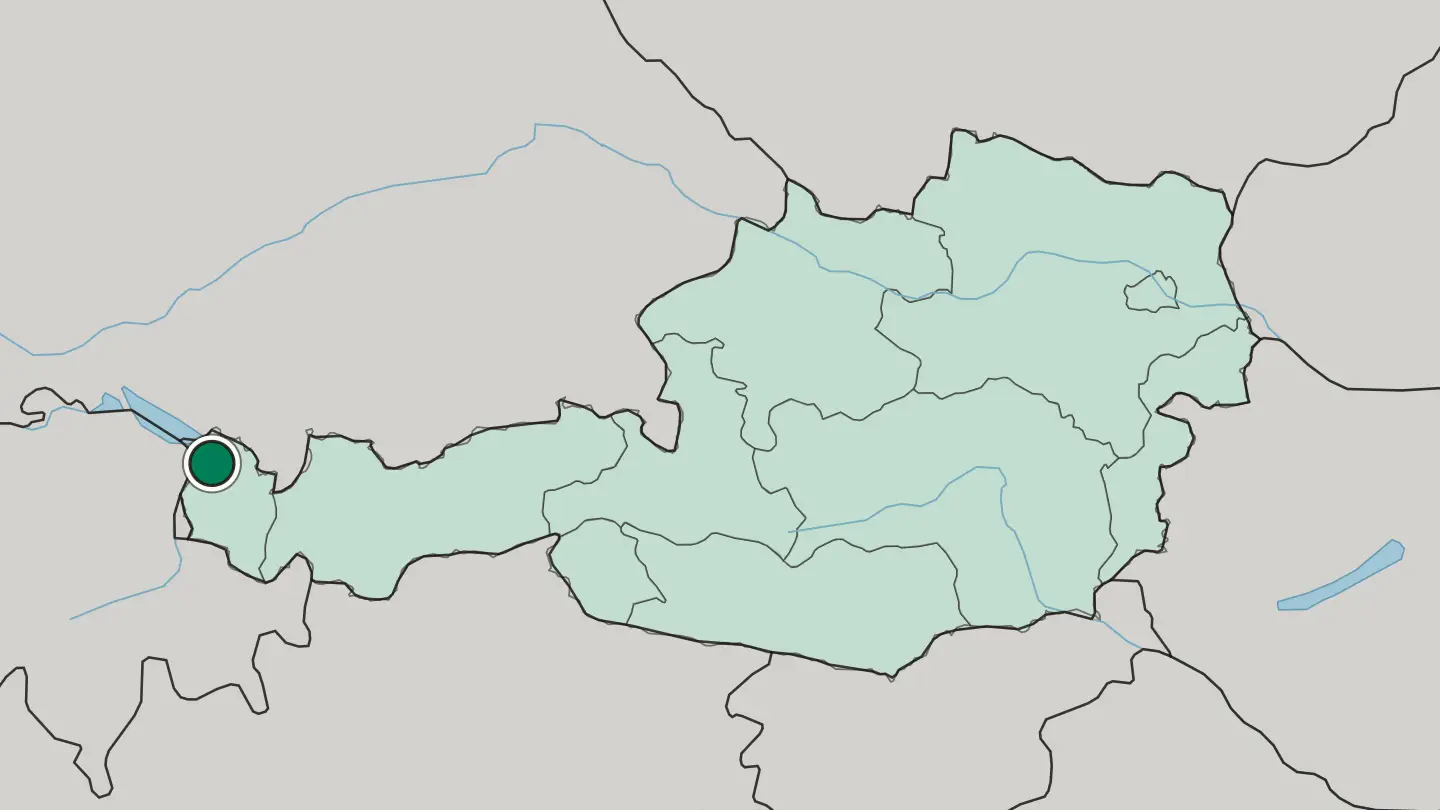
Hotel links are affiliate links: booking through them may earn us a commission, at no extra cost to you. It never affects how places are ranked. How this works
Regions of Austria
Austria
Burgenland
Burgenland is Austria's easternmost state, a flat wine country along the Hungarian border around shallow Lake Neusiedl.Towns & cities →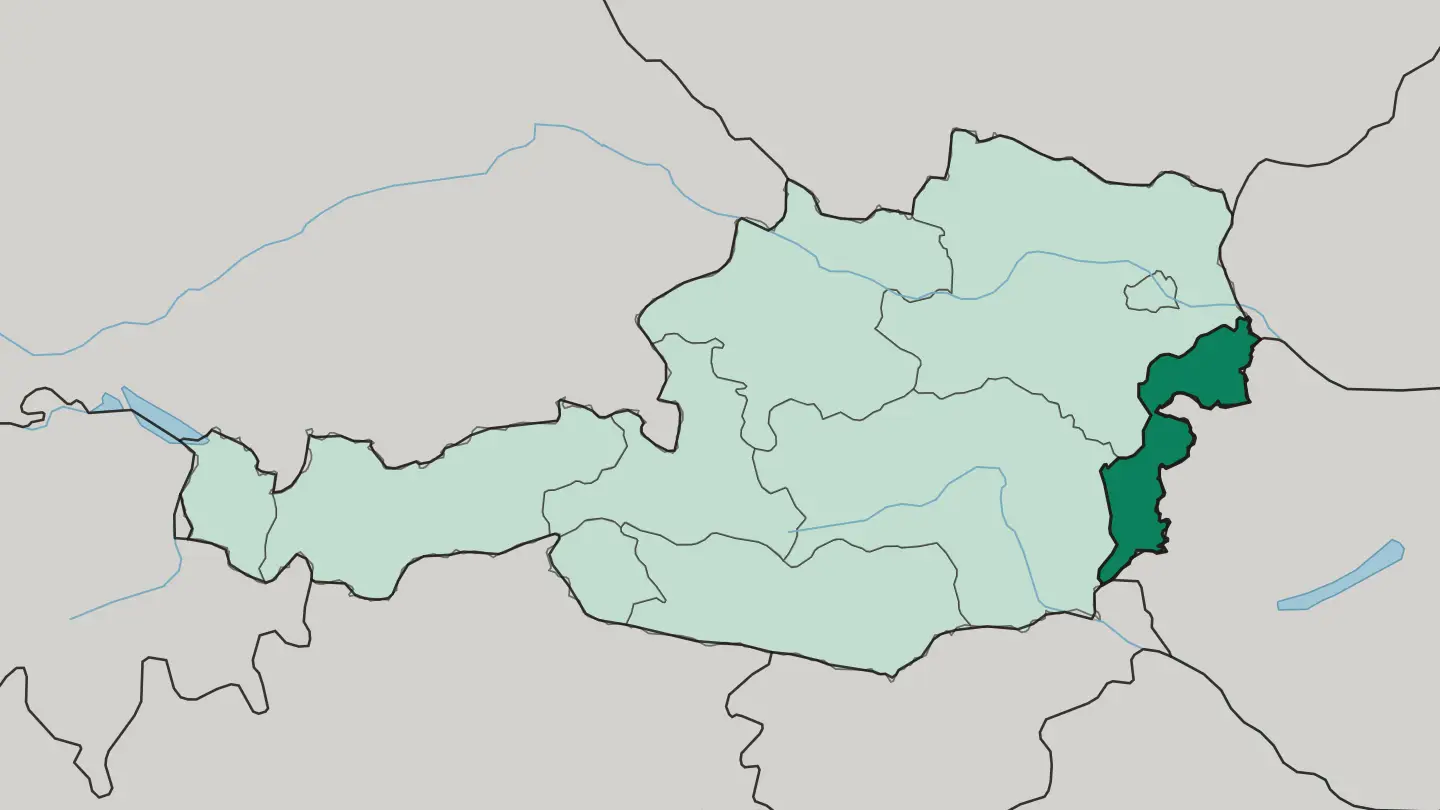 Austria
Kärnten
Kärnten is Austria's southernmost state, an Alpine basin of warm lakes and high peaks between the Hohe Tauern and the Slovenian border.Towns & cities →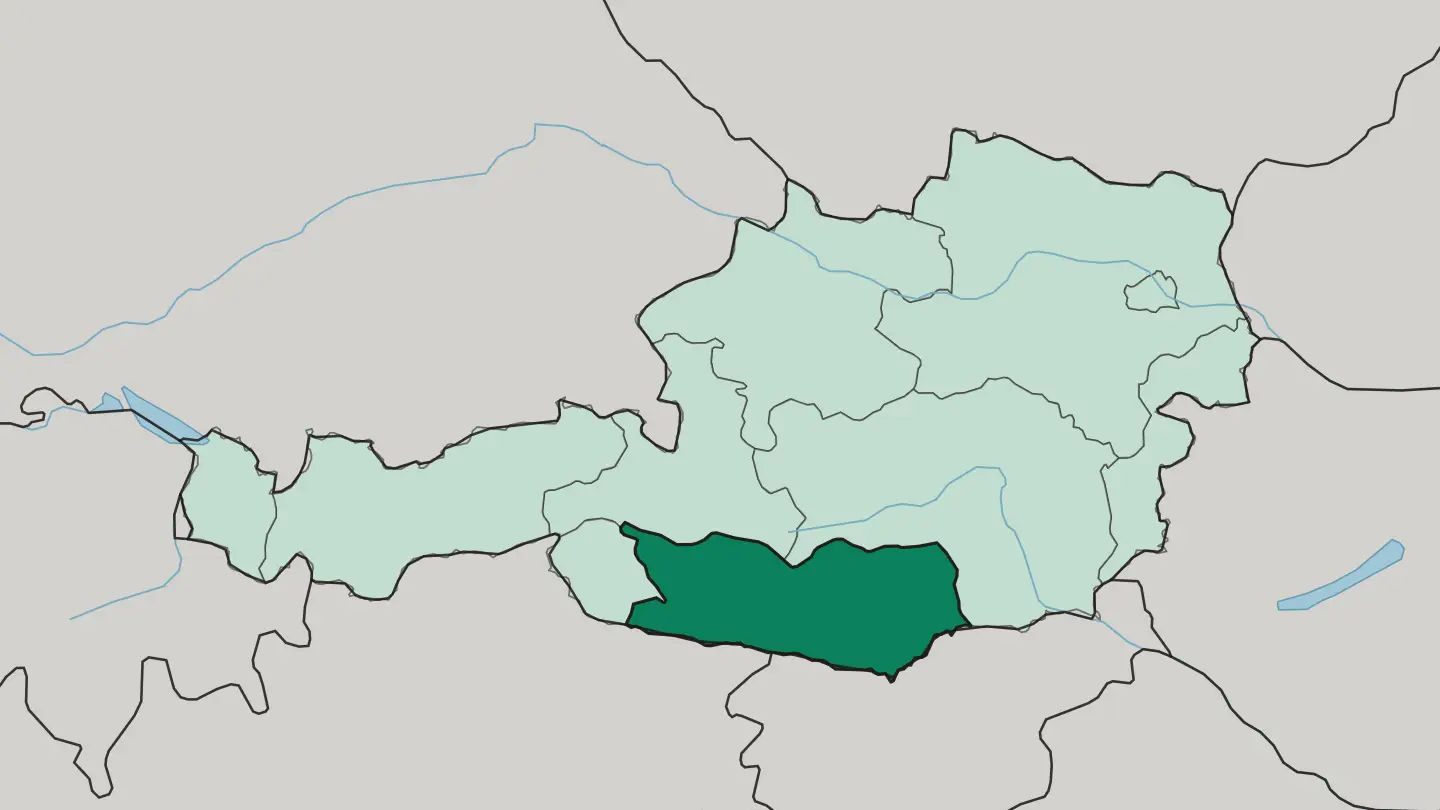 Austria
Niederösterreich
Niederösterreich is Austria's largest state, wrapped around Vienna where the Danube crosses from Melk to Krems.Towns & cities →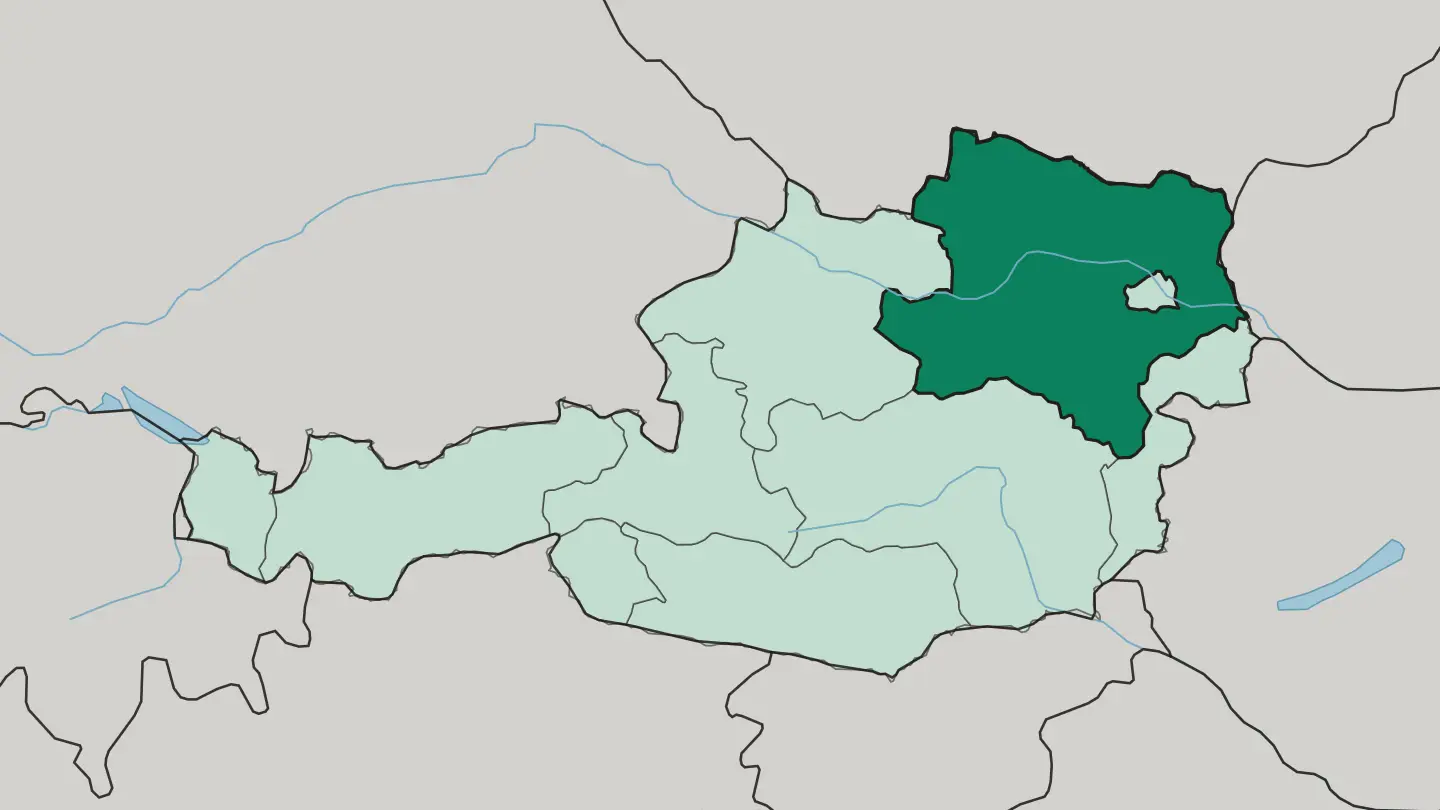 Austria
Oberösterreich
Upper Austria spreads from the Danube at Linz to the Salzkammergut lakes and the Dachstein peaks in the south.Towns & cities →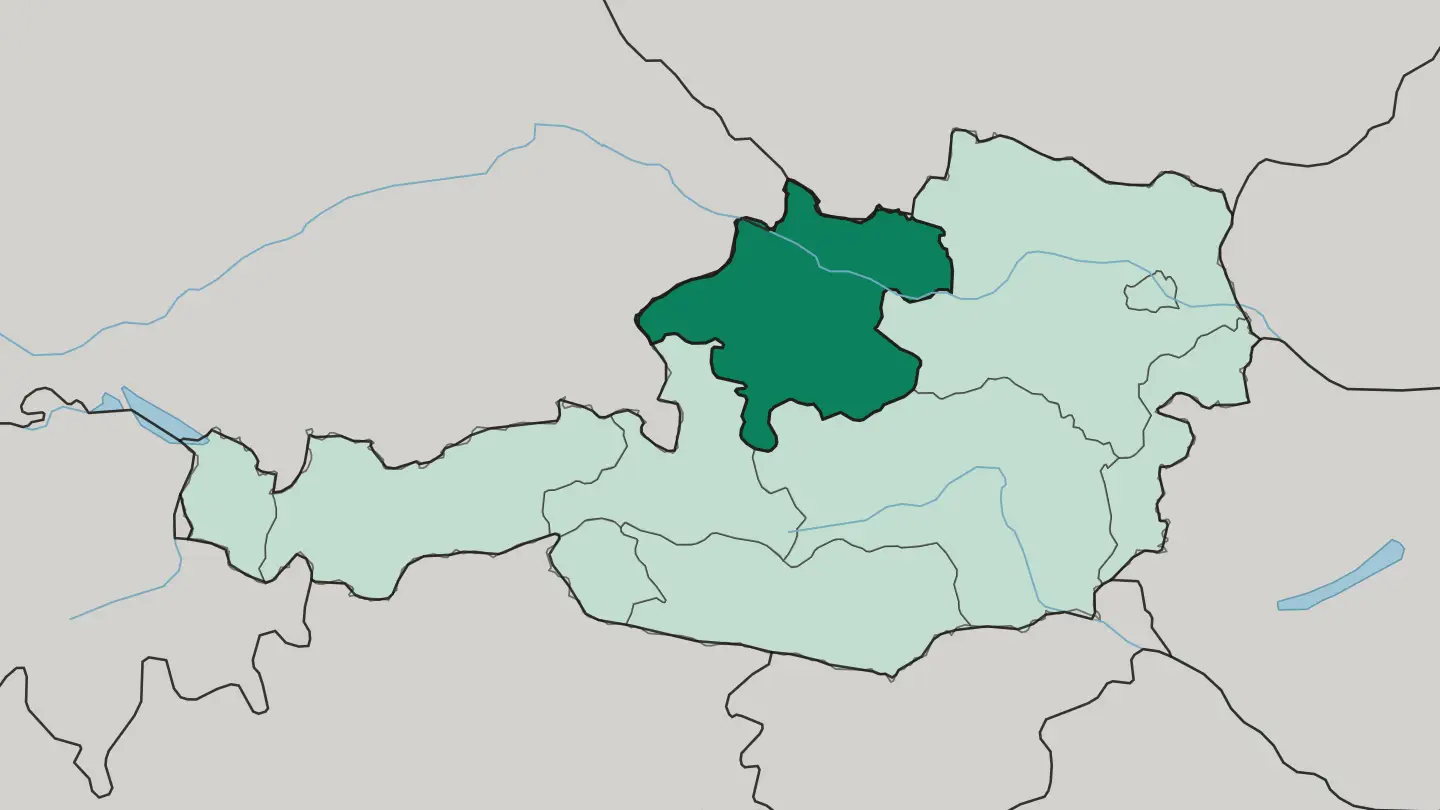 Austria
Salzburg
Salzburg is an Alpine state in north-west Austria, where the Salzach River carries mountain water down from the Hohe Tauern.Towns & cities →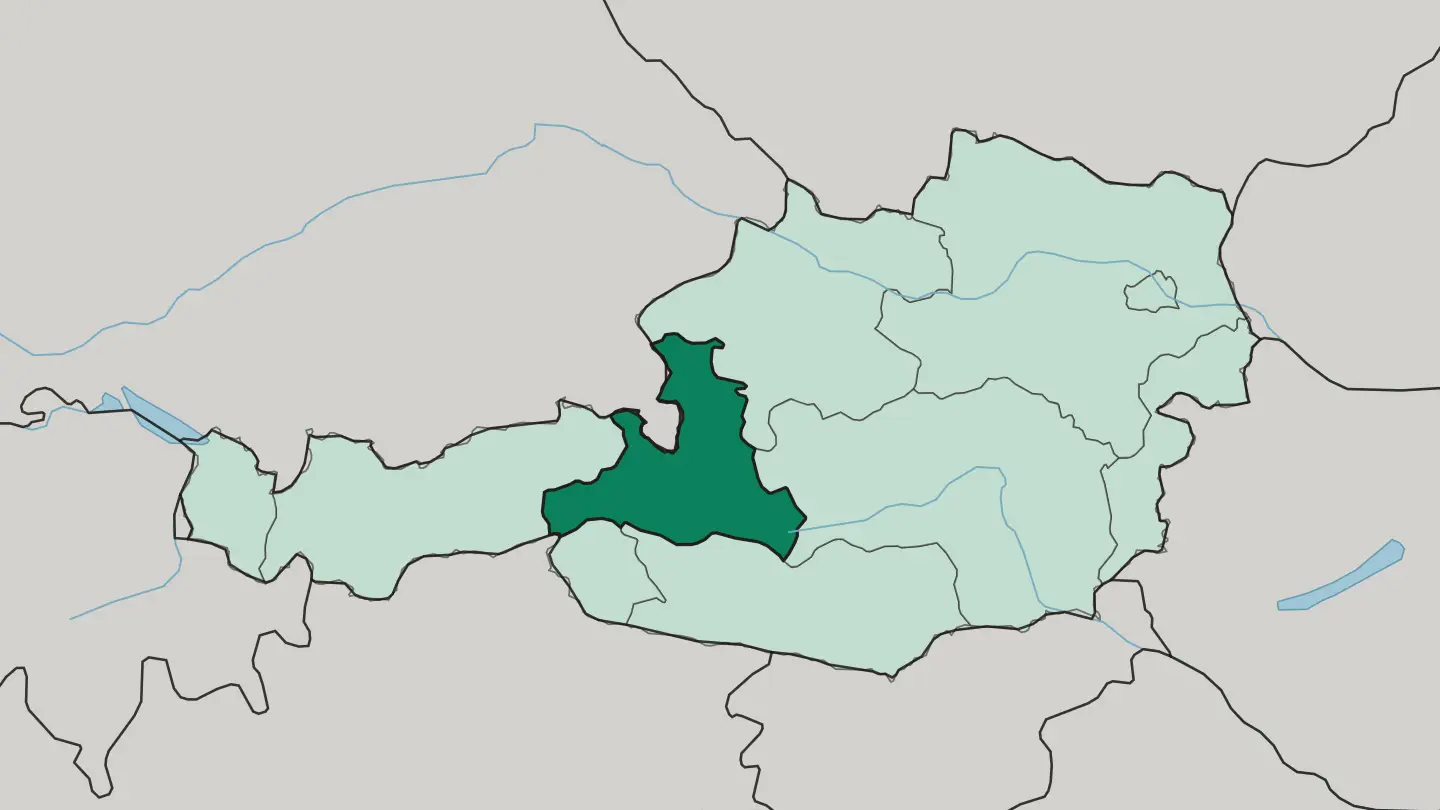 Austria
Steiermark
Steiermark is Austria's forested southeastern state, its wooded hills and alpine north gathered around Graz on the Mur.Towns & cities →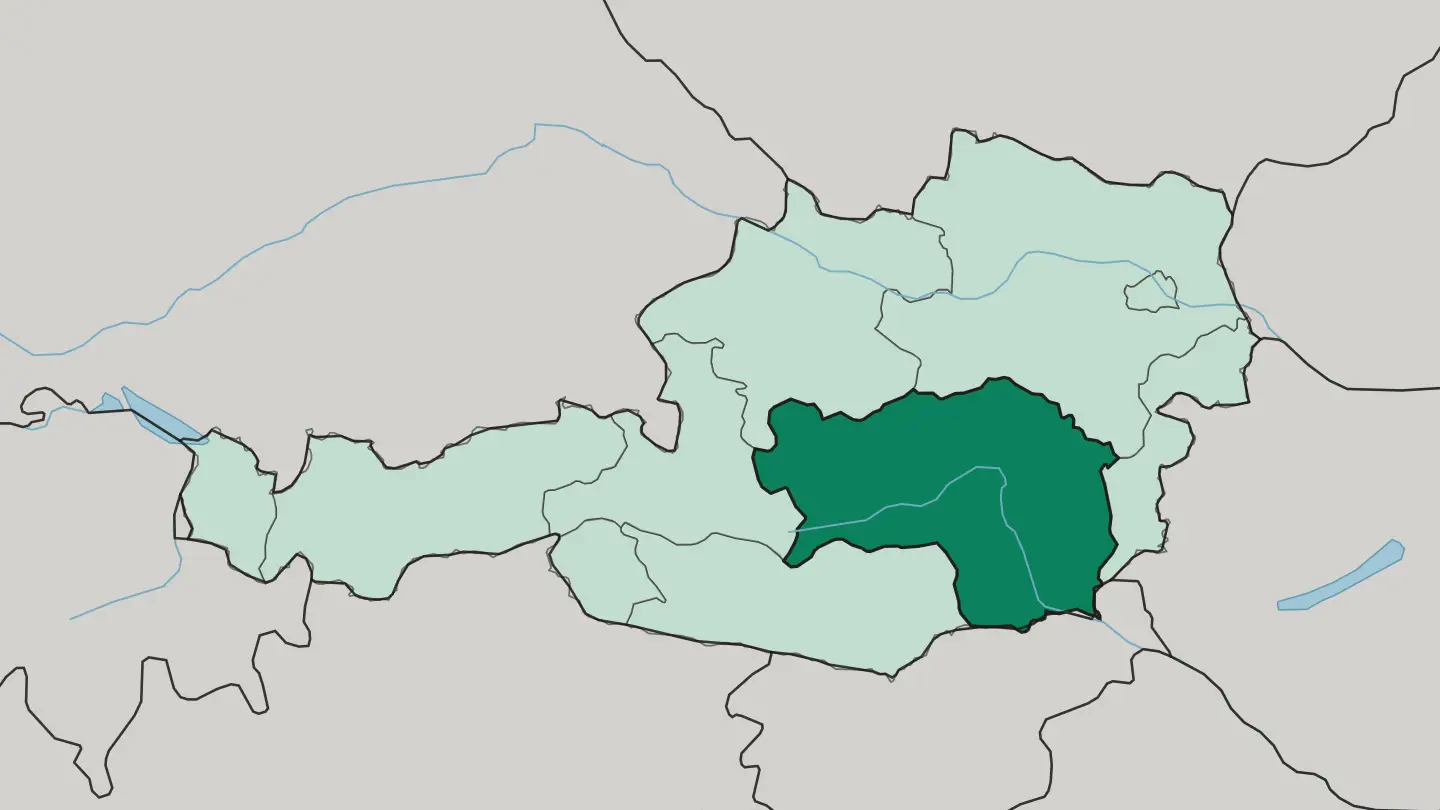 Austria
Tirol
Tirol is Austria's alpine state, split into North and East Tirol, with Innsbruck seated on the Inn.Towns & cities →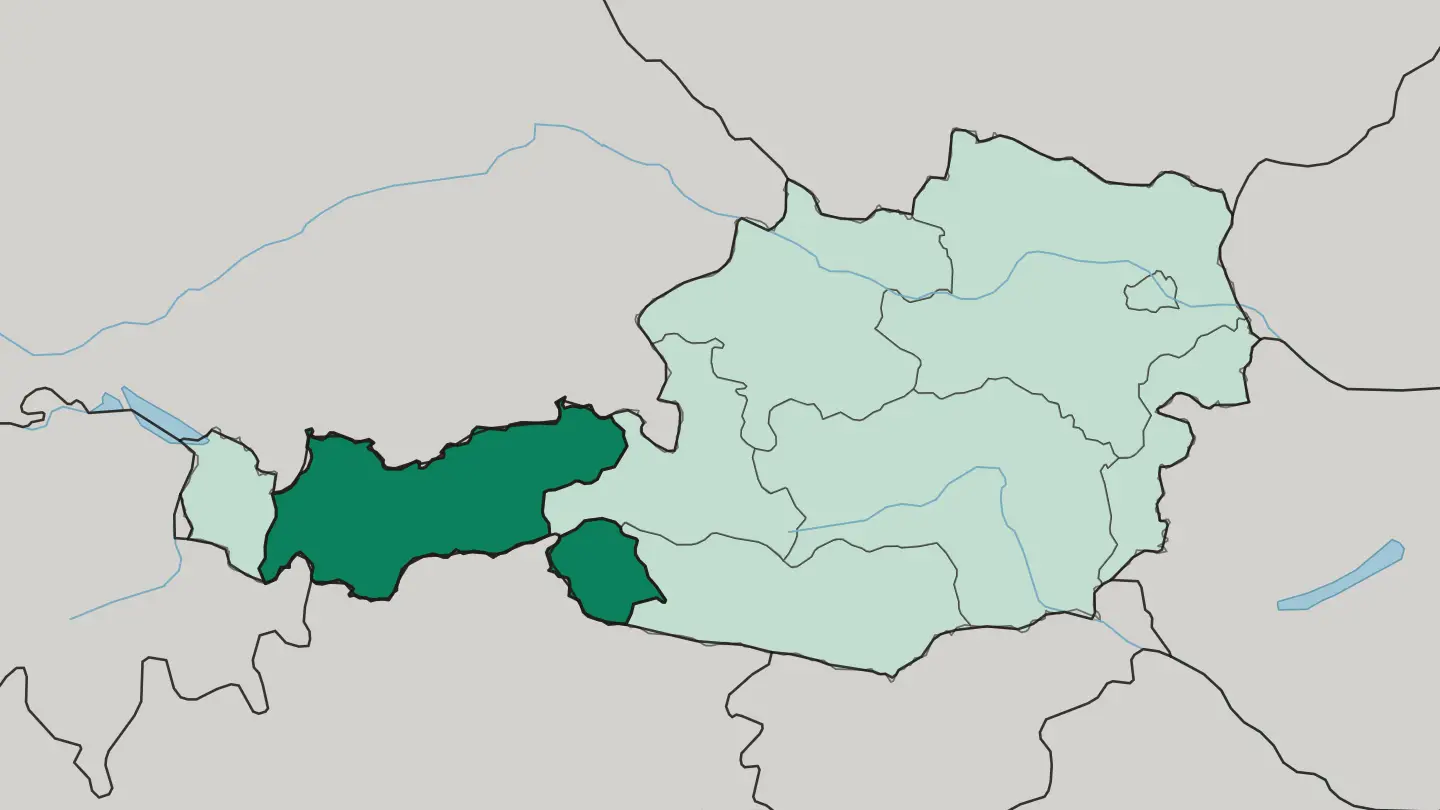 Austria
Vorarlberg
Vorarlberg is Austria's westernmost state, wedged against the Rhine and Lake Constance where four countries almost touch.Towns & cities →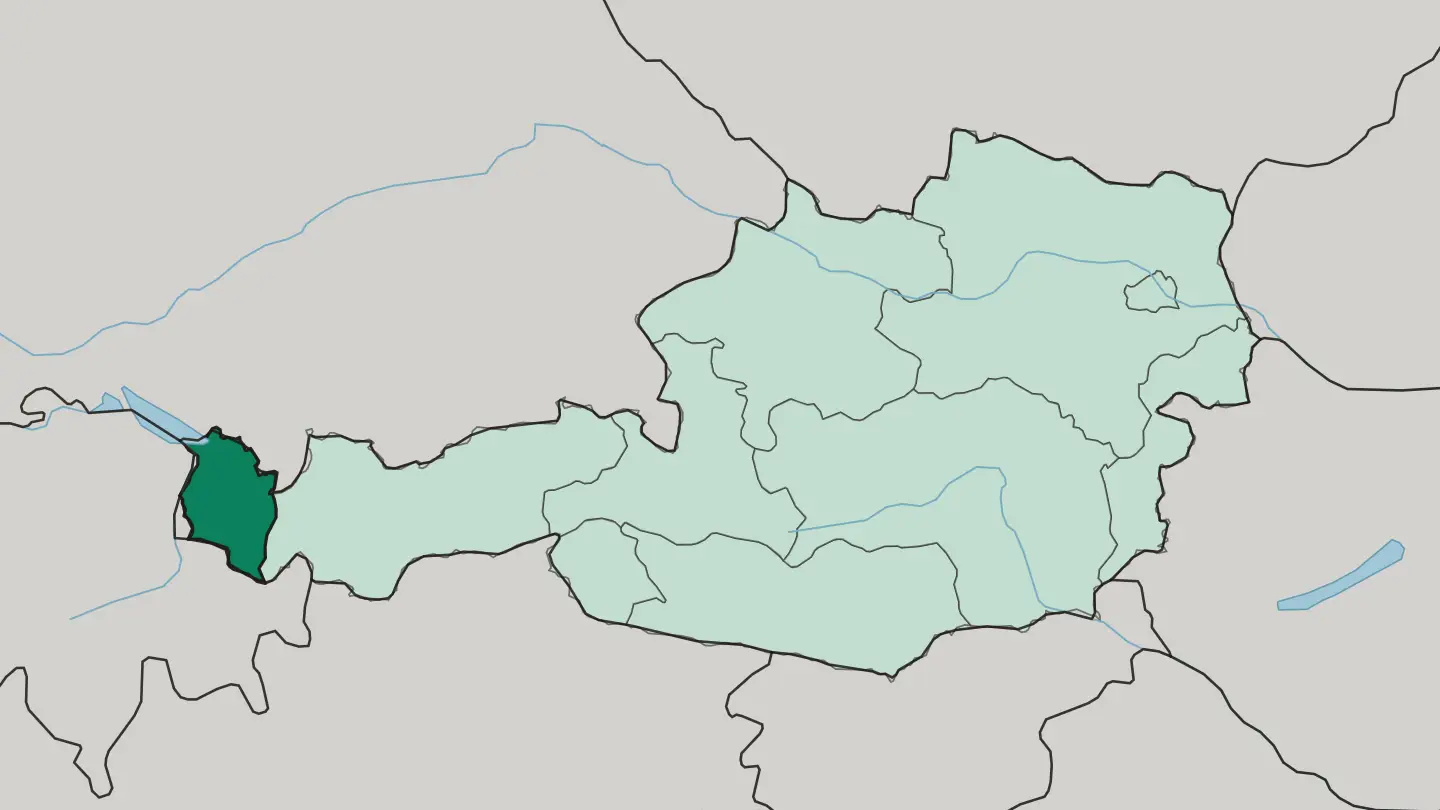 Austria
Wien
Vienna is the capital of Austria and a federal state in its own right, set on the river Danube at the country's political heart.Towns & cities →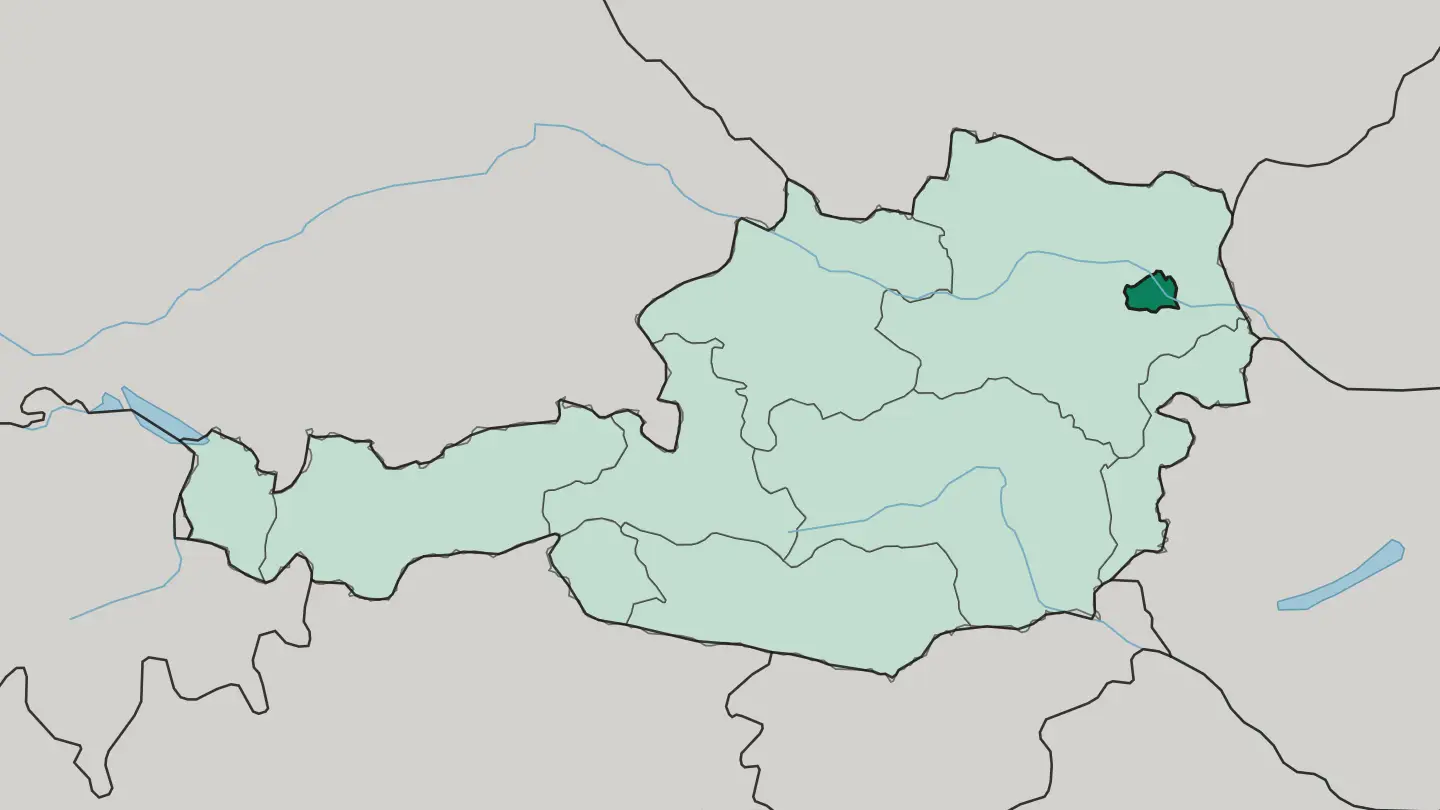
Explore by experience
Not sure which place? Start from how you want to travel.
About Austria
What is Austria known for?
Austria is known as a landlocked, German-speaking country in the heart of Central Europe. The Alps dominate its west and south, drawing skiers in winter and hikers in summer. Vienna serves as the capital and stands among its nine federal states.
Mountains define the nation.
Where is Austria?
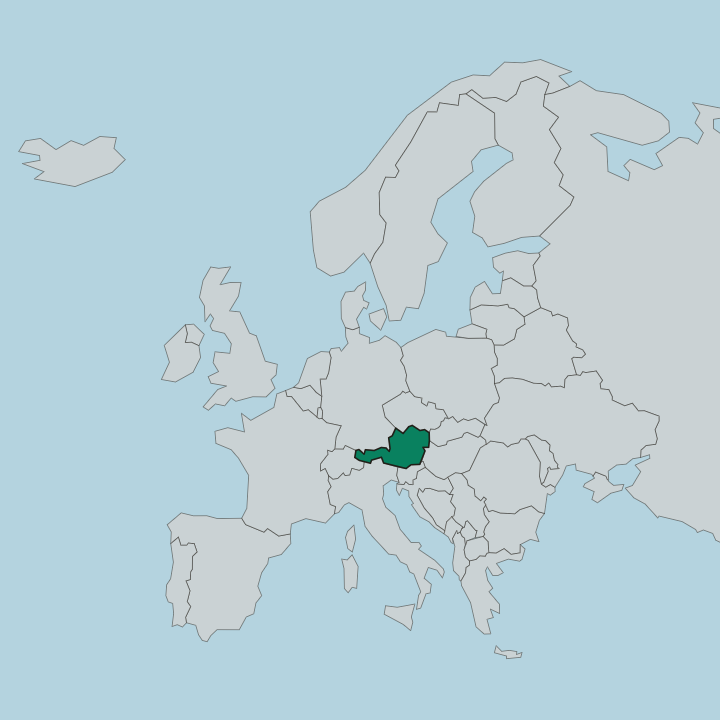
Austria is a landlocked country in Central Europe, set in the Eastern Alps. Eight neighbours ring it. Germany lies to the northwest and the Czech Republic to the north; Slovakia sits to the northeast and Hungary to the east; Slovenia and Italy border the south; and Switzerland and Liechtenstein close the west. The mountains rule the land.
The Eastern Alps fill much of the west and south, rising in high peaks and deep valleys, while the ground eases toward flatter, lower country around Vienna. This is the heart of Central Europe, with no coast of its own. A federation of nine states spreads across the terrain, from Alpine valleys to the eastern lowlands.
Vienna, the capital, is one of the nine. The high country of the Alps gives Austria its defining shape, a landlocked republic of high mountains and open plains.
What is the history of Austria?
Austria took shape as a republic in 1918, the year the modern state emerged. The country that followed was built as a federation of nine states, bound together across the Eastern Alps. Its language stayed German.
From the mountains to the eastern plains, the new republic drew together lands long shaped by their Alpine setting in the heart of Central Europe. Vienna became its capital. The city, itself one of the nine states, took the political weight of the whole federation.
Borders settled Austria among its many neighbours, from Germany and the Czech Republic to Italy and Switzerland. A landlocked republic had taken shape, German-speaking and Alpine, holding the high middle ground of the continent as one federal state among the countries around it.
What is Austria like?
Austria holds a German-speaking culture shaped by the Alps and the historic towns of Central Europe. Winter defines much of it. The country stands with its neighbours as a winter sports centre of Europe, its Alpine slopes filling with skiers in the cold months.
In summer the same mountains draw walkers into high scenery, while the historic cities and villages fill with visitors. Nine states give the nation strong regional character, each with its own traditions within one German-speaking federation. Vienna anchors the cultural life of the whole.
From mountain valleys to the eastern plains, Austrian life is bound to the land, to the seasons of the Alps, and to a shared language that runs across every state.
What is the climate of Austria?
Austria has a temperate, continental climate that turns Alpine in the high country. Winters bring heavy snow to the mountains of the west and south, the base of the ski season. Summers are warm and green below.
Weather shifts sharply with height. The Alps can stay cold and white long into spring, well after the eastern plains have turned green again.
How do you get to Austria?
Austria sits landlocked at the centre of Europe, reached overland from every side. Rail and road cross in from Germany, the Czech Republic, Slovakia, Hungary, Slovenia, Italy, Switzerland, and Liechtenstein. Vienna is the main point of arrival for long-haul travel.
Mountain passes thread the Alps to the west and south, while the eastern approaches run flat and open. No coast means no ships.
Good for
Updated September 2026