Bangladesh · Khulna Division
Where to Stay in Khulna, Khulna Division
Khulna is a city of southwest Bangladesh on the Rupsha river, the base for the Sundarbans, the mangrove forest where the Royal Bengal tiger still roams.
Hotel links are affiliate links: booking through them may earn us a commission, at no extra cost to you. It never affects how places are ranked. How this works


Where to stay in Khulna
Where visitors usually base themselves, and why.
In Khulna the choice is between the city streets and the Rupsha waterside. The streets around the centre keep the market, the museum, and the riverfront within a walk, and staying downtown suits anyone here for the city. The Rupsha runs wide beside.
Launches crowd the ghats. Out toward the delta and the forest, the town gives way to the shrimp ponds, the river villages, and the road to the Sundarbans. A room by the water trades the streets for the tidal rivers, the mangrove edge, and the boats bound for the forest.
The delta runs south to the sea. Stay downtown for the city, or by the river for the Sundarbans. The mangroves begin a short way south.
Find hotels in Khulna
Direct booking searches for these neighbourhoods.
The city centre
By the RupshaFind hotels in The city centreStays bound for the SundarbansThe riverside
Down by the tidal riversFind hotels in The riversideHotel links are affiliate links: booking through them may earn us a commission, at no extra cost to you. It never affects how places are ranked. How this works
About Khulna
Khulna is the mangrove city of the Bengal delta.
What is Khulna known for?
On the Rupsha river in the south of Bangladesh, it grew as a river port and jute town, and it keeps the way into the Sundarbans mangrove forest of the tiger, the old mosque city of Bagerhat with its domes nearby, the jute mills and shrimp farms of the delta, and the wide tidal rivers that run to the sea. The brown rivers braid the delta. Mangroves wall the southern shore.
What are the main landmarks in Khulna?
The Sundarbans are the wonder of Khulna. The vast mangrove forest of tidal creeks and islands, where the Royal Bengal tiger swims and hunts, spreads south of the city to the sea, the emblem of the region, out of downtown. A mosque city lies east.
The sixty-domed mosque of Bagerhat, raised by a saint six centuries ago, stands among the palms, while the river port, the divisional museum, and the shrimp delta mark the country around Khulna.
What is the history of Khulna?
Khulna grew where the tide fills the delta. Long a land of fishermen and rice farmers in the tidal delta, it became a river port on the Rupsha, and a great saint of old built a domed mosque city at Bagerhat nearby, in the fifteenth century. Sixty domes crown the great mosque.
The saint Khan Jahan raised a mosque of sixty pillars and many domes on the edge of the mangroves, one of the wonders of old Bengal, and it stands still among the palms. The port lived by jute and the forest. Khulna grew into a busy city of jute mills, shipyards, and shrimp farms, sending the golden fibre and the white shrimp of the delta to the world.
The great forest lay to the south. Beyond the last fields spread the Sundarbans, the largest mangrove forest on earth, where tigers swim the tidal creeks, and Khulna became the base for its boats and rangers, keeping its rivers, its mills, and its mangroves. The tide still rules the delta.
Khulna keeps its river city on the edge of the Sundarbans.
Where is Khulna?
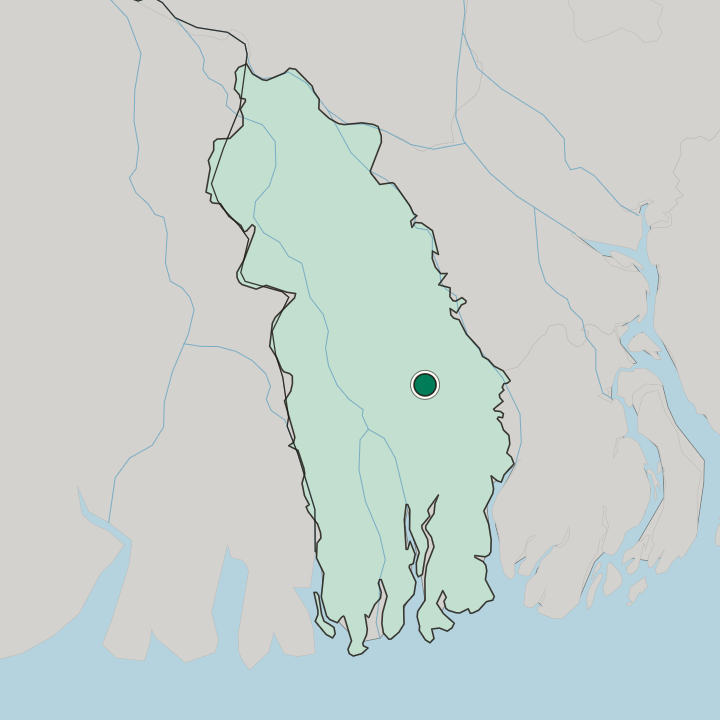
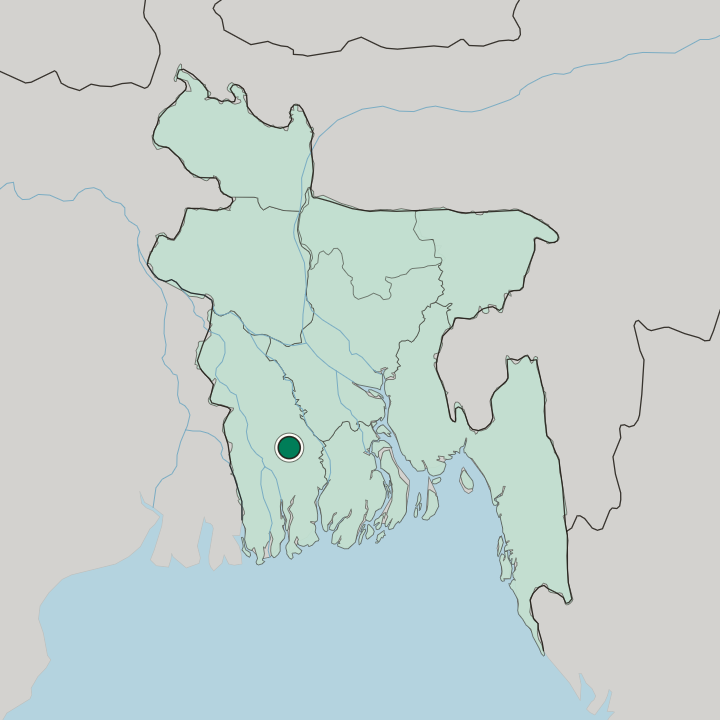
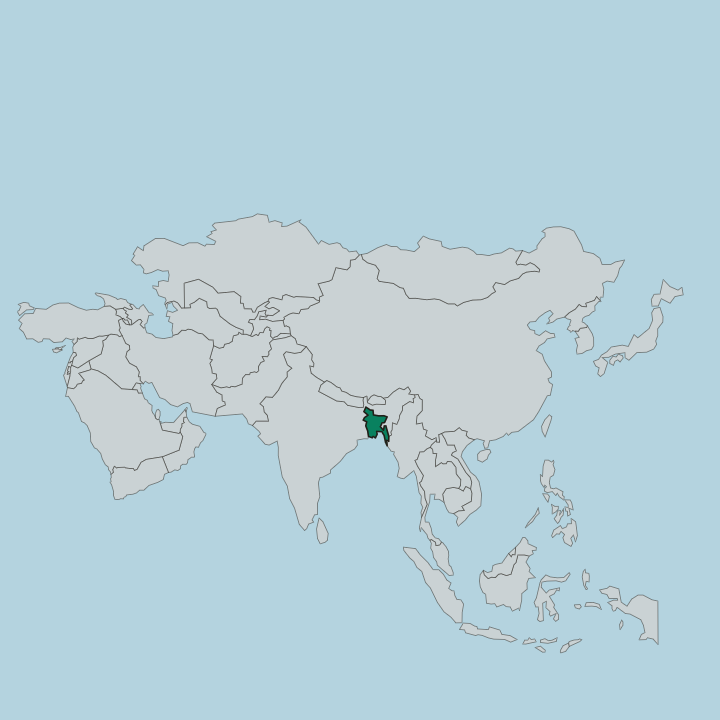
Khulna lies in the southwest of Bangladesh, on the Rupsha river in the delta of the Ganges. The city sits on the flat, wet delta plain of paddy and shrimp ponds, laced with tidal rivers, with the vast Sundarbans mangroves spreading south to the Bay of Bengal and the flat farmland running north. The tide fills the rivers daily.
Green delta stretches all around.
What is the climate of Khulna?
Khulna has a hot, humid monsoon climate. Steamy hot summers and mild dry winters cross the delta, with a heavy monsoon and the risk of a cyclone off the Bay of Bengal in the storm season. Wet heat hangs all summer.
Winter turns mild and dry.
How do you get to Khulna?
Khulna lies in southwest Bangladesh, on the road and rail from Dhaka to the delta. Trains and the highway run to it across the rivers from Dhaka and the north, and boats work the tidal creeks to the Sundarbans. Launches ply the rivers.
Dhaka lies northeast up the line.
Common questions
What is the best area to stay in Khulna?
The city centre: Visitors here for the Rupsha market and the Sundarbans road. The riverside: Stays bound for the Sundarbans.
Good for
More cities in Khulna Division
Updated September 2026