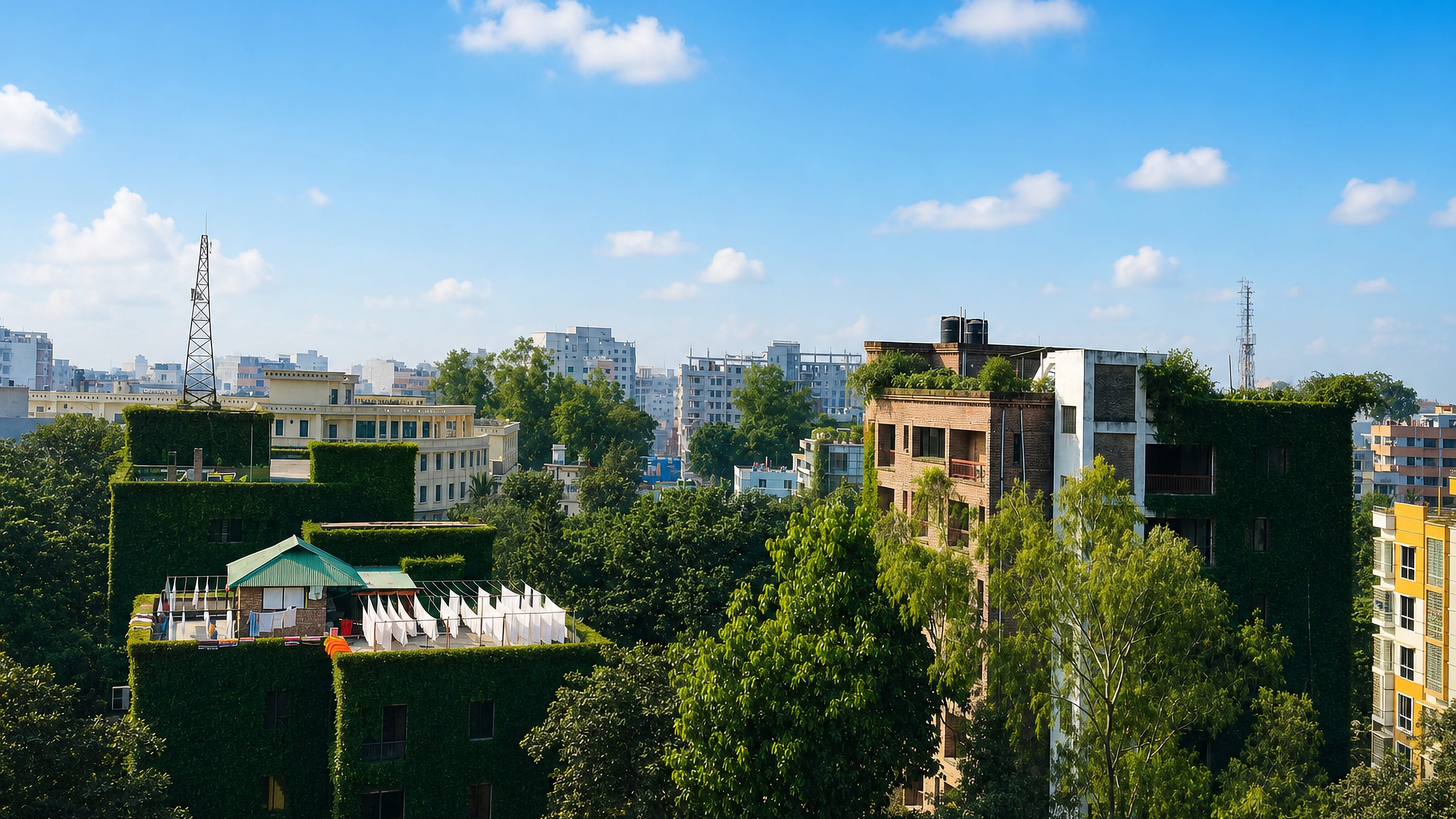
Bangladesh · Rangpur Division
Where to Stay in Rangpur, Rangpur Division
Rangpur is a city of north Bangladesh on the Ghaghat River, an old zamindar and tobacco town of the plain, near the Teesta and the Himalayan foothills.
Hotel links are affiliate links: booking through them may earn us a commission, at no extra cost to you. It never affects how places are ranked. How this works


Where to stay in Rangpur
Where the beds are, and what that means for the visit.
In Rangpur the choice is the town itself or the open plain beyond. The centre keeps the palace, the college, and the markets within a walk, and staying downtown suits anyone here for the town. The green plain rings the edge.
Paddies run to the sky. Out toward the Teesta and the fields, the town gives way to the tobacco farms, the river villages, and the wide plain of the north. A room out of the centre trades the streets for the green paddies, the quiet river, and the far blue hills of the Himalaya.
Nothing interrupts the flat green horizon. Stay downtown for the palace, or out for the plain. The grand palace and the wide plain hold the northern city.
Find hotels in Rangpur
Direct booking searches for these neighbourhoods.
The centre
Within Rangpur's town centreFind hotels in The centreStays wanting the Teesta and fieldsThe plain
Beyond the town's edge, toward the fieldsFind hotels in The plainHotel links are affiliate links: booking through them may earn us a commission, at no extra cost to you. It never affects how places are ranked. How this works
Things to do in Rangpur
Ranked by global recognition; descriptions from Wikidata (CC0).
Castles & Historic Sites
2- Tajhat Palace
- Shaheed Minar
Stadiums & Sports
3- Rangpur Cricket Garden
- Palichara Stadium
- Rangpur District Indoor Stadium
worth knowingacross 2 categories in Rangpur
About Rangpur
Rangpur is the divisional city of north Bengal.
What is Rangpur known for?
On the Ghaghat River in the northern plain of Bangladesh, near the Teesta, it grew as a market and a landlord town, and it keeps the grand Tajhat Palace of its zamindars, the tobacco fields of the northern country, the old Carmichael College, and the memory of the writer Begum Rokeya of this land. The flat plain runs to the north. Green fields fill the land.
What are the main landmarks in Rangpur?
The Tajhat Palace is the pride of Rangpur. The grand Tajhat Palace, a mansion of white pillars and broad stairs set in gardens, is the emblem of the city, out of downtown. An old college stands in the town.
The Carmichael College and the city museum stand among the streets and greens nearby, while the Ghaghat River, the tobacco fields, and the Teesta plain mark the country around Rangpur.
What is the history of Rangpur?
The zamindars ruled the land. In the old days the great landlords of north Bengal held the country around Rangpur, and they built their palaces and estates on the plain by the river. A grand palace rose here.
The zamindars of Tajhat built a great palace of pillars and marble at Rangpur, a seat of their wealth on the northern plain. Learning came to the town. Under colonial rule Rangpur grew as a district town, and the Carmichael College rose as one of the great schools of the north.
A great writer was born near. From this country came Begum Rokeya, who wrote for the learning of women, and Rangpur grew as a city of the northern plain, keeping its palace, its fields, and its river. The old palace still stands.
Rangpur keeps its city on the northern plain.
Where is Rangpur?
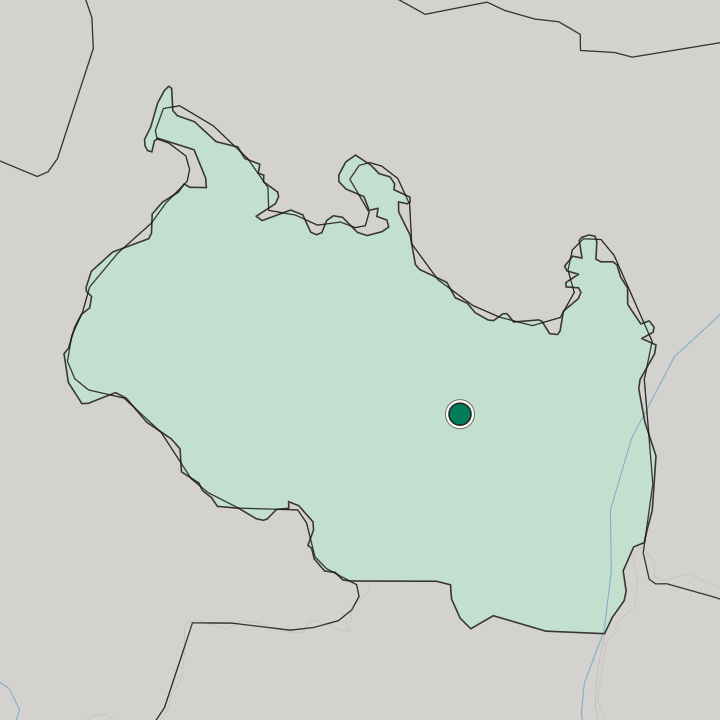
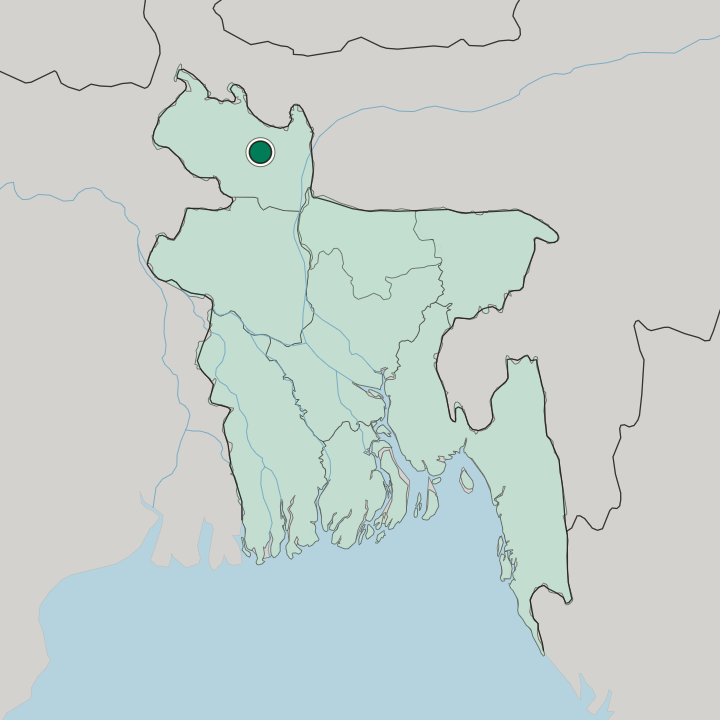
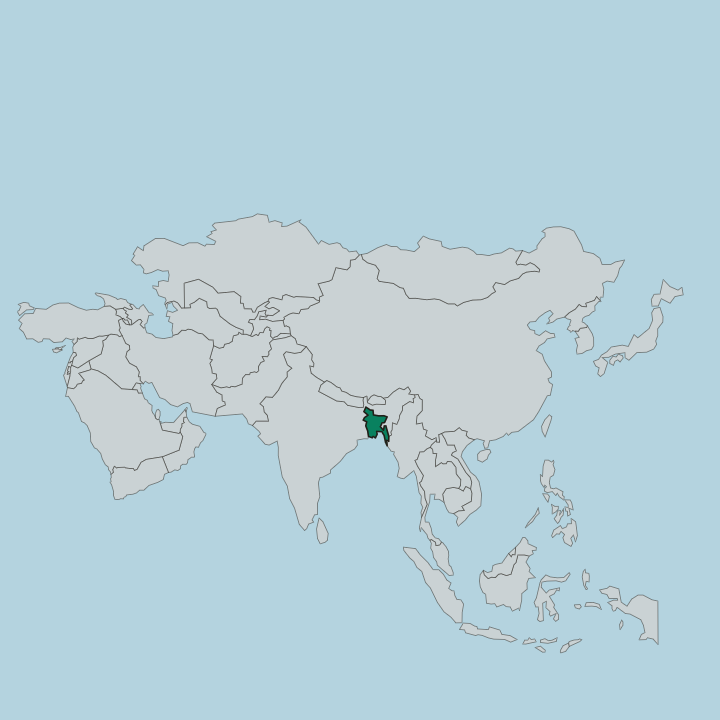
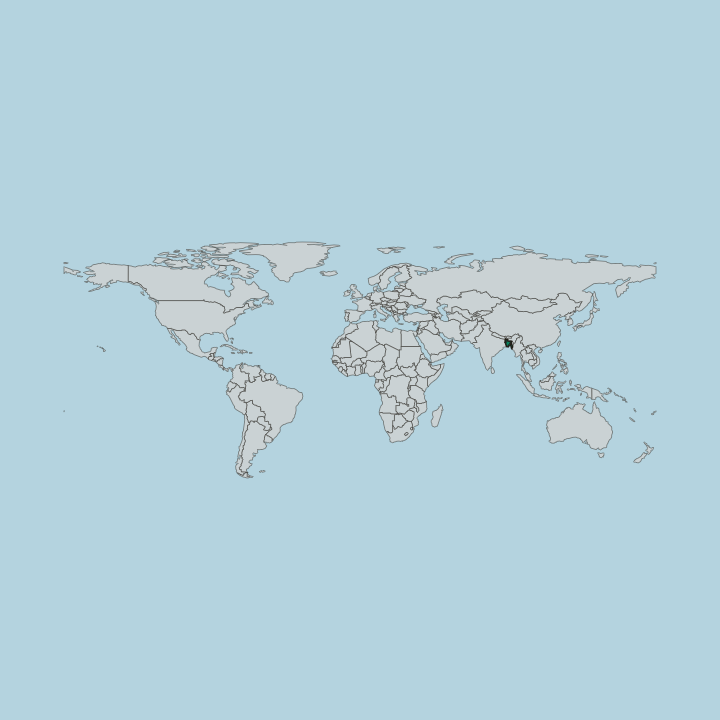
Rangpur lies in the north of Bangladesh, on the Ghaghat River. The city sits on the flat green plain of north Bengal, on the small Ghaghat near the great Teesta River, in a land of rice and tobacco, with the plain stretching away on every side and the far hills of the Himalaya rising along the northern sky on clear days. Green paddies run to the sky.
The Teesta winds nearby.
What is the climate of Rangpur?
Rangpur has a hot, humid monsoon climate. Hot wet summers and cool dry winters cross the plain, with the monsoon rains and floods of summer and thick fog on the winter fields. The monsoon floods the paddies.
Fog cloaks the dawn fields.
How do you get to Rangpur?
Rangpur lies in northern Bangladesh, on the road north of Dhaka. The highway and the rail run to it from Dhaka across the plain, and roads lead on to the Teesta and the border. Trains cross the plain.
Dhaka lies south down the line.
Common questions
What is the best area to stay in Rangpur?
The centre: Visitors here for the palace and college. The plain: Stays wanting the Teesta and fields.
Good for
Another city in Rangpur Division
Updated October 2026